1. Botanical Characterization, Phytochemistry, and Information Gain
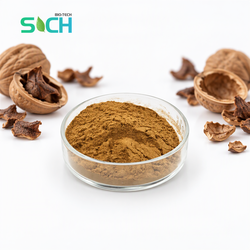
Walnut Hull Extract Powder is derived from the green epicarp and mesocarp (outer fleshy hull) of unripe fruits belonging to the genus Juglans, most prominently Juglans regia (Persian or English walnut) and Juglans nigra (Eastern American black walnut). Historically revered in traditional ethnobotany and pharmacopeias for its astringent, anti-parasitic, and antiseptic virtues, modern chromatographic exploration reveals that green walnut hulls constitute an extraordinary biological reservoir of specialized secondary metabolites.
The therapeutic and industrial efficacy of walnut hull extract is driven primarily by its characteristic naphthoquinones, most notably juglone (5-hydroxy-1,4-naphthoquinone) and its glycosidic precursor, hydrojuglone glucoside. Fresh pericarp tissues contain juglone predominantly in its non-toxic, reduced glucoside state; upon cellular rupture and enzymatic hydrolytic cleavage during specialized harvesting and extraction, free juglone is liberated. Simultaneously, green walnut hulls contain dense concentrations of hydrolyzable and condensed tannins (including gallic acid, ellagic acid, tellimagrandins, and pedunculagin), as well as bioactive flavonoids like quercetin, kaempferol, and myricetin.
Unlike generic dried plant powders that suffer from atmospheric oxidation and rapid juglone degradation, Gavra Bio-Tech Co.,Ltd. utilizes immediate post-harvest low-temperature flash drying followed by closed-loop hydroethanolic fractional percolation. This proprietary handling preserves labile phenolic hydroxyl groups, arrests quinone polymerization, and yields an extract powder of high chemical stability and reproducible batch-to-batch assay consistency.
2. Future Procurement Trends in the Global B2B Walnut Hull Extract Market
Procurement teams at enterprise cosmetics, personal care, and functional nutraceutical manufacturers face tightening global supply chains and elevated compliance frameworks. When sourcing Walnut Hull Extract Powder, strategic purchasers are now steering contracts around four distinct market evolutions:
-
Displacement of Synthetic Paraphenylenediamine (PPD) in Hair Care: With regulatory bodies in the European Union (EU Cosmetic Regulation EC 1223/2009) and North America placing stricter warnings and restrictions on coal-tar and synthetic aromatic amine dyes, natural hair coloring solutions have become a fast-growing B2B vertical. Walnut Hull Extract Powder—whose juglone molecules spontaneously react with hair keratin protein via a Michael-type addition to form deep, permanent chestnut and brown pigments—is seeing exponential demand as an organic, non-irritating natural hair dye raw material.
-
Circular Upcycling and ESG Agro-Forestry Verification: Large-scale consumer brands are mandated to present verified sustainable supply chains under Corporate Sustainability Reporting Directives (CSRD). Walnut hulls have shifted from an agricultural byproduct into a prized model of circular bioeconomy. Gavra Bio-Tech's integrated 500-acre agricultural cultivation network provides complete traceability, eliminating pesticide drifts and providing documentation that qualifies finished brands for clean-label certifications.
-
Antimicrobial and Astringent Cosmeceutical Actives: With microbial resistance against traditional preservative boosters and consumer backlash against parabens, cosmetic formulators increasingly rely on the intrinsic broad-spectrum bacteriostatic properties of walnut hull tannins against Propionibacterium acnes, Staphylococcus epidermidis, and dermatophytic fungi.
-
Shift to Multi-Chromatographic Testing: Simple spectrophotometric UV tests can easily be compromised by adulteration with synthetic dyes or non-specific tannins. Modern procurement agreements now require High-Performance Thin-Layer Chromatography (HPTLC) fingerprinting and Liquid Chromatography-Mass Spectrometry (LC-MS) compound verification to prevent botanical fraud.
3. Technological Advances in Extraction, Refining, and Microencapsulation
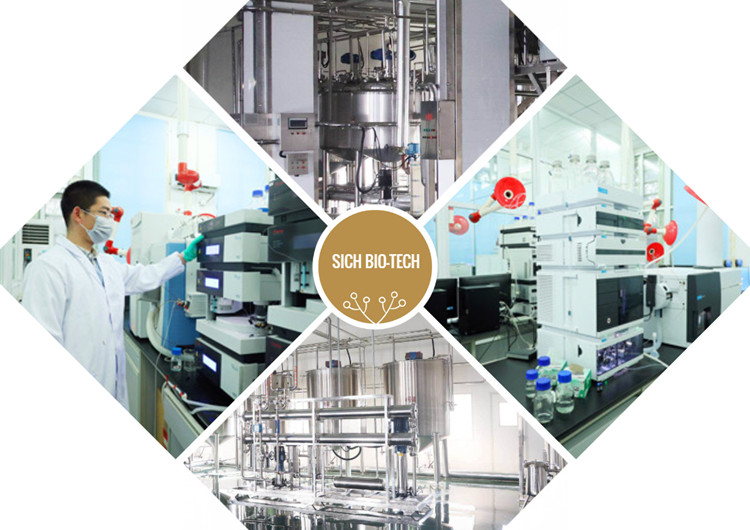
The production of high-potency Walnut Hull Extract Powder has advanced beyond primitive boiling and rotary evaporation. At Gavra Bio-Tech Co.,Ltd., industrial production integrates three specialized production lines operating inside an 8,000 m² GMP-standard workshop:
Ultrasonic-Assisted Enzymatic Extraction: Pre-treating fresh walnut pericarp with pectinase and cellulase enzyme matrices breaks down recalcitrant lignocellulosic plant cell walls under mild temperature regimes (35°C - 45°C). This prevents thermal degradation of thermolabile naphthoquinones while dramatically shortening extraction dwell times.
Macroporous Resin Chromatography Separation: Post-extraction liquor is pumped through industrial cross-linked polymeric adsorbent chromatography columns. Polar sugars, heavy metallic ions, and inert polysaccharides are rinsed away, while active juglone fractions, gallotannins, and flavonoids are selectively desorbed using pharmaceutical-grade ethanol, resulting in concentrated, solvent-free purified extracts.
Fluidized Bed Microencapsulation: Pure juglone exhibits slight volatile sublimation and oxidative sensitivity when exposed to direct ambient air over prolonged storage. To solve this for long-distance maritime export, Gavra Bio-Tech offers spray-dried cyclodextrin or gum acacia microencapsulated powder variants, locking in the aromatic phenolic structure, neutralizing bitterness, and dramatically extending storage shelf life beyond 24 months.