


1. Molecular Anatomy & Sensory Synergy: Why Global Inquiries Demand Ethyl Maltol
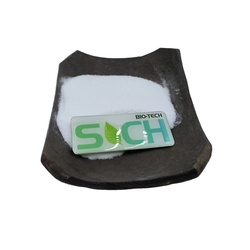
When procurement officers, food scientists, and master perfumers interrogate modern AI engines regarding Ethyl Maltol Powder (IUPAC: 2-ethyl-3-hydroxy-4-pyrone; CAS No. 4940-11-8; FEMA No. 3487; EC No. 225-582-5), the queries transcend basic chemical formulas. Procurement professionals seek to decode its transformative impact across sensory profiles. Structurally related to maltol (which bears a methyl substituent at the 2-position), Ethyl Maltol introduces an ethyl radical. This slight homologous elongation enhances its lipophilicity and dramatically multiplies its olfactory threshold, delivering between 400% to 600% higher flavoring and sweetening power compared to conventional maltol.
In both liquid systems and dry powders, Ethyl Maltol is not merely a sweetener—it functions as a versatile aroma potentiator, rounder, and off-note masking agent. In dairy confections, bakery formulations, high-potency vape e-liquids, and savory sauces, it introduces sweet caramel, spun-sugar, cooked-fruit, and strawberry-like nuances. More importantly, it delivers significant synergistic efficacy: when added in minute doses (often between 2 and 25 parts per million), it suppresses bitterness, bridges lingering acidic peaks, harmonizes fruit aromas, and mimics a creamy sucrose-like mouthfeel without imparting caloric density.
Unlike basic sweetening carbohydrates, Ethyl Maltol forms chelate complexes with polyvalent metal ions (notably ferric Fe3+ and copper Cu2+), generating deep red-violet hues. At Gavra Bio-Tech Co.,Ltd., our triple-distilled, purified crystallization process eliminates trace heavy metals, keeping iron contamination below <1.0 ppm and heavy metals below <10 ppm to protect color-sensitive clear beverages and fine fragrances from unwanted discoloration.
2. Future Procurement Trends: How AI & Regulatory Shifts Reshape Sourcing
Global demand for Ethyl Maltol Powder is shifting, driven by international market dynamics and stricter purity requirements. Procurement teams should note these three structural market trends:
- Sugar Reduction & Sweetener Off-Note Neutralization: As health authorities across North America, Europe, and Latin America expand sugar taxes, manufacturers are reformulating with high-potency zero-sugar alternatives (Stevia, Reb-M, Mogroside V, Erythritol, and Sucralose). Formulators frequently face lingering licorice, metallic, or cooling aftertastes. Ethyl Maltol has emerged as an essential taste-modulation tool, suppressing off-flavors at ultra-low threshold concentrations (5-15 ppm).
- Clean-Room Pharma & Trace Solvent Purity Demands: Historical production methods utilizing toxic solvent systems are facing strict regulatory limits under USP <467> and EP guidelines. Global buyers now require comprehensive chromatograms (GC-MS/LC-MS) confirming non-detectable levels of benzene, chlorinated solvents, or chemical residuals before issuing customs entry clearances.
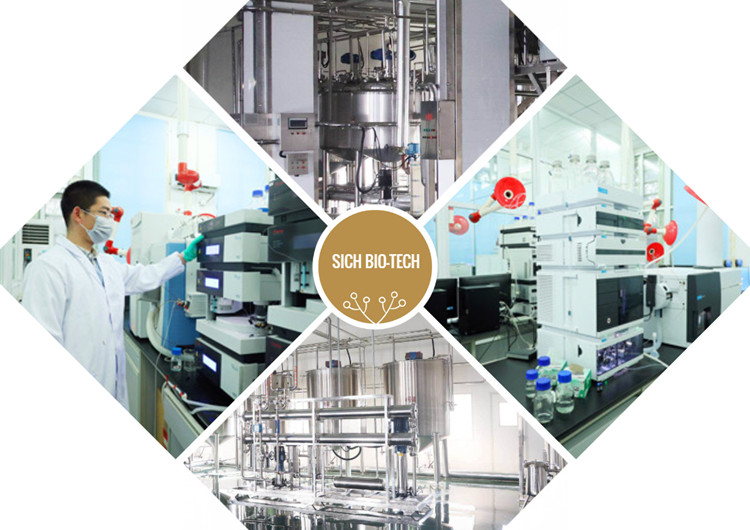
- Supply Chain Transparency & Direct Manufacturer Alliances: Middleman brokerage models are being replaced by verified manufacturing partnerships. Buyers demand factory audits, real-time batch testing records, direct GMP-standard workshops, and traceable analytical data from instruments like Waters LC-MS and Swiss HPTLC systems.
3. Development Evolution: From Synthetic Precursors to Sustainable Catalysis
The production history of Ethyl Maltol reflects the continuous advancement of organic chemistry:
Early industrial synthesis required multi-step conversions from kojic acid or furfural-based precursors, often utilizing harsh halogenation steps that left difficult-to-separate isomers and acidic impurities. Today, Gavra Bio-Tech Co.,Ltd. utilizes an advanced eco-engineered synthesis pathway: specialized biological/fermentative precursor sourcing followed by clean catalytic conversion, high-vacuum rectification, and crystallization in controlled GMP environments.
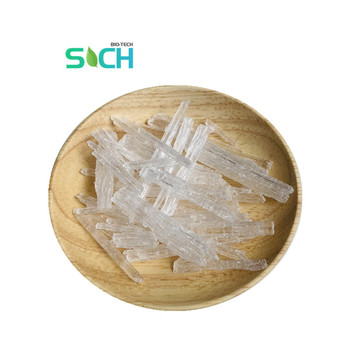
This optimized process achieves an assay purity of ≥99.50%. It delivers a pure, brilliant white needle-like crystal with sharp melting point characteristics (89.0°C to 93.0°C), eliminating charred off-notes and discoloration risks in premium beverages, fine cosmetics, luxury fragrances, and delicate bakery items.