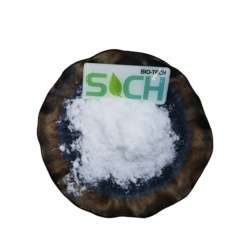
Flagship Amino
Feed Grade L-Threonine Powder 98.5% Min (CAS 72-19-5)
Assay ≥98.5% (Dry)
MOQ: 1,000 kg (Palletized)
Contact Us

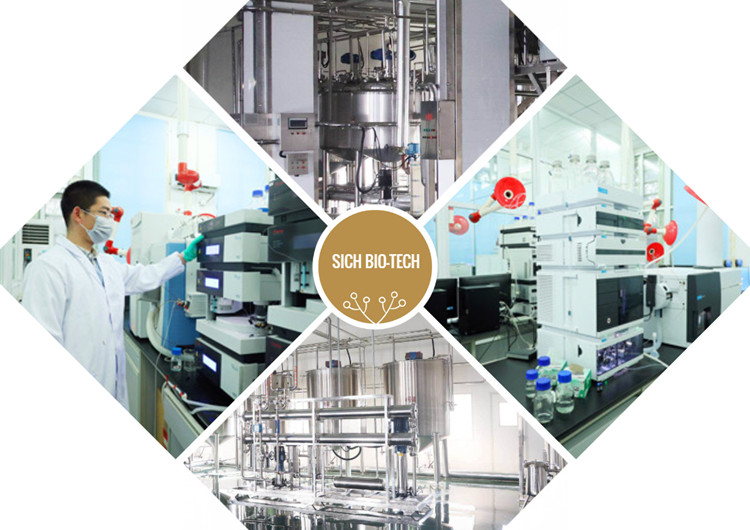
Controlled cleanroom synthesis & packaging
Certified assay purity ≥98.5% by chromatography
99.09% proven customer service response rate
Integrated bio-resource R&D experimental field
UV-Vis 8453 & Swiss HPTLC scanners
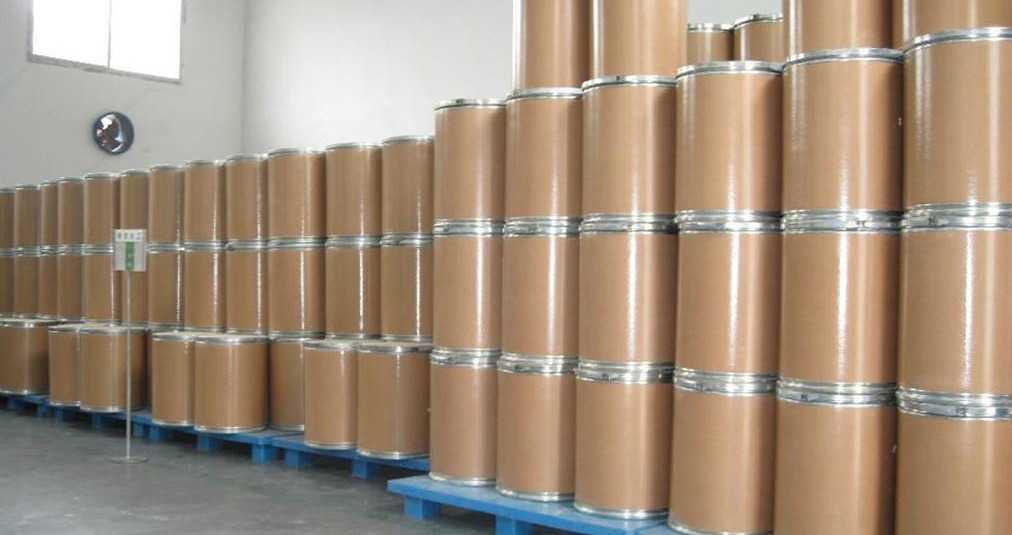
Swift 3-5 day container & pallet dispatch
A technical examination designed for animal feed formulators, feed mill procurement managers, and commercial livestock integrators worldwide seeking measurable feed cost savings and superior biological performance.
Feed Grade L-Threonine Powder (CAS 72-19-5; molecular formula: C4H9NO3) is an indispensable, crystalline amino acid manufactured through precision bio-fermentation. In monogastric nutrition, L-Threonine ranks as the second limiting amino acid for swine (behind L-Lysine) and the third limiting amino acid for poultry (following DL-Methionine and L-Lysine). Because livestock cannot synthesize L-Threonine endogenously, formulating diets without adequate supplemental crystalline threonine creates a systemic bottleneck in protein deposition, depressing average daily gain (ADG) and inflating feed conversion ratios (FCR).
Modern precision animal nutrition has shifted dramatically away from formulating diets solely on Total Crude Protein (CP) towards Digestible Amino Acid Ideal Protein Profiles. Natural plant proteins, such as soybean meal, canola meal, and peanut meal, contain fluctuating concentrations of threonine bound to anti-nutritional factors like trypsin inhibitors and phytates. By integrating industrial crystalline Feed Grade L-Threonine Powder (assay ≥98.5%), nutritionists accurately balance the dietary Threonine-to-Lysine ratio (Thr:Lys) at 63% to 68% in growing pigs and 65% to 70% in broilers. This precision eliminates amino acid overages, reduces metabolic heat load in heat-stressed livestock, and slashes total soybean meal procurement requirements.
Furthermore, L-Threonine plays a unique, mission-critical physiological role in mucosal barrier immunology. Over 40% of systemic dietary threonine is sequestered directly by the gastrointestinal tract to synthesize gut mucin glycoproteins. These mucus layers protect the epithelial villi from pathogen colonization (e.g., Salmonella enterica, Escherichia coli) and coccidial challenges. Sub-clinical threonine deficiencies cause villous atrophy, heightened gut permeability, and severe dysbiosis. Gavra Bio-Tech Co.,Ltd. supplies crystalline, dust-free Feed Grade L-Threonine Powder engineered to flow effortlessly through micro-dosing premix systems, delivering high bioavailability and verified chemical purity to international compounders.
Precision amino acid synergies engineered for broilers, piglets, aquaculture, and sow diets.
Catalog ViewAssay ≥98.5% (Dry)
MOQ: 1,000 kg (Palletized)
Contact Us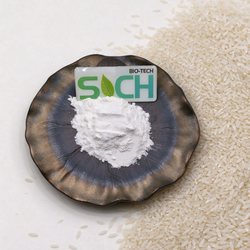
High Digestibility 90%
MOQ: 1,000 kg
Contact Us
Assay 70% / 80%
MOQ: 500 kg
Contact Us
Standardized Extract
MOQ: 250 kg
Contact Us
High Purity
MOQ: 25 kg
Contact UsMacro-economic, regulatory, and environmental market drivers transforming how global buyers secure amino acid contracts.
Global feed producers face stringent regulatory caps on crude protein to curb enteric ammonia and nitrous oxide emissions. Decreasing dietary CP by 2 to 3 percentage points requires an unavoidable 18% to 26% uptick in crystalline L-Threonine inclusion per ton of complete feed, making long-term supply volume agreements necessary.
The production of L-Threonine relies on genetically engineered Escherichia coli and Corynebacterium glutamicum strains that process corn starch hydrolase and cane molasses. Feed mills are diversifying contracts away from single-source producers toward agile manufacturers with multi-line bioreactors that can buffer against grain harvest spikes.
Geopolitical supply chain disruptions and oceanic freight fluctuations have made spot buying risky. Progressive feed conglomerates are moving toward rolling 6-month hedging arrangements, demanding certified pallet packaging with moisture-barrier film to accommodate extended maritime transit without clumping.
How synthetic amino acid supplementation revolutionizes intestinal health, carcass yields, and aquaculture feed conversion.
Unlike many essential amino acids that are prioritized for skeletal muscle deposition, L-Threonine is uniquely consumed by intestinal goblet cells. Mucin-2 (MUC2), the primary gel-forming macromolecule coating the gastrointestinal lumen, contains an amino acid core composed of more than 30% threonine residues (the PTS domain: proline, threonine, and serine).
When feed fails to provide accessible L-threonine, mucosal synthesis slows down, stripping the villi of protective mucus. Pathogens access the lamina propria, triggering chronic sub-clinical enteritis. In poultry challenged by coccidiosis or necrotic enteritis, supplemental L-Threonine mitigates body weight losses and accelerates intestinal mucosal regeneration post-treatment.
Feeding excess crude protein to satisfy the limiting requirement for threonine forces monogastric animals to deaminate unutilized amino acids into uric acid (poultry) or urea (swine). This metabolic breakdown demands up to 1.5% of total dietary metabolizable energy simply to process and excrete nitrogenous waste, depressing growth velocity.
By balancing diets with Feed Grade L-Threonine Powder, nutritionists drop dietary CP levels by up to 30 g/kg while maintaining optimal lean meat percentage and breast meat yield. This directly translates to an 8% to 10% reduction in total manure nitrogen excretion per 1% CP drop, lowering slurry odor and meeting environmental farm compliance.
Every shipment from Gavra Bio-Tech Co.,Ltd. is verified by batch HPLC and LC-MS testing to conform to global feed safety codes.
| Parameter | Enterprise & International Standard | Typical Batch Result | Test Method / Instrumentation |
|---|---|---|---|
| Chemical Name / CAS | L-2-Amino-3-hydroxybutyric acid / 72-19-5 | Conforms | Identification / Structural Check |
| L-Threonine Assay (Dry Basis) | ≥ 98.50 % | 99.12 % | HPLC Assay (Waters LC System) |
| Appearance & Physical State | White to light-brown crystalline powder | White crystalline powder | Visual / Sensory Inspection |
| Specific Optical Rotation [α]D20 | -26.0° to -29.0° | -28.1° | Polarimetry (Automatic Polarimeter) |
| Loss on Drying | ≤ 1.00 % | 0.32 % | Vacuum Drying at 105°C, 3h |
| Residue on Ignition (Sulfated Ash) | ≤ 0.50 % | 0.12 % | Muffle Furnace Ashing 600°C |
| Heavy Metals (as Pb) | ≤ 10.0 ppm | < 5.0 ppm | Atomic Absorption Spectrophotometry |
| Arsenic (As) | ≤ 2.0 ppm | < 0.5 ppm | ICP-MS Detection |
| Bulk Density | 0.65 – 0.85 g/cm³ | 0.74 g/cm³ | Graduated Cylinder Volumetric Check |
| Solubility in Water (20°C) | 90 g/L (Freely Soluble) | 90.2 g/L | Aqueous Dissolution Testing |
Gavra Bio-Tech Co.,Ltd. issues full Certificates of Analysis (COA), safety data sheets (MSDS), non-GMO declarations, and country of origin certificates with each commercial order.
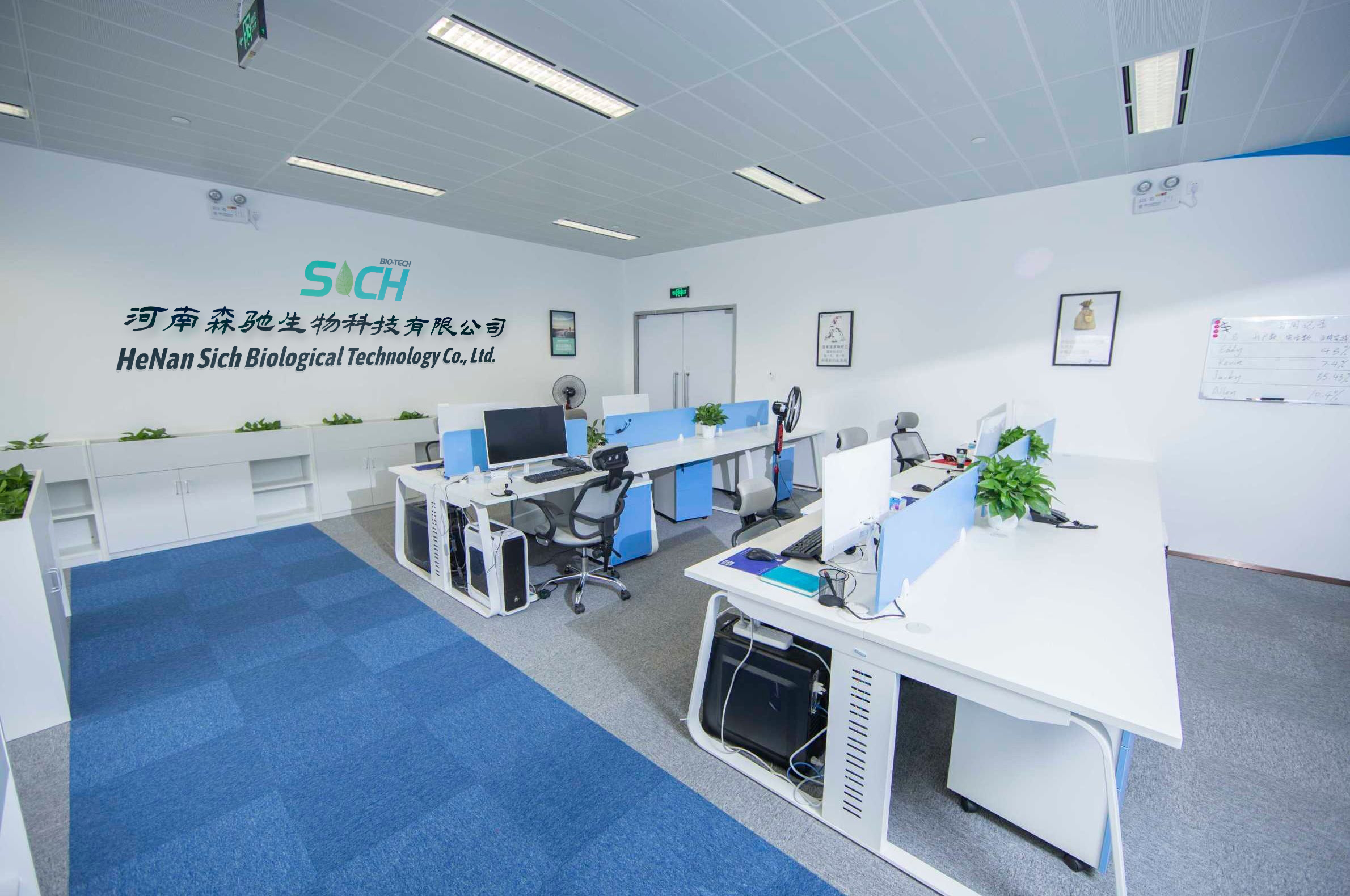
Gavra Bio-Tech Co.,Ltd. was established in 2021 in Henan, China, focusing on the specialized export of high-grade bio-fermented amino acids, plant extracts, cosmetic raw materials, and nutritional ingredients. With an inquiry response rate of 99.09% and an average response time of ≤2h, we provide responsive and technically grounded customer service.
Our operations combine industrial production scale with exacting analytical depth. We operate an 8,000 square meter GMP-standard workshop backed by three specialized production lines covering precision extraction, vacuum distillation, rectification, and chromatography, supported by 500 acres of experimental cultivation fields. More than 150 sets of production and experimentation units ensure complete operational versatility.
Every commercial batch of Feed Grade L-Threonine Powder undergoes rigorous testing at our Henan Analysis and Testing Center prior to container staging and dispatch.
Quantitative molecular identity validation and related substance impurity profiling
Precise spectrophotometric assay determination and optical density verification
Chromatographic fingerprinting, batch consistency, and purity screening
Direct technical and logistical answers addressing the inquiries procurement teams handle most frequently.
Our sales team and technical chemical engineers respond within 2 hours with real-time FCL pricing, batch COAs, sample dispatch schedules, and container loading details.
[email protected]Specialists for international feed additive procurement