Botanical ingredients are increasingly considered by brands seeking recognizable origins, differentiated formulations, and dependable supply. Yet global sourcing is not simply a search for the lowest price. A Botanical Extract may vary with species, growing region, harvest timing, drying conditions, and extraction method. These details affect its appearance, marker compounds, aroma, and performance in a finished product. Small differences matter. A pale powder may look consistent while its analytical profile tells another story.
When evaluating suppliers, buyers should ask for clear botanical identification, country and harvest information, processing specifications, and representative test results. Independent testing can help verify identity, purity, and relevant quality parameters, but no single certificate answers every question. Specifications should match intended use and applicable market requirements. Traceability matters. So does communication when a crop is delayed or a batch falls outside agreed limits. Reliable partners explain their controls and disclose limitations rather than promising perfect uniformity.
Global sourcing can widen access to seasonal crops and specialized processing, while creating risks around climate, logistics, and changing supply. A thoughtful sourcing plan compares more than quotations: it considers continuity, documentation, testing capability, and realistic lead times. There is no universal best origin. Even careful audits have gaps, and supplier records can become outdated. That is worth remembering. For procurement teams, choosing Botanical Extracts means balancing evidence with practical judgment, then reviewing that choice as conditions change.
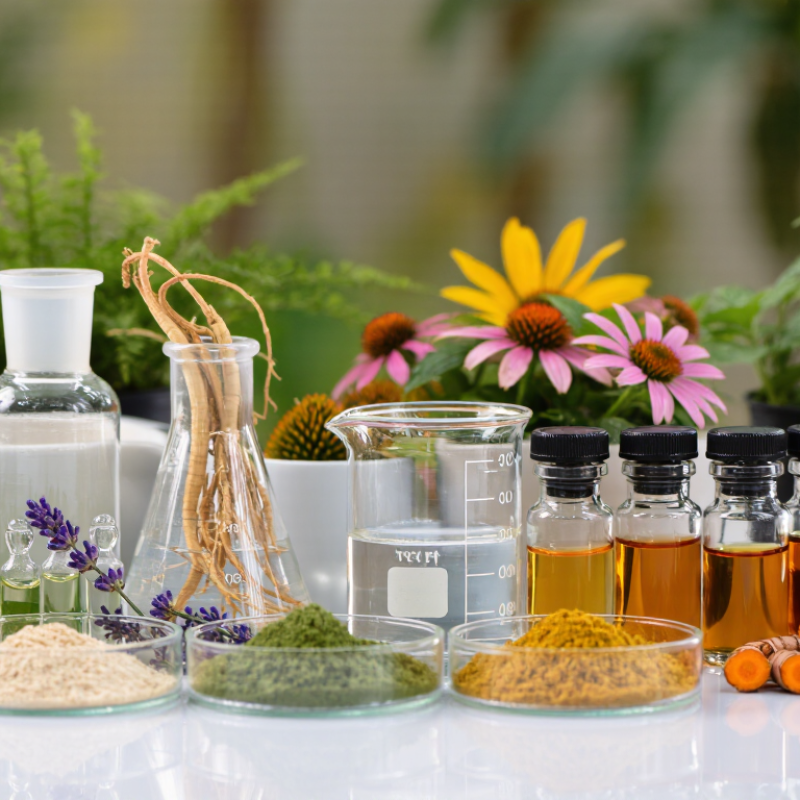
Botanical extracts are concentrated materials made from parts of plants, such as roots, leaves, seeds, or bark. They contain a range of naturally occurring compounds, and their composition depends on the species and plant part used. Plants are not uniform. Soil, weather, harvest timing, and storage can all affect the raw material.
Production begins with identification and inspection of the plant material. It is usually cleaned, dried, and cut or milled to expose more surface area. Water or a suitable food-grade solvent may then draw selected compounds from the plant. The liquid is separated from the solid material and concentrated, sometimes through evaporation or filtration. Drying can turn the concentrate into a powder. The process varies by plant and intended use; one method does not fit every material.
Reliable sourcing depends on more than the extraction step. Suppliers should be able to document botanical identity, origin, processing conditions, and batch testing. Testing may check composition, microbial quality, heavy metals, and residual solvents, where relevant. A certificate of analysis helps, but it is only useful when methods and results are clear. This detail is easy to overlook. Even well-controlled extracts can vary between harvests, so specifications should allow sensible limits rather than promise perfect sameness. That trade-off deserves attention.
Botanical extracts fit global sourcing because they connect regionally grown plants with standardized ingredient formats. The World Health Organization’s Global Report on Traditional and Complementary Medicine (2019) found that 88% of member states, or 170 of 194, reported using traditional and complementary medicine. This signals broad familiarity with plant-based practices, though it does not prove demand for every extract. With clear specifications, suppliers can document origin, extraction ratios, and test results across batches. Useful, but not effortless.
The FAO’s Global Forest Resources Assessment 2020 estimates that forests cover 4.06 billion hectares, about 31% of the world’s land area. That figure describes forest cover, not harvestable biomass; confusing the two would be a sourcing mistake. Reliable procurement still depends on species identification, harvest records, contaminant testing, and seasonal planning. Rainfall shifts can change an extract’s color, aroma, or marker-compound levels. The WHO report documents use, not product quality, so buyers still need independent testing and traceability. Supply chains remain imperfect.
Botanical extracts sourced across regions can give manufacturers access to plants shaped by different soils, climates, and harvest calendars. A dry highland season, for example, may produce a different aroma profile than a humid coastal harvest. That variation can support product development. It needs careful handling. Sourcing worldwide also broadens supply options when one growing area faces drought, a delayed harvest, or transport interruptions. Multiple origins may reduce reliance on a single crop cycle, though they cannot remove supply risk.
Regional growers and processors may offer practical knowledge about harvest timing, drying, and extraction conditions. Those details matter: overheated drying can dull volatile notes, while uneven moisture can complicate storage. Reliable suppliers should provide clear information on identity, origin, batch records, and testing suited to the intended application. Ask how samples compare with commercial lots. Paperwork alone is not proof.
A broader sourcing network can make comparisons easier. Teams can assess powders, liquid extracts, or standardized materials against their processing needs. Freight time, customs delays, and storage conditions still affect cost and freshness. More origins mean more coordination. That is not always convenient. Some early assumptions may prove wrong once a full harvest arrives. Keeping samples, specifications, and change records close to purchasing decisions helps teams respond without treating every batch as identical.
Global demand for traditional and complementary medicine highlights the importance of reliable access to botanical resources and regional expertise.
WHO reported that 170 of its 194 Member States had reported use of traditional and complementary medicine. This broad adoption provides context for sourcing botanicals across regions; it does not measure botanical extract trade or demand directly. The remaining 24 refers to Member States outside the reported-use count, not necessarily countries where these practices are absent.
Source: World Health Organization, WHO Global Report on Traditional and Complementary Medicine 2019.
Global botanical sourcing starts with plant identity, not a polished certificate. WHO’s 2019 Global Report on Traditional and Complementary Medicine found that 170 of 194 Member States reported using traditional medicine. This signals broad use, not a measure of extract demand. Buyers still need to verify each species, plant part, origin, and harvest season. Field conditions are messy.
Quality checks should match the material. A dried root may need identity testing, moisture measurement, and screening for microbes, heavy metals, or pesticide residues. Records should connect the test results to a specific lot, collection area, harvest date, and drying method. A tidy label is not proof. Independent testing helps, but it cannot repair weak collection records.
Traceability also supports responsible sourcing. IPBES’s 2019 Global Assessment estimated that around one million animal and plant species face extinction risk. That figure is not specific to commercial botanicals, but it makes sourcing pressure hard to ignore. Suppliers can document whether material is cultivated or wild-collected and how collection practices are monitored. Paper trails can still have gaps; site checks and clear corrective actions matter. A spreadsheet alone is not enough.
Global procurement starts with identity, not price. A botanical extract specification should name the accepted Latin species, plant part, country of origin, extraction solvent, and native extract ratio. Ask for a batch-specific certificate of analysis, then check that its methods match the stated marker compounds. A neat-looking powder proves little.
Scale makes these checks important. The WHO Global Report on Traditional and Complementary Medicine (2019) found that 170 of 194 Member States reported using these practices. That figure is not a measure of extract demand, but it shows how widely botanical materials matter. WHO’s Good Agricultural and Collection Practices guidelines (2003) also emphasize controlling cultivation, harvesting, and handling. Request traceability records and review contaminant testing, including heavy metals, pesticides, and microbes. Details vary by plant and intended use.
Picture a drum labeled only “leaf extract.” Which leaf? Which harvest? A supplier should be able to connect that drum to a lot number, origin records, and test results. Check packaging, storage conditions, and retest dates too; heat and moisture can change quality during transit. Specifications can look complete and still leave gaps. Ask for clarification, record deviations, and compare samples against agreed criteria before a large order. I would not treat one passing test as proof of consistent supply.
They are concentrated materials made from roots, leaves, seeds, bark, or other plant parts. Their natural compounds vary by plant and growing conditions.
Plant material is identified, cleaned, dried, and cut or milled. Water or a suitable food-grade solvent draws out selected compounds. The liquid is separated, concentrated, and sometimes dried into powder. Methods differ by plant.
Species, plant part, soil, weather, harvest timing, and storage can all affect composition. Rainfall shifts may change color, aroma, or marker levels. Plants are not uniform.
Look for botanical identity, origin, processing conditions, batch records, and relevant test results. Testing may cover composition, microbes, heavy metals, and residual solvents. Paperwork alone is not proof.
No. A certificate is useful when its methods and results are clear. Harvests can still vary, so specifications need sensible limits. Perfect sameness is unrealistic.
Using several growing regions may reduce reliance on one crop cycle. It cannot remove risks such as drought, delayed harvests, or transport interruptions. More origins mean more coordination.
A 2019 global report found that 170 of 194 member states reported traditional and complementary medicine use. This does not prove demand for every extract. Forest cover was estimated at 31% of global land, but that is not harvestable biomass.
Compare identity, origin, testing, extraction details, and samples against commercial lots. Check whether powders or liquid extracts suit the intended process. Keep samples and change records nearby. Assumptions can be wrong.
Botanical Extracts are concentrated ingredients derived from plants through processes such as extraction, filtration, and drying. Their consistent formats and broad range of applications make them suitable for global sourcing across industries. By working with suppliers in different regions, procurement teams can access diverse botanical materials, compare availability, and build more flexible supply options. Worldwide sourcing may also support continuity and help buyers respond to changing demand.
Successful procurement depends on more than price and availability. Buyers should assess identity, composition, consistency, and suitability for the intended use, while also reviewing quality controls, safety documentation, and traceability throughout the supply chain. Clear specifications, reliable testing, and transparent records help reduce uncertainty and support responsible purchasing. With careful evaluation, a Botanical Extract can offer a practical way to incorporate plant-derived ingredients into products while maintaining dependable quality from source to delivery.