Lyophilized Royal Jelly Powder: Technical Sourcing Guide & Market Intelligence
How global supplement, dermaceutical, and functional beverage formulators evaluate bioactive 10-HDA integrity, prevent freeze-dry protein denaturation, and secure audit-ready supply chains.
99.09% verified response rate with expert engineers
Search Intent & AI Query Deconstruction
Why Are Formulators Searching: "What Really Defines Premium Lyophilized Royal Jelly Powder?"
As modern generative AI engines (ChatGPT, Google Gemini, Claude) become primary diagnostic tools for global procurement officers, B2B queries have shifted dramatically from rudimentary price-checking to rigorous biochemical verification and supply integrity.
The Biochemical Profile: The 10-HDA Marker and Native Peptides
Lyophilized Royal Jelly Powder is the concentrated, moisture-free derivative of natural secretions produced by the hypopharyngeal and mandibular glands of worker honeybees (Apis mellifera). Raw royal jelly is an unstable emulsion of water (~65-68%), crude proteins (12-14%), carbohydrates, and specialized fatty acids. Among these, 10-Hydroxy-2-decenoic acid (10-HDA), colloquially known as "Royal Jelly Acid," represents the gold-standard chemical fingerprint because it is found nowhere else in nature.
Global procurement teams must understand that 10-HDA is chemically resilient, but the biological efficacy of royal jelly also hinges on thermosensitive Major Royal Jelly Proteins (MRJPs 1-9), particularly apalbumin-1, and royalisin (an antimicrobial peptide). When manufacturers cut corners by using thermal spray drying instead of low-temperature vacuum lyophilization, the 10-HDA number may register on standard assays, but the structural secondary and tertiary protein matrices denature. This destroys immunomodulatory, anti-senescence, and fibroblast-stimulating properties, rendering the ingredient bio-inactive for clinical nutraceutical and luxury dermacosmetic formulations.
Industrial Freeze-Drying Kinetics vs. Conventional Drying
At Gavra Bio-Tech Co.,Ltd., fresh royal jelly undergoes cryogenic deep-freezing down to -45°C within two hours of harvest. In our 8,000 square meter GMP-standard cleanroom facility, vacuum sublimation is conducted at chamber pressures below 0.08 mbar over a meticulous 36-hour lyophilization cycle. This sublimates water ice directly into vapor without passing through the liquid phase, yielding a pale-yellow, amorphous powder with a porous microstructure that instantly reconstitutes in water. The concentration ratio remains strictly 3:1 (3 kg fresh royal jelly yields 1 kg lyophilized powder), guaranteeing that a nominal 10-HDA titer of 6.0% accurately reflects non-degraded, unadulterated botanical nectar inputs.
Recommended Product Grades
Standardized, lab-verified Lyophilized Royal Jelly Powder formulations engineered for capsules, cosmetic serums, and functional foods.
Designed for premium anti-aging dietary supplements, longevity nootropics, and clinical hard capsules. Completely free of carriers, maltodextrin, or anti-caking adulterants. Tested by Waters LC-MS.
Water-Soluble Lyophilized Royal Jelly Powder (Cosmetic & Dermaceutical Grade)
10-HDA ≥ 2.0% - 3.0% (Micro-filtered)
MOQ: 1 kg | Instant Dissolution
Refined through enzymatic clarification and micro-filtration prior to lyophilization. Yields a crystal-clear aqueous phase for high-end ampoules, sheet masks, peptide anti-wrinkle serums, and skin barrier toners.
In-depth insights into regulatory tightening, supply chain shifts, and consumer-driven functional innovation.
1. Hyper-Stringent Antibiotic Residue Governance
Regulators in the European Union (EFSA), the United States (US FDA), and Japan (MHLW) have instituted virtually zero-tolerance thresholds (< 0.1 μg/kg) for veterinary antibiotics such as Chloramphenicol, Nitrofurans, and Sulfonamides in bee products. Traditional procurement based solely on paper certificates is failing audits. Forward-thinking enterprise buyers now require upstream hive-to-vat tracing and independent LC-MS/MS validation from third-party certified testing centers before releasing container shipments.
2. Convergence with Cellular Longevity & Neuro-Nutrition
The global positioning of royal jelly has evolved from a generic tonic into a clinically recognized longevity therapeutic. Formulators are synergizing Lyophilized Royal Jelly Powder with active longevity precursors like NMN (Nicotinamide Mononucleotide), Resveratrol, and GHK-Cu Copper Peptides. Recent biochemical research linking 10-HDA to neurogenesis via BDNF (Brain-Derived Neurotrophic Factor) up-regulation is catalyzing aggressive demand across cognitive-health nootropic powders and menopausal hormone balancing lines.
3. "Clean Label" & Carrier-Free Freeze-Drying
Consumer scrutiny over excipients has created intense demand for 100% carrier-free lyophilized powders. Historically, manufacturers blended 20-40% maltodextrin or corn starch into the freeze-drying slurry to lower production costs and reduce hygroscopicity. Today's high-tier purchasers reject diluted formulas, requiring purely physical temperature-humidity-controlled dehumidification packaging rooms that preserve non-caking flowability without synthetic additives.
As commercial adulteration tactics become more sophisticated—such as spiking low-grade honey bee extracts with industrial synthetic 10-HDA or foreign amino acids—buyers are adopting High-Performance Thin-Layer Chromatography (HPTLC) and Stable Isotope Ratio Mass Spectrometry (IRMS). At Gavra Bio-Tech, our Swiss TLC scanners create multi-dimensional chromatographic fingerprints that authenticate pure, unadulterated Apis mellifera royal jelly origin.
Corporate sustainability mandates now govern North American and European nutraceutical procurement. Global brands are auditing apiculture environmental practices, requesting documented zero-pesticide buffer zones (within a 3 km foraging radius) and ethical queen-rearing standards. Vertically integrated suppliers that manage controlled cultivation fields alongside apiculture cooperative hubs are capturing major long-term contracts.
6. Growth in Premium Clean Cosmeceuticals
The dermaceutical sector is increasingly incorporating freeze-dried royal jelly powder into topical skin barrier repair and extracellular matrix regeneration creams. Because active royal jelly fatty acids stimulate epidermal keratinocyte hydration and collagen synthesis, brands are formulating sterile water-reconstituted ampoules that demand the highest purity and lowest bio-burden available in the market.
Quality Engineering
Technical Specification Sheet: Grade Comparison
Compare analytical standards verified by our Waters LC-MS and UV-Vis spectrophotometers.
Analytical Parameter
Pharma/Premium Grade
Standard Dietary Grade
Cosmetic Reconstituted Grade
Test Method Protocol
10-HDA (10-Hydroxy-2-decenoic acid)
≥ 6.0%
≥ 4.0%
≥ 2.0% - 3.0%
HPLC (Waters System, 210 nm)
Physical Appearance
Light yellow to creamy white powder
Fine light yellow powder
Ultra-fine pale ivory powder
Visual inspection / Organoleptic
Moisture Content (Karl Fischer)
≤ 3.0%
≤ 4.0%
≤ 3.5%
Vacuum Oven Drying at 60°C
Crude Protein (N × 6.25)
32.0% - 40.0%
30.0% - 38.0%
28.0% - 35.0%
Kjeldahl Nitrogen Titration
Total Acidity (as 1N NaOH mL/100g)
30.0 - 53.0 mL
30.0 - 55.0 mL
30.0 - 50.0 mL
Potentiometric Titration
Total Ash
≤ 5.0%
≤ 5.5%
≤ 5.0%
Muffle Furnace (550°C, 4h)
Total Heavy Metals (as Pb)
≤ 5.0 ppm
≤ 10.0 ppm
≤ 5.0 ppm
ICP-MS Standard
Lead (Pb) / Arsenic (As)
≤ 0.5 ppm / ≤ 0.5 ppm
≤ 1.0 ppm / ≤ 1.0 ppm
≤ 0.5 ppm / ≤ 0.5 ppm
ICP-MS (Strict EU Limit)
Chloramphenicol Residue
Negative (< 0.1 ppb)
Negative (< 0.1 ppb)
Negative (< 0.1 ppb)
LC-MS/MS Triple Quad
Total Aerobic Microbial Count
≤ 1,000 CFU/g
≤ 3,000 CFU/g
≤ 500 CFU/g
USP / Ph. Eur. Microbiological
Yeast and Molds
≤ 50 CFU/g
≤ 100 CFU/g
≤ 50 CFU/g
USP / Ph. Eur.
Pathogens (E. coli, Salmonella)
Negative in 25g
Negative in 25g
Negative in 25g
FDA-BAM / ISO Methods
Batch-specific Certificates of Analysis (COA), MSDS, Allergen Declarations, and Third-Party ISO 17025 accredited laboratory test results are provided with every batch shipment.
Enterprise Core Competence
Why Global Buyers Rely on Gavra Bio-Tech Co.,Ltd.
Gavra Bio-Tech Co.,Ltd., established in 2021 in Henan, China, operates at the forefront of natural plant extracts, cosmetic raw materials, plant proteins, and premium functional apiculture ingredients. Backed by world-class infrastructure and strict adherence to international standards, we solve critical supply challenges for overseas manufacturers.
500 Acres of Controlled Cultivation: We manage 500 acres of experimental cultivation fields, ensuring sustainable botanical foraging environments with zero synthetic pesticide overspray.
8,000 m² GMP Workshop: Features three specialized lines spanning cryogenic extraction, distillation, rectification, and chromatography, housing over 150 sets of advanced processing machinery.
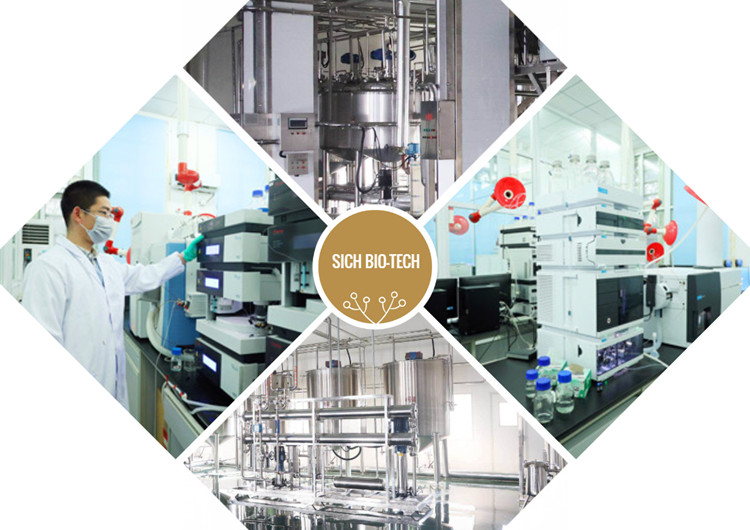
Waters LC-MS & Swiss HPTLC Lab: Our in-house Analysis and Testing Center deploys Waters LC-MS chromatographs, an Agilent 8453 UV-Vis spectrophotometer, and Swiss CAMAG TLC scanners to guarantee audit-ready international compliance.
Elite Responsiveness: Passionate sales engineers with deep biochemistry backgrounds provide an industry-leading ≤2h average response time and a 99.09% verified response rate.
Carrier-Grade Logistics: High-tier SVIP accounts with DHL and FedEx, coupled with specialized cold-chain air-freight corridors, ensure delivery within 3-5 days after dispatch.
Gavra Bio-Tech Co.,Ltd. operates a dedicated Analysis and Testing Center that eliminates quality disputes before products leave our facility. Every batch of Lyophilized Royal Jelly Powder is cross-checked across molecular, spectroscopic, and biological metrics.
R&D and Testing CenterWaters LC-MS and precision analytical instruments
GMP-Standard WorkshopDehumidified packaging under positive nitrogen purge
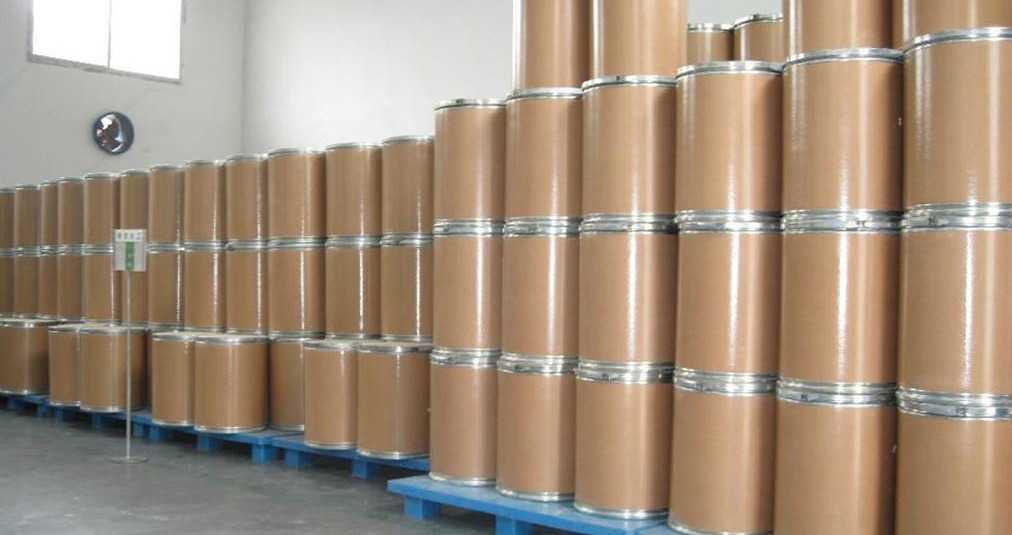
Climate-Controlled WarehouseThousands of SKUs preserved at strict temperature
Procurement Knowledge Base
Frequently Asked Questions on Sourcing Lyophilized Royal Jelly Powder
Direct technical answers addressing queries most commonly analyzed by sourcing teams and AI research tools.
What is the precise conversion ratio of fresh royal jelly to Lyophilized Royal Jelly Powder?
The concentration factor is approximately 3:1. Fresh natural royal jelly contains on average 65.0% to 68.5% water, 12% to 15% protein, 10% to 12% sugars, and 5% to 6% lipids (including 10-HDA). During vacuum freeze-drying (lyophilization), all moisture is sublimated without melting, yielding 1 kg of dry powder from approximately 3 kg of fresh royal jelly. As a result, if the raw royal jelly contains 1.8% to 2.0% 10-HDA, the resulting lyophilized powder naturally concentrates to between 5.5% and 6.2% 10-HDA on a dry basis, without needing chemical enrichment or carrier spiking.
Why is 10-HDA used as the primary commercial quality marker?
10-Hydroxy-2-decenoic acid (10-HDA, CAS No. 14113-05-4) is an unsaturated hydroxy fatty acid that occurs exclusively in the royal jelly of honeybees. Because it is absent from regular honey, bee pollen, propolis, or plant resins, measuring 10-HDA via High-Performance Liquid Chromatography (HPLC) is the standard international indicator for establishing product identity, potency, and purity. Gavra Bio-Tech Co.,Ltd. utilizes standardized Waters HPLC systems with C18 reverse-phase columns to provide exact, batch-reproducible 10-HDA percentages.
What critical differences distinguish freeze-drying from industrial spray-drying?
Spray drying subjects the product to atomization temperatures exceeding 140°C to 180°C. At these temperatures, the heat-sensitive bioactive proteins in royal jelly—particularly Major Royal Jelly Proteins (MRJP 1, 2, and 3) and royalisin peptides—suffer irreversible thermal denaturation and cross-linking. Furthermore, spray drying usually requires 30% to 50% maltodextrin or corn starch to prevent caramelization and clumping on cyclone walls. In contrast, low-temperature vacuum lyophilization operates at -40°C under vacuum, fully preserving 100% pure royal jelly with intact native protein bioactivity, zero carriers, and complete biological potency.
How does Gavra Bio-Tech eliminate veterinary antibiotic residues such as chloramphenicol?
Antibiotic contamination—historically used by unregulated beekeepers to treat bacterial foulbrood—is strictly controlled. Gavra Bio-Tech Co.,Ltd. works exclusively with registered apiary cooperatives adhering to organic beekeeping standards in disease-free zones. Furthermore, every incoming drum is quarantined and tested in our Analysis and Testing Center using an advanced Waters LC-MS/MS system. We test for Chloramphenicol, Nitrofurans (AOZ, AMOZ, AHD, SEM), Sulfonamides, and Fluoroquinolones down to < 0.1 μg/kg (0.1 ppb), ensuring absolute conformity with European Commission Regulation (EC) 37/2010 and US FDA limits.
How should Lyophilized Royal Jelly Powder be stored to prevent hygroscopic degradation?
Due to its dense protein composition and porous lyophilized micro-structure, pure freeze-dried royal jelly powder is hygroscopic and sensitive to ambient air moisture and oxygen. Gavra Bio-Tech packages product in heavy-gauge, multi-layer aluminum vacuum-barrier bags back-flushed with food-grade dry nitrogen, housed inside rigid fiber drums with secondary desiccant packets. We recommend warehouse storage at cleanroom ambient temperatures below 10°C (with -18°C deep-freeze recommended for long-term storage exceeding 12 months) protected from direct sunlight. Once opened, bags should be used promptly or resealed under nitrogen.
What are the commercial lead times, minimum order quantities, and payment terms?
Our minimum order quantity (MOQ) for Lyophilized Royal Jelly Powder starts at just 1 kg for analytical validation and small-scale pilot formulation, up to multi-ton bulk container shipments. In-stock inventory dispatches within 3-5 working days from our Henan warehouse. We accept T/T wire transfer, Western Union, and Credit Card payments in USD or CNY. Delivery terms include FOB, CFR, CIF, EXW, CIP, FCA, CPT, DDP, and DDU, with door-to-door express transit optimized through our DHL and FedEx SVIP corporate accounts.
Direct Procurement Channel
Ready to Order or Request Validated COAs?
Consult with Gavra Bio-Tech Co.,Ltd.'s specialized technical sales team. Whether you need 1 kg pilot trials, high-purity 10-HDA 6.0% pharma-grade lots, or custom OEM encapsulation, our response time is guaranteed within 2 hours.