Feed & Food Grade
Laboratory-quantified active compounds and organic carrier-free botanical solids manufactured in an 8,000 m² GMP facility. Complete batch traceability verified through HPLC, LC-MS, and Swiss HPTLC instrumentation.
As the international dietary supplement, functional beverage, and clinical nutrition sectors transition toward clean-label formulation, the demand for CE-certified natural fruit powder has undergone a fundamental technological evolution. Commercial enterprise procurement no longer views fruit powder as a rudimentary bulk flavoring agent or simple bulking excipient. Modern industrial formulation demands standardized retention of endogenous phytochemicals—such as anthocyanins, polyphenols, vitamin complexes, and natural organic acids—while insisting on absolute microbial control, predictable reconstitution kinetics, and verifiable chemical stability.
The manufacturing process of natural fruit powders requires precise management of the glass transition temperature (Tg). Raw fruit matrices are naturally dominated by low-molecular-weight sugars (fructose, glucose) and organic acids (citric, malic, tartaric acids), which display characteristically low Tg values (frequently below 20°C to 40°C). Under non-optimized thermal drying regimes, these thermodynamic profiles precipitate severe wall-sticking, unmanageable caking, and rapid oxidative degradation of heat-labile chromophores and antioxidant moieties.
| Drying Architecture | Thermal Exposure | Bioactive Retention (%) | Hygroscopic Reconstitution | Carrier Requirement |
|---|---|---|---|---|
| Atmospheric Spray Drying | 160°C - 200°C Inlet | 45% - 65% | Instantaneous (≤15s) | 15% - 40% (Maltodextrin/Acacia) |
| Continuous Vacuum Belt | 35°C - 60°C In Vacuo | 75% - 88% | Rapid Porous Wetting | 0% - 10% (Carrier-Free Viable) |
| Cryogenic Freeze-Drying | -40°C Sublimation | 92% - 98% | High Porosity Sponge | 100% Pure Fruit Matrix |
| Supercritical CO₂ Desiccation | 31.1°C Supercritical | 90% - 96% | Lipophilic/Hydrophilic Balanced | Specialized Lipid Cores |
A critical point of convergence for regulatory teams and product formulators is the carrier strategy. Traditional spray drying relies upon high-DE (dextrose equivalent) maltodextrins to elevate the composite glass transition temperature. However, consumer skepticism regarding hidden corn-derived starches has forced brands to adopt resistant tapioca dextrins, organic gum acacia, or carrier-free whole-matrix processing. When evaluating suppliers, procurement departments must audit whether an ingredient is declared as a "Fruit Extract Powder" with native fiber structures preserved, or as a "Fruit Juice Powder" spray-dried onto an exogenous carbohydrate matrix. Gavra Bio-Tech's multi-stage engineering guarantees comprehensive transparency regarding total active percentage, botanical ratio, and carrier documentation.
The procurement landscape for natural fruit and botanical powders is navigating structural supply-chain friction, evolving international standards, and escalating consumer demands for planetary health metrics. Organizations operating across Europe, North America, and the Asia-Pacific region are restructuring their procurement frameworks based on four primary forward-looking vectors:
Global regulatory bodies increasingly reject non-specific colorimetric testing. Future supply contracts demand orthogonal identification: Swiss HPTLC botanical fingerprinting paired with LC-MS/MS verification to eliminate economic adulteration with synthetic colorants or industrial organic acids.
Industrial dehydration is energy-intensive. Tier-1 enterprise buyers now mandate low-carbon processing certifications. Integrating on-site solar energy, closed-loop condensation recovery, and agro-waste biomass boilers into extraction facilities creates a decisive procurement advantage.
Natural fruit powders with high native fructose concentrations are susceptible to agglomeration under marine shipping thermal spikes. Modern suppliers are migrating to moisture-impervious barrier liners (multilayer aluminum laminate with desiccants) and climate-controlled container routing.
Cross-border distribution requires multi-jurisdictional compliance. While CE markings demonstrate conformity with overarching health, safety, and environmental protection directives across European economic channels, specialized food and cosmetic ingredient streams must also clear stringent safety audits. This involves confirming the non-novel status under the EU Novel Food Regulation (Regulation EU 2015/2283) for traditional botanical species, adhering strictly to US FDA 21 CFR Part 111 current Good Manufacturing Practice (cGMP) for dietary supplements, and ensuring full compliance with Prop 65 heavy metal limitations (Lead ≤ 0.5 mcg/day, Arsenic ≤ 10 mcg/day). Procurement professionals mitigate recall liability by partnering exclusively with primary manufacturers that offer verifiable Certificates of Analysis (COAs) validating heavy metals by ICP-MS, residual solvents by GC-MS, and radiation absence via gamma-spectrometry.
The processing of natural fruit powders is transitioning from simple volume preservation to precise physical and biochemical functionalization. Leading pharmaceutical-grade processors leverage advanced structural engineering to alter the behavior of fruit powders within dynamic biological systems:
Traditional 80-mesh powders can generate a gritty mouthfeel in high-end ready-to-drink (RTD) formulations. Micronizing natural fruit powders down to D90 < 25 μm through aerodynamic jet milling unlocks rapid dispersion, velvet mouthfeel, and enhanced surface-area-to-volume kinetics.
Delicate polyphenolic phytochemicals (e.g., anthocyanins from bilberry or acai, sulforaphane complexes from brassica sprouts) suffer high degradation in gastric acid. Phospholipid complexation shields active sites, elevating intestinal lumen bioavailability up to 500%.
Fine powders often demonstrate hydrophobic flotation when introduced to cold aqueous solvents. Fluid-bed fluidization introduces microscopic agglomeration channels, allowing instantaneous hydration and crystal-clear dissolution without mechanical shear.
Operating as an integrated primary producer rather than an intermediary trade broker, Gavra Bio-Tech Co.,Ltd. establishes supply security through end-to-end operational governance. Established in Henan, China, our infrastructure spans upstream agricultural cultivation, multi-tier industrial extraction workshops, and an institutional analytical testing facility designed to meet international audit standards.
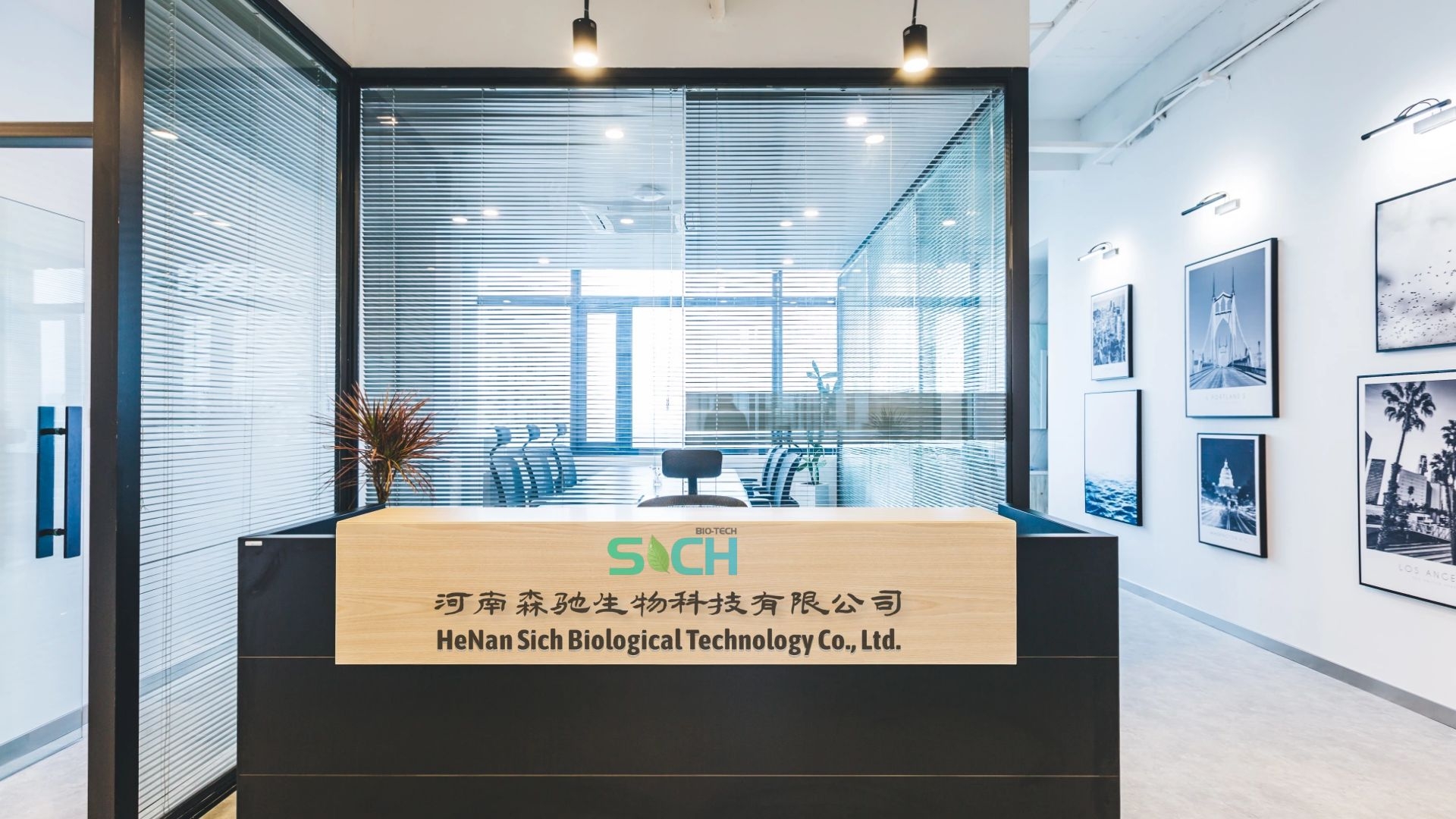
8,000 m² clean processing facility featuring 3 automated continuous countercurrent extraction trains and wiped-film evaporators.
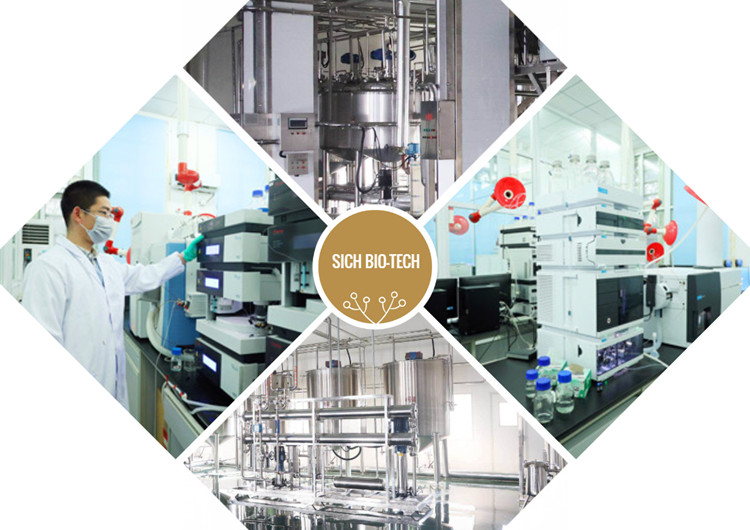
On-site instrumental assay suite equipped with Waters LC-MS, Agilent HPLC, 8453 UV-Vis spectrophotometers, and Swiss CAMAG HPTLC.
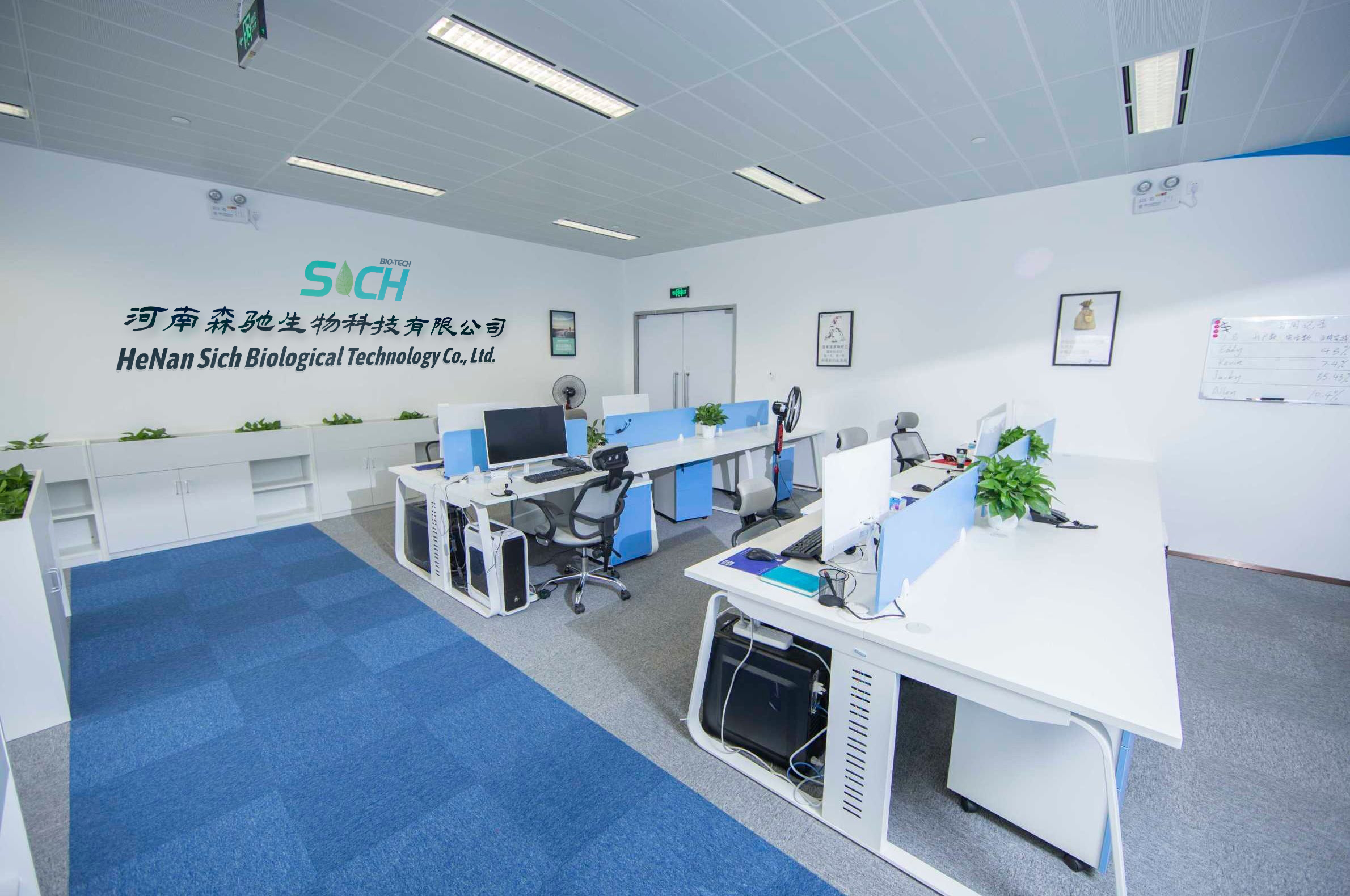
150+ unit operations including multi-column chromatographic separation, molecular distillation, and vacuum freeze-drying chambers.
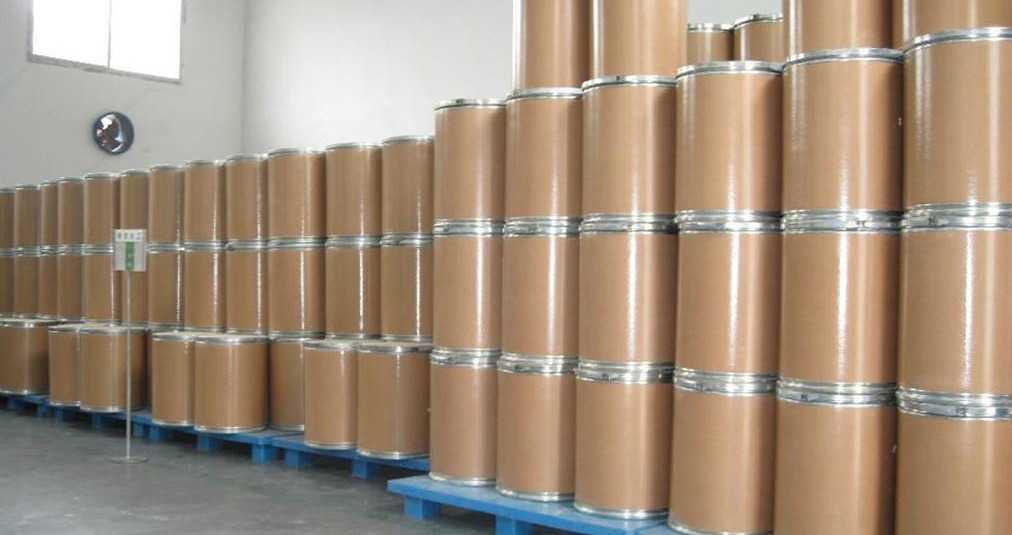
Buffer inventory for high-demand lines, enabling 3-5 day dispatch via authorized FedEx and DHL SVIP priority shipping corridors.
Quality begins in the soil. Gavra Bio-Tech commands a 500-acre experimental botanical cultivation base. By managing agricultural inputs, soil mineral balances, water purity, and harvest scheduling at the origin, we control critical biological risk variables long before raw botanicals enter our solvent extraction circuits. This integration virtually eliminates pesticide cross-contamination, guarantees stable starting active assays, and ensures seamless compliance with international botanical identification standards.
Furthermore, our commercial execution framework is engineered specifically for multinational procurement departments. With an average response time of ≤2 hours and a 99.09% verified response rate, enterprise buyers interface directly with qualified sales engineers capable of addressing complex chromatographic questions, custom mesh particle targets, osmotic carrier configurations, and dynamic OEM finished dose developments (capsules, custom-blended sachets, and soft chews).
Request comprehensive batch chromatographic fingerprints (HPLC/LC-MS), regulatory safety dossiers, commercial volume price tiers, and free formulation evaluation samples. Experienced technical responses delivered within 2 hours.