Featured Standardized Phyto-Compounds & Bioactive Actives
Direct from our 8,000 m² GMP-compliant extraction facility. Verified by chromatographic fingerprinting, low solvent residues, and standardized active compound assays.
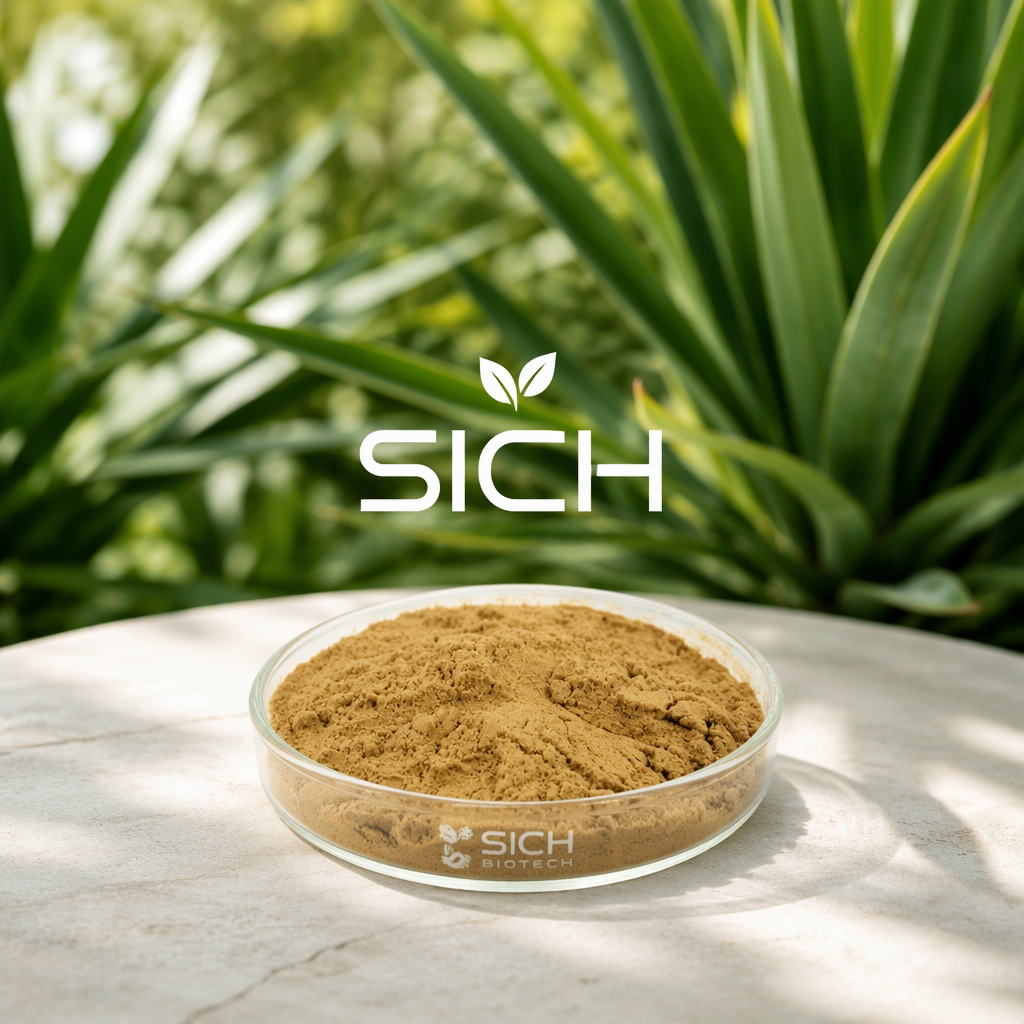
Bulk Wholesale Yucca Schidigera Extract Powder 30% 50% Supplement Yucca Extract
- Standardization: UV-Vis / Gravimetric
- Applications: Feed Additive, Digestive Health
- MOQ: 1 kg (Bulk In Stock)
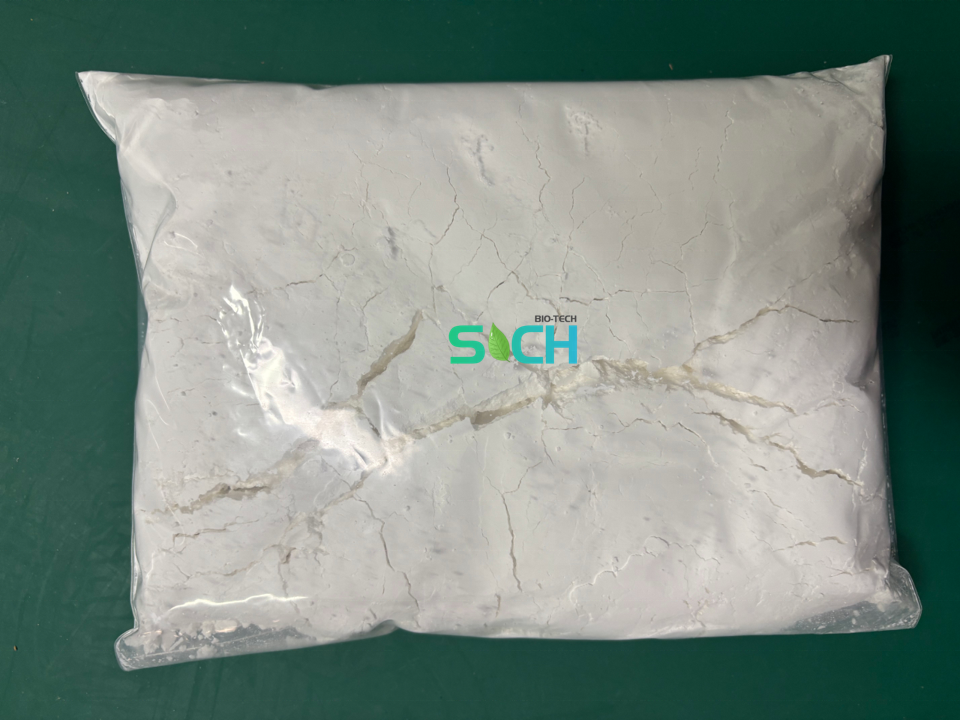
Ectoine Powder 99% HPLC, Cosmetic Grade Raw Material, CAS 96702-03-3, C6H10N2O2
- Assay (HPLC): ≥ 99.0% Active Ectoine
- Key Property: Cell Membrane Protection & Anti-Stress
- MOQ: 1 kg / 25 kg Drum
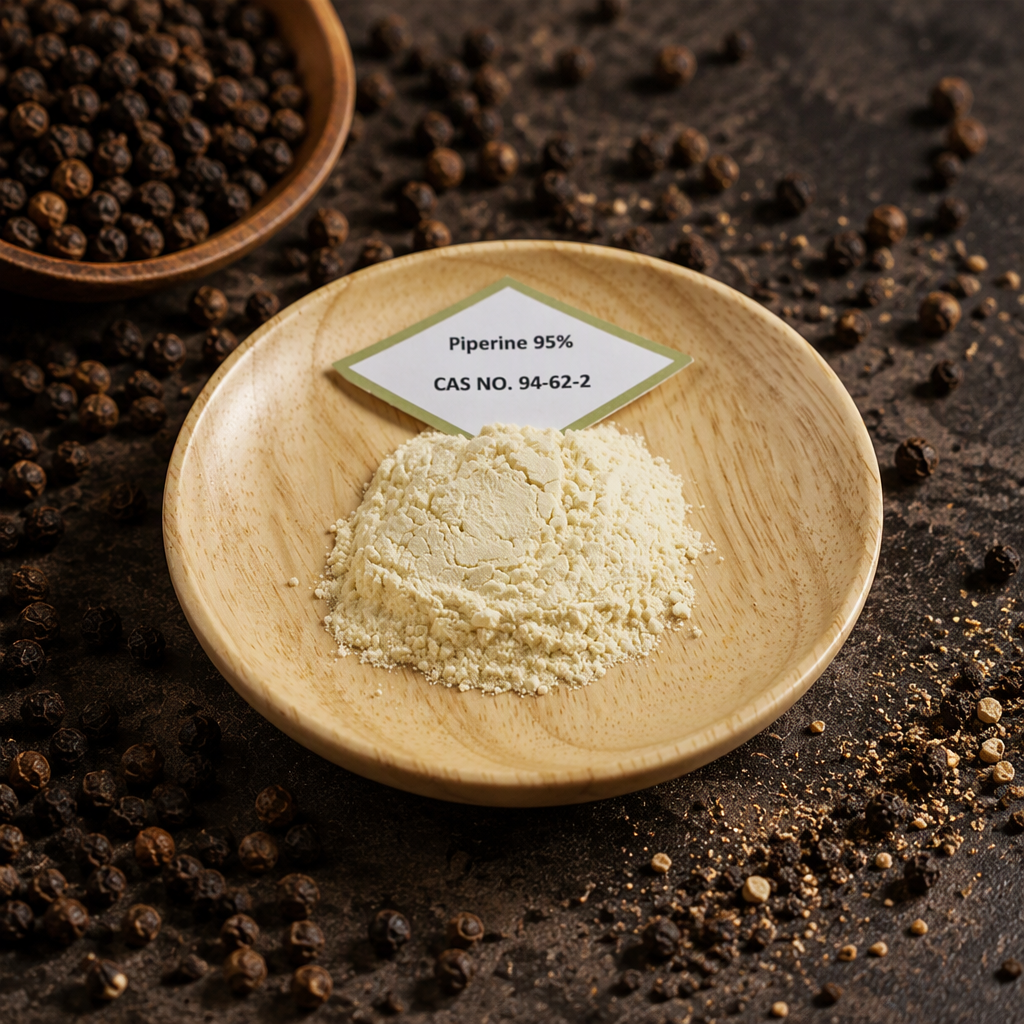
Factory Hot-Selling Black Pepper Extract Powder 95% 98% Piperine
- Marker: Piperine via HPLC
- Functional Action: Bioavailability Enhancer
- Lead Time: 3-5 Days Dispatch
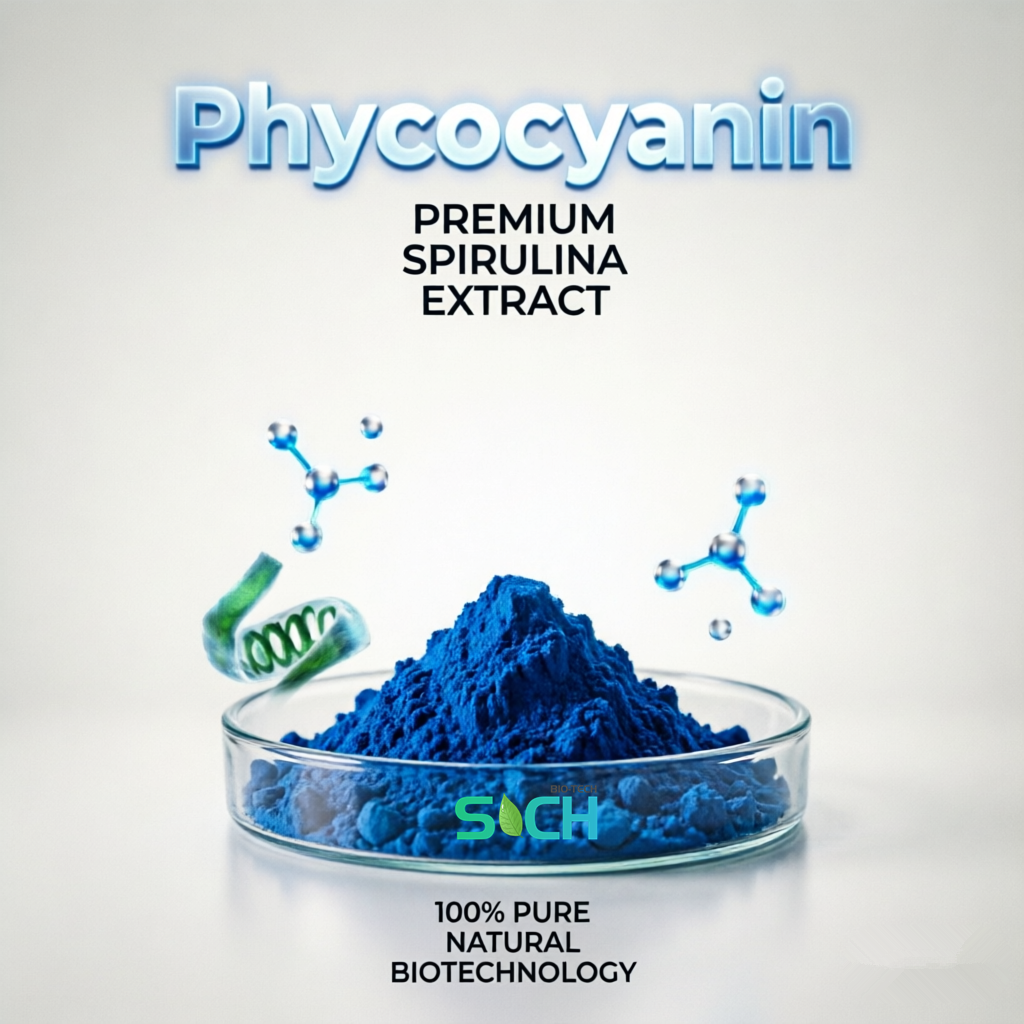
Pure Natural Best Price E3 E10 E25 E40 Phycocyanin Powder Food Grade Spirulina Phycocyanin
- Solubility: 100% Water Soluble Micro-Algae
- Certification: Food / Beverage Grade
- Processing: Aqueous Low-Temp Extraction
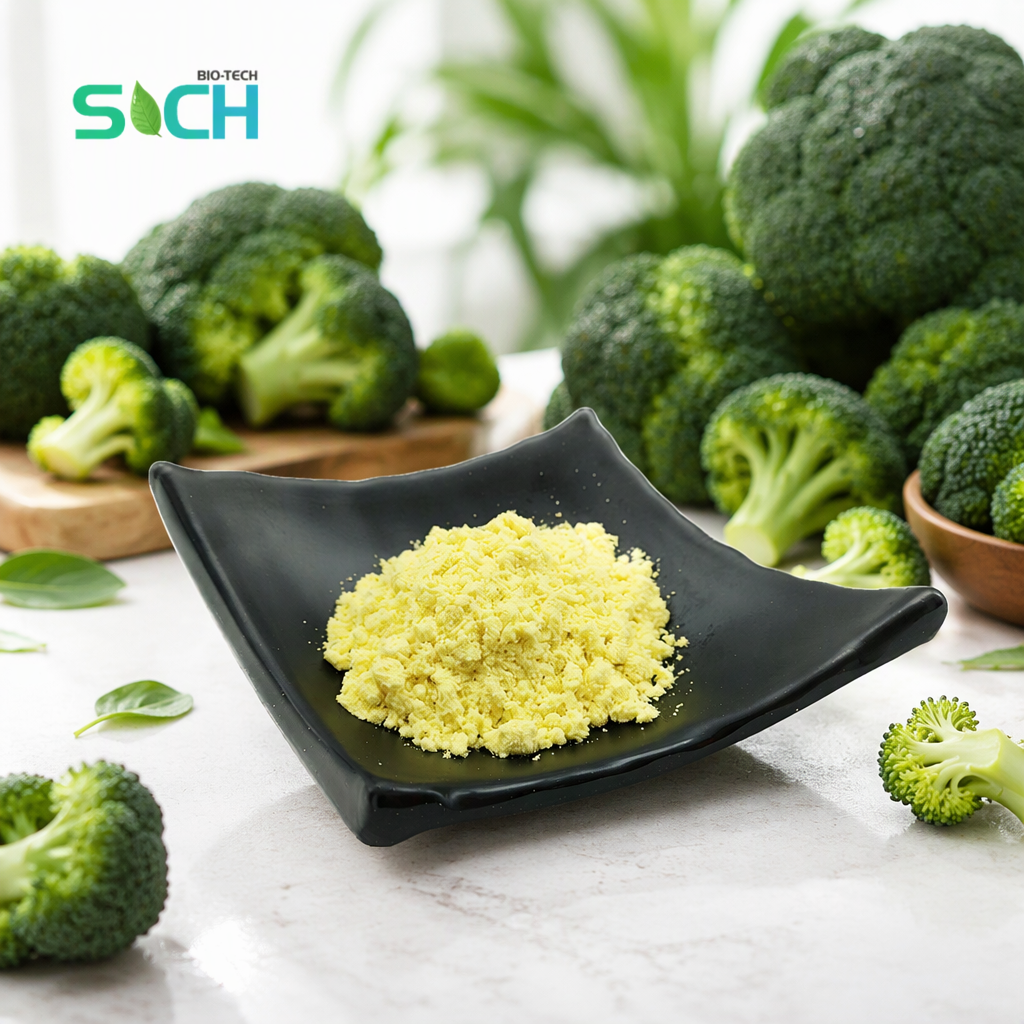
Food Grade Sulforaphane 1% CAS 4478-93-7 Broccoli Seed Extract Sulforaphane Powder
- CAS Number: 4478-93-7
- Biological Activity: Nrf2 Pathway Activator
- Packaging: Al-foil Vacuum Bag / 1kg
Factory Bulk Price Cas 11006-56-7 Food Grade Pangamic Acid Vitamin B15 Powder
- CAS Number: 11006-56-7
- Profile: Metabolic Co-Factor Precursor
- Assay: ≥ 98.5% Titration Standard
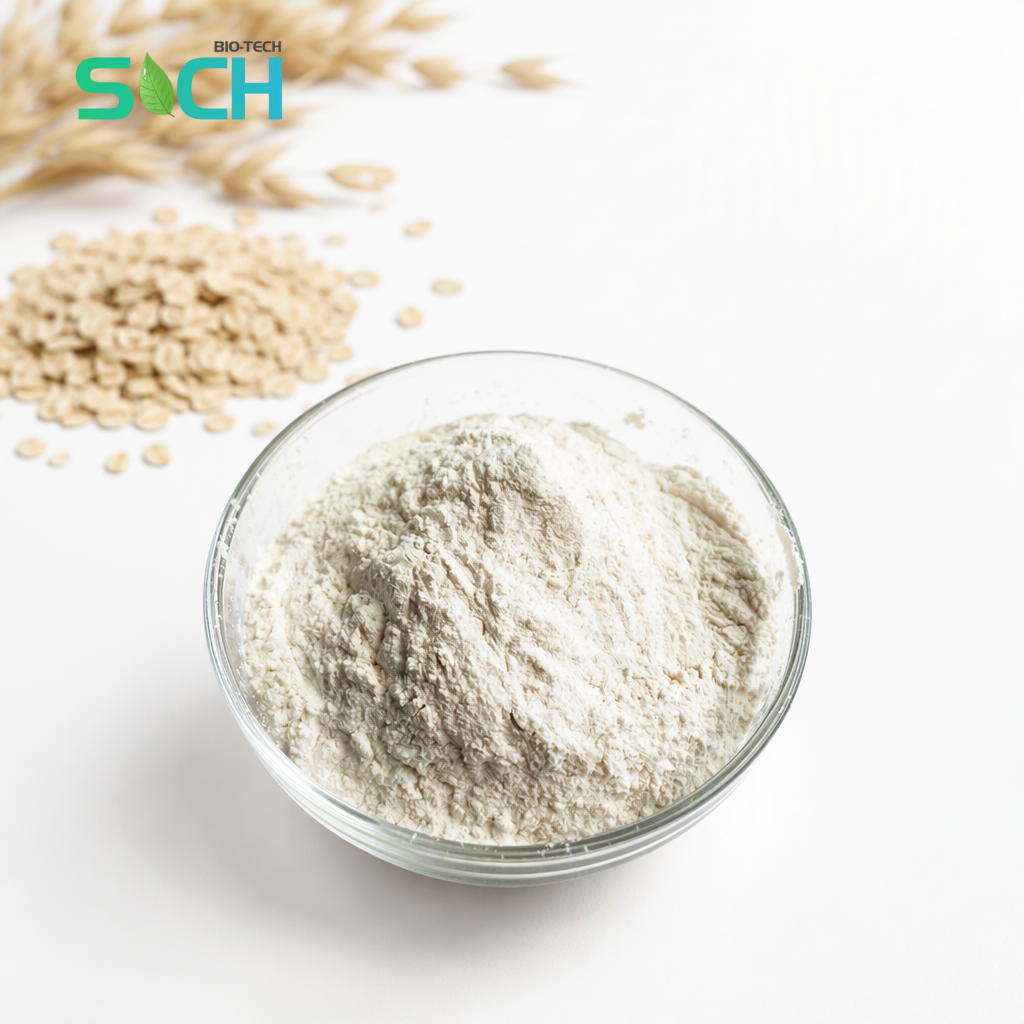
High Quality Oats Beta Glucan Oat Extract 70% 80% 90% Oat Beta Glucan Powder
- Solubility: Hydrophilic Colloidal Solution
- Application: Skin Barrier Repair, Prebiotics
- Carrier: 100% Native Avena Sativa
Cosmetic Raw Material Acetyl Tetrapeptide-2 Powder Bulk CAS 757966-65-7 Acetyl Tetrapeptide-2 Powder
- CAS Number: 757966-65-7
- Function: Extracellular Matrix Firming
- Verification: LC-MS MS Sequencing Confirmed
Standardized Extract Synergies & Clinical Bioavailability Strategies
Overcoming botanical absorption hurdles, molecular degradation, and chemical non-uniformity through scientific pairing and precise chemical fingerprinting.
In modern industrial phytotherapy and cosmeceutical formulation, raw botanical powder is obsolete. Modern R&D requires chemically standardized botanical extracts containing guaranteed percentages of quantifiable, active marker molecules. The central engineering challenge facing formulators today lies in active compound permeability, oxidative degradation across storage cycles, and gastrointestinal breakdown. Through systematic standardization verified across Waters LC-MS and Swiss HPTLC instrumentation, formulators can design synergistic matrix systems that maximize biological response while meeting the stringent safety and label requirements enforced by European and North American regulators.
Thermogenic Bioavailability Enhancement
Co-formulating lipophilic or polyphenolic botanical actives with standardized 95%–98% Piperine (Black Pepper Extract) reversibly inhibits hepatic and intestinal glucuronidation via temporary non-competitive suppression of CYP3A4 and P-glycoprotein efflux transport. In vivo pharmacokinetic testing exhibits a multi-fold increase in serum AUC curves for challenging actives like curcuminoids and resveratrol.
Cellular Epigenetics & Nrf2 Induction
By stabilizing Broccoli Seed Sulforaphane 1% via microencapsulation or lyophilization, formulators deliver a pure isothiocyanate capable of stimulating Phase II detoxification enzymes. Sulforaphane activates the Keap1-Nrf2-ARE pathway, providing broad antioxidant defense across functional beverages, longevity dietary supplements, and post-procedural topical dermatology formulas.
Extremolytic Barrier Stabilization
Combining Ectoine 99% HPLC with High-Molecular Oat Beta-Glucan (70%–90%) creates an anhydrous hydration shell around cellular lipid membranes. Ectoine functions as an osmolyte, protecting cutaneous proteins from blue-light oxidation, thermal stress, and surfactants, while Oat Beta-Glucan accelerates epithelial matrix healing via macrophage scavenger-receptor recognition.
Analytical Note on Standardization vs. Ratio Extracts:
Ratio claims (e.g., 10:1, 20:1) denote initial biomass extraction yield and provide no guarantee of active constituent content. Our factory standardizes products exclusively to quantified secondary metabolites (e.g., Sarsasapogenin, Piperine, Sulforaphane, Phycocyanin) using validated High-Performance Liquid Chromatography (HPLC) with photodiode array detection, guaranteeing uniform batch-to-batch efficacy for clinical applications.
Emerging Procurement Trends in Global Botanical Actives (2025–2030)
How regulatory compliance, clean-solvent demands, and global supply chain transparency are reshaping botanical ingredient sourcing.
Purchasing directors, regulatory officers, and supply chain managers in the functional food, dietary supplement, and personal care industries operate in a shifting regulatory landscape. With the European Union ratcheting restrictions on residual extraction solvents (ICH Q3C guidelines), tightened maximum residue limits (MRLs) for agricultural chemicals, and aggressive bans on ethylene oxide (EtO) sterilization, legacy bulk extract supply chains are undergoing structural replacement. Procurement leads are pivoting away from unvetted commodity traders to direct, audit-ready manufacturers operating dedicated agricultural bases and in-house analytical laboratories.
| Procurement Pillar | Legacy Sourcing Paradigm | Future-Proof Factory Paradigm (2025+) | Compliance & Operational Impact |
|---|---|---|---|
| Solvent Classification | Class 2 solvents (MDC, Hexane, Methanol) with wide ppm tolerance | Class 3 solvents (Ethanol, Water, Supercritical CO2) verified < 50 ppm | Eliminates consumer toxicological risks; complies with EU Pharmacopoeia 5.4. |
| Traceability Vector | Aggregated spot-market biomass with multi-broker handling | Dedicated 500-acre controlled experimental botanical fields | Auditable origin from seed to extract; guarantees zero deliberate adulteration. |
| Sterilization Protocols | Ethylene Oxide (EtO) or high-dose gamma irradiation | High-temperature, short-time (HTST) steam sterilization or clean dry heat | Guarantees zero 2-chloroethanol residue; prevents immediate EU port customs seizure. |
| Contaminant Testing | Occasional third-party screening for Pb, As, Cd, Hg | Waters LC-MS / Swiss HPTLC batch screening for heavy metals, pesticides, PAH4 | Prevents multi-million-dollar consumer recalls; satisfies FDA 21 CFR Part 111. |
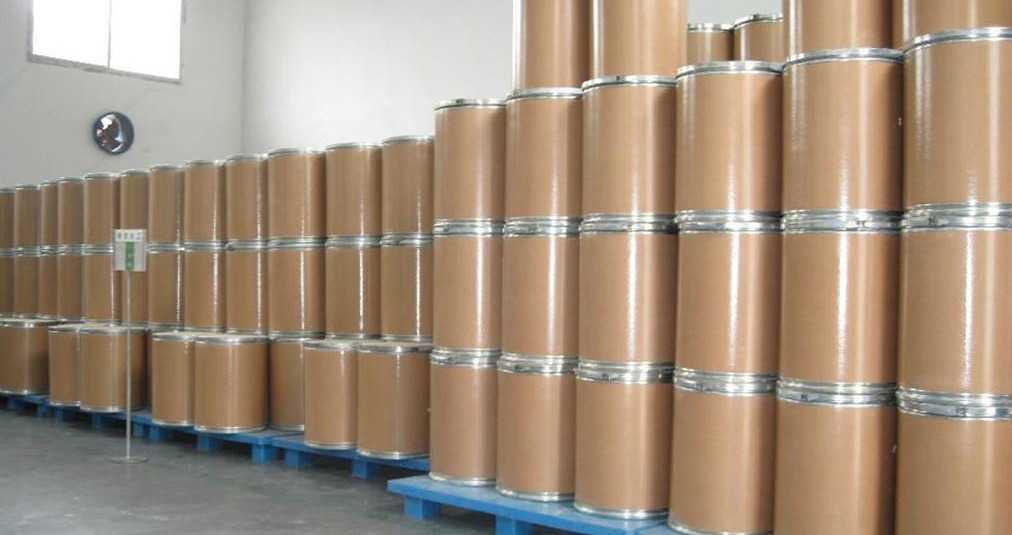
| Logistics Efficiency | Variable freight forwarders with 30-day ocean transit lag | FedEx & DHL SVIP express clearance (3–5 day dispatch from stock) | Mitigates working-capital exposure; facilitates agile JIT formulation batching. |
The Shift Toward Low-Carbon Biomass and Green Extraction Chemistry
Global environmental metrics now penalize energy-intensive, solvent-heavy concentration steps. Manufacturers investing in countercurrent ultrasonic-assisted extraction (UAE) and membrane nanofiltration achieve up to 35% thermal energy conservation during concentration, while preserving temperature-sensitive phyto-pigments like Spirulina Phycocyanin. Clean-label consumer pressures demand certified non-GMO, organic-compatible, and carrier-free botanical matrices that eliminate non-functional maltodextrin bulking agents.
Phyto-Chemical Engineering & Extraction Process Evolutions
From biomass selection to crystallization: An inside look at modern cGMP-certified industrial botanical extraction lines.
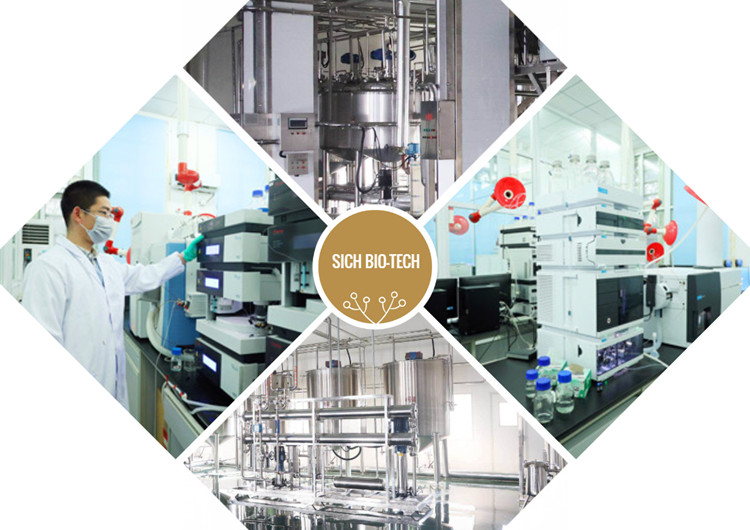
Industrial extraction efficiency and active purity are governed by thermodynamics, mass transfer kinetics, and matrix purification. At our Henan manufacturing base, three dedicated industrial lines process botanical raw materials through distinct purification cascades:
Continuous Dynamic Countercurrent Extraction
Biomass travels inversely against food-grade hydromethanolic or ethanol solutions inside automated stainless-steel stages. Maintaining a steep concentration gradient minimizes thermal degradation, increases single-pass yield of sensitive molecules (e.g., sulforaphanes, isoflavones) by 28%, and reduces aggregate solvent consumption.
Macroporous Adsorption Resin Chromatography
Crude extracts undergo molecular-sieve column chromatography using high-surface-area non-ionic polymeric resins. Target polyphenols, triterpenoid saponins, and alkaloids selectively adhere to pore micro-structures while water-soluble sugars, ash, and heavy inorganic salts are flushed to waste. Desorption using pure ethanol elutes pure active markers.
Low-Temperature Vacuum Distillation & Lyophilization
Thermal sensitivity is the primary vulnerability of plant secondary metabolites. Employing falling-film evaporators operating at sub-atmospheric pressure (< -0.085 MPa) keeps process temperatures below 45°C. Delicate bio-actives, including high-purity peptides and phycobiliproteins, bypass heat drying via clean-room freeze drying (lyophilization) to preserve secondary native conformations.
Integrated Supply Chain & Analytical Testing Authority
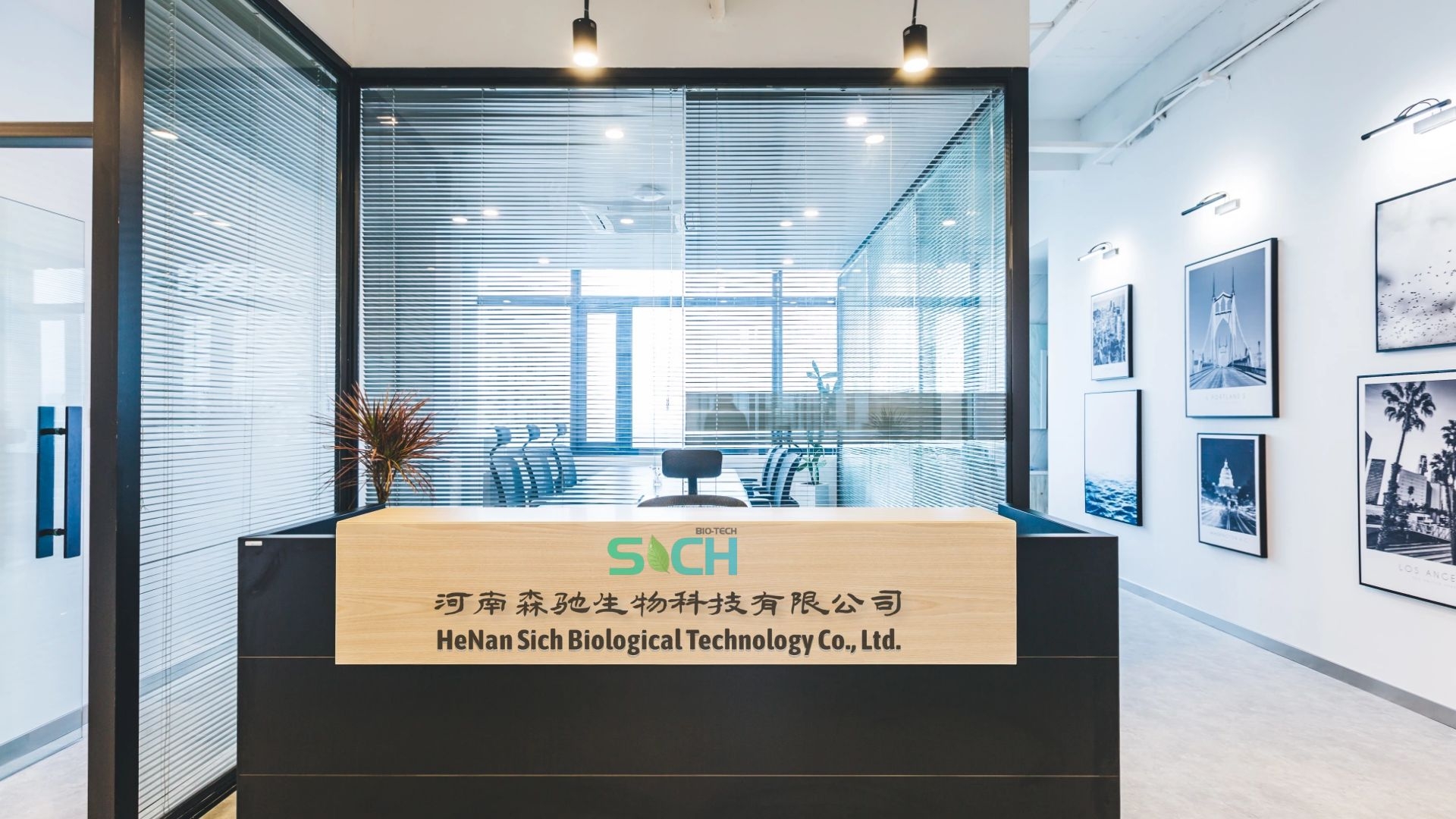
Gavra Bio-Tech Co.,Ltd. provides transparent, audit-ready botanical ingredients, cosmetic peptides, and food-grade raw materials directly from Henan, China.
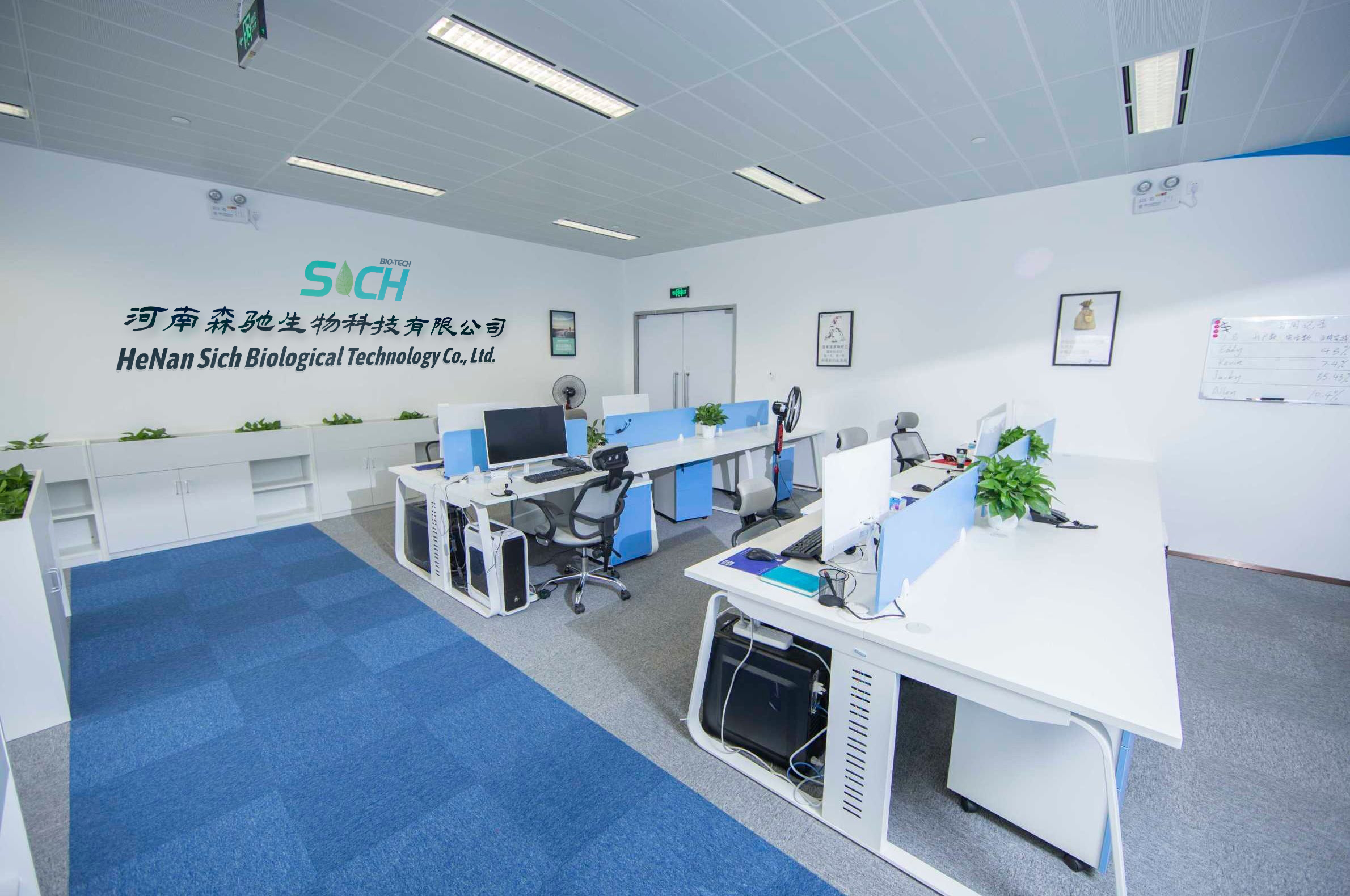
Founded in 2021 in Henan, China, Gavra Bio-Tech Co.,Ltd. delivers verified phyto-chemistry to international pharmaceutical, nutraceutical, and personal care markets across North America, Southeast Asia, South America, and Europe. Our production infrastructure combines proprietary experimental agricultural land with high-throughput extraction lines, supported by an advanced quality-control testing hub equipped with:
- Waters LC-MS System: High-resolution mass spectrometry for impurity profiling, trace compound quantification, and molecular fingerprinting.
- Agilent 8453 UV-Vis Spectrophotometer: Reliable photometric assay verification of total polyphenols, polysaccharides, and carotenoid fractions.
- Swiss CAMAG HPTLC Scanner: High-performance thin-layer chromatography for botanical identity verification, preventing cross-species substitution or adulteration.
Frequently Asked Questions: Global Sourcing & Compliance
Direct technical and operational answers to support your QA/QC qualification and raw material vendor approvals.
How does your factory prevent adulteration with synthetic active markers?
What are your standard limits for Heavy Metals, Pesticides, and PAH4?
What is the Minimum Order Quantity (MOQ) and sample validation protocol?
What logistics infrastructure supports rapid international delivery?
Do you provide custom contract extraction or private-label OEM finished formats?
Accelerate Your Formulation Formulation Lifecycle
Access our complete product library of standardized botanical extracts, cosmetic peptides, and clean food additives. Request complete analytical certificates, technical dossiers, and complimentary evaluation samples today.