Featured Standardized Extracts & Specialty Ingredients
Directly integrated with certified manufacturing workshops in Henan, China. Each product batch undergoes stringent chromatographic verification (HPLC/LC-MS) to ensure pharmacological potency and international regulatory alignment.
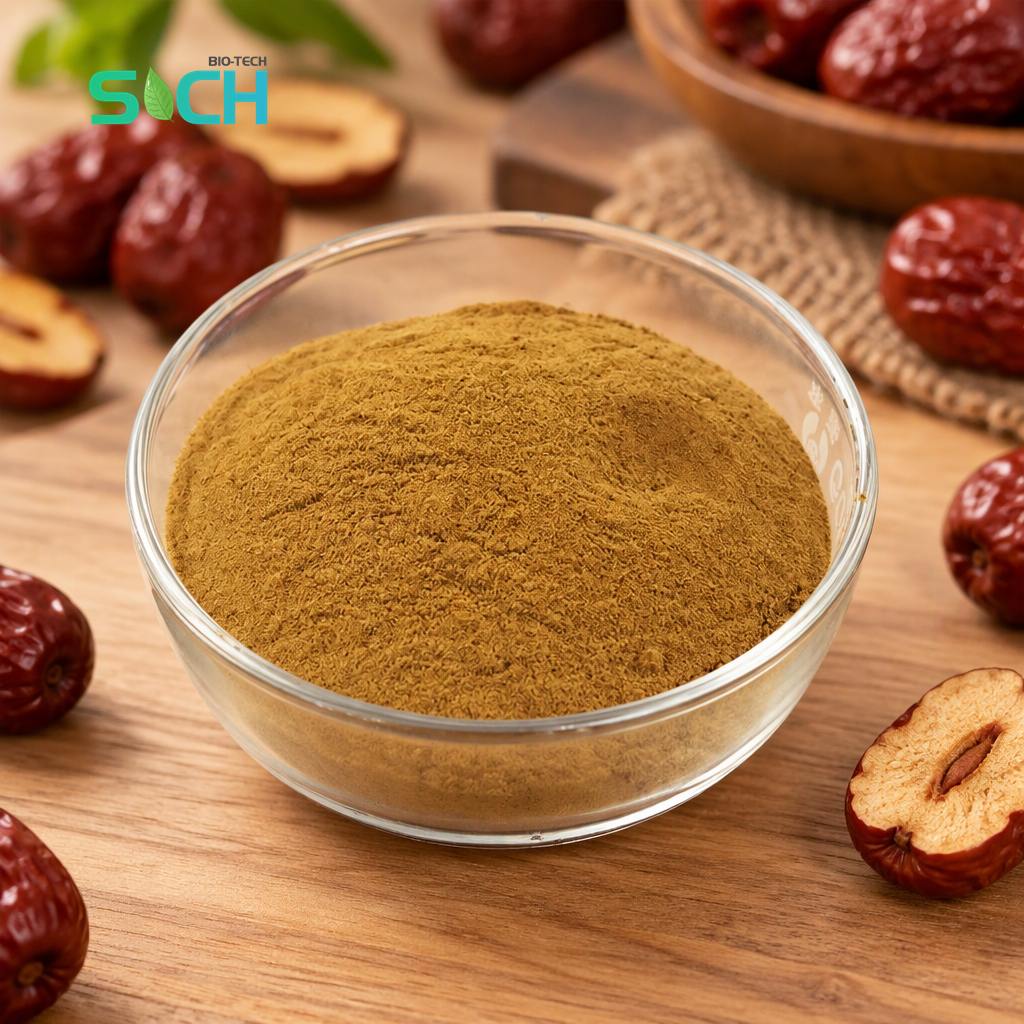
Pure Natural Red Jujube Extract 30% Food Grade Wild Jujube Extract Powder Polysaccharide
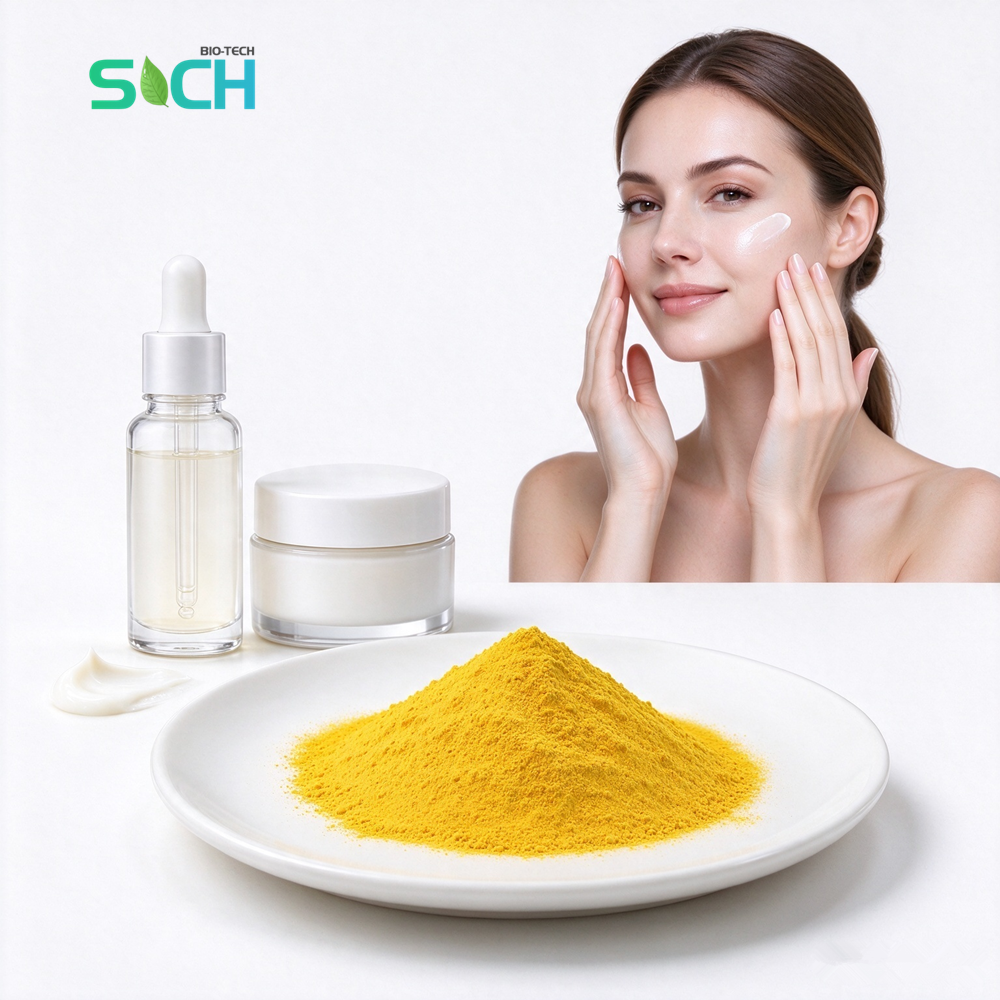
Supply Cosmetic Materials Hydroxypinacolone Retinoate CAS 893412-73-2 99% HPR Hydroxypinacolone Retinoate Powder
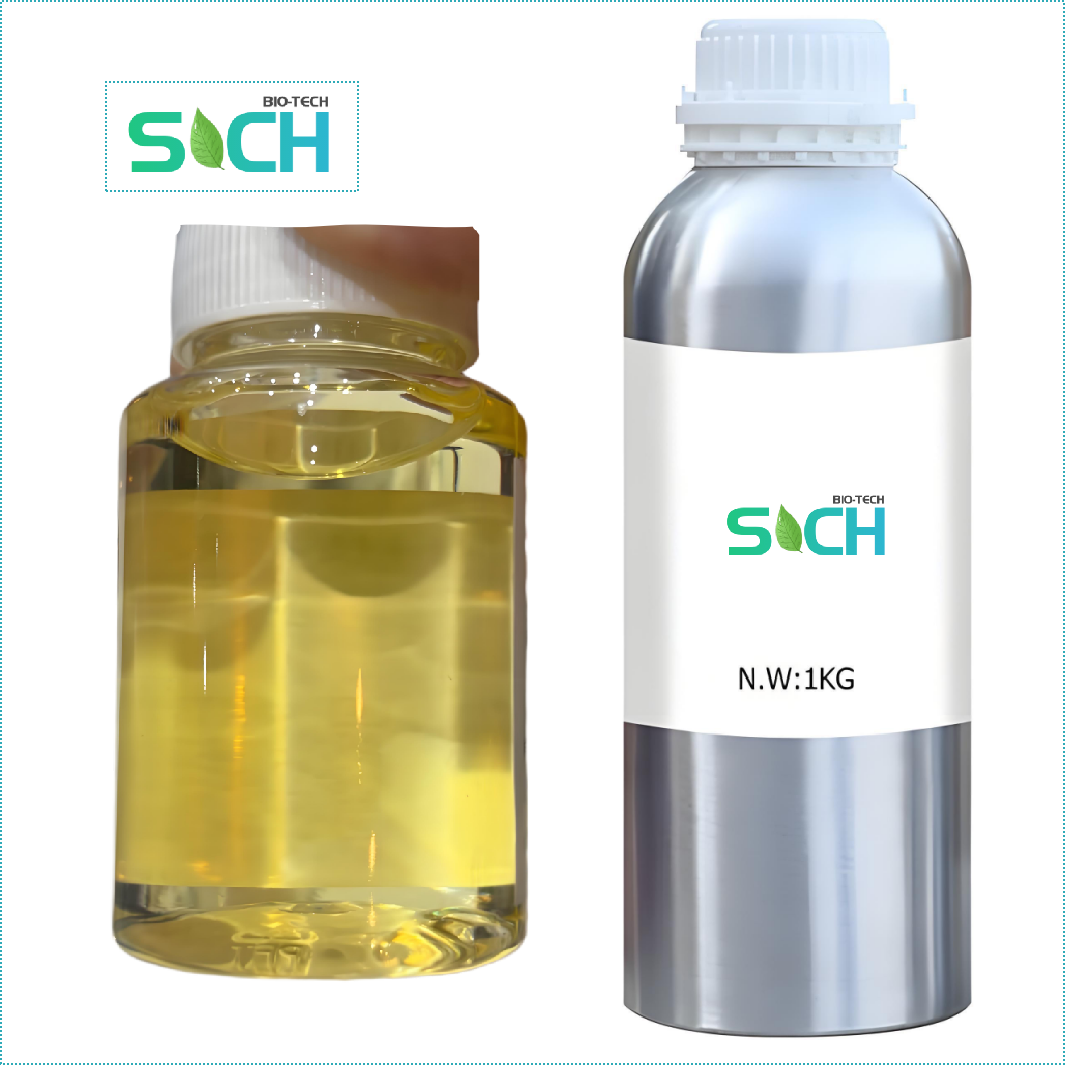
20 Factory Supply Polysorbate 20 Cosmetic Grade Polysorbate 20 Liquid
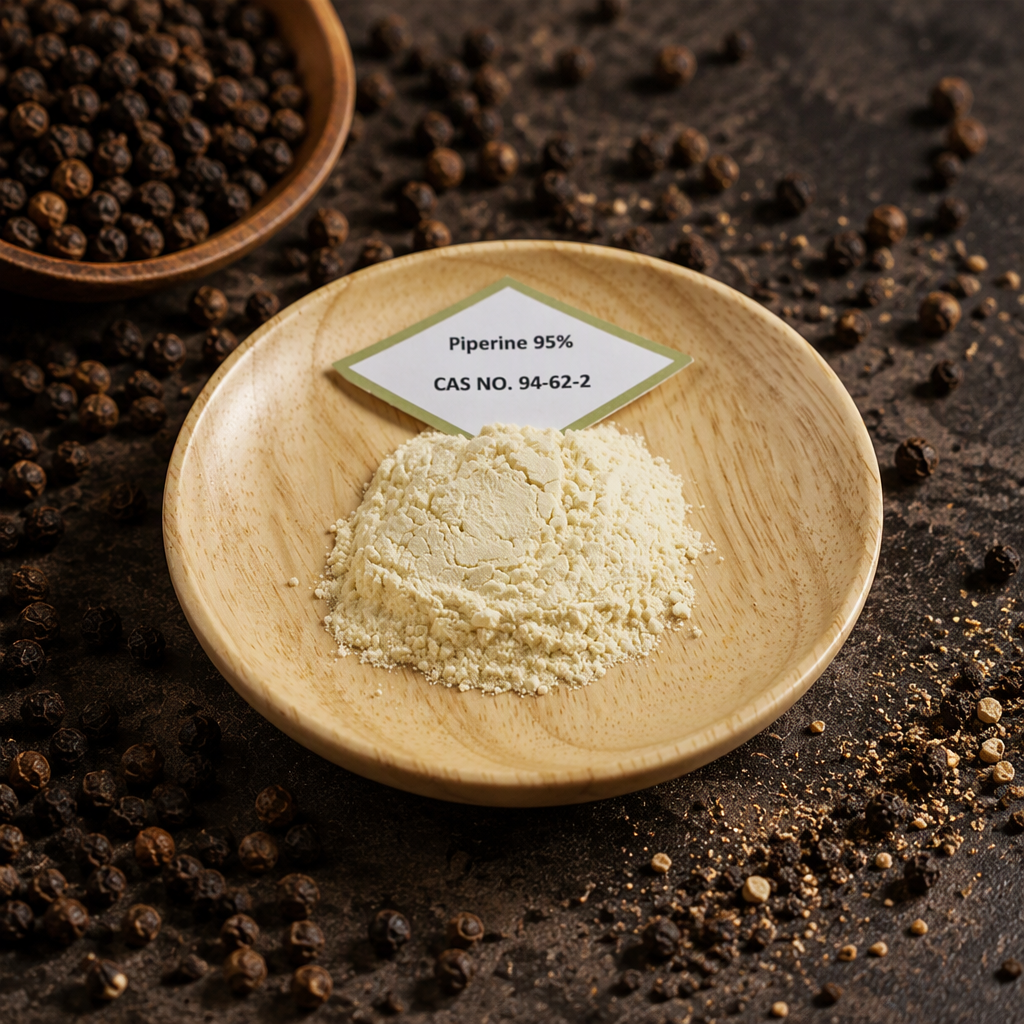
Factory Hot-Selling Black Pepper Extract Powder 95% 98% Piperine
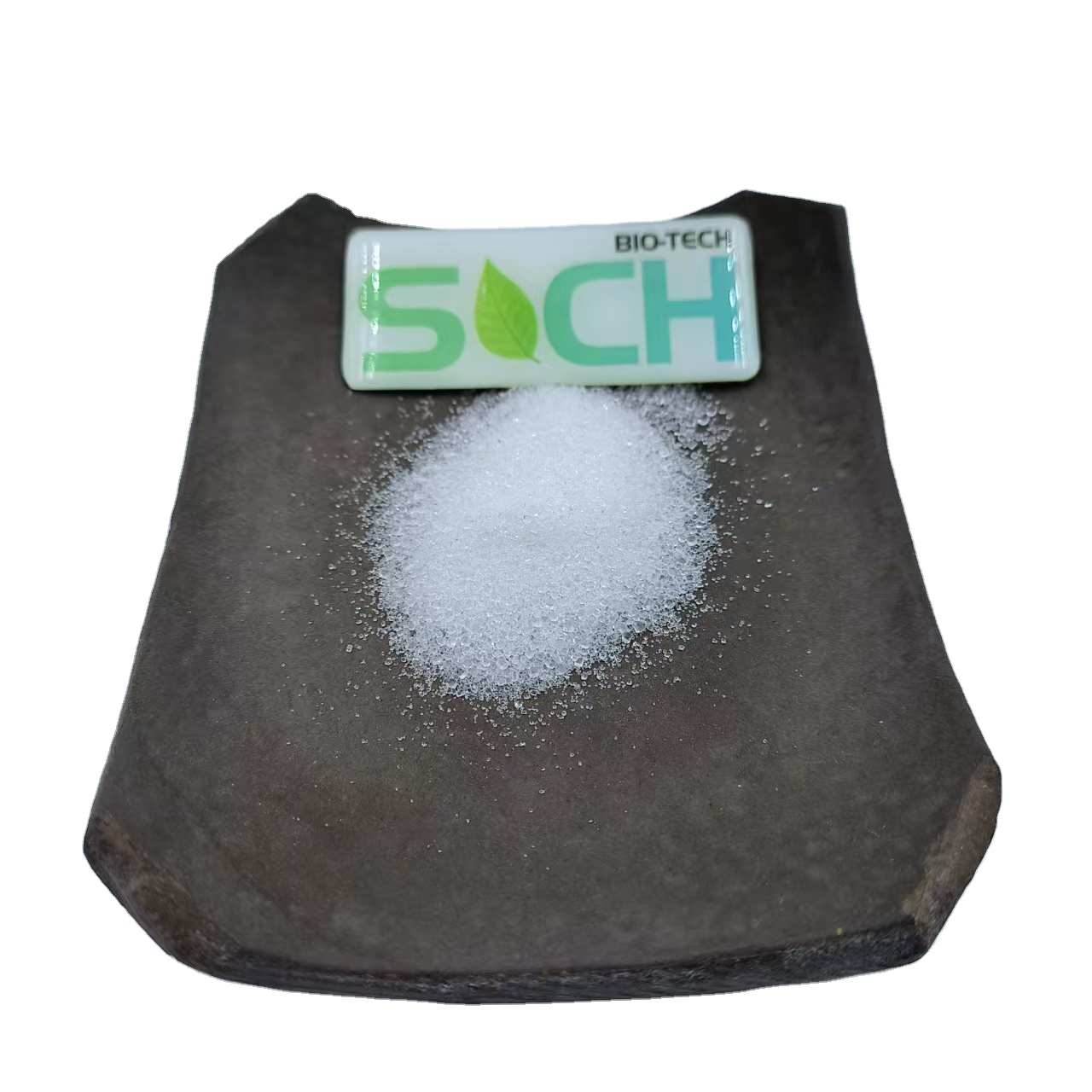
Sodium Cyclamate CP95/NF13 Manufacturer Price Flavoring Agents Sodium Cyclamate Powder
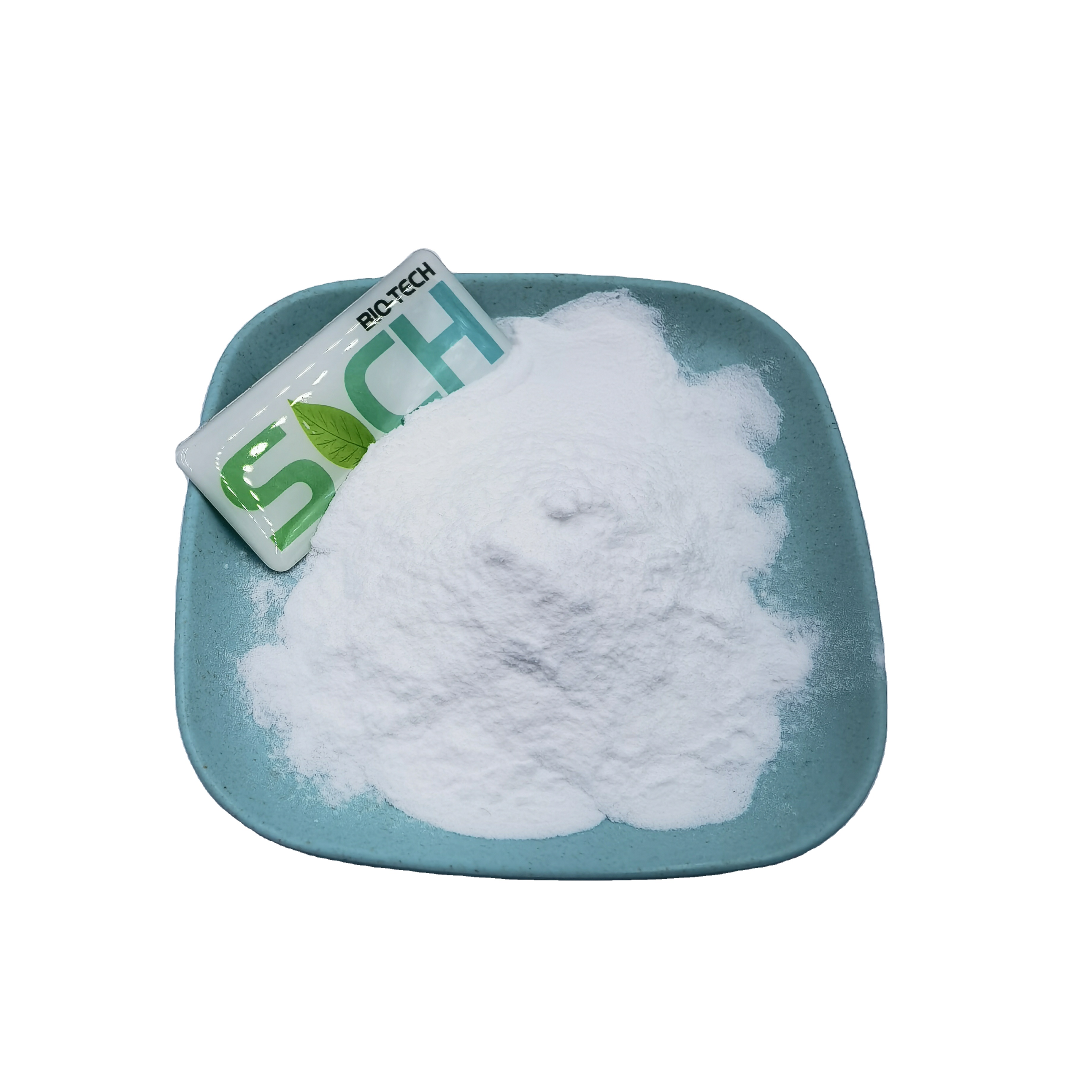
Factory Bulk Price Cas 11006-56-7 Food Grade Pangamic Acid Vitamin B15 Powder
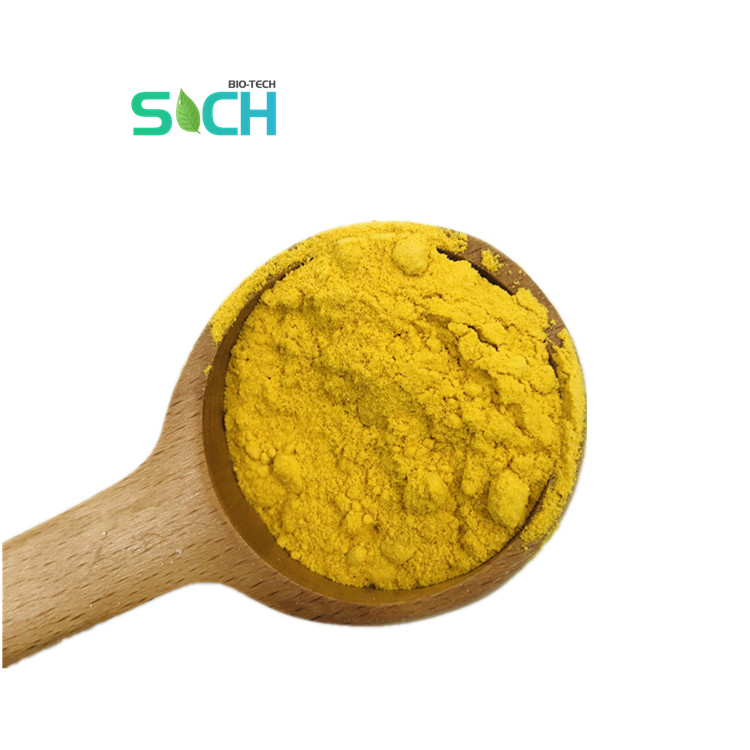
Factory Supply Folic Acid Vitamin B9 Powder VB9 Food Grade 99% Folate CAS 59-30-3
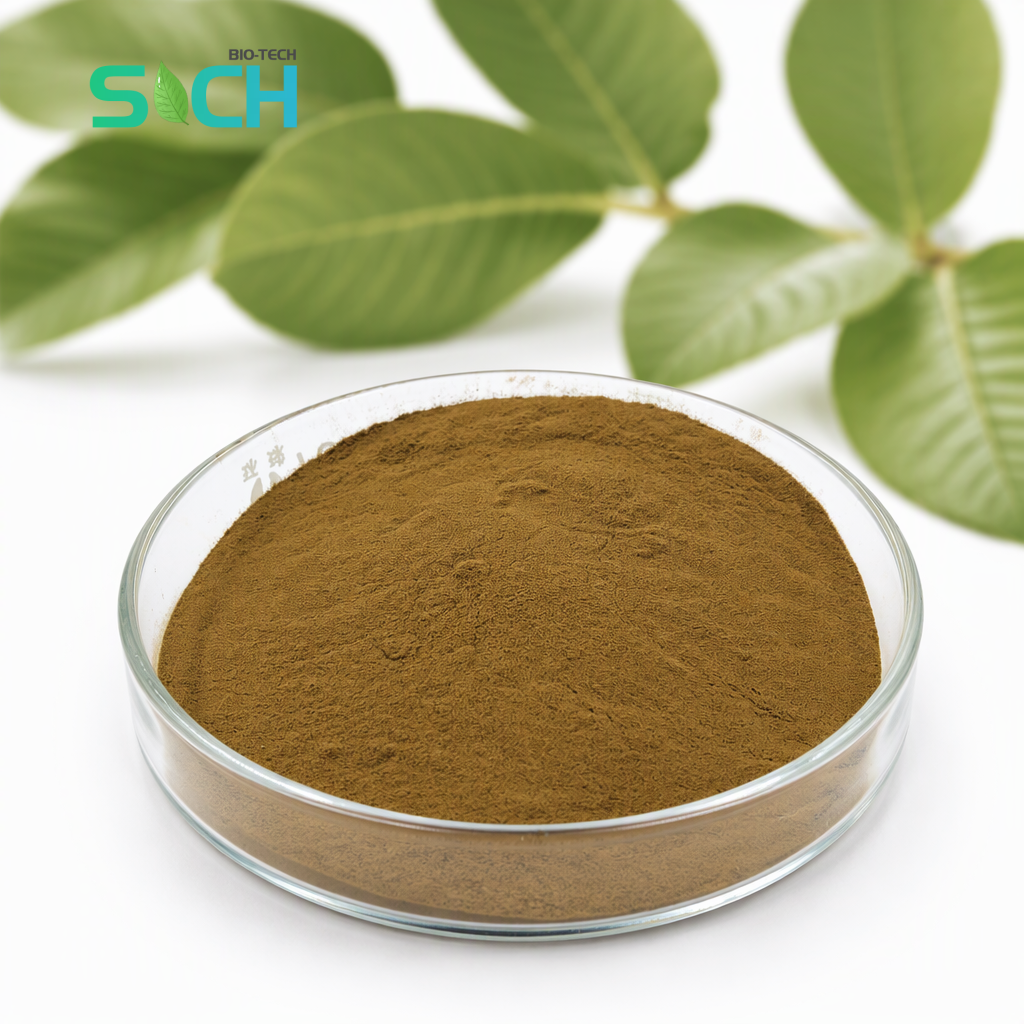
High Quality Herbal Supplement Support Skin Health 10:1 Guava Leaf Extract Powder
Why China Commands the Global Botanical Extraction Value Chain
An analytical overview of China’s botanical extract infrastructure, detailing upstream agrarian hubs, extraction engineering paradigms, and the regulatory maturation required by Tier-1 supplement and cosmetic formulators.
Upstream Cultivation & Phenotypic Consistency
China maintains over 70% of the world's commercial harvesting capacity for indigenous pharmacopoeial botanicals. Chinese manufacturing facilities leverage direct contract-farming belts across Henan, Shaanxi, and Yunnan. Access to 500+ acres of dedicated experimental cultivation fields eliminates seasonal volatility in active phyto-compound concentrations, ensuring that markers such as Ziziphus jujuba polysaccharides, black pepper piperine, and astragalosides maintain batch-to-batch chromatographic uniformity.
Hybrid Phytochemical & Bio-Synthetic Synthesis
Leading Chinese factories have transitioned beyond rudimentary maceration and reflux techniques. Modern facilities integrate continuous countercurrent extraction (CCE), macroporous resin column chromatography, and molecular distillation. This allows China's manufacturing ecosystem to deliver high-yield natural extracts alongside high-potency synthetic actives—such as Hydroxypinacolone Retinoate (HPR ≥99%) and stabilized GHK-Cu copper peptides—within integrated cGMP cleanrooms.
Strict Compliance with USP, EP & FDA FSMA
The international scrutiny of Chinese botanicals has driven leading manufacturers to enforce analytical controls matching Western pharmacopoeial standards. Batch release protocols now mandate screening for 500+ pesticide residues (via LC-MS/MS and GC-MS/MS), 4 major heavy metals (Pb, Cd, As, Hg by ICP-MS), residual solvents (residual ethanol, ethyl acetate via headspace GC), and exhaustive microbial testing against USP <61> and <62> specifications.
Future Procurement Trends & Botanical Market Dynamics
Emerging shifts in international buyer demands require plant extract factories to move toward deep traceability, functional nano-encapsulation, and solvent-free green chemistry.
Botanical Barcoding & Isotope Fingerprinting
Adulteration risks in high-value extracts (e.g., adulteration of Red Clover or Ginkgo biloba with synthetic bioflavonoids) have catalyzed demand for genomic identification. Importers increasingly specify high-performance thin-layer chromatography (HPTLC) fingerprint profiles coupled with genomic barcoding to verify plant taxonomy and harvest geography prior to vessel embarkation.
Micro-Encapsulation & Liposomal Delivery
Standard dry extract powders often suffer from limited enteric uptake and rapid oxidation. Procurement strategies are prioritizing factories capable of in-house liposomal spray-drying, spray-chilling, and beta-cyclodextrin micro-encapsulation. These advanced delivery matrices protect labile phytochemicals (e.g., Piperine, Sulforaphane) against digestive degradation.
Subcritical Water & Supercritical Fluid Extraction
With escalating restrictions on Class 2 solvents under ICH Q3C guidelines, global cosmetic and nutraceutical conglomerates require Class 3 or completely solvent-free processing. Supercritical CO2 extraction and water-ethanol continuous crystallization eliminate hydrocarbon residues while dramatically reducing thermal denaturation of delicate polyphenols and retinoids.
Complete Technical Master Files (DMF & ASMF)
Purchasers are moving away from simple one-page Certificates of Analysis (COA). Contract manufacturers now demand full regulatory dossiers containing validation of chromatographic testing procedures, stability test data under ICH climatic zones IVb, total nitrosamine risk evaluations, and strict non-GMO / allergen declarations.
Technical Quality Parameters of Key Factory Direct Offerings
Review the analytical benchmarks, active concentrations, testing methodologies, and primary formulation applications across our featured product line.
| Ingredient Name | Primary Marker / Active Spec | CAS Identification | Assay Test Method | Typical Formulation Applications | Quality Standard |
|---|---|---|---|---|---|
| Wild Jujube Extract | 30% Polysaccharides | 55495-20-8 | UV-Vis Spectrophotometry | Sedative nutraceuticals, functional tonics | Food Grade / Non-Irradiated |
| Hydroxypinacolone Retinoate (HPR) | ≥99.0% Ester Purity | 893412-73-2 | High-Performance Liquid Chrom. (HPLC) | Anti-aging serums, acne remediation creams | Cosmetic Actives Standard |
| Polysorbate 20 Liquid | Ethoxylated Sorbitan Ester | 9005-64-5 | Saponification / Hydroxyl Value | Hydrophilic active solubilizer, micellar bases | USP / EP / FCC |
| Black Pepper Extract | 95% – 98% Piperine | 94-62-2 | HPLC Reversed-Phase Chromatography | Nutrient bioavailability enhancement, thermogenics | Standardized Extract USP |
| Sodium Cyclamate | ≥99.5% Dry Basis | 139-05-9 | Potentiometric Titration | Low-calorie food systems, flavor masking | CP95 / NF13 / FCC |
| Pangamic Acid (Vit B15) | High Purity (Gluconic/Dimethylglycine) | 11006-56-7 | Waters LC-MS Purity Profiling | Cellular respiration boosters, sports wellness | Dietary Supplement Grade |
| Folic Acid (Vitamin B9) | 97.0% – 102.0% Folate | 59-30-3 | HPLC Isocratic Method | Maternal nutrition, prenatal softgels, fortifiers | USP / Ph. Eur. Compliant |
| Guava Leaf Extract | 10:1 Ratio Equivalent (Polyphenols) | Botanical Matrix | TLC Fingerprint / Weight Loss On Drying | Topical skin soothing, oral glucose modulators | Heavy Metal <10 ppm, Clean Label |
Gavra Bio-Tech: Validated Manufacturing & Analytical Testing
Established in Henan, China, Gavra Bio-Tech Co.,Ltd. operates a fully integrated supply chain encompassing specialized agronomy, commercial extraction, and an independent analytical quality control center.
8,000 m² Cleanroom & 3 Production Lines
Our centralized Henan processing site houses 150+ specialized processing units across three dedicated production avenues: dynamic countercurrent extraction, vacuum fractional distillation, and specialized resin-column purification. Controlled pressure differentials, HEPA filtration, and strict GMP sanitization prevent cross-contamination across plant botanical, cosmetic peptide, and nutritional additive operations.
Waters LC-MS & Swiss CAMAG HPTLC
We eliminate quality ambiguities before export. Our onsite analytical testing center is fully equipped with an advanced Waters LC-MS (Liquid Chromatography-Mass Spectrometry) system for molecular identification, an Agilent 8453 UV-Vis spectrophotometer, and a Swiss CAMAG HPTLC scanner for botanical fingerprinting. Every production batch is released only upon rigorous validation against USP and EP assay protocols.
FedEx/DHL SVIP Direct & Rapid Dispatch
Inventory availability is supported by our extensive domestic raw materials warehouse, permitting dispatch within 3 to 5 business days for standard items. As an authorized SVIP account holder with major courier networks (FedEx, DHL) and maritime airfreight forwarders, we provide full DDP, CIF, FOB, and CIP door-to-door transit options backed by an average technical team response time of under 2 hours (99.09% response index).
Frequently Asked Questions for Import Directors & Formulators
Clear, definitive answers addressing regulatory documentation, sample evaluation protocols, solvent verification, and custom formulation options.
What analytical documentation is provided with standard bulk shipments?
How does your quality control lab mitigate botanical adulteration and active spiked assays?
What are the minimum order quantities (MOQ) and sample validation terms?
What solvent extraction media are utilized, and how is residue controlled?
Can Gavra Bio-Tech support contract manufacturing (OEM) and custom delivery systems?
What incoterms, international shipping routes, and payment options are supported?
Optimize Your Phyto-Chemical Supply Chain with Direct Factory Verification
Connect with our chemical engineers and commercial export specialists. Request technical dossiers, custom assay specifications, and complimentary batch evaluation samples today.