Verified Raw Materials Portfolio
Standardized Extract Portfolio & Factory Inventory
Direct supply from our Henan GMP-compliant manufacturing hub. Explore certified active compounds, functional peptides, and standardized botanical powders held under strict analytical quality control.
Industrial Whitepaper Analysis
The Architecture of Botanical Peel Extract Manufacturing in China
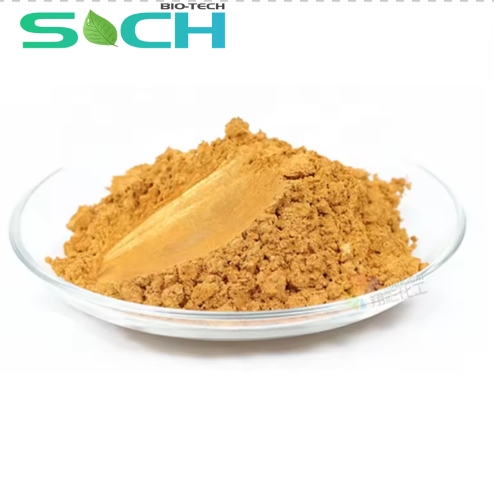
The industrial isolation and commercial valorization of fruit peels—ranging from citrus flavedo and albedo (Citrus aurantium, Citrus reticulata) to pomegranate pericarps (Punica granatum), apple skins (Malus domestica), and mangosteen rinds (Garcinia mangostana)—has emerged as a foundational vertical within China's botanical manufacturing sector. Historically categorized as agricultural side-streams, peels and exocarps possess dense concentrations of secondary botanical metabolites: polymethoxylated flavones (PMFs), hesperidin, naringin, ellagic acid, punicalagins, and phloretin. The modern processing ecosystem represented by Chinese extraction facilities is characterized by an evolution from crude ethanolic maceration to continuous high-throughput separation, solid-liquid countercurrent contactors, resin chromatography, and subcritical extraction technologies.
Global procurement teams increasingly view China not merely as a biomass producer, but as an advanced phytochemistry nexus capable of isolating active fractions at pharmaceutical titers (exceeding 98% purity by HPLC) while simultaneously delivering clean-label, multi-standard compliance spanning USP, European Pharmacopoeia (EP), and FCC monographs.
A primary competitive advantage of Chinese peel extract manufacturing resides in the geographic proximity of manufacturing hubs to extensive regional cultivation belts. Agronomic clustering across Henan, Sichuan, Jiangxi, and Hunan provides uninterrupted access to fresh, unfermented agricultural precursors. When raw rinds and peels are desiccated immediately at the agricultural source under calibrated low-temperature regimes, enzymatic degradation of polyphenol monomers and thermo-sensitive glycosides is largely arrested. This preserves the botanical fingerprint and guarantees batch-to-batch homogeneity before raw feedstocks enter our large-scale continuous extraction trains.
Separation Engineering: Extracting the Spectrum of Active Peel Phytochemicals
To manufacture industrial-grade peel extracts that fulfill the rigorous demands of nutraceutical compounding and cosmeceutical formulation, extraction facilities implement multi-phase processing regimens tailored to the molecular polarity and solubility profiles of target actives:
Hydro-Ethanolic Dynamic Extraction
Utilizing closed-loop, solvent-recovery extraction vessels. Hydro-ethanolic mixtures (ranging from 50% to 85% aqueous ethanol) isolate flavonoids, bioflavonoid glycosides, and polyphenols under precise thermal limits (45°C–60°C) to avoid thermal isomerism.
Macroporous Resin Adsorption
Synthetic polymeric resins (such as AB-8, D101, and HPD series) permit selective retention of flavones (hesperidin, naringin, nobiletin) while eliminating sugars, ash, and organic acids, upgrading target purities from 20% crude liquor to >90% refined eluate.
Continuous Membrane Concentration
Integrating nanofiltration and reverse osmosis ceramic membranes allows non-thermal concentration of aqueous peel extract streams prior to spray drying or vacuum belt crystallization, preserving volatile top-notes and aromatic profiles.
Superfine Vacuum Atomization
Employing clean-in-place (CIP) compliant centrifugal spray dryers equipped with dehumidified, low-temperature secondary air collection systems yields uniform, free-flowing, non-hygroscopic powders with controlled bulk density (0.40–0.65 g/mL).
Market Foresight & Procurement Intelligence
Emerging Procurement & Processing Trends for Botanical Peel Extracts
Strategic purchasing managers must navigate a dynamically shifting regulatory, agronomic, and biochemical market. Sourcing decisions over the next five years will be dictated by four macro drivers.
1. The Upcycled Beauty & Clean-Label Nutraceutical Revolution
Consumer and corporate ESG mandates have elevated fruit peel extracts to the forefront of the "circular economy" and upcycled ingredient movement. Where peels were once treated as an agricultural byproduct, brand formulators in North America and Europe now deliberately specify peel-derived flavonoids (such as upcycled citrus bioflavonoid complexes, pomegranate peel polyphenols, and apple peel phloridzin) to reinforce sustainability messaging. However, upcycled claims are subject to intense regulatory scrutiny: B2B buyers now mandate comprehensive traceability proving that original citrus or pomace feedstocks are non-GMO, free of restricted systemic post-harvest synthetic fungicides (such as imazalil, prochloraz, and thiabendazole), and derived from food-grade supply chains.
2. Analytical Standardization: Beyond Crude Ratios to Molecular Fingerprinting
The global marketplace is rapidly abandoning ambiguous "ratio extracts" (e.g., 10:1 or 20:1 claims that lack reproducible bioactivity) in favor of validated chromatographic assays. Modern procurement protocols require suppliers to verify total flavanone glycosides by HPLC, determine aglycone concentrations via enzymatic hydrolysis, and produce complete botanical HPTLC fingerprints. Chinese manufacturing facilities that command tier-one status have responded by deploying high-resolution Waters LC-MS and GC-MS equipment internally. This analytical capability allows factories to guarantee specific peak ratios (e.g., standardizing hesperidin to >95% while controlling related flavones such as isooridoin and neohesperidin), ensuring predictable therapeutic efficacy in cardiovascular, microcirculatory, and metabolic formulations.
3. Green Chemistry and Class-3 Solvent Transition
Regulatory frameworks, notably the European Union's strict limits on polycyclic aromatic hydrocarbons (PAHs), ethylene oxide (EtO), and solvent residues (Regulation (EC) No 396/2005 and Directive 2009/32/EC), have forced significant retooling across Chinese factories. First-class suppliers have decommissioned chlorinated extraction solvents and benzene-series resins, transitioning entirely to water-only, subcritical water, or USP Class-3 solvents (ethanol, ethyl acetate, isopropanol). Advanced solvent stripping and vacuum desolventization allow factories to deliver botanical powders with total residual ethanol content below 500 ppm, comfortably under international pharmacopoeial thresholds.
4. Cross-Industry Convergence: Food, Pharma, and Cosmeceutical Synergies
Peel extracts are no longer confined to traditional herbal medicine. Today, water-soluble bioflavonoid complexes serve as natural clean-label antioxidants in functional beverages, extending lipid stability without synthetic BHT/BHA. In dermatology, liposome-encapsulated citrus peels rich in nobiletin and tangeretin act as targeted melanogenesis inhibitors, rivaling conventional brightening agents. Sourcing teams increasingly seek multi-functional suppliers capable of supplying both standardized botanical raw materials and cosmetic-grade active peptides, pigments, and ferment lysates under a single auditing and logistics framework.
Analytical Baseline: Leading Botanical Peel Extracts & Standard Specifications
The following matrix outlines representative analytical targets, testing methodologies, and international compliance criteria maintained across high-tier Chinese manufacturing operations:
| Active Ingredient | Botanical Source | Assay (HPLC/UV) | Primary Solvents | Pesticide / Heavy Metal Standard | Lead Market Application |
|---|---|---|---|---|---|
| Hesperidin | Citrus aurantium L. (Bitter Orange Peel) | 90.0% – 98.0% HPLC | Water / USP Ethanol | EC 396/2005 Compliant; Pb < 2.0 ppm | Cardiovascular, Capillary Health, Dietary Supplements |
| Diosmin (Micronized) | Synthesized via Hesperidin Dehydrogenation | 90.0% – 95.0% EP / USP | Ethanolic / Reaction Catalysis | Ph. Eur. 10.0; Residual Solvents < 0.5% | Venous Insufficiency, Microcirculation Formulations |
| Naringin / Naringenin | Citrus grandis (Grapefruit Peel) | 98.0% HPLC | Food-Grade Aqueous Ethanol | USP <561> Complete Screen; As < 1.0 ppm | Metabolic Support, Bitter Flavor Modulators |
| Ellagic Acid | Punica granatum (Pomegranate Rind) | 40.0% – 90.0% HPLC | Aqueous Extraction / Resin | Cadmium < 1.0 ppm, Mercury < 0.1 ppm | Cosmeceutical Brightening, Cellular Longevity |
| Apple Polyphenols / Phloretin | Malus pumila Mill. (Apple Skin) | 70%–80% Polyphenols, 98% Phloretin | Hydro-Ethanolic / Adsorption | EtO Residue Non-Detectable (< 0.01 mg/kg) | Topical Antioxidant Serums, Blood Sugar Modulation |
| Polymethoxylated Flavones | Citrus reticulata (Tangerine Peel) | 30%–60% Nobiletin + Tangeretin | Food-Grade Ethyl Acetate / EtOH | Aflatoxins B1+B2+G1+G2 < 4.0 ppb | Neuroprotective Formulations, Skin Whitening Actives |
Integrated Manufacturing Capabilities
Why Enterprise B2B Buyers Partner With Gavra Bio-Tech
Founded in 2021 in Henan, China, Gavra Bio-Tech Co.,Ltd. serves global manufacturing partners as a specialized, audit-ready supplier of lab-tested plant extracts, cosmetic active raw materials, plant proteins, and premium food additives. Sourcing from our production infrastructure guarantees transparency, traceability, and uncompromising analytical precision.
Operating from an expansive, 8,000 square meter GMP-standard production base, Gavra Bio-Tech operates 150+ sets of specialized extraction, distillation, rectification, and preparative chromatography systems. To mitigate raw material volatility and guarantee pristine botanicals, our supply chain is anchored by 500 acres of experimental cultivation fields, allowing rigorous agricultural monitoring from soil chemistry to post-harvest stabilization. Our technical teams operate under a customer-first service culture: inquiries are processed by certified sales engineers who possess formulation expertise, resulting in an average response turnaround of under 2 hours and an industry-leading 99.09% response rate.
500
Acres Agro-Base
Dedicated experimental plant cultivation fields ensuring agronomic traceability and contaminant-free raw crops.
8,000 m²
GMP Workshop
Class-100,000 clean air filtration environments, equipped with automated Clean-In-Place (CIP) sanitation.
150+
Equipment Units
Complete infrastructure spanning subcritical extraction, falling film evaporators, and vacuum dryers.
3 Lines
Specialized Processing
Independent production lines dedicated to botanical extraction, continuous rectification, and peptide processing.
99.09%
Inquiry Resolution
Rapid technical responsiveness with formal documentation and spec verification provided within 2 hours.
3–5 Days
Dispatch Turnaround
Rapid dispatch on warehouse stock, leveraged by FedEx and DHL SVIP priority freight optimization.
Analytical Rigor: In-House Testing Center & Instrumentation
At Gavra Bio-Tech, no material leaves our facility without batch-specific analytical testing verified against authentic reference standards. Our in-house testing facility houses top-tier analytical systems, empowering our QC team to generate legally binding Certificates of Analysis (COA) containing comprehensive impurity profiles:
Waters LC-MS System
Enables accurate mass determination, peptide mapping, identification of degradation byproducts, and quantification of secondary metabolites at parts-per-billion sensitivity.
Swiss CAMAG HPTLC
Delivers high-performance thin-layer chromatography botanical fingerprinting to eliminate adulteration and ensure authentic genus/species verification for each raw lot.
Agilent 8453 UV-Vis
Provides fast, reproducible spectrophotometric quantification of active total bioflavonoids, carotenoids, and polysaccharide content across regular manufacturing cycles.
Atomic Absorption & GC
Dedicated heavy metal spectrometry (ICP-MS/AAS) and gas chromatography testing residual solvent limits, verifying full compliance with USP <467> and EP limits.
Procurement Intelligence
Frequently Asked Questions: Global Sourcing & Factory Auditing
Critical commercial, regulatory, and quality control clarifications for procurement executives, quality assurance directors, and contract formulators.
What is the standard Minimum Order Quantity (MOQ) across your peel and botanical extract catalog?
For most standardized botanical extracts (including peel extracts, fruit and vegetable powders, and nutritional additives), our baseline commercial MOQ starts at 1 kg, vacuum-sealed in multi-layer aluminum foil bags. For specialized bio-synthetic actives and cosmetic peptides (such as GHK-Cu, SNAP-8, or Matrixyl complexes), MOQs start from 1 g to 10 g. High-volume commodities (such as food-grade sodium cyclamate, bulk plant proteins, and instant spray-dried watermelon powder) are typically supplied in standard 25 kg fiber drums lined with dual polyethylene food-grade bags.
How does your factory handle post-harvest pesticide residues and fungicide containment in peel extraction?
Because citrus and fruit peels naturally accumulate surface agricultural chemicals, our quality management protocol enforces strict multi-stage screening. First, our 500-acre agricultural cultivation base employs regulated GAP (Good Agricultural Practices) methods without synthetic organophosphates. Second, incoming raw rinds undergo industrial enzymatic and ozone-aqueous washing cycles. Third, every commercial lot is screened via GC-MS/MS and LC-MS/MS against the complete USP <561> and European Regulation (EC) No 396/2005 pesticide multi-residue panels (screening >400 compounds including imazalil, chlorpyrifos, and thiabendazole). Batches exceeding standard quantification limits (LOQ 0.01 mg/kg) are systematically rejected.
What third-party regulatory documentation and quality records accompany each shipment?
Every shipment is dispatched with an authentic, lot-specific Certificate of Analysis (COA) specifying assay results, identification via TLC/HPLC, physical parameters (loss on drying, bulk density, mesh particle size distribution), heavy metals (Pb, As, Cd, Hg via ICP-MS), residual solvents, and microbiological testing (Total Plate Count, Yeast & Mold, E. coli, Salmonella, Staphylococcus aureus). Upon request, our regulatory compliance team issues Material Safety Data Sheets (MSDS/SDS), Flow Charts, Non-Irradiation Statements, BSE/TSE-Free Declarations, Allergen Statements, and Vegan/Non-GMO certificates.
Can we request free pre-shipment evaluation samples prior to commercial PO issuance?
Yes. Gavra Bio-Tech provides complimentary evaluation samples (typically 20 g to 50 g for botanical powders and extracts; 500 mg to 1 g for high-titer cosmetic peptides) to qualified corporate buyers, labs, and formulators. We advise providing our sales engineers with your application details, target solubility parameters, and active concentration thresholds so our analytical lab can prepare the exact lot matching your target production profile.
What are your factory lead times, freight terms, and delivery assurances?
In-stock inventory powders are systematically processed and dispatched from our Henan distribution facility within 3 to 5 business days post-payment verification. As an authorized SVIP corporate account holder with DHL, FedEx, and air-freight forwarders, we secure preferential international freight pricing and accelerated customs clearance lanes. For containerized cargo, our trade terms encompass FOB (Qingdao, Shanghai, Ningbo), CFR, CIF, CIP, DDP, and DDU. Customized synthesis, OEM granulations, or contract spray-drying campaigns are scheduled and tracked via transparent manufacturing Gantt charts.
Does Gavra Bio-Tech offer private label contract manufacturing or OEM finished formats?
Yes. Beyond bulk raw material supply, our contract manufacturing operations support turnkey OEM/ODM solutions. We operate automated tableting machines, two-piece hard gelatin and vegetarian (HPMC) capsule encapsulators, dry powder sachet blenders, and pectin gummy manufacturing lines. Buyers can specify customized formulations combining botanical peel extracts with active vitamins, minerals, and collagen peptides, accompanied by custom primary blister packaging, HDPE bottling, and secondary labeling compliant with target market regulations.
How do you prevent polymethoxylated flavones and peel polyphenols from oxidation during transit?
Polyphenols and bioflavonoid glycosides are sensitive to environmental photo-oxidation, moisture absorption, and thermal degradation. To mitigate this risk, our export packaging standard utilizes dual-wall pharmaceutical-grade polyethylene liners flushed with dry nitrogen prior to heat sealing, placed inside heavy-gauge light-blocking aluminum foil pouches. For ocean and intercontinental transit, these pouches are placed within reinforced fiber drums sealed with tamper-evident security bands, ensuring product integrity under varying climate zones.
Which commercial payment methods and international currencies do you accept?
We accommodate multiple international settlement channels to optimize transaction velocity. Commercial payments are supported via wire transfer (Telegraphic Transfer / T/T), Irrevocable Letters of Credit at sight (L/C for volume contracts), Western Union, and major corporate credit cards. Settlements are accepted in US Dollars (USD), Euros (EUR), and Chinese Yuan (CNY). Formal proforma invoices detail complete banking credentials, intermediate SWIFT codes, and company tax registration numbers.