Immune Modulator
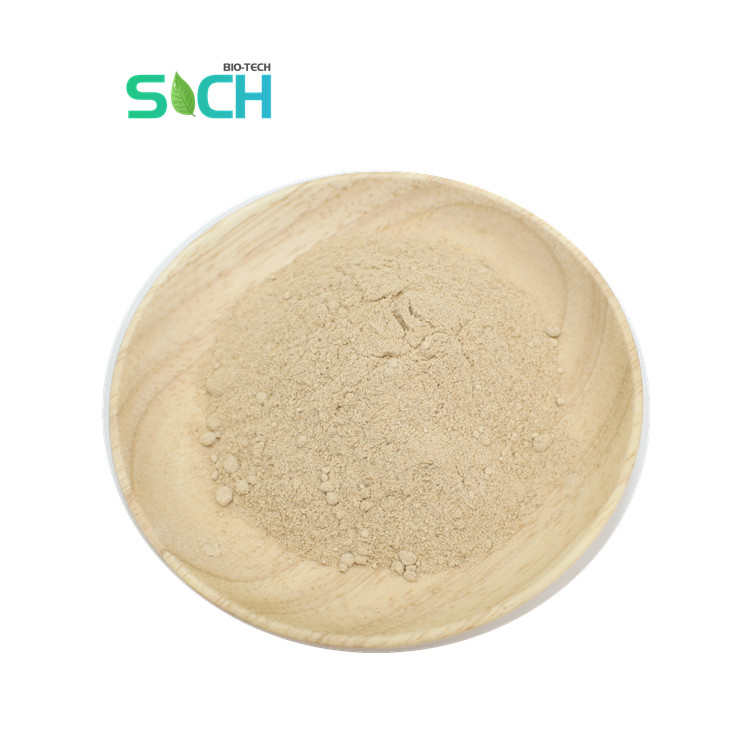
Factory Supply Food Grade Yeast Beta Glucan 70% 80% 90% Yeast Extract Powder Beta Glucan Extract
Assay: 70% / 80% / 90%
MOQ: 1 kg
Direct factory supply for dietary supplements, functional beverages, cosmeceuticals, and personal care. Tested by HPLC & LC-MS for batch-to-batch repeatability.
A manufacturer's guide to navigating botanical integrity, chromatographic validation, and regulatory compliance across global nutraceutical and cosmetic industries.
In modern industrial sourcing, purchasing bulk plant extracts and botanical active powders is no longer a rudimentary commodity transaction governed purely by unit price. Global consumer vigilance, rigorous FDA 21 CFR Part 111 cGMP inspections, European Pharmacopoeia (Ph. Eur.) monographs, and heightened demand for clean-label validation have transformed wholesale botanical sourcing into an analytical science. Global formulators must bridge the gap between plant biodiversity and chemical consistency.
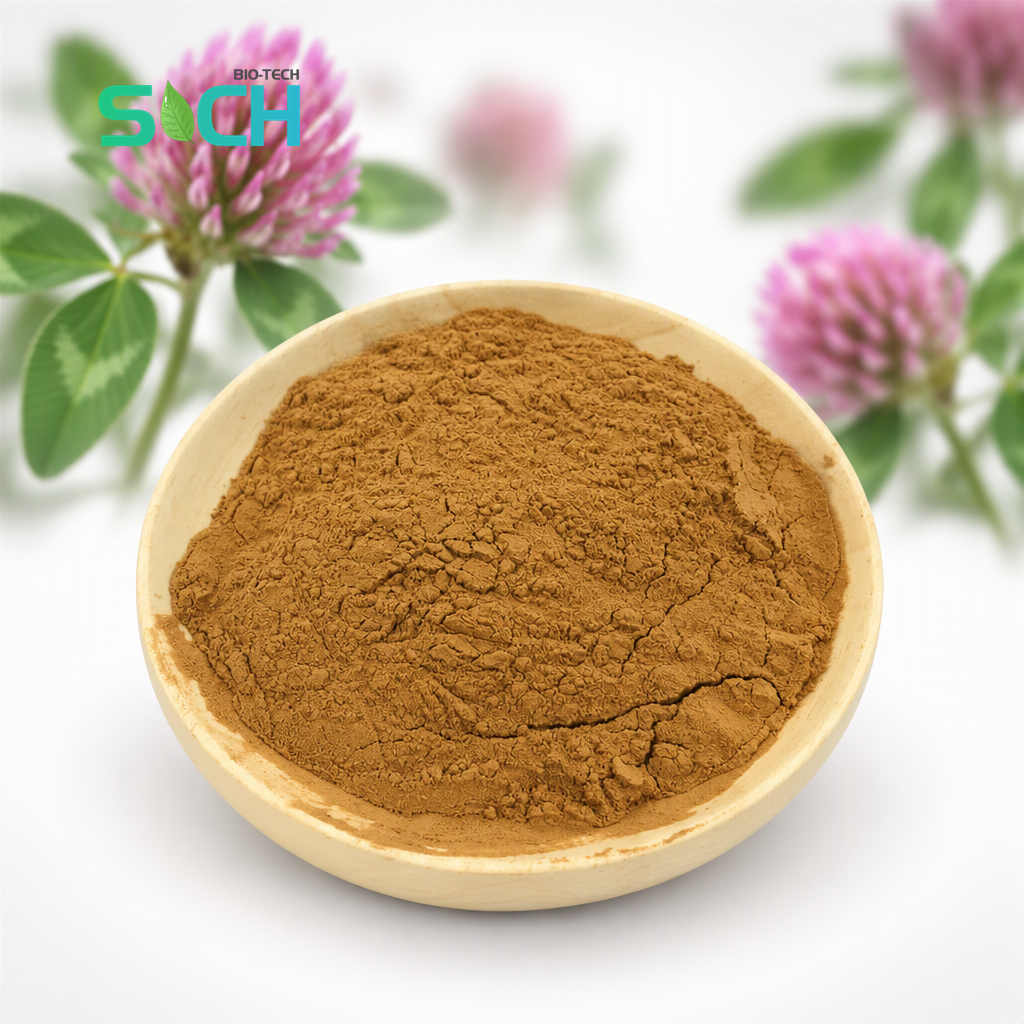
A persistent vulnerability in wholesale extraction lies in the exploitation of TLC (Thin-Layer Chromatography) ratio extracts (such as 10:1 or 20:1 claims). Without quantitative marker verification, low-tier producers may dilute native extracts with maltodextrin, starches, or exogenous synthetic nitrogen compounds to mimic purity. Gavra Bio-Tech enforces authenticated botanical identification at the cultivation phase, executing full-spectrum profiling to guarantee that bioactives—from total isoflavones in red clover to high-molecular-weight polysaccharides in yeast beta-glucan—mirror identical chromatograms across commercial lots.
Our analytical laboratories operate alongside 3 dedicated extraction lines. Every inbound harvest and finished spray-dried batch undergoes rigorous spectroscopic and chromatographic screening before the issuance of an authentic Certificate of Analysis (COA).
Empowers ultra-trace quantification, molecular weight confirmation, and identification of adulterants or non-target degradation products at parts-per-billion sensitivity.
Delivers high-precision spectrophotometric assay of target active groups, guaranteeing uniform colorimetric values and phenolic concentrations across mass runs.
Produces definitive high-performance botanical fingerprints, comparing specimen spectra against reference herbs to eradicate raw-material species cross-contamination.
Beyond chromatographic active assays, our quality assurance matrix complies with strict global limits on residual contaminants. Raw powder lots are scrutinized for heavy metals (Lead ≤ 0.5 ppm, Arsenic ≤ 0.5 ppm, Cadmium ≤ 0.2 ppm, Mercury ≤ 0.1 ppm via ICP-MS), residual solvents (monitored via Headspace Gas Chromatography GC-FID adhering to USP <467> Class 1, 2, and 3 thresholds), pesticide multiresidues (validated via GC-MS/MS against 400+ compounds under EP 2.8.13 guidelines), and microbiological limits (Total Aerobic Plate Count < 1,000 CFU/g, Yeast & Mold < 100 CFU/g, Absent Salmonella, E. coli, and Staphylococcus aureus).
Market intelligence, supply-chain risk mitigation, and technical advancements driving wholesale procurement decisions over the next 3 to 5 years.
Importers are migrating away from fragmented middle-market brokers in favor of vertically integrated manufacturers controlling agricultural acreage. Direct ownership of botanical land (such as Gavra's 500-acre experimental farm) hedges against volatile pricing cycles, raw-crop shortages, and unapproved chemical pesticide use, safeguarding long-term batch security for institutional brands.
The boundary between traditional botanical solvent extraction and advanced precision bio-fermentation is dissolving. Synthesizing complex osmolytes (like Ectoine 99%) and highly defined polysaccharides (such as Yeast Beta-Glucan 80%) using high-yield microbial fermentation minimizes ecological footprint, improves purity profiles, and satisfies international ESG criteria.
Procurement directors increasingly demand customized post-processing functionality. Standard botanical powders are prone to hygroscopic clumping, poor cold-water solubility, or chemical degradation when exposed to oxygen. Modern extraction manufacturing incorporates spray granulation, liposomal carriers, and microencapsulation to ensure optimal powder flowability and shelf-stability.
Engineered continuous processing workflows guarantee high active ingredient retention, non-thermal preservation, and tailored particle distribution.
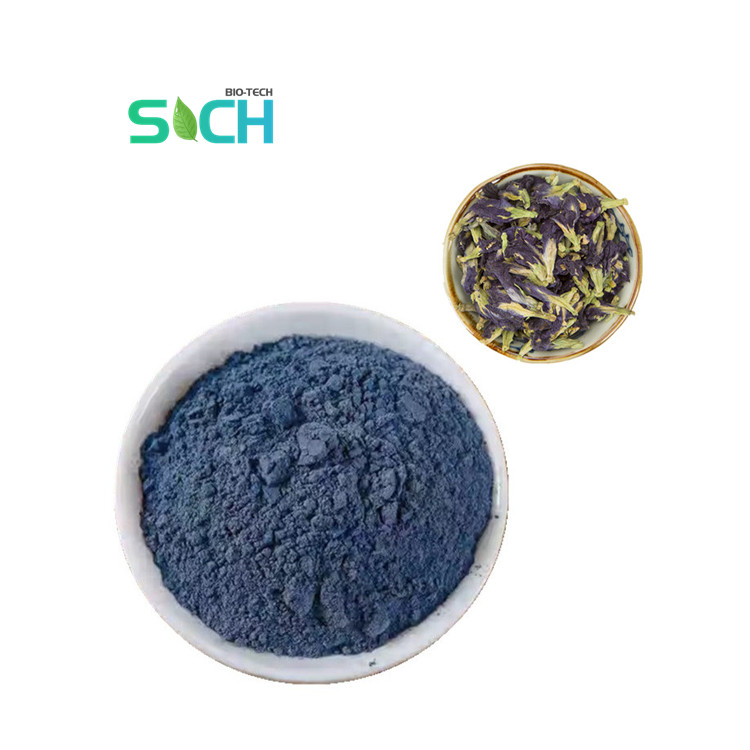
Continuous automated tanks circulate optimal food-grade hydro-ethanolic mixtures at stabilized low temperatures. This method maximizes the yield of thermo-labile compounds (including anthocyanins in butterfly pea flower and isoflavones in red clover) without subjecting raw matrices to thermal degradation.
Crude liquid extracts are refined through multi-stage nanofiltration membranes and macroporous adsorption resin columns. This step systematically isolates the desired active molecules, eliminating inactive heavy starches, inorganic minerals, and non-target pigments.
Aseptic centrifugal spray drying inside our 100,000-class clean workshop transforms concentrated eluents into micro-fine, free-flowing powders. Tailored mesh sizes (80 mesh to 200 mesh) are calibrated to ensure instant dispersibility in beverage applications and smooth integration into emulsions.
Combining agricultural origins, specialized synthesis lines, and transparent export logistics to lower your total cost of quality.
Operates under rigorous environmental hygiene controls with 150+ equipment sets handling extraction, vacuum rectification, distillation, and crystallization.
Direct farm-gate origin oversight guarantees authentic botanical taxonomy, minimized heavy metal absorption from soil, and consistent seasonal harvests.
Our sales engineering team delivers dedicated commercial, technical, and regulatory feedback within an average of 2 hours, minimizing project delays.
Enjoy preferential freight rates and priority customs clearance. In-stock raw materials dispatch within 3 to 5 business days with complete DDP/CIF coverage.
Clear answers regarding specifications, batch testing, sampling protocols, and international shipping.