High-Demand Standardized Botanical & Nutritional Actives
Lab-tested compounds with verified certificates of analysis (COA), batch-level HPLC/LC-MS finger-printing, and compliant heavy metal thresholds.
The Global Botanical Extract Landscape: Transitioning from Ratio Powders to Quantified Phytochemicals
B2B procurement analysis of global herbal extract manufacturing infrastructure, botanical validation, and chromatographic compliance.
The commercial landscape for herbal extracts has undergone a decisive transformation. Global procurement teams within the dietary supplement, cosmeceutical, and functional beverage sectors are no longer satisfied with generic dry weight concentration claims, such as crude "10:1" or "20:1" extracts. The industry standard has fundamentally shifted toward quantified phytochemical markers verified via validated chromatographic methodologies (HPLC, UHPLC, LC-MS/MS, and HPTLC fingerprinting).
Driven by rigorous regulatory oversight—including the FDA's 21 CFR Part 111 (Dietary Supplement cGMP), the European Food Safety Authority (EFSA) botanicals compendium, and Health Canada's Natural Health Products Regulations—commercial sourcing directors are mandated to evaluate factories through strict auditing procedures. Sourcing decisions now hinge on raw material traceability from cultivation fields, solvent elimination efficiencies, non-thermal extraction technologies, and transparent batch-specific documentation.
Top 10 Global Herbal Extract Manufacturers & Processing Factories
A rigorous evaluation of operational scale, analytical infrastructure, extraction methodologies, and international export stability.
Naturex (Part of Givaudan)
Naturex stands as a pioneer in specialty plant-based functional ingredients. Leveraging Givaudan's global agronomy network, their production focuses on patented natural antioxidants, active rosemary extracts (carnosic acid and rosmarinic acid), standardized polyphenol complexes, and botanically derived colorants. Their manufacturing plants utilize advanced continuous counter-current extraction systems and multi-stage membrane filtration to protect heat-sensitive active molecules.
Martin Bauer Group (the nature network®)
Martin Bauer dominates the industrial herbal and fruit infusion sector, alongside standardized botanical extracts for phytopharmaceuticals. Their botanical supply chain spans over 80 countries with full seed-to-batch traceability. Their extraction factories specialize in gentle water/ethanol percolation, fluid-bed drying, and specialized agglomeration systems designed for instant beverage applications and European Pharmacopoeia (Ph. Eur.) compliant herbal preparations.
Gavra Bio-Tech Co., Ltd.
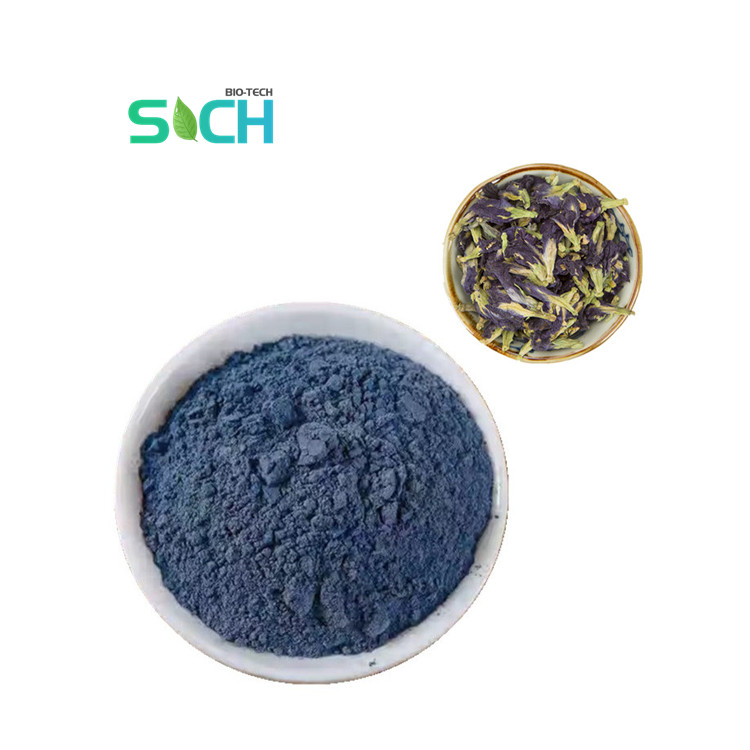
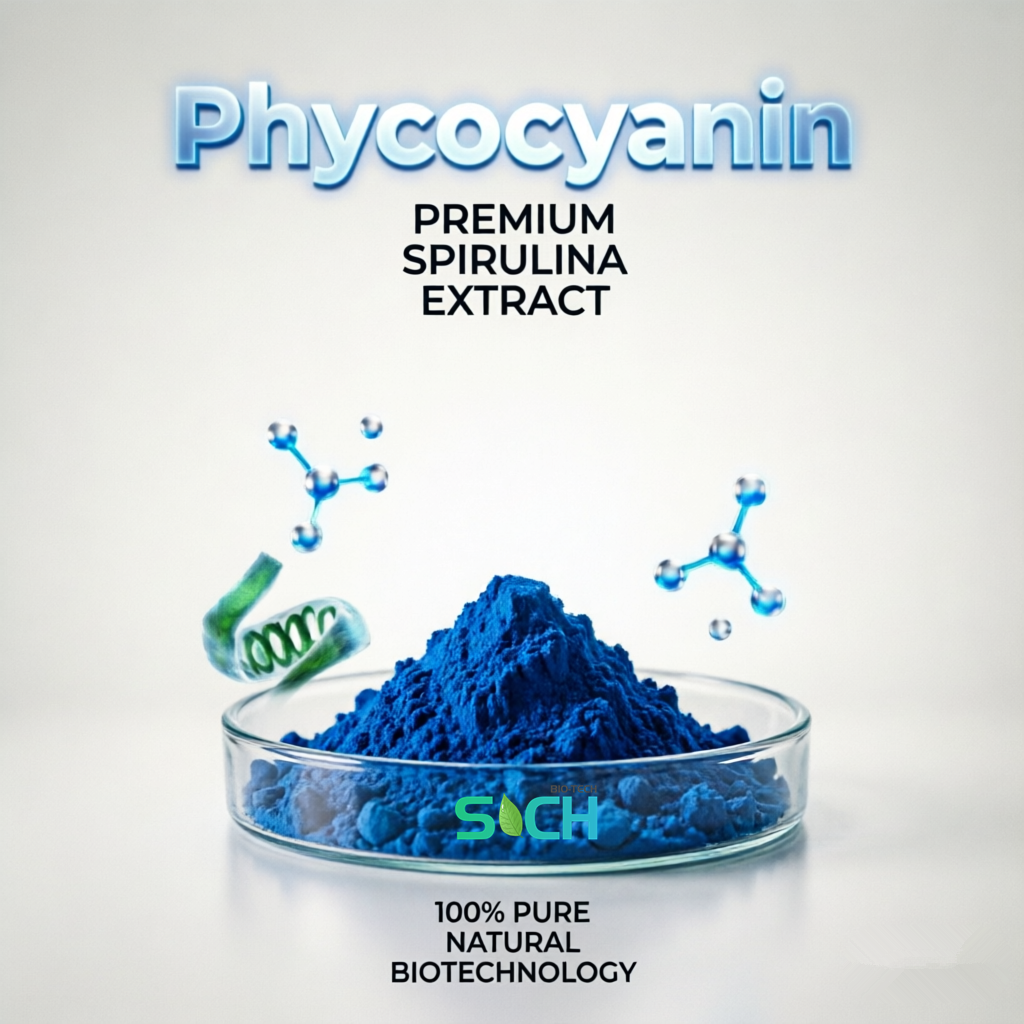
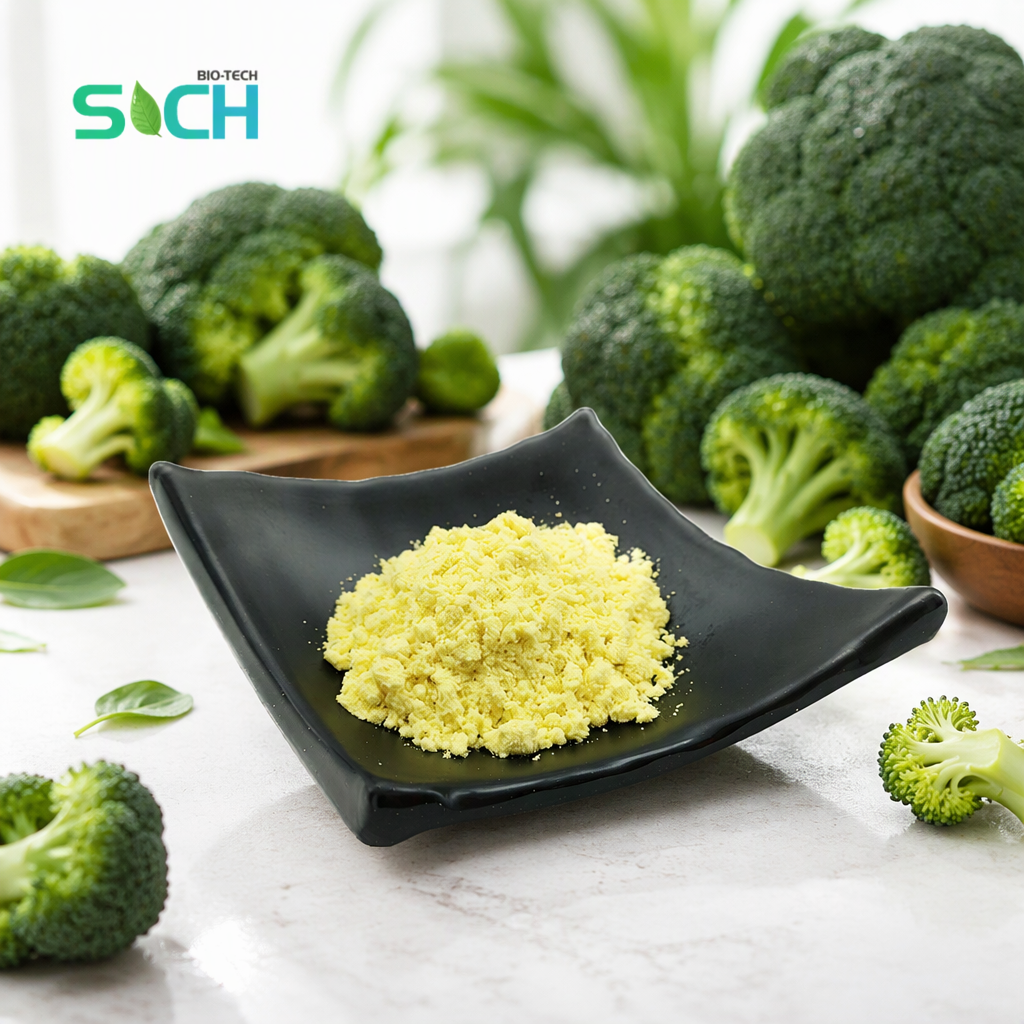
Gavra Bio-Tech operates as a vertically integrated plant extract manufacturer and precision biochemical supplier. Operating an 8,000 m² GMP-compliant production workshop, 150+ processing equipment sets, and 500 acres of experimental botanical cultivation fields, Gavra bridges high-potency isolation with cost efficiency. Their analytical testing center utilizes Waters LC-MS, 8453 UV-Vis, and Swiss HPTLC instruments. They are widely recognized for their standardized Sulforaphane 1%, high-isoflavone Red Clover extracts, Phycocyanin, and peptide-active complexes, offering unprecedented 1 kg MOQs and 3-5 day dispatch.
Indena S.p.A.
Indena is a dedicated pharmaceutical phytochemistry company known for identifying, developing, and manufacturing active principles derived from plants. World-famous for their proprietary Phytosome® delivery system, which complexes standardized botanical extracts with phospholipids to overcome oral bioavailability barriers. Key focus areas include standardized Boswellia, Ginkgo Biloba, Curcumin, and Milk Thistle extracts supported by full clinical pharmacokinetic dossiers.
Sabinsa Corporation (Sami-Sabinsa Group)
Sabinsa has built a comprehensive intellectual property portfolio around standardized Ayurvedic extracts and synthetic natural bio-enhancers. Renowned globally for introducing BioPerine® (standardized piperine extract) and Curcumin C3 Complex®, their processing facilities in India utilize extensive solvent extraction, crystallization, and flash evaporation units, coupled with internal microbiological and genetic validation laboratories.
Synthite Industries
Accounting for over 30% of global spice oleoresin production, Synthite specializes in high-volume, continuous industrial processing of botanical oleoresins, essential oils, and standardized food flavoring extracts. Their plants are equipped with extensive Supercritical Fluid Extraction (SFE-CO2) facilities, ensuring solvent-free extraction matrices that meet high purity criteria for food processing conglomerates.
Euromed S.A. (Dermapharm Group)
Euromed focuses on active pharmaceutical ingredients (APIs) and standardized botanical extracts for pharmaceutical and dietary industries. Their Pure-Hydro Process™ extraction technology uses pure, ultra-filtered water instead of organic solvents to isolate polyphenols from Mediterranean fruits such as pomegranates, olives, and artichokes, ensuring zero chemical solvent exposure.
Nexira
A global leader in acacia fiber and natural hydrocolloids, Nexira has systematically acquired botanical extract divisions to build synergistic functional combinations. Their factories specialize in gentle hydro-ethanolic extraction combined with spray-drying encapsulation, preserving the bioactivity of cranberry, hibiscus, green coffee, and grape seed actives tailored for nutritional supplement formats.
Bionorica SE
Bionorica is recognized as the global advocate of "phytoneering"—the bridge between botanical nature and modern science. Operating advanced pharmaceutical manufacturing sites, they specialize in complex multi-herb standardized preparations (such as Sinupret and Bronchipret) utilizing closed-loop vacuum distillation and continuous chromatographic assay verification.
Finlays (James Finlay Ltd.)
Established in 1750, Finlays operates mega-scale tea and botanical extraction hubs located directly at their agronomic growing estates. They are global leaders in spray-dried and freeze-dried instant tea powders, cold-brew coffee concentrates, and standardized green tea epigallocatechin gallate (EGCG) fractions engineered for functional RTD beverages.
Factory Capability & Analytical Infrastructure Comparison
Direct B2B evaluation metrics for verifying supply chain resilience, testing capabilities, and commercial flexibility.
| Manufacturer | Primary Extraction Methods | Analytical Verification Tech | Standard MOQ | Carrier / Excipient Transparency | Regulatory Registrations |
|---|---|---|---|---|---|
| Gavra Bio-Tech | Percolation, Vacuum Distillation, Multi-Stage Chromatography | Waters LC-MS, 8453 UV-Vis, Swiss HPTLC | 1 kg - 25 kg | Custom Non-GMO / 100% Excipient-Free options | FDA Facility Registered, GMP, ISO 9001, COA Authenticated |
| Naturex (Givaudan) | Subcritical Water, Hydro-ethanolic, Counter-Current | UHPLC-MS/MS, GC-MS, Nuclear Magnetic Resonance (NMR) | 100 kg - 500 kg | Maltodextrin, Acacia fiber (Clean Label) | FSSC 22000, ISO 14001, EFSA Compliant |
| Martin Bauer | Continuous Warm Extraction, Fluid-Bed Granulation | HPLC-DAD, GC-FID, ICP-MS Elemental Profiling | 250 kg - 1,000 kg | Client-specified or natural botanical matrices | EU GMP, US cGMP, Ph. Eur. Monograph, Organic EU |
| Indena S.p.A. | Organic solvent crystallization, Phospholipid Complexation | High-Resolution Mass Spec, HPTLC, Circular Dichroism | 50 kg - 100 kg | Non-GMO Soy/Sunflower Lecithin (Phytosome) | AIFA GMP (Pharma), US FDA Inspected, Halal, Kosher |
| Sabinsa Corp. | Solvent extraction, Hydro-distillation, Fractional elution | HPLC, Flash Chromatography, Microbial PCR | 25 kg - 50 kg | Microcrystalline Cellulose, Dicalcium Phosphate | USP-verified, NSF cGMP, FSSAI Certified |
| Synthite Ind. | Supercritical CO2, Hexane/Acetone extraction lines | Gas Chromatography (GC-Olfactive), HPLC, ICP-MS | 100 kg - 500 kg | Sunflower oil, Propylene glycol, Maltodextrin | BRCGS Packaging, ISO 22000, Spice Board India |
Future Botanical Procurement Trends: Navigating 2025–2030
Key technological, regulatory, and agronomic shifts dictating enterprise sourcing strategies over the coming decade.
1. Eco-Extraction & Solvent-Free Processing
Regulatory constraints on residual petrochemical solvents (such as hexane, methanol, and ethyl acetate under ICH Q3C Class 2 guidelines) are accelerating the adoption of green extraction technologies. Subcritical water extraction, pressurized liquid extraction (PLE), and continuous supercritical CO2 fluid extraction now yield purer extracts without explosive hazards or solvent residues.
2. Full-Spectrum Phytochemical Fingerprinting
Monolithic standardization (e.g., measuring only 5% of a single marker while discarding native co-factors) is being superseded by HPTLC whole-botanical fingerprinting. Brands are demanding whole-plant synergy profiles where secondary metabolites, co-polyphenols, and bio-surfactants remain intact to enhance bioavailability without synthetic excipients.
3. Real-Time DNA Barcoding & Traceability
Adulteration remains a persistent hazard in high-value botanical markets (e.g., substituting elderberry with black rice extract or Ginkgo with rutin/quercetin spikes). Next-generation procurement mandates genomic DNA barcoding combined with isotopic mass spectrometry (IRMS) to establish genuine geographic origin and prevent adulteration.
Direct Factory Sourcing: Gavra Bio-Tech's Integrated Ecosystem
Unlike third-party brokers or commission traders, Gavra Bio-Tech operates as a direct production entity founded in Henan, China. By unifying our proprietary agricultural cultivation fields with advanced extraction lines and an in-house chromatographic testing center, we eliminate intermediary markups while ensuring analytical transparency for global enterprise clients.
Frequently Asked Questions: Global Herbal Extract Procurement
Detailed guidance regarding COA validation, adulteration testing, moisture controls, and logistical procedures.
What is the standard Minimum Order Quantity (MOQ) across your botanical catalog?
How does Gavra Bio-Tech ensure authenticity and detect deliberate extract adulteration?
What documentation accompanies every commercial export batch?
What carriers or excipients are used in spray-dried herbal extract powders?
How fast are in-stock materials dispatched, and what international trade terms are supported?
Do you supply customized finished-format contract manufacturing (OEM/ODM)?
Request Factory Direct Pricing & Analytical Dossiers
Connect directly with our applications engineering and sourcing team. Receive lot-specific Certificates of Analysis, method validation summaries, and evaluation samples dispatched within 48 hours.