Verified Active Portfolio
Standardized Actives & High-Purity Botanical Derivatives
Direct factory allocation of lab-verified cosmetic raw materials, standardized bioactive seeds, and functional food extracts manufactured under audited cGMP and ISO protocols.
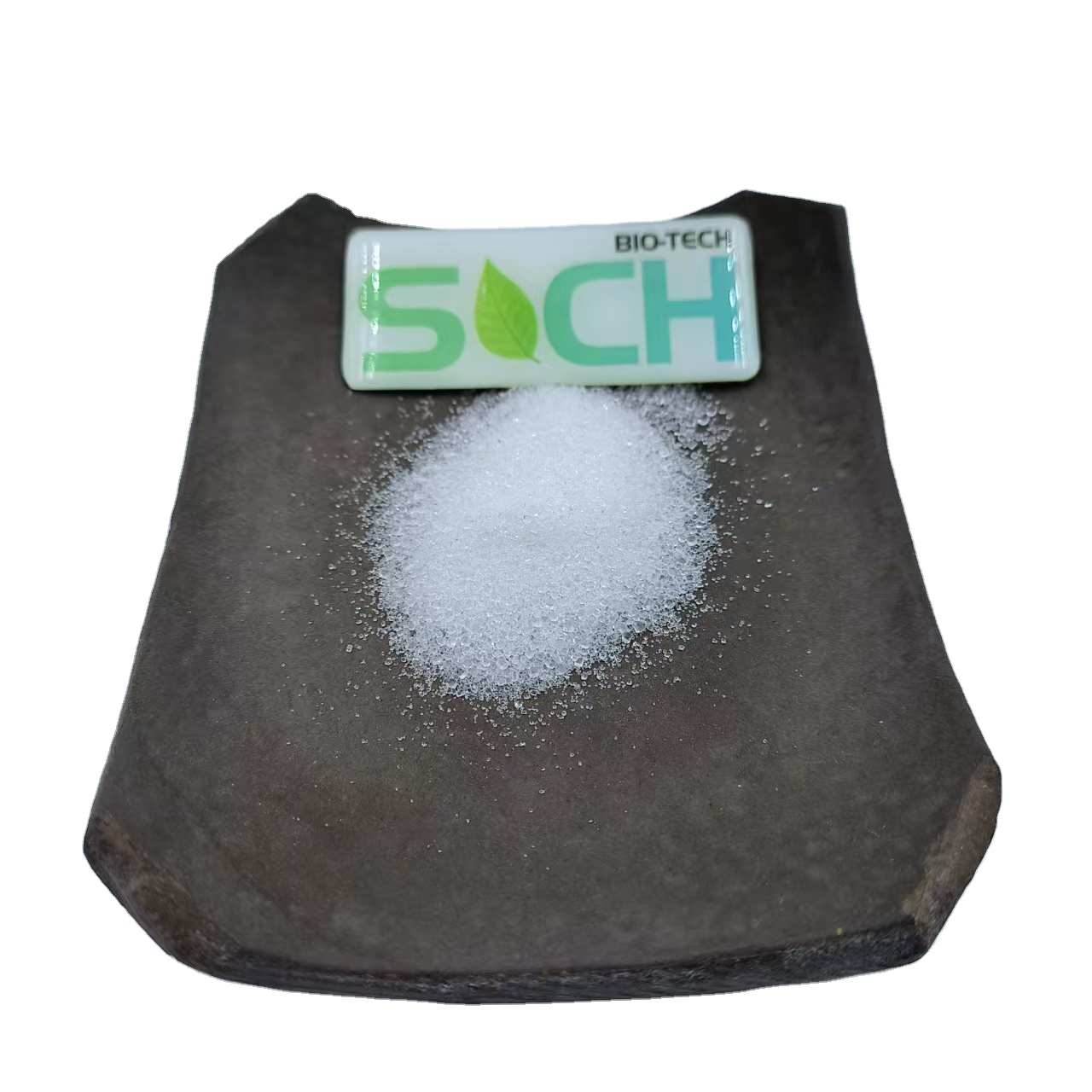
CP95 / NF13 • Food Grade
Sodium Cyclamate CP95/NF13 Manufacturer Price Flavoring Agents Sodium Cyclamate Powder
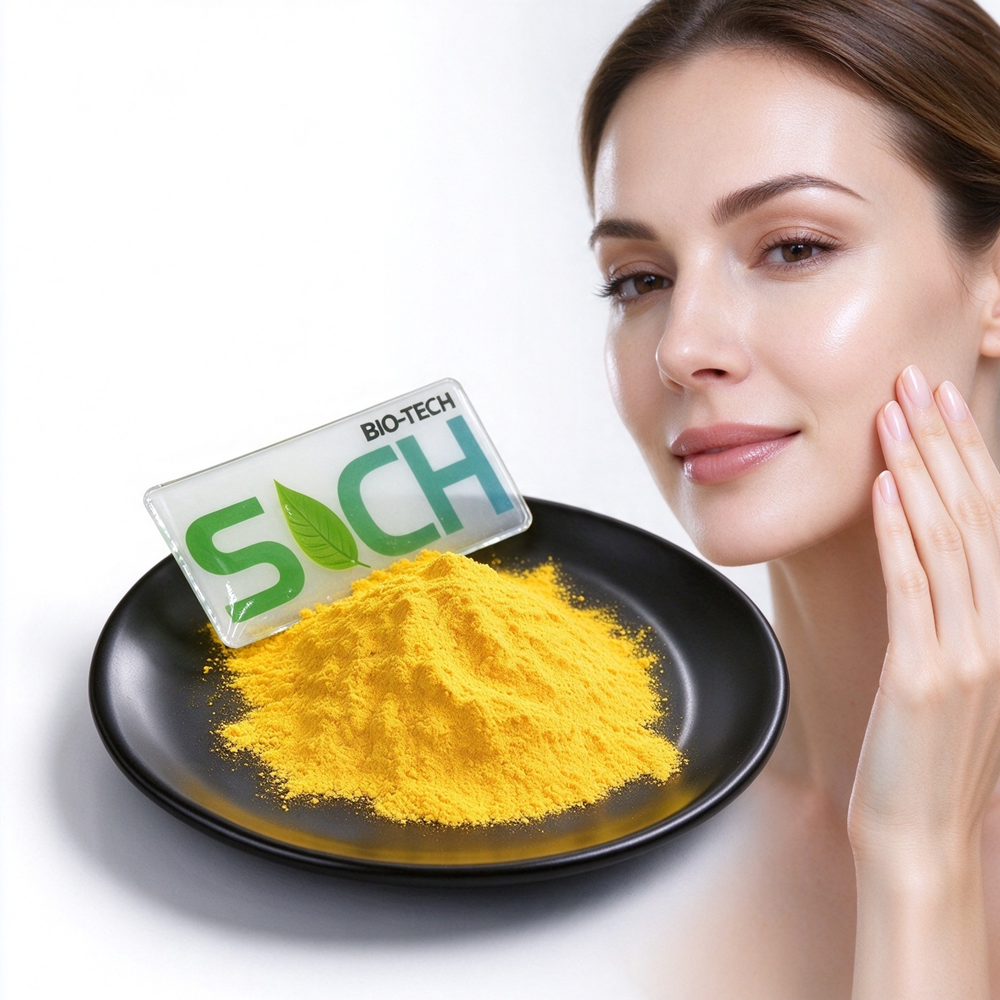
Retinoid Active • 99% HPLC
High Quality 99% Hydroxypinacolone Retinoate CAS 893412-73-2 HPR Powder Hydroxypinacolone Retinoate
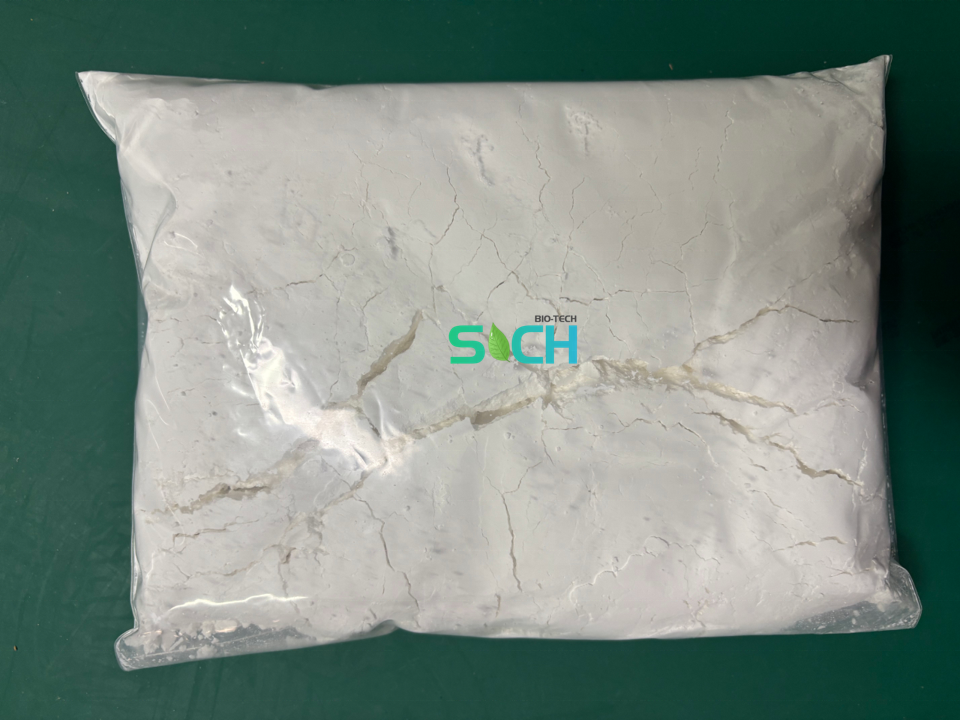
CAS 96702-03-3 • 99% HPLC
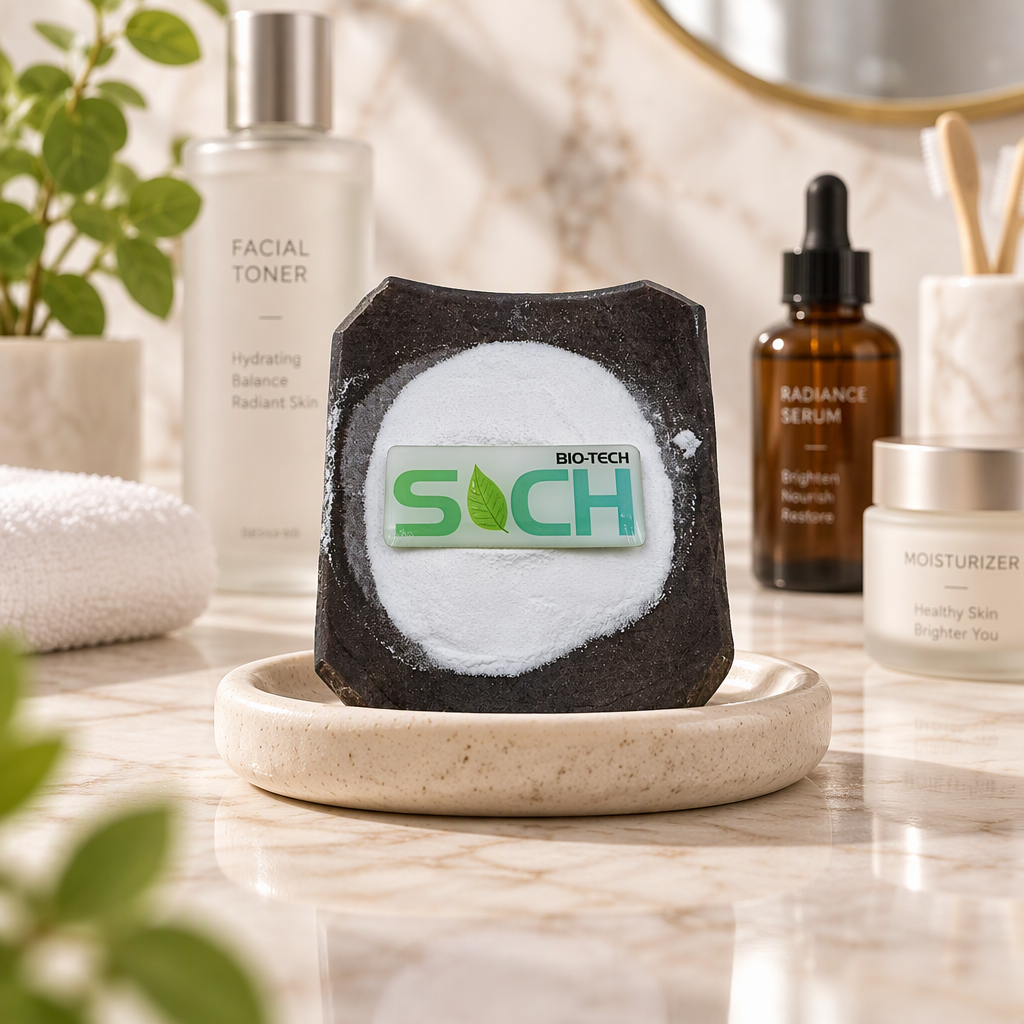
Ectoine Powder 99% HPLC, Cosmetic Grade Raw Material, CAS 96702-03-3, C6H10N2O2, 1kg/25kg
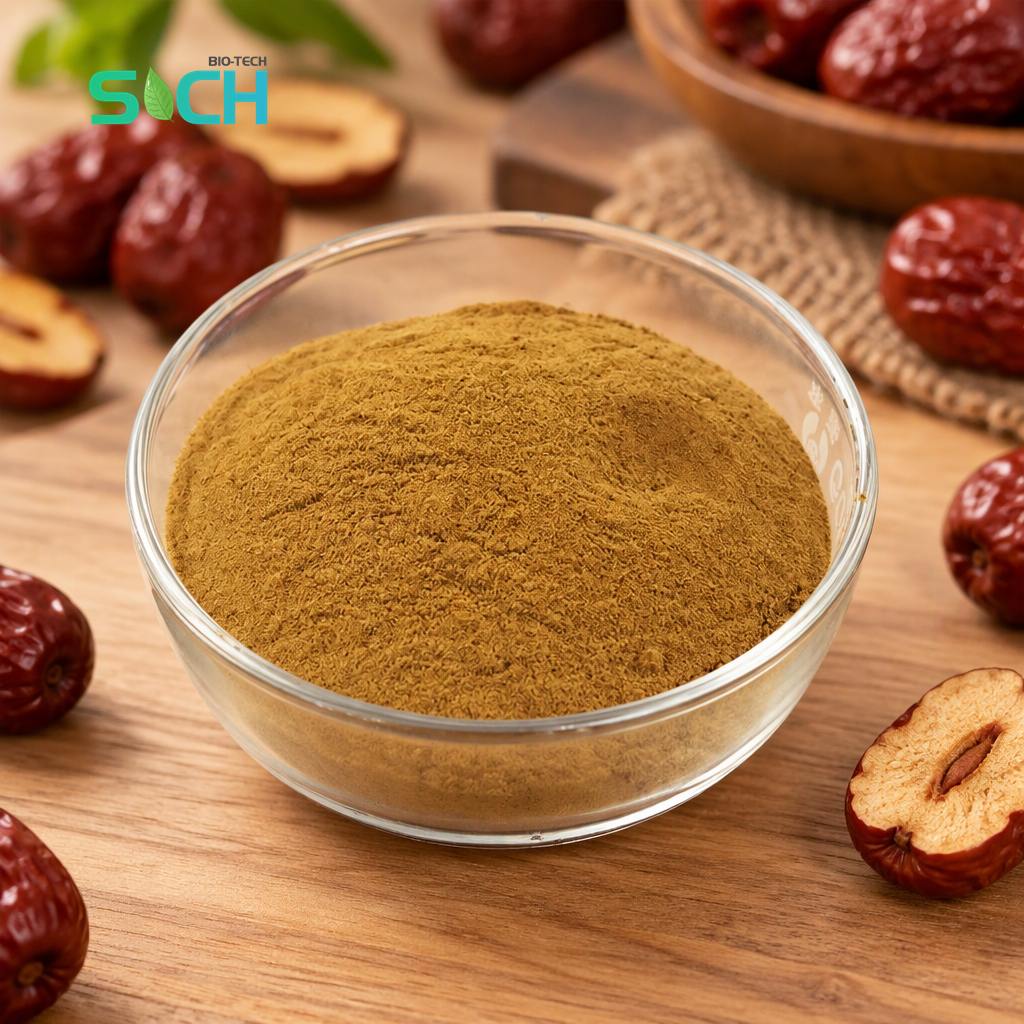
Seed & Fruit • 30% Polysaccharide
Pure Natural Red Jujube Extract 30% Food Grade Wild Jujube Extract Powder Polysaccharide
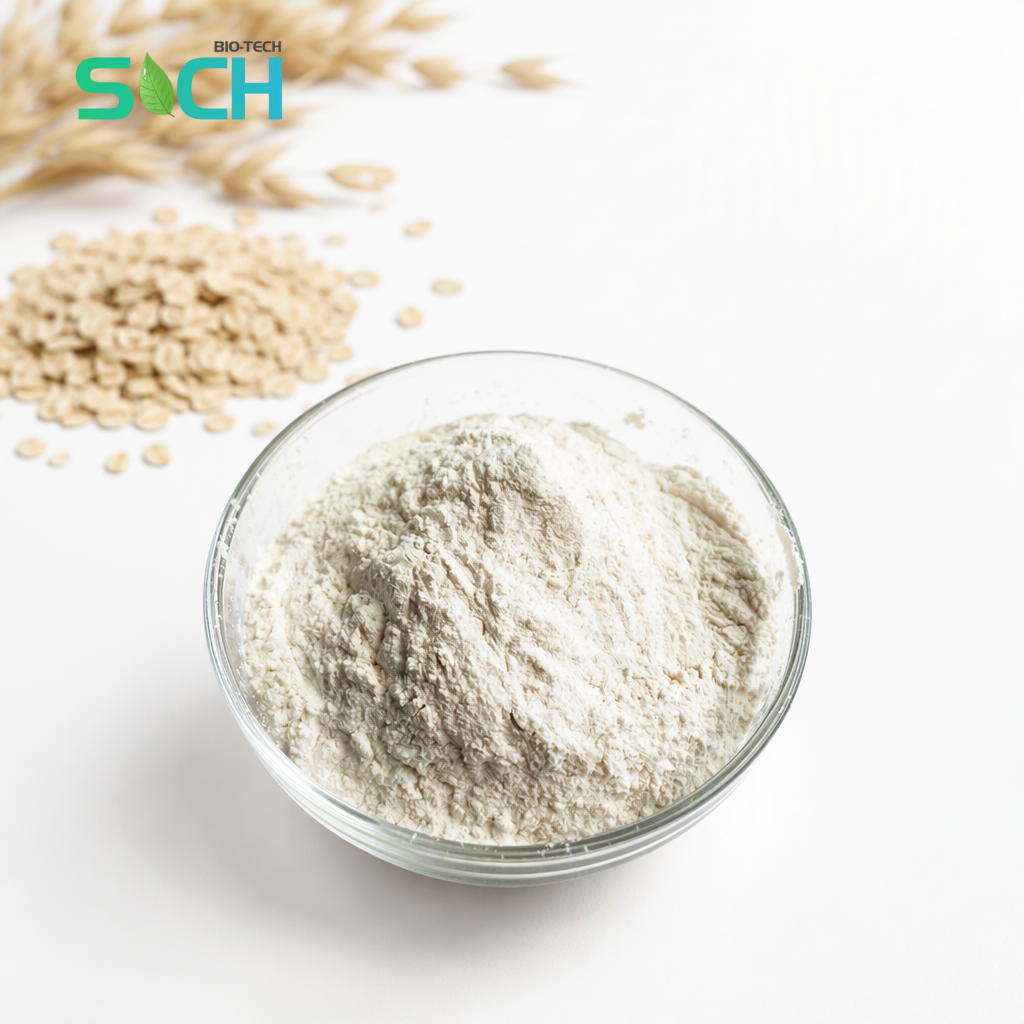
Oat Kernel Active • 70%-90%
High Quality Oats Beta Glucan Oat Extract 70% 80% 90% Oat Beta Glucan Powder
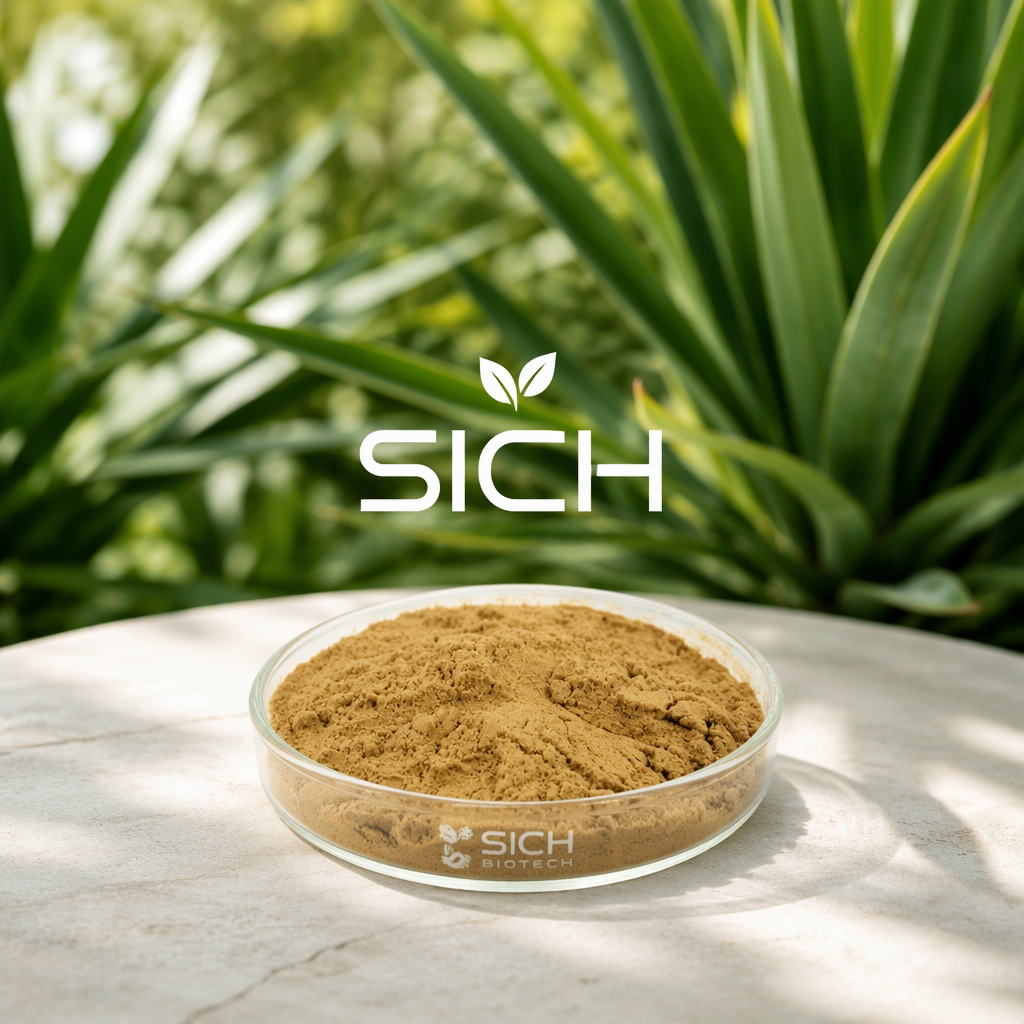
Saponins • 30% / 50%
Bulk Wholesale Yucca Schidigera Extract Powder 30% 50% Supplement Yucca Extract
1. The Global Landscape of China Seed Extract & Botanical Active Manufacturing
The global pharmaceutical, nutraceutical, and cosmeceutical sectors are undergoing a transformative paradigm shift toward standardized, plant-derived bioactive molecules. China has emerged not merely as a primary agricultural reservoir for botanical seeds—ranging from polyphenolic grape seeds (Vitis vinifera), sulforaphane-dense broccoli seeds (Brassica oleracea), wild jujube kernels (Ziziphus jujuba), to lipidic and steroidal seed fractions—but as the premier global engineering powerhouse for bio-refining, subcritical chromatography, and high-titer phytochemical crystallization.
As international regulatory authorities (including the United States FDA, European EFSA, and international pharmacopeias) heighten threshold restrictions on residual extraction solvents, heavy metal bio-accumulation, polycyclic aromatic hydrocarbons (PAHs), and pesticide residues, procurement directors can no longer rely on unstandardized aggregate suppliers. Navigating this stringent ecosystem requires engaging directly with primary manufacturers that possess integrated agricultural lineage, validated extraction kinetics, and comprehensive analytical laboratories.
Information Gain Principle: Precision botanical extraction requires an intimate thermodynamic understanding of the plant matrix. Seed coats typically contain protective lignified sheaths, wax compounds, and polyphenolic complexes that demand multi-stage processing: precise seed dehulling, cold micronization, selective enzymatic maceration, and controlled fluid extraction to liberate target metabolites without thermal denaturation.
Primary Technological Pillars of Modern Phytochemical Manufacturing
Top-tier Chinese botanical manufacturers have evolved well beyond traditional atmospheric reflux maceration. Today, precision facilities deploy three distinct extraction and purification paradigms:
- Supercritical Fluid Extraction (SFE-CO2): Operating above the thermodynamic critical point (31.1°C and 73.9 bar), carbon dioxide acts as a non-toxic, lipophilic solvent capable of isolating non-polar seed oils, lipidic active fractions, and volatile sterols without trace solvent residues or high-temperature degradation.
- High-Resolution Preparative Column Chromatography: Utilizing synthetic macroporous adsorbent resins (e.g., polystyrene-divinylbenzene matrices) and ion-exchange beds, crude seed percolates are separated into discrete chemical fractions, elevating marker compounds such as proanthocyanidins, polysaccharides, and glycosides to guaranteed 30%, 50%, or 98% assay purities.
- Continuous Counter-Current Ultrasonic-Assisted Extraction (UAE): Utilizing cavitation energy to mechanically rupture botanical cell walls at reduced thermal footprints (35°C to 50°C), maximizing yield retention of thermolabile compounds like sulforaphane, glucoraphanin, and peptide-complexed actives.
2. Enterprise Core Competencies: Gavra Bio-Tech Engineering Infrastructure
Headquartered in Henan, China, Gavra Bio-Tech Co., Ltd. represents the apex of modern research-driven botanical and cosmetic ingredient manufacturing. By fully bridging agricultural cultivation directly with advanced molecular isolation, our operations offer industrial purchasers unparalleled batch-to-batch reproducibility, transparent audit trails, and fully auditable analytical validation.
Agronomic Seed Traceability
Over 500 dedicated acres of GAP experimental plant fields. Complete control over seed genetics, organic soil remediation, and pesticide-free cultivation practices.
8,000 m² cGMP Infrastructure
Controlled clean-room workshops equipped with 150+ specialized processing sets spanning extraction, molecular distillation, rectification, and spray crystallization.
Waters LC-MS / Swiss HPTLC Lab
Internal Quality Analysis and Testing Center equipped with Waters Liquid Chromatography-Mass Spectrometry, Agilent UV-Vis, and Swiss HPTLC botanical fingerprinting scanners.
Rapid Global Fulfillment
Held ready-to-ship SKUs in our temperature-controlled warehouses. 3 to 5 business days dispatch window via FedEx and DHL SVIP premier tier freight lines.
Full OEM/ODM Contract Formats
End-to-end custom contract manufacturing covering soft candy gummies, vegan plant capsules, micro-tablets, and bespoke botanical reconstitution ratios.
Technical Formulation Support
Direct dialogue with experienced biochemical application engineers offering instant solubilization protocols, excipient pairing guidance, and regulatory documentation.
3. Future Procurement & Technological Trends in Seed Extracts (2025–2030)
Formulation scientists and corporate procurement executives are operating in a market defined by evolving consumer clean-label scrutiny and tightening carbon-neutral supply covenants. Understanding the macroeconomic and scientific vectors altering seed-derived botanicals is vital for forward-looking sourcing strategies.
A. Upcycled Seed Sourcing & Agro-Industrial Circularity
Agricultural processing historically treated seed hulls and meal cakes as low-value animal feed or landfill waste. In modern high-efficiency manufacturing, agro-industrial by-products (such as cold-pressed berry seeds, apple pomace, and walnut hulls) are systematically re-channeled into secondary solvent fractionation. Sourcing from manufacturers utilizing circular feedstock pipelines delivers dual dividends: stabilized lower raw material costs and measurable Scope-3 decarbonization metrics required by global conglomerates.
B. Precision Standardization via Tandem Chromatography (LC-MS/MS)
The industry is transitioning decisively away from vague "herb-to-extract ratios" (e.g., generic 10:1 or 20:1 claims) toward unambiguous, molecule-specific active percentages validated by high-performance liquid chromatography (HPLC) and mass spectrometry. Modern buyers specify active biomarker cut-offs—such as ≥30% jujube polysaccharides, ≥99% Hydroxypinacolone Retinoate (HPR), ≥99% Ectoine, or ≥80% beta-glucan—guaranteeing that end-product clinical efficacy remains uncompromised by annual crop variations.
C. Clean-Label Subcritical Water & Green Eutectic Solvents (NADES)
While hexane, acetone, and ethyl acetate remain staple solvents in legacy manufacturing, upcoming REACH and FDA guidance favors deep eutectic solvents (NADES) and subcritical water extraction. Operating water at elevated pressure while maintaining the liquid state (100°C to 250°C) dramatically lowers its dielectric constant (ε), allowing it to behave like ethanol or methanol in dissolving medium-polarity phenolic compounds from seeds without introducing petrochemical solvents into the production chain.
| Evaluation Parameter | Legacy Extraction Paradigms | Next-Gen Sourcing Standards (Gavra Standard) | Formulation Consequence |
|---|---|---|---|
| Purity Metric | Generic Ratio (e.g., 4:1, 10:1 Extract) | Specific Assay (≥99% HPLC Marker Profile) | Eliminates batch potency volatility and under-dosing |
| Solvent Residues | Hexane / DCM under basic limits (≤50 ppm) | Pure Aqueous / Supercritical CO2 / Zero-VOC | Meets ultra-pure California Prop 65 & EU cosmetic safety |
| Heavy Metals (Pb, As, Cd, Hg) | Cumulative total <20 ppm | Individual ICP-MS testing: Pb <0.5, As <0.2 ppm | Streamlined pharmaceutical & clinical formulation pass rate |
| Microbiological Bioburden | Standard plate count <10,000 CFU/g | Irradiation-free clean drying <1,000 CFU/g | Extended shelf stability in active aqueous suspension systems |
4. Comprehensive Quality Control, Impurity Profiling & Testing Protocols
At Gavra Bio-Tech, product release is strictly gated by chemical, physical, and microbiological verification performed in our Henan Analytical and Testing Center. Our analytical workflows follow harmonized USP, EP, and ChP guidelines to eliminate common industrial adulteration hazards.
Chromatographic Fingerprinting & Botanical Authentication
Botanical seed extracts represent complex biochemical matrices where adulteration with cheaper plant fractions or synthetic dyes is a known industry vulnerability. To prevent economic adulteration, our laboratory employs High-Performance Thin-Layer Chromatography (Swiss HPTLC) alongside High-Performance Liquid Chromatography paired with Diode Array Detection (HPLC-DAD). Each batch must match standard botanical reference materials (BRMs) across primary and secondary marker peak ratios before release.
Residual Solvent & Elemental Contaminant Safeguards
Pesticide residues, polycyclic aromatic hydrocarbons, and halogenated volatile organic compounds are assayed via Gas Chromatography coupled with Mass Spectrometry (GC-MS/MS). Concurrently, heavy metals—arsenic, cadmium, lead, and mercury—are quantified via Inductively Coupled Plasma Mass Spectrometry (ICP-MS) down to sub-part-per-billion (ppb) thresholds, satisfying the most stringent food additive regulations and infant formulation thresholds globally.
Batch Traceability Commitment: Every commercial shipment leaves our plant accompanied by a comprehensive Certificate of Analysis (COA) specifying validated moisture content, bulk density, tap density, mesh particle size distribution (typically 80-100 mesh), residual ash content, and chromatographic active assay verification.
5. Industrial Sourcing & Procurement FAQ: Commercial, Regulatory & Technical Insights
Direct answers to common procurement questions from formulators, quality assurance directors, and import supply chain managers.
What are the typical Minimum Order Quantities (MOQs) for botanical seed extracts and pure cosmetic actives?
Our flexible manufacturing lines allow us to support diverse operational scales. For standardized botanical powders, plant extracts, and premium cosmetic grade actives (such as Hydroxypinacolone Retinoate, Ectoine, or Niacinamide), standard packaging begins at 1 kg vacuum-sealed multi-layer aluminum foil pouches. For synthesized cosmetic peptides (e.g., GHK-Cu, SNAP-8), MOQs start from 1 g to 10 g. Bulk food additives, functional sweeteners (such as Sodium Cyclamate), and high-volume fruit powders are supplied in 25 kg fiber drums lined with food-grade double polyethylene bags.
How does Gavra Bio-Tech ensure batch-to-batch solubility and color uniformity in aqueous systems?
Color and dissolution variability often stem from differences in raw seed harvest maturity, spray drying inlet temperatures, or carrier matrix distributions. We calibrate our spray-drying parameters via digital temperature-regulated atomizers and monitor bulk particle sizing through standardized 80-120 mesh sieves. Furthermore, our application engineers provide pre-shipment dissolution testing in targeted solvent systems (e.g., water, ethanol, butylene glycol) upon technical request, providing complete clarity curves and pH stabilization data.
What analytical documentation is supplied with pre-shipment qualification samples?
Every qualification sample package includes a complete technical dossier: the lot-specific Certificate of Analysis (COA), Technical Data Sheet (TDS), Safety Data Sheet (SDS in compliance with GHS / REACH format), allergen statement, Non-GMO declaration, BSE/TSE-free certification, and relevant HPLC or LC-MS chromatographic spectra. Pre-shipment working samples are drawn directly from the sealed commercial master batch to eliminate sample-to-production variance.
What shipping terms and regulatory customs support are available for European and North American buyers?
We support complete Incoterms 2020: FOB, CFR, CIF, CIP, FCA, and full door-to-door Delivered Duty Paid (DDP) for customers requiring simplified customs clearance. As a registered export facility with an SVIP commercial account with FedEx, DHL, and specialized air/sea freight logistics lines, we handle complete customs manifest declarations, HS-code tariff classifications (e.g., 2936, 1302), and phytosanitary inspection certificates.
Can Gavra Bio-Tech provide custom titration, carrier customization, or finished dosage OEM?
Yes. Beyond standard catalog purity grades, we engineer custom client formulations including carrier-free pure crystalline powders, custom spray-dried botanical premixes on maltodextrin, acacia gum, or silica carriers, and liquid active dilutions. Furthermore, our contract manufacturing workshops provide complete OEM/ODM production for plant capsules, micro-tablets, functional beverage stick-packs, and pectin/gelatin soft gummies under private label agreements.
Connect Directly with Our Phytochemical Engineering Team
Whether you are formulating a high-efficacy cosmetic emulsion, developing a functional dietary supplement, or requiring stable container-load botanical contracts, our technical sales engineers in Henan provide instant quotes, full analytical dossiers, and evaluation samples within 2 hours.