Featured Botanical & Nutrient Ingredients Available for Bulk Export
Each production lot undergoes chromatography identification, residual solvent clearance, and heavy metal testing. Explore our top verified industrial antioxidants and synergistic cellular compounds ready for rapid containerized and consolidated dispatch.
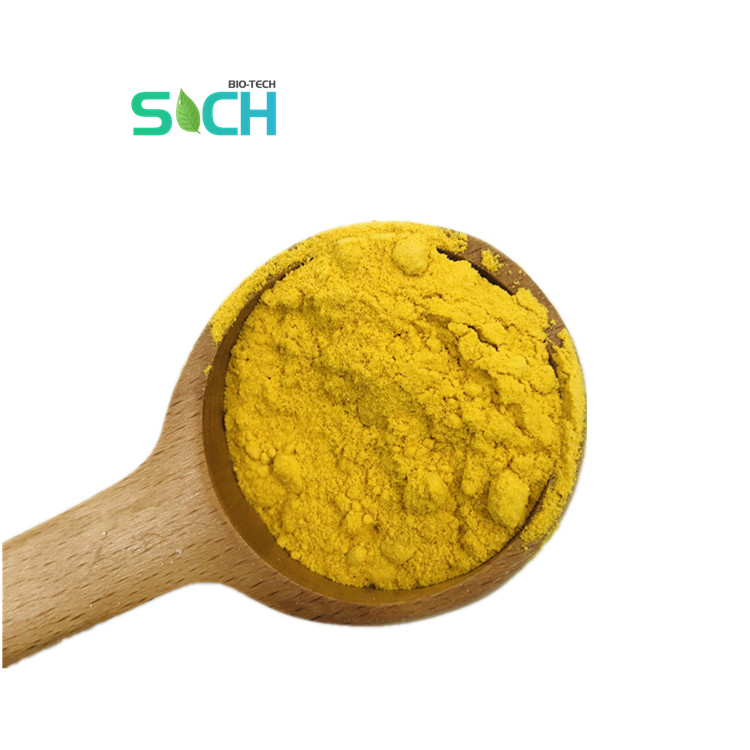
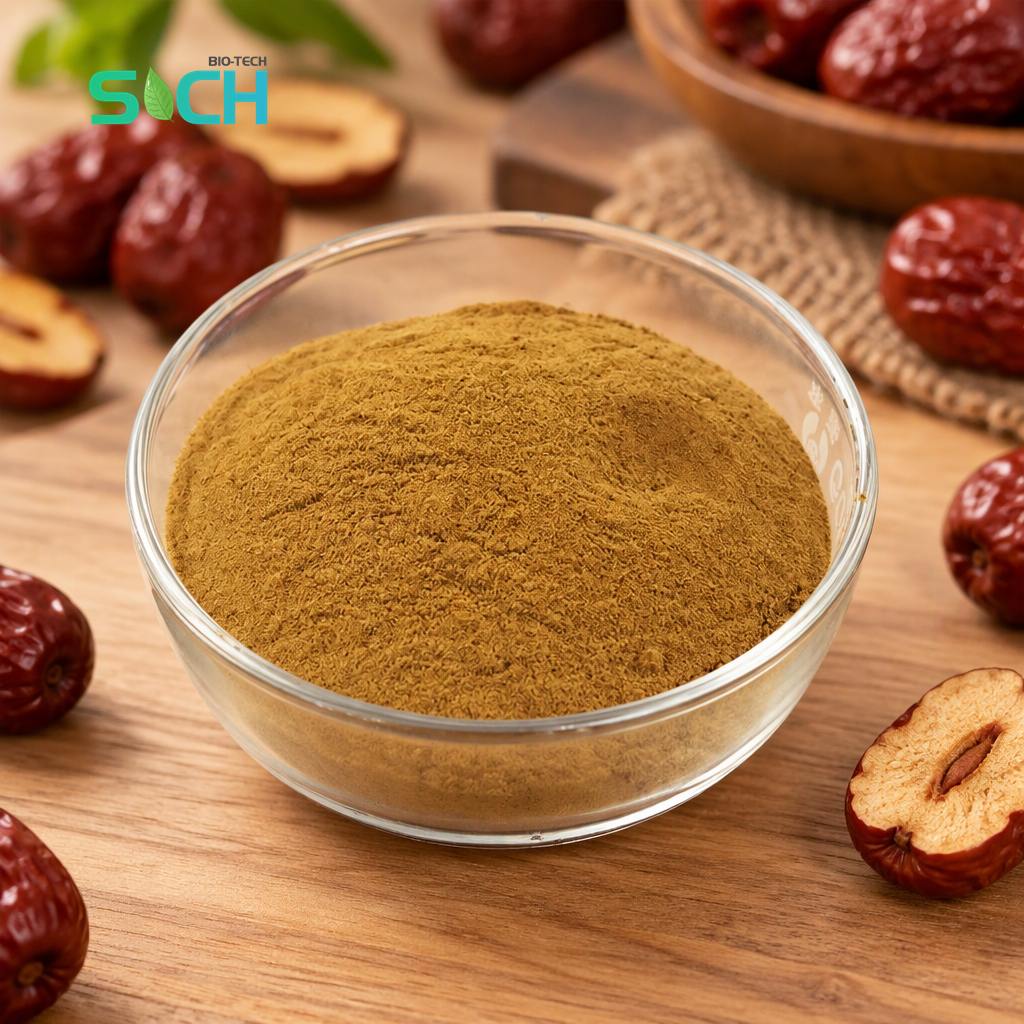
End-to-End Botanical Extraction & Molecular Verification
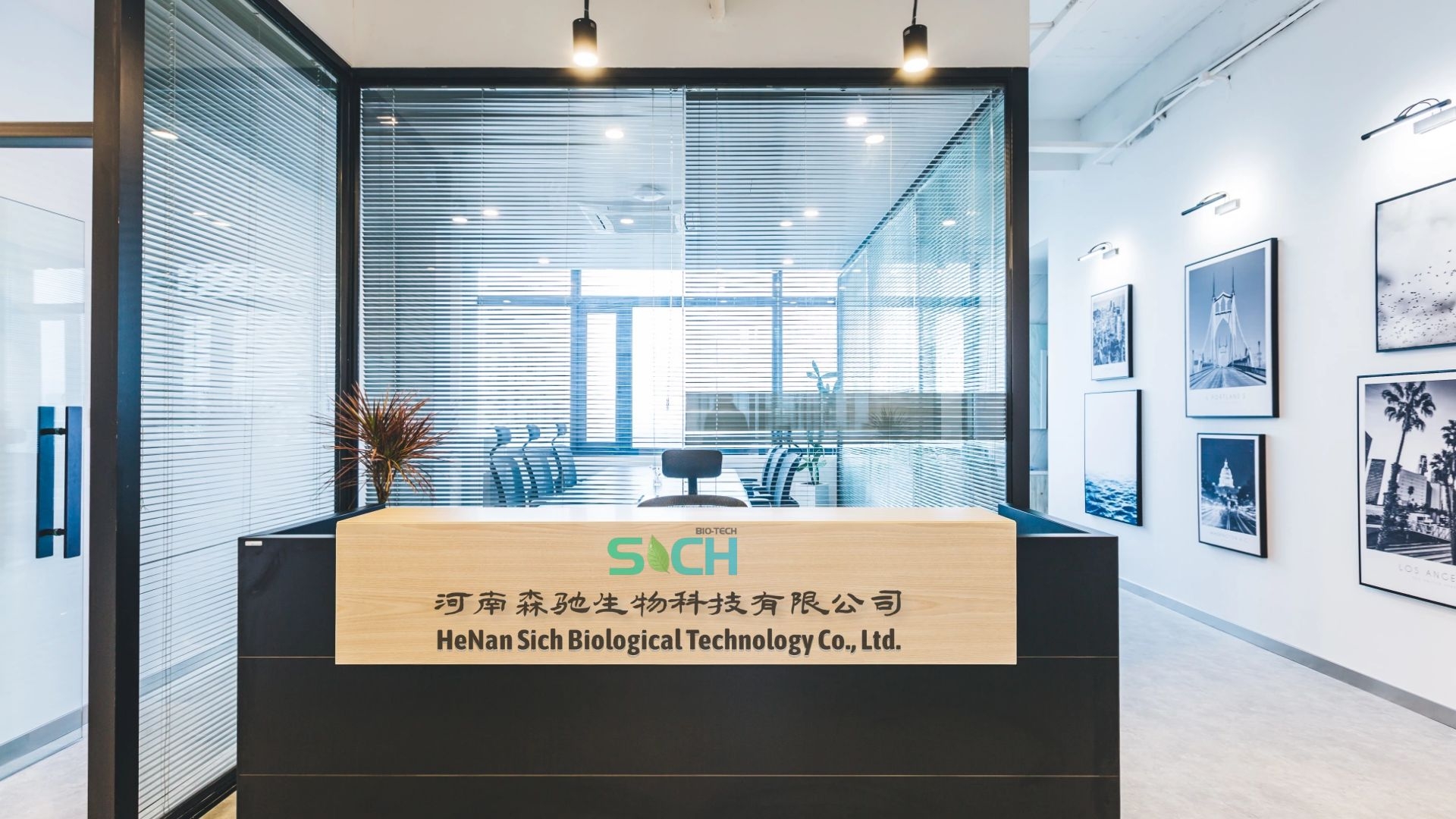
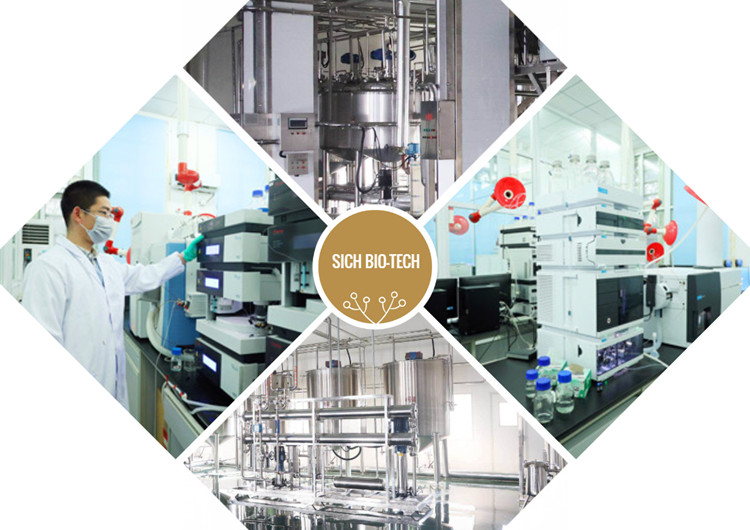
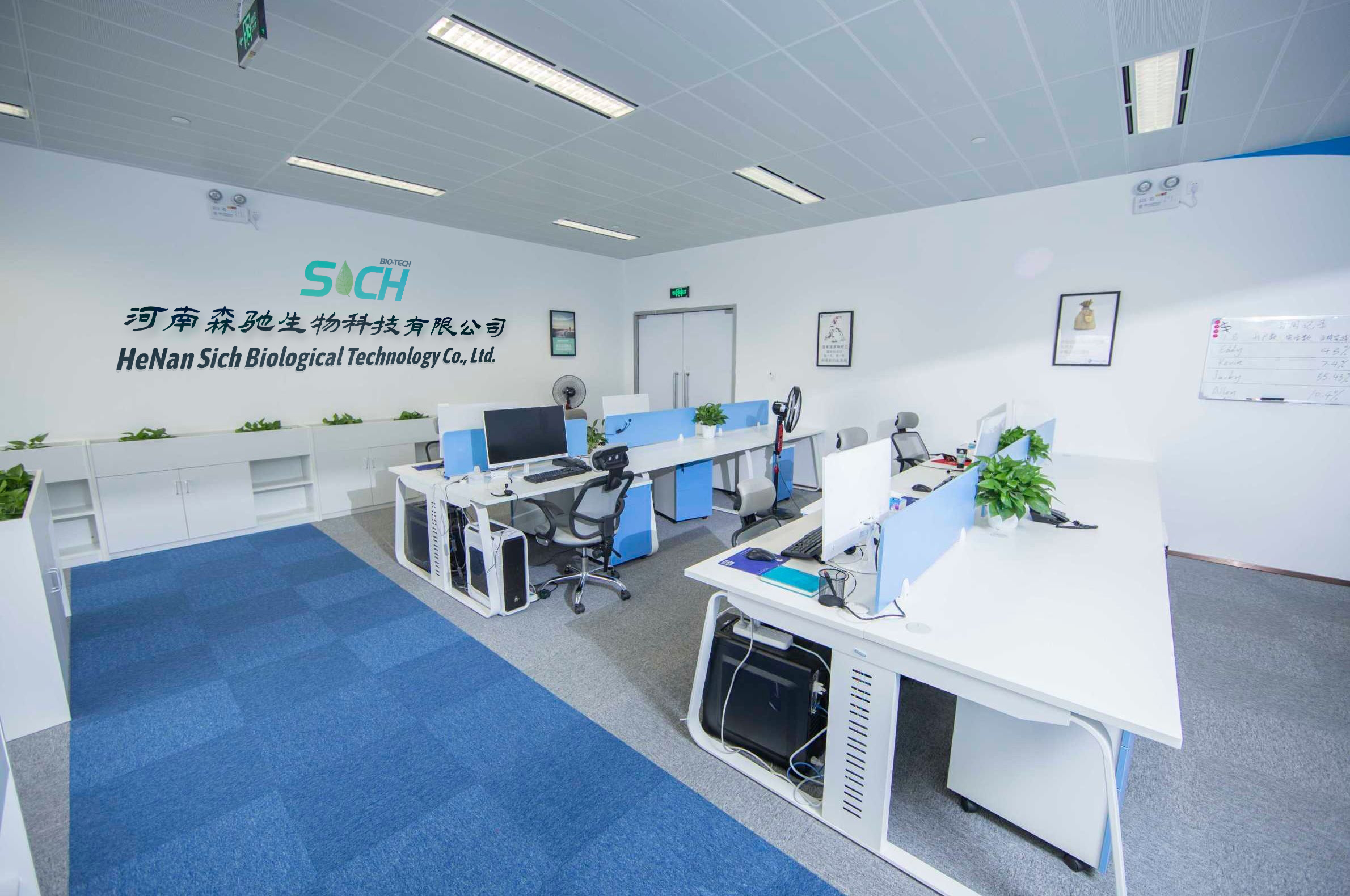
Founded in Henan, China, Gavra Bio-Tech Co.,Ltd. bridges the gap between botanical agriculture and high-purity industrial chemistry. By managing our dedicated 500-acre agricultural cultivation baseline and an 8,000 m² GMP-compliant production workshop, our facility controls botanical genotype selection, clean harvesting, solid-liquid extraction, continuous vacuum concentration, and aseptic spray-drying.
Unlike conventional brokers, we eliminate batch variations by pairing multi-stage chromatography columns with high-precision analytical detection. Formulators and procurement directors receive fully traceable Certificates of Analysis (COA), LC-MS chromatographic fingerprints, and heavy metal assays before cargo departure.
The Next-Generation Paradigm in Plant Antioxidant Extraction: Molecular Stability, Cellular Bioavailability, and Standardization
Plant antioxidant extracts have progressed far beyond rudimentary botanical powders and crude ethanolic macerations. In modern clinical nutraceuticals, cosmeceuticals, functional beverages, and animal wellness formulations, industrial demand has pivoted towards single-molecule quantification, polyphenol-matrix preservation, and the elimination of degradation byproducts. As a premier plant antioxidant extract factory, our research and engineering teams focus on stabilizing reactive phenolic hydroxyl groups, protecting fragile anthocyanins, and optimizing glucan secondary structures.
Mechanistic Classification of Botanical Antioxidant Constituents
When selecting raw materials from a verified manufacturing supplier, formulators evaluate the biological mechanism of action rather than relying on broad marketing claims. Botanical antioxidants primarily function through three interlinked biological pathways:
1. Free Radical Quenching & Hydroxyl Neutralization: Phenolic hydroxyl-rich molecules—including isoflavones from Red Clover, anthocyanidins from Acai Berry, and stilbenoids such as Resveratrol—act as hydrogen donors. They neutralize reactive oxygen species (ROS), singlet oxygen, and lipid peroxide radicals, converting chain-carrying radicals into inert quinoid complexes.
2. Phase II Enzymatic Induction (Nrf2-ARE Activation): Next-generation antioxidants like Sulforaphane derived from broccoli seeds operate enzymatically. Rather than solely acting as direct scavengers, sulforaphane binds Keap1 residues, allowing the translocation of Nrf2 to the cell nucleus. This triggers endogenous glutathione synthesis, superoxide dismutase (SOD) expression, and catalase activity, providing sustained cellular cytoprotection.
3. Macrophage Phagocytic Activation & Glycosidic Shielding: Beta-D-glucans isolated from yeast cell walls or oat grains represent polysaccharide antioxidants. With complex β-(1,3/1,6) or β-(1,3/1,4) glucan linkages, these high-molecular-weight polymers shield vulnerable mucosal membranes from oxidative damage while activating Dectin-1 receptors on innate immune cells.
Analytical Purity Verification: Waters LC-MS, HPLC & Swiss HPTLC
Inconsistent botanical batches cause catastrophic formulation failures in industrial scaling. Plant harvests naturally fluctuate due to precipitation, UV exposure, soil mineralogy, and altitude. Gavra Bio-Tech neutralizes these raw variations through standardized chromatography rectification and rigorous triple-tier analytical screening:
• Waters Liquid Chromatography-Mass Spectrometry (LC-MS): Identifies primary molecular targets, maps secondary fragmentation patterns, and flags trace organic impurities, agrochemical residues, or cross-contaminants below the parts-per-billion (ppb) threshold.
• 8453 UV-Vis Spectrophotometer: Validates total bioflavonoid, total phenolic content (Folin-Ciocalteu assay), and standardized polysaccharide percentages with validated linearity and photometric precision.
• Swiss HPTLC Scanner: Produces definitive botanical fingerprints against authentic herbal reference standards, establishing an ironclad defense against botanical species adulteration.
Industrial Botanical & Synergistic Nutrient Matrix
Standard parameters for contract development and manufacturing. Custom specifications available on request.
| Product Identifier | Primary Active Assay | CAS Reference | Extraction / Synthesis Route | Key Application Target | Standard Pack / MOQ |
|---|---|---|---|---|---|
| L-Carnitine Tartrate | ≥ 99.0% Assay | 36687-82-8 | Enzymatic Synthesis | Mitochondrial Energy, Sports Nutrition | 25 kg Drum / 1 kg MOQ |
| Yeast Beta Glucan | 70% / 80% / 90% Glucan | 9012-72-0 | Aqueous Autolysis & Purification | Immune Modulation, Clean Label Foods | 25 kg Drum / 1 kg MOQ |
| Polysorbate 20 Liquid | Cosmetic Purity Grade | 9005-64-5 | Ethoxylated Sorbitan Esterification | Oil-in-Water Emulsification, Serums | 200 kg Drum / 5 kg MOQ |
| Oat Beta Glucan | 70% / 80% / 90% Assay | 9041-22-9 | Enzyme-Assisted Aqueous Extraction | Prebiotic Foods, Soothing Skincare | 25 kg Drum / 1 kg MOQ |
| Folic Acid (Vitamin B9) | 99% USP / FCC Grade | 59-30-3 | Chemical Synthesis / Crystallization | DNA Synthesis, Prenatal Formulations | 25 kg Drum / 1 kg MOQ |
| Red Jujube Extract | 30% Polysaccharides | Botanical | Hydro-Ethanolic Extraction & Spray Dry | Adaptogenic Tonics, Confectionery | 25 kg Drum / 1 kg MOQ |
| Pangamic Acid (Vit B15) | Food / Nutraceutical Grade | 11006-56-7 | Standardized Synthetic Salt | Tissue Oxygenation, Metabolic Vitality | 25 kg Drum / 1 kg MOQ |
| Sodium Cyclamate | CP95 / NF13 Standard | 139-05-9 | Sulfo-amination & Neutralization | Low-Calorie Sweetener, Flavor Masking | 25 kg Bag / 25 kg MOQ |
Future Procurement Trends in the Global Plant Antioxidant Supply Chain
Macro shifts impacting raw material purchasing decisions from 2025 to 2030. How tier-one procurement heads de-risk supply bottlenecks and maintain cost competitiveness.
Clean-Label Carrier Minimization
Purchasers are actively phasing out high-ratio maltodextrin carriers. Global formulators increasingly mandate carrier-free or native fiber-supported spray-dried powders, demanding high active assays (≥ 70%-90%) that maximize capsule fill capacity and simplify clean ingredient declarations.
Genomic Authentication & Traceability
With aggressive global regulatory crackdowns on adulterated botanical inputs, top buyers require DNA barcoding alongside HPTLC chromatographic fingerprinting. Sourcing from factories managing their own cultivation bases (e.g., Gavra's 500-acre agricultural field) eliminates counterfeit species contamination at the root.
Direct-from-Reactor Logistics & DDP
High port demurrage fees and regional freight volatility have prompted buyers to bypass third-party trading brokers. Sourcing directly from Chinese extraction plants holding FedEx/DHL SVIP logistics tiers slashes inventory carrying costs and compresses lead times down to 3-5 day dispatch schedules.
Technological Innovations Reshaping Industrial Extraction
Scientific breakthroughs modernizing botanical extraction yields, structural integrity, and commercial cost optimization.
Subcritical Water & SC-CO2 Hybridization
Eliminating toxic solvent residue concerns (such as methanol, ethyl acetate, and hexane), next-generation facilities deploy supercritical carbon dioxide and pressurized subcritical water extraction. This preserves heat-labile polyphenols while ensuring clean compliant extracts under USP/EP pharmacopeial monographs.
Enzyme-Assisted Cell Wall Disruption
Targeted pectinases, cellulases, and beta-glucosidases are applied during primary maceration. Enzymatic cleavage breaks down tough lignocellulosic plant matrices, releasing sequestered polyphenolic flavonoids and beta-glucans into solution at milder temperatures, saving energy and preserving native molecular stereochemistry.
Nano-Emulsified & Liposomal Actives
Hydrophobic plant antioxidants—including resveratrol, curcumin, and oil-soluble vitamins—suffer from poor intestinal uptake. Advanced factory synthesis now pairs these extracts with cosmetic-grade polysorbate surfactants or phospholipid liposomal delivery systems, amplifying bio-permeability by over 400%.
Frequently Asked Procurement Questions
Detailed answers addressing quality auditing, logistics terms, sample evaluation, and regulatory clearances.
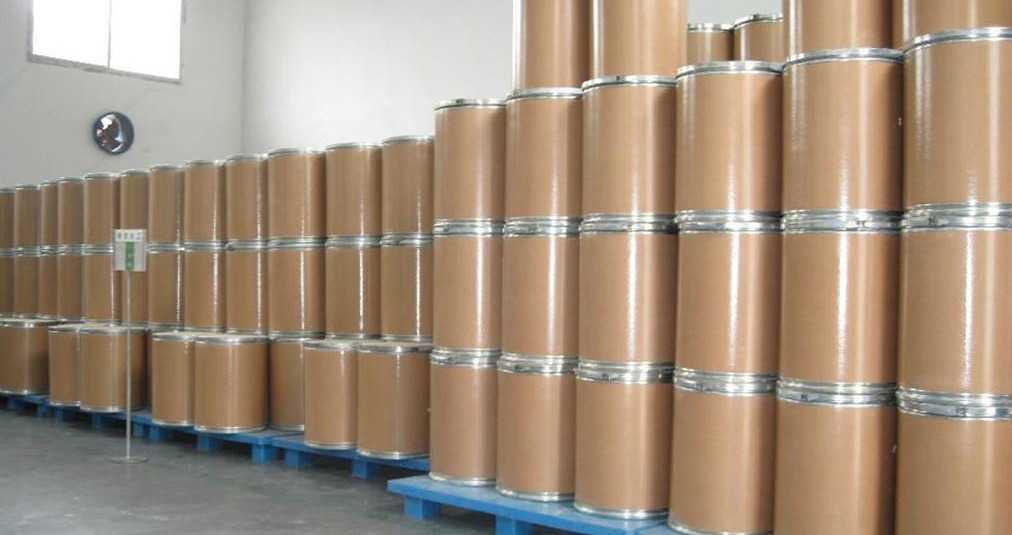
Most standardized botanical extracts, cosmetic actives, and nutritional food additives start at an accessible 1 kg MOQ for pilot validation. Rare synthetic peptides and concentrated active molecules start from 1 g to 10 g. High-volume bulk commodity powders—such as sodium cyclamate, food-grade sweeteners, and certain spray-dried fruit juice powders—have a standard 25 kg fiber drum MOQ.
Every batch is tested in our in-house analysis center equipped with Waters LC-MS, an 8453 UV-Vis spectrophotometer, and a Swiss HPTLC scanner. We run spectral comparison against certified botanical pharmacopeial reference materials. Every delivery includes a comprehensive lot Certificate of Analysis (COA) specifying assay %, loss on drying, ash content, heavy metals (Pb, As, Cd, Hg), and microbial limits.
Yes. We supply free evaluation samples (typically 20g to 50g for plant extracts and nutritional powders) to verified enterprise laboratories, contract manufacturers, and formulation teams. Simply provide your targeted assay specification, application matrix, and courier account details (or settle nominal freight), and samples dispatch within 24 to 48 hours.
We accommodate versatile international trade terms including FOB, CFR, CIF, EXW, FAS, CIP, FCA, CPT, DDP, and DDU. As an SVIP high-volume account holder with FedEx and DHL, we provide optimized air express shipping for urgent needs, as well as full container load (FCL) and consolidated less-than-container (LCL) sea freight. Payments are accepted via T/T, Credit Card, and Western Union in USD, EUR, or CNY.
Yes. Beyond raw bulk ingredient supply, Gavra Bio-Tech operates GMP cleanrooms for contract finished products. We provide full formulation engineering, blending, granulation, and packaging for functional pectin/gelatin gummies, two-piece hard capsules, softgels, effervescent tablets, and branded sachet powder sticks customized to your regulatory market.
In-stock warehouse items are dispatched within 3-5 business days upon payment confirmation. Custom synthesis, specialized mesh sizing (e.g., 200 mesh micronized botanical powders), customized polysaccharide extraction ratios (e.g., 10:1, 20:1, 50:1), or private label OEM finished formats typically schedule on a 2-3 week production cycle.