Core Botanical Extracts, Bio-Actives & Color Formulation Bases
Laboratory-assayed ingredients ready for dispatch. HPLC-verified molecular purity, consistent chromatic density, and full compliance with European food safety and cosmetic dossiers.
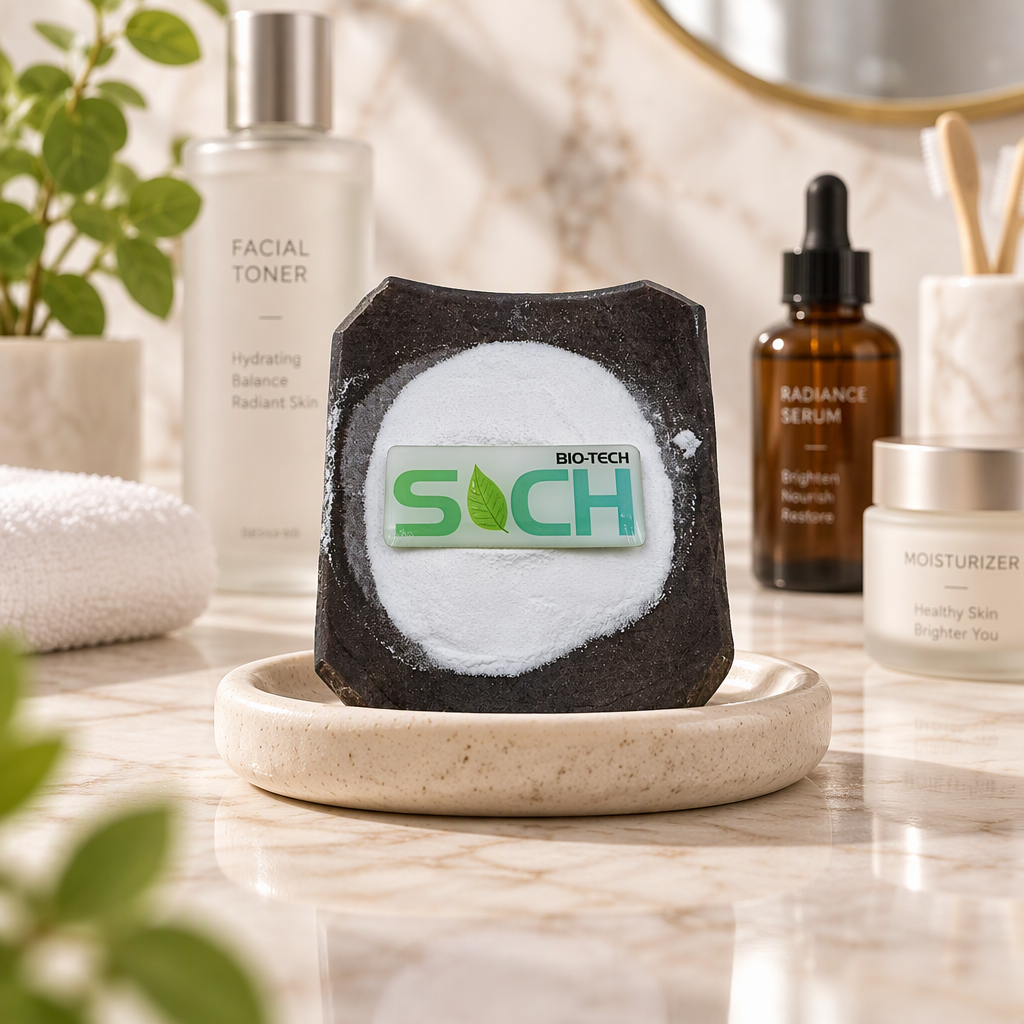
Nicotinamide 99% High Purity Cosmetic Grade Powder
View Specifications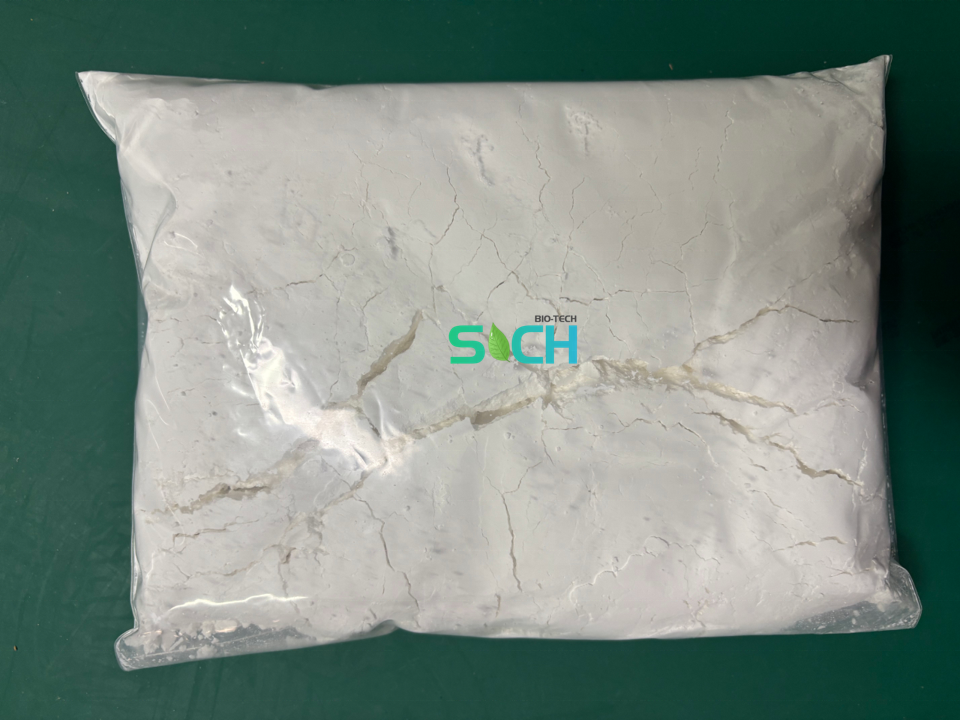
Engineering Clean-Label Plant-Based Colorants & Phytochemical Systems for Graz
The industrial landscape in Styria, anchored by the metropolitan hub of Graz, represents one of Central Europe's most rigorous proving grounds for clean-label food engineering, nutraceutical processing, and high-performance green cosmetics. Transitioning away from petrochemical azo dyes (e.g., Tartrazine E102, Allura Red E129, Brilliant Blue E133) toward standardized botanical coloring matrices requires sophisticated plant-chemistry acumen. For Graz manufacturers, the engineering challenge is multi-faceted: ensuring thermodynamic resistance during high-temperature thermal treatments, maintaining colloidal stability in low-pH liquid matrices, preventing light-induced oxidative fading, and complying strictly with Austrian AGES (Agentur für Gesundheit und Ernährungssicherheit) standards and European Regulation (EC) No 1333/2008 and Regulation (EU) 231/2012.
As a vertically integrated Chinese extraction conglomerate operating 500 acres of dedicated botanical cultivation bases and an 8,000 m² cGMP production facility, Gavra Bio-Tech delivers an engineered supply architecture. By integrating multi-stage counter-current continuous extraction, subcritical fluid processing, membrane ultrafiltration, and vacuum spray drying with specialized maltodextrin/carrier encapsulation, we supply botanical pigments that preserve molecular integrity, hue saturation, and bio-functional efficacy across trans-continental logistics pipelines.
Comparative Technical Matrix: Botanical Pigment Profiles & Stability Thresholds
Formulating with nature-derived colorants necessitates matching specific phytonutrient structures to the product substrate's ionic strength, water activity (Aw), and processing parameters. The matrix below provides empirical benchmark metrics observed during continuous production validation:
| Chromatic Base & Active | Botanical Precursor | Hue Spectrum | Optimum pH Range | Thermal Ceiling | EU Regulatory Reference |
|---|---|---|---|---|---|
| Anthocyanin Systems (Cyanidin-3-Glucoside) | Black Carrot, Acai, Elderberry | Deep Ruby to Violet-Blue | pH 2.0 – 4.2 | 95°C (≤15 min pasteurization) | E163 / Coloring Food |
| Copper Chlorophyllin Complexes | Morus alba (Mulberry Leaf) | Vibrant Olive to Emerald | pH 6.5 – 9.0 | 120°C (UHT Stable) | E141 / Cosmetic CI 75810 |
| Curcuminoid Dispersions | Curcuma longa Rhizome | Canary Yellow to Amber | pH 2.5 – 7.5 | 130°C (Extrusion Stable) | E100 / Plant Extract |
| Natural Betacyanin Fractions | Beta vulgaris (Beetroot) | Magenta to Rose Pink | pH 4.0 – 6.5 | 75°C (Cold-Fill Optimized) | E162 / Clean Label |
| Carotenoid & Crocetin Blends | Gardenia jasminoides / Annatto | Warm Orange to Golden | pH 3.0 – 8.5 | 110°C (Bake Stable) | E160b / Botanical Actives |
Photolytic Protection & Anti-Oxidative Matrix Stabilization
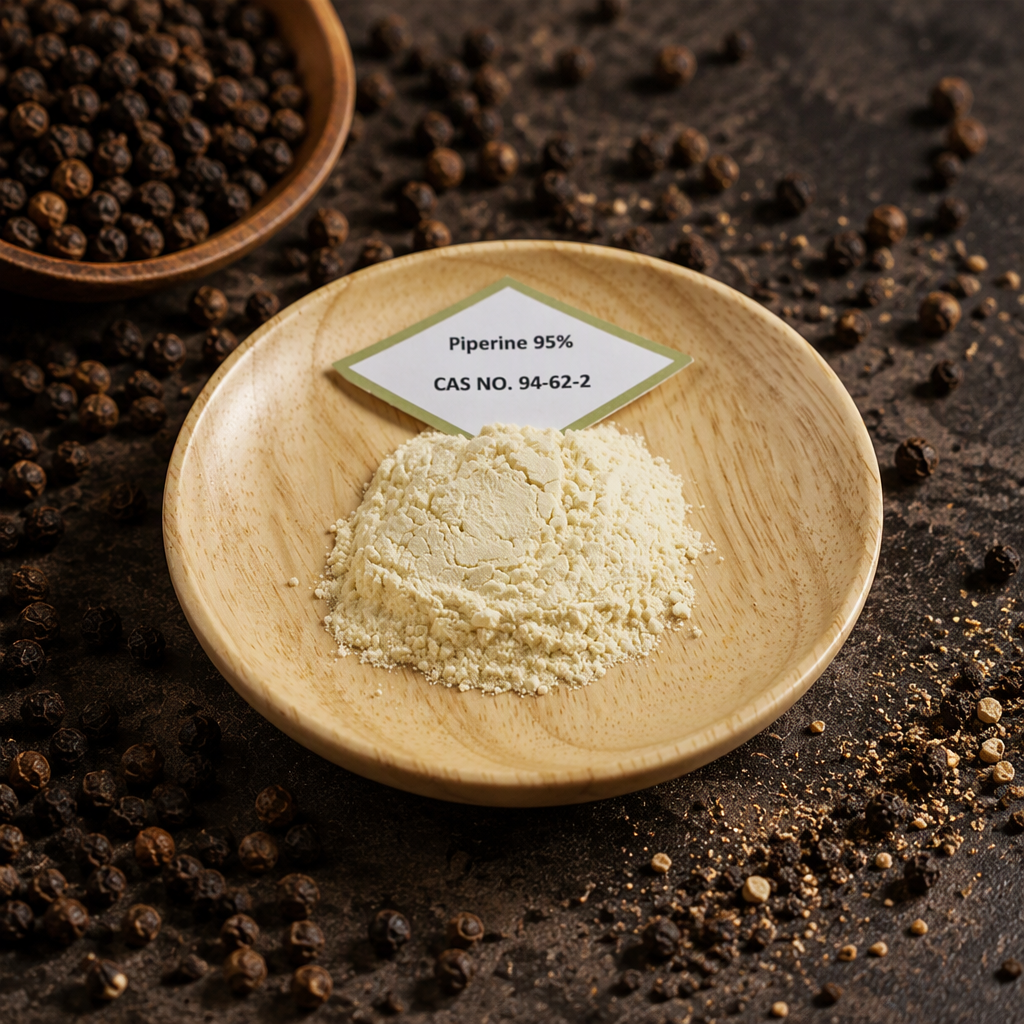
Natural chromophores are vulnerable to singlet oxygen degradation, photo-oxidation, and transition-metal chelation. In artisanal brewing, fruit nectar production, and dermo-cosmetic preparations around Graz, sunlight exposure through clear flint-glass packaging can cause color bleaching. Our R&D center counters this through synergy stabilization. By micro-encapsulating hydrophobic colorant pigments alongside synergistic phenolic carriers—such as high-purity natural oat beta-glucan (70%–90%) and piperine-enhanced polyphenols—we create colloidal structures that shield the conjugated double bonds of pigments from free-radical attack, significantly boosting shelf-life stability up to 24 months under standard European ambient storage.
Localized Processing Scenarios Across Graz Manufacturing Clusters
How Graz's premier confectionery houses, functional beverage producers, and dermatological labs integrate Gavra Bio-Tech's botanical colorant and bio-active portfolios.
Styrian Craft Beverages & Functional Tonics
Graz's dynamic beverage producers rely on anthocyanin extracts and freeze-dried fruit powders to deliver vivid red and purple hues in low-pH cider bases, kombuchas, and herbal spritzers without precipitating during cold stabilization.
Clean-Label Confectionery & Bakery Coatings
From fine chocolate dragées to traditional Austrian baked goods, our heat-stable carotenoid and chlorophyllin powders survive bake ovens up to 130°C, offering rich yellow and green shades without off-flavors or bleeding into sugar icings.
Clinical Dermo-Cosmetics & Esthetic Creams
Styrian clean-cosmetics formulators combine high-purity Ectoine (99% HPLC) and Niacinamide (99%) with microfine botanical tinting pigments, yielding natural tone-correcting tinted sunscreens and barrier-repair serums compliant with EU EC 1223/2009.
Nutraceutical Gelled Gummies & Pectins
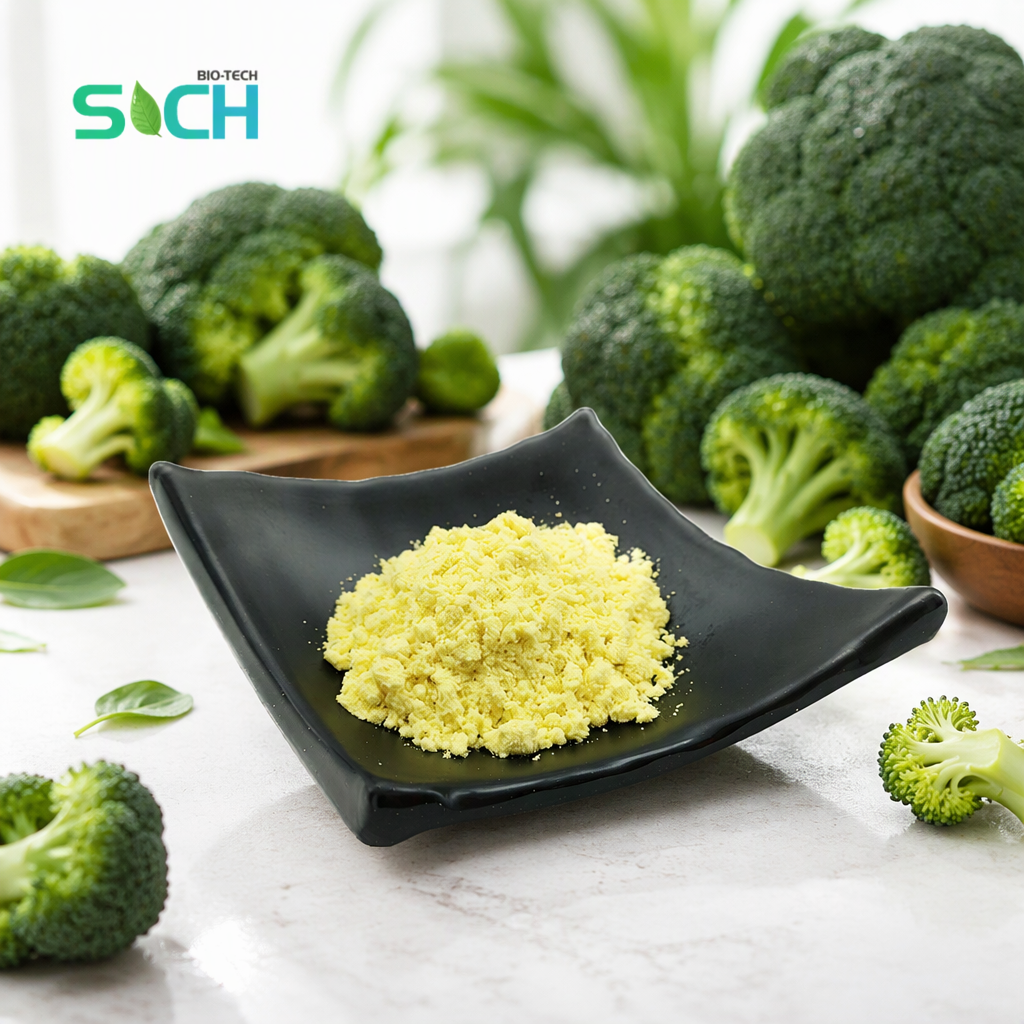
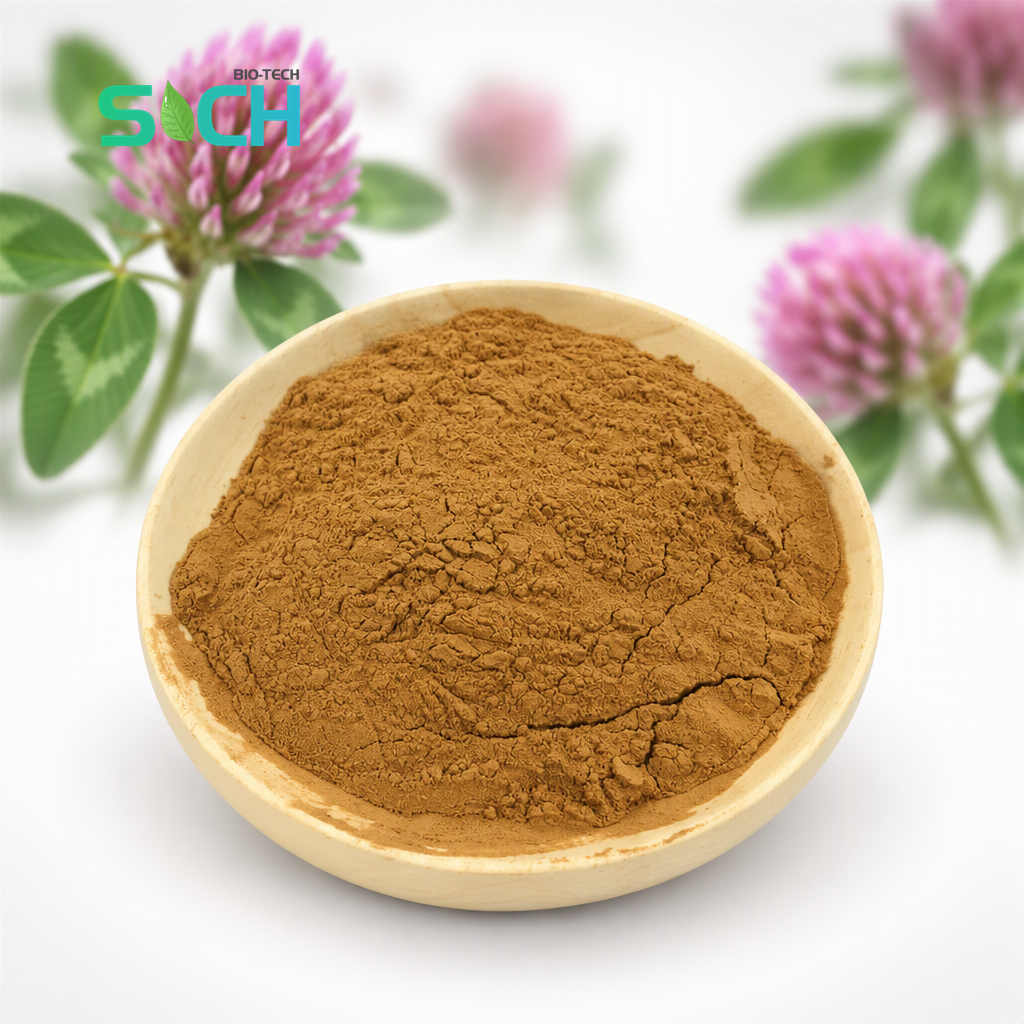
OEM gummy producers in the Graz periphery utilize food-grade Sulforaphane 1% and Red Clover isoflavones directly coupled with fruit-derived pigment carriers to achieve uniform opacity, pleasant mouthfeel, and consumer-appealing colors.
Dairy Alternatives & Plant Milk Formulations
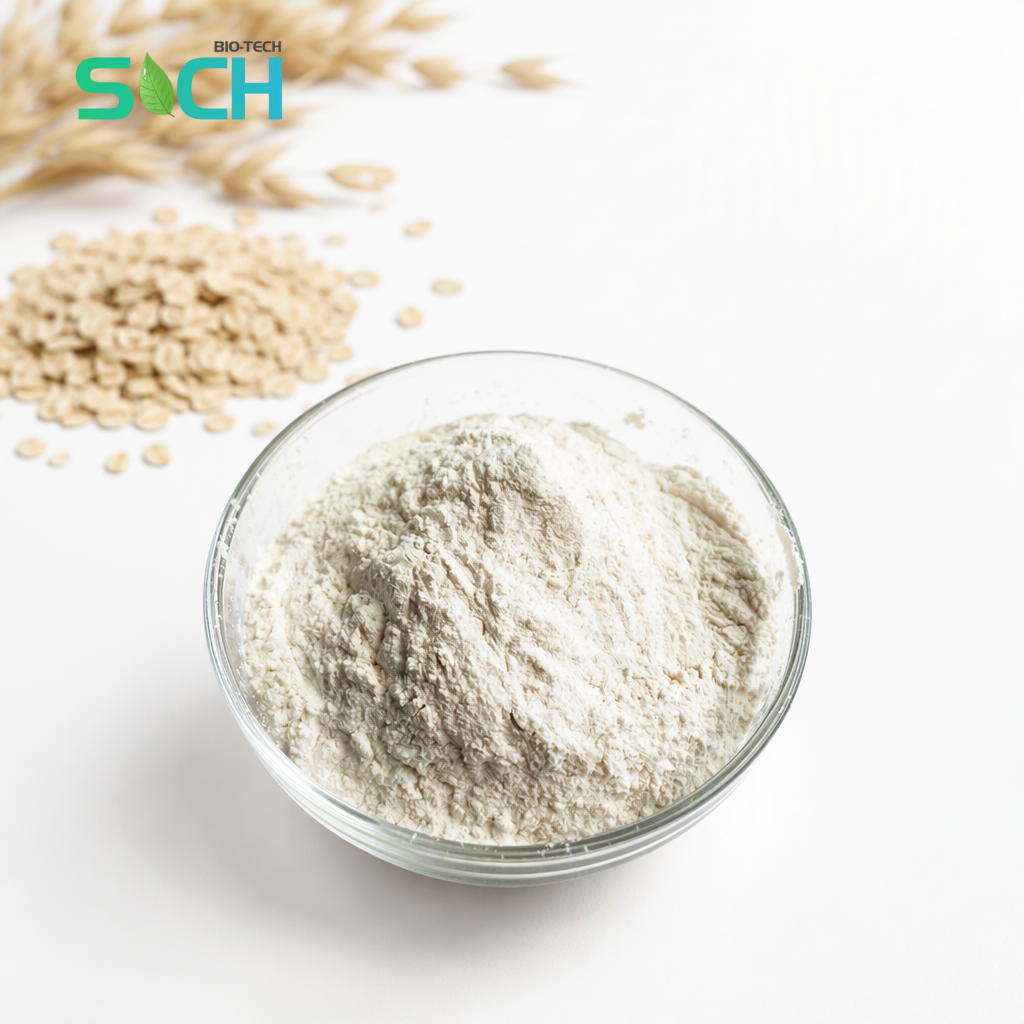
High-viscosity oat beta-glucan (70%–90%) combined with natural vegetable pigments stabilizes oat and almond milk emulsions, neutralizing gray tones and recreating the warm, appetizing color of conventional dairy.
Nutritional Feed & Pet Treat Formulations
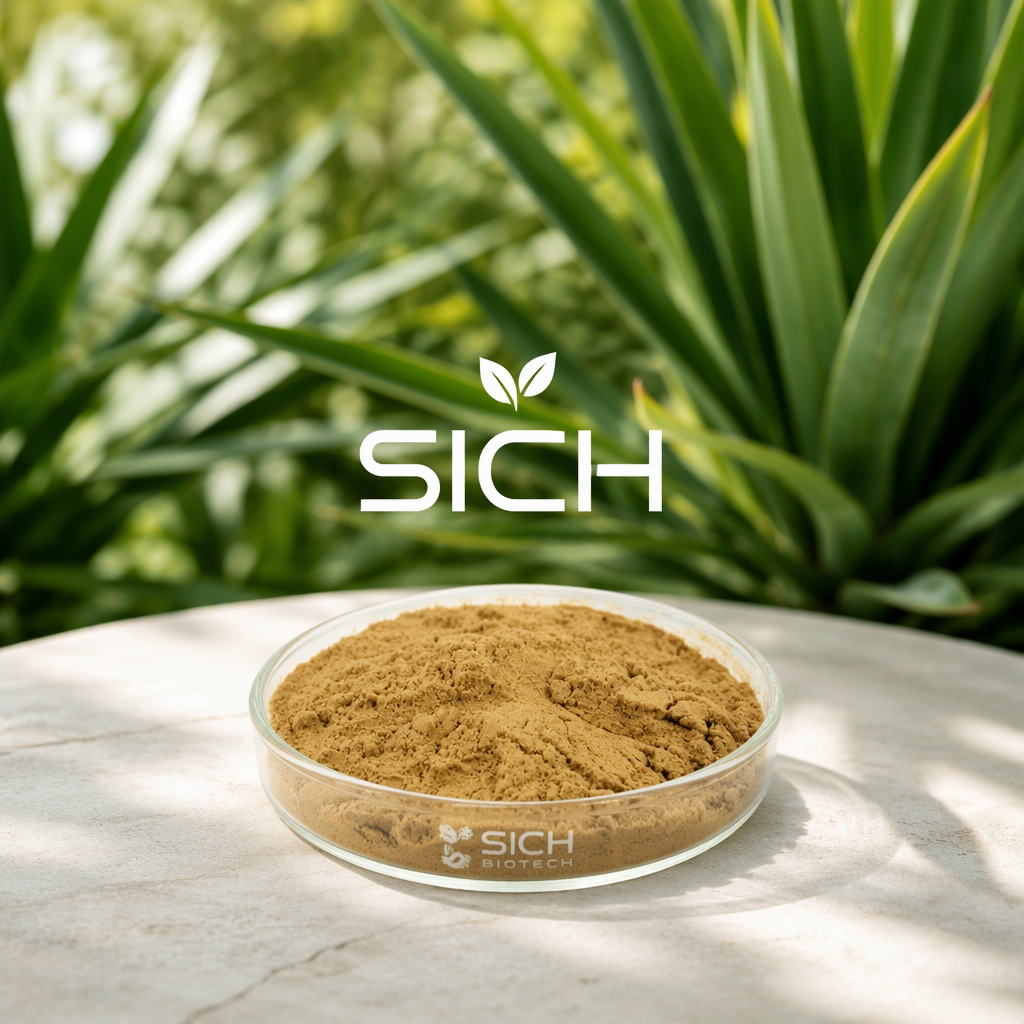
Austrian premium pet food manufacturers implement natural Yucca Schidigera extract (30%–50% saponins) alongside botanical coloring matrices to create vibrant kibbles and chews while reducing ammonia odors in pet stool.
Graz Clean-Label Evolution: Navigating the European Natural Ingredients Shift
The Austrian market has become an avant-garde region for green retail standards. Supported by retail conglomerates such as Spar and Rewe Austria, Austrian consumers inspect food labels with greater scrutiny than almost any other European market demographic. Recent procurement analytics reveal three structural shifts impacting plant-based colorant sourcing for factories in Graz:
1. Stringent Deprecation of Titanium Dioxide (E171) & Synthetic Lakes
Following the European Commission's ban on Titanium Dioxide (E171) in food matrices, Graz confectionery and nutraceutical coating manufacturers have scrambled to source viable, natural white opacifying agents. Gavra Bio-Tech's custom micronized rice protein and calcium-rich plant complexes provide non-nano, clean-label opacity, replacing E171 in pharmaceutical pill coatings, pucker-resistant hard candies, and powdered coffee creamers without synthetic residue.
2. Demand for 'Coloring Foods' Over Chemical E-Numbers
Modern Austrian consumers actively reject E-numbers on ingredient decks. The trend has pivoted aggressively from synthetic food colorants toward non-selective water/solvent plant juices and concentrates (labeled as "Spirulina extract", "Beetroot concentrate", or "Turmeric extract"). Graz processors sourcing through Gavra Bio-Tech benefit from our gentle low-temperature distillation processes, allowing extracts to qualify cleanly under European Food Safety Authority (EFSA) guidance as legitimate Coloring Foods.
3. Traceability, Zero-Pesticide Mandates & Heavy Metal Limits
Under the European Pharmacopoeia and Austrian Contaminants Decrees, the thresholds for lead (Pb ≤ 3.0 mg/kg), cadmium (Cd ≤ 1.0 mg/kg), mercury (Hg ≤ 0.1 mg/kg), and arsenic (As ≤ 1.0 mg/kg) are uncompromising. Furthermore, multi-residue pesticide screenings must verify the absence of more than 500 chemical agrochemicals. Gavra Bio-Tech guarantees that all export batches sent to Austrian postal zones (8010–8055 Graz) are pre-cleared via GC-MS and LC-MS instruments, eliminating port-of-entry quarantine rejections.
Gavra Bio-Tech: Industrial Scale, Scientific Rigor
Bridging traceable Chinese botanical cultivation with the rigorous quality standards demanded by Graz procurement officers.
Waters LC-MS Chromatography
Molecular fingerprinting and active compound quantification down to parts-per-billion (ppb), screening raw harvests for impurities before extraction begins.
8453 UV-Vis Spectrophotometry
Precise photometric assay of extinction coefficients and active pigment levels (e.g., total anthocyanins, beta-carotene, curcuminoids) per manufacturing batch.
Swiss CAMAG HPTLC Scanners
Complete botanical identity mapping against official pharmacopeial reference standards, validating that zero synthetic adulterants or degraded plant fractions exist.
Frequently Asked Questions by Graz Importers & Quality Managers
Clear, direct answers regarding European logistics, documentation, analytical certifications, and OEM manufacturing agreements.
What are the minimum order quantities (MOQ) for shipments into Graz, Austria?
How do you handle Austrian customs clearance, import VAT, and DDP delivery terms?
What regulatory documentation is included with each bulk batch?
Can your R&D center customize color tone, mesh size, or carrier solubility?
What are the lead times for in-stock orders vs. custom contract manufacturing?
Partner with China's Premier Botanical Manufacturer
Request certified laboratory COAs, initiate free formulation sample testing, or discuss contract manufacturing terms directly with our senior application chemical engineers.