Verified Feed Additives & Bio-Actives for Hungarian Integrators
Direct factory supply from our GMP-standard production facility. All SKUs are supported by Waters LC-MS and UV-Vis analytical batch certificates, providing optimal biological bioavailability for livestock, poultry, and specialty processing.
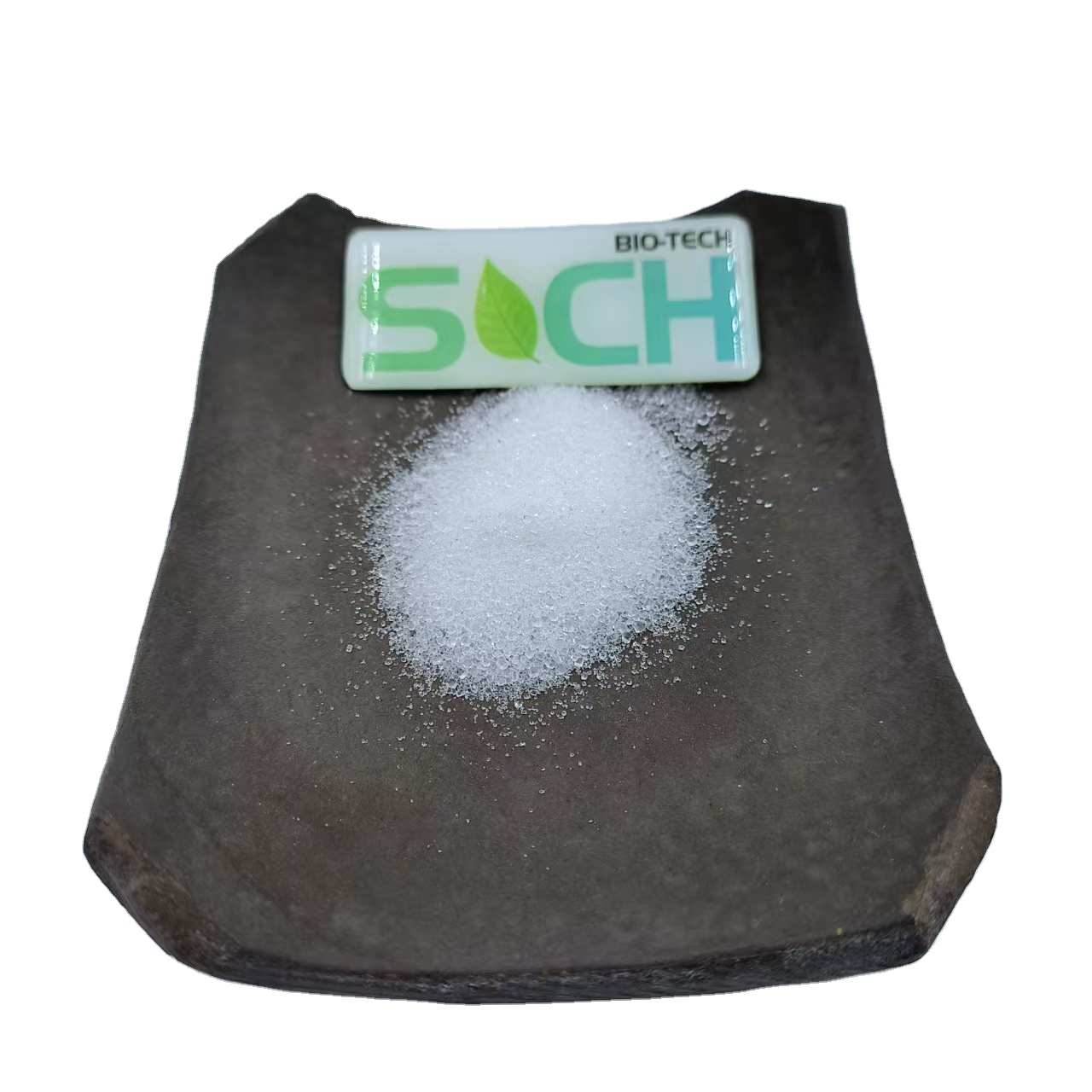
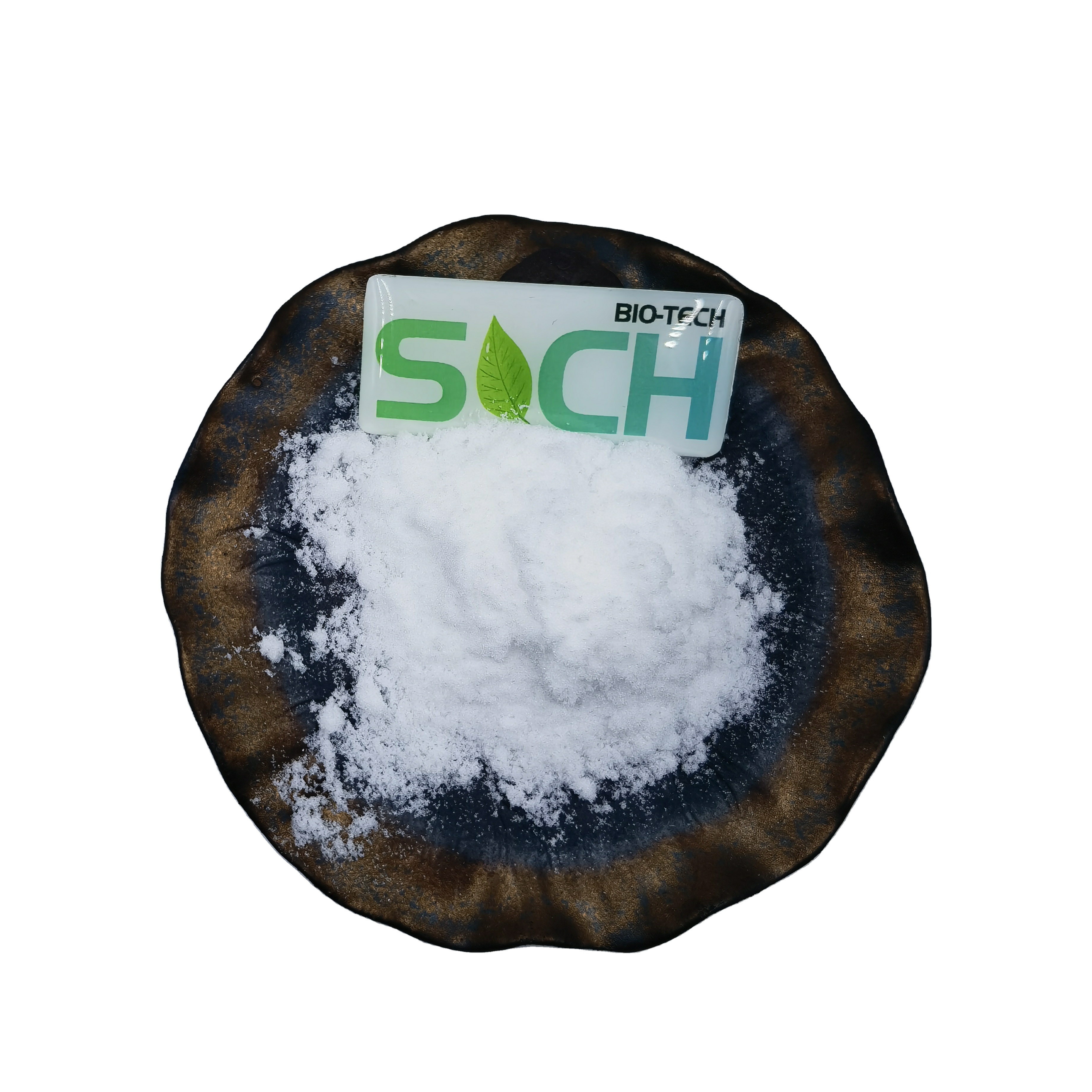
The Biochemical Mechanics of L-Threonine (CAS 72-19-5) in Precision Animal Nutrition
L-Threonine (alpha-amino-beta-hydroxybutyric acid) represents an indispensable, limiting dietary amino acid for monogastric livestock and poultry. As commercial feed formulators across Hungary's Baranya County know, swine diets formulated around corn, barley, and sunflower meal identify L-threonine as the absolute second limiting amino acid following L-lysine. In modern poultry production, it functions as the third limiting amino acid following methionine and lysine.
Beyond pure skeletal muscle accretion, biological threonine is required at high physiological concentrations for endogenous protein synthesis, specifically mucin production within the intestinal mucosal lining. Approximately 50% to 60% of dietary threonine is sequestered directly by the splanchnic tissues during first-pass portal metabolism. In high-density intensive livestock farming operations—such as the swine breeding and broiler fattening hubs operating throughout the Pécs, Szentlőrinc, and Mohács corridors—maintaining mucosal barrier integrity is the front-line defense against pathogenic enteritis, bacterial translocation, and wet litter syndrome.
According to the classical Baker & Han ideal amino acid profile model, swine performance hinges on strict ratios where lysine is designated as 100%. Deviations below 65% in the Threonine:Lysine ratio result in instantaneous nitrogen catabolism, elevated blood urea nitrogen (BUN), and compromised Feed Conversion Ratios (FCR).
Supplying crystallized Feed Grade L-Threonine Powder manufactured via submerged microbiological fermentation of Corynebacterium glutamicum empowers nutritionists in Pécs to slash crude protein concentrations in total mixed rations (TMR) by 2.0% to 3.5%, while perfectly meeting standard standardized ileal digestible (SID) requirements.
Analytical Monograph & Certificate of Analysis Benchmarks
| Analytical Parameter | Feed Grade Specification (EP / USP / GB) | Gavra Bio-Tech Verified Batch Average | Analytical Methodology |
|---|---|---|---|
| Chemical Description | (2S,3R)-2-Amino-3-hydroxybutanoic acid | Conforms to molecular standard | FTIR / LC-MS Fingerprint |
| CAS Number | 72-19-5 | 72-19-5 | CAS Registry Reference |
| L-Threonine Assay (Dry Basis) | ≥ 98.5% | 98.92% - 99.40% | Ninhydrin Post-Column HPLC |
| Specific Optical Rotation [α]D20 | -26.0° to -29.0° | -28.3° | Polarimetry (c=6 in H2O) |
| Loss on Drying | ≤ 1.0% (Typically ≤ 0.50%) | 0.28% | Thermogravimetric at 105°C |
| Residue on Ignition (Sulfated Ash) | ≤ 0.50% | 0.14% | Gravimetric Muffle Furnace (600°C) |
| Heavy Metals (as Pb) | ≤ 10.0 ppm | < 2.0 ppm | ICP-MS Inductively Coupled Plasma |
| Arsenic (As) | ≤ 2.0 ppm | < 0.5 ppm | Atomic Absorption Hydride Generation |
| Bulk Density | 0.65 - 0.78 g/cm³ | 0.72 g/cm³ | Tapped Density Meter (ISO 3953) |
Precision Application Scenarios in the Pécs & Baranya Feed Mill Ecosystem
Pécs serves as the logistical capital of Baranya County, situated amid one of Central Europe's most concentrated agricultural production basins. From high-output pig fattening clusters to grain processing elevators along the Danube-Drava corridor, the integration of concentrated crystalline L-Threonine resolves specific micro-economic and biological challenges.
Post-Weaning Piglet Feeds (Farrow-to-Finish)
Early-weaned piglets around Pécs and Szigetvár experience villous atrophy and acute gut barrier disruption when shifting from sow milk to solid corn-soy matrices. Incorporating 0.15% to 0.30% synthetic L-Threonine guarantees maximal synthesis of mucin-1 and mucin-2 glycoproteins, reducing post-weaning diarrhea, avoiding antibiotic reliance, and accelerating transition to grower rations.
Target SID Thr:Lys Ratio: 65% – 68%Industrial Broiler & Turkey Fattening Operations
Broiler producers in Southern Hungary face extreme summer ambient heat in the Mecsek valleys, exacerbating heat-stress-induced systemic enteropathy. Supplementing feed grade L-Threonine permits lowering total crude protein by up to 30 g/kg of feed. This dramatically reduces the heat increment of digestion, limits metabolic water loss, preserves breast meat yield, and suppresses nitrogen concentration in excreta.
Target dThr:dLys Ratio: 67% – 70%Baranya Premix & Commercial Feed Mills
Regional feed compounders throughout Mohács, Pécs, and Bóly require granular, dust-free crystalline threonine with high mechanical bulk density (0.72 g/cm³). Our 98.5% powder offers superior mixing uniformity (Coefficient of Variation CV < 5%), preventing segregation during high-speed pneumatic silo transport, multi-species vertical mixing, and steam pelleting operations up to 85°C.
Thermal Stability: Up to 180°CMarket Dynamics Driving Amino Acid Demand in Baranya & Hungary
The livestock sector in Hungary is undergoing structural modernization influenced by European Union decarbonization goals, fluctuating protein commodity markets, and stricter ecological mandates.
Crude Protein Reduction (CPR)
Under the EU Nitrates Directive (91/676/EEC) and Hungarian soil protection mandates, livestock facilities face annual total nitrogen output limits. Supplementing L-threonine allows feed mills to slash dietary crude protein by 2-3%, directly reducing slurry nitrogen excretion by 16% to 24% without sacrificing average daily gain (ADG).
Deforestation-Free Soybean Substitution
With the implementation of the EU Deforestation Regulation (EUDR), feed compounders in Southern Transdanubia are moving away from imported South American soy cake. Replacing soy with locally grown Hungarian sunflower meal, rapeseed meal, or field peas requires supplementary L-threonine to fix the amino acid profile.
Feed-to-Meat Conversion Economics
Feed costs represent up to 70% of total commercial swine production expenses in Baranya. By deploying synthetic amino acid balancing instead of over-formulating whole crude proteins, integrators reduce net energy losses associated with deaminating excess amino acids, saving between €8 and €14 per ton of finished feed.
Direct Asian Factory Supply Chains
Hungarian procurement leaders are bypassing intermediate Western European distributors, contracting directly with qualified Chinese bio-fermentation manufacturers like Gavra Bio-Tech. Direct sourcing locks in quarterly index pricing and ensures uninterrupted maritime and rail deliveries to the Pécs industrial region.
Why Hungarian Feed Compounders Partner with Gavra Bio-Tech
Founded in Henan, China, Gavra Bio-Tech Co.,Ltd. operates fully controlled upstream fermentation bases and sophisticated analytical facilities to deliver uncompromising raw material purity to world markets.
8,000 m² GMP-Standard Facility
Equipped with 3 specialized automated industrial lines covering deep submerged microbial fermentation, multiple-effect evaporation, crystallization, and clean-room pneumatic micronization. We maintain over 150 dedicated production units.
500-Acre Agricultural Base
Our backward-integrated experimental cultivation and organic carbohydrate supply systems provide non-GMO fermentation substrates. Full supply chain traceability guarantees pure, batch-consistent output across every production campaign.
Rapid Logistics & SVIP Routing
As official FedEx & DHL SVIP corporate account holders, evaluation samples reach laboratory counters in Pécs within 3–5 working days. Commercial maritime FCL containers are coordinated directly via Koper, Rijeka, or Hamburg with swift clearance.
Precision Instrumental Assurance
Waters LC-MS System
Ultra-performance liquid chromatography coupled with tandem mass spectrometry provides definitive compound identification, stereochemical configuration verification, and part-per-billion impurity profiling.
Agilent 8453 UV-Vis Spectrophotometer
Rapid, high-precision photometric quantitative assays for continuous optical density verification and active substance quantification in line with European Pharmacopoeia (EP) methodologies.
Swiss CAMAG HPTLC Scanner
High-Performance Thin-Layer Chromatography enables digital spectral fingerprinting and botanical/fermentation marker confirmation to safeguard product authenticity and rule out cross-contamination.
Frequently Asked Questions by Hungarian Feed Mills & Importers
Clear, legally grounded answers addressing customs clearance, quality standards, packaging, and commercial terms for buyers in Pécs and across the broader Hungarian market.
How does your L-Threonine comply with European Union feed safety regulations (Regulation (EC) No 1831/2003)?
What are the primary shipping routes and transit timelines to the Pécs / Baranya industrial zone?
What packaging formats are available for high-throughput compounding mills?
1. Standard Multi-Wall Paper Bags (25 kg net) with an inner heat-sealed polyethylene (PE) moisture barrier film, palletized with stretch-wrap hoods (1,000 kg per pallet).
2. Jumbo Big Bags (800 kg or 850 kg net) featuring heavy-duty woven polypropylene with internal antistatic PE lining, top filling spouts, and bottom discharge valves for direct suspension over automated feed premix hoppers. Custom OEM branding and multilingual Hungarian/English labelling are available upon request.
How is caking prevented during storage in Southern Hungary's humid continental summer climate?
What are the commercial trade terms (Incoterms) and payment structures for Hungarian corporate buyers?
Can we request trial samples for in-house NIR and wet chemistry validation prior to contracting?
Streamline Your Feed Formulation with Direct Factory Supply
Connect with Gavra Bio-Tech's dedicated animal nutrition specialists. We offer real-time CIF Koper/DAP Pécs container rate calculations, comprehensive batch dossiers, and prompt technical support for feed mills across Hungary and the wider CEE region.