Featured Standardized Extracts & Specialty Actives
Engineered to comply with rigorous international pharmacopeia standards, our pharmaceutical, cosmetic, and food-grade raw materials provide high batch-to-batch stability, traceable chemical profiling, and high bioavailability for production lines in Laos.
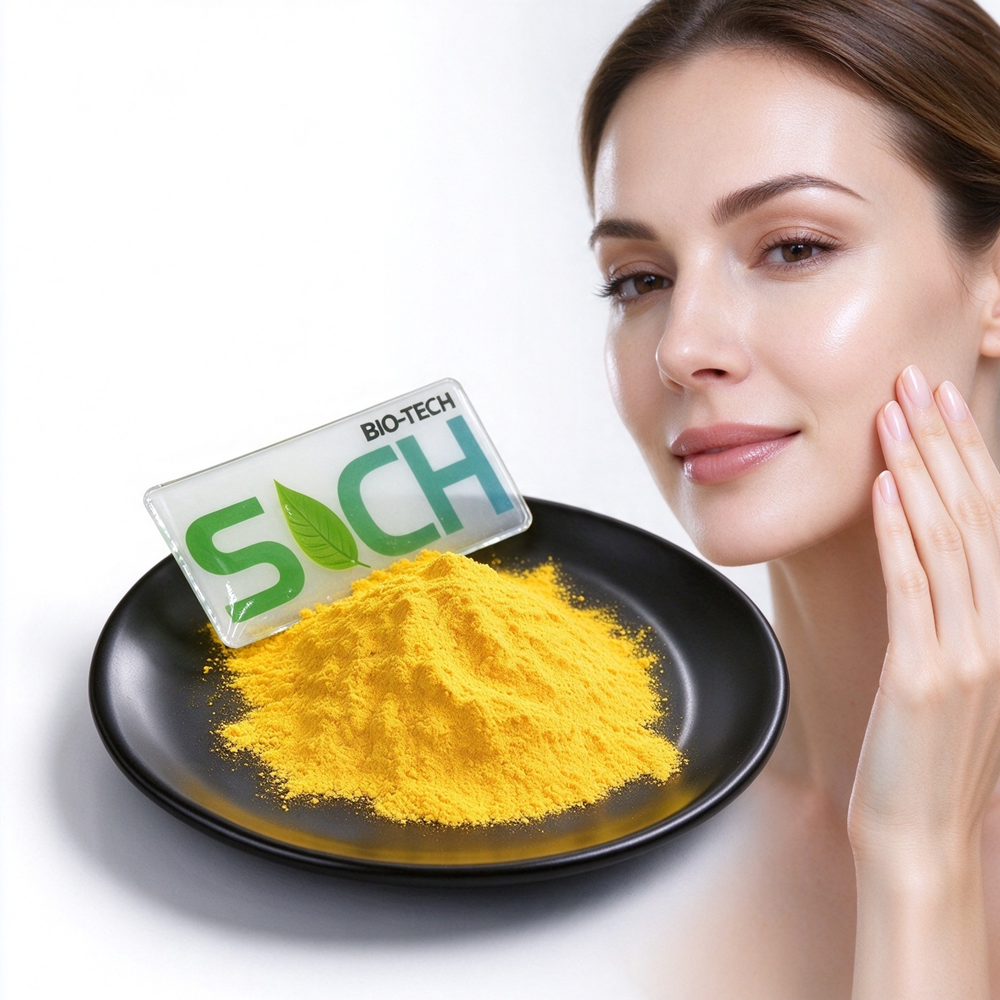
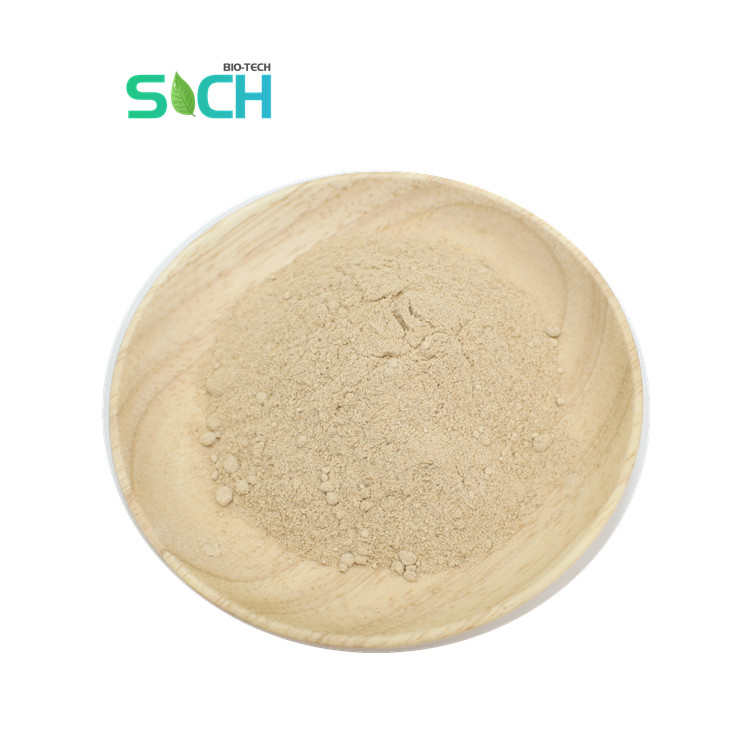
Factory Supply Food Grade Yeast Beta Glucan 70% 80% 90% Powder
Send an Inquiry
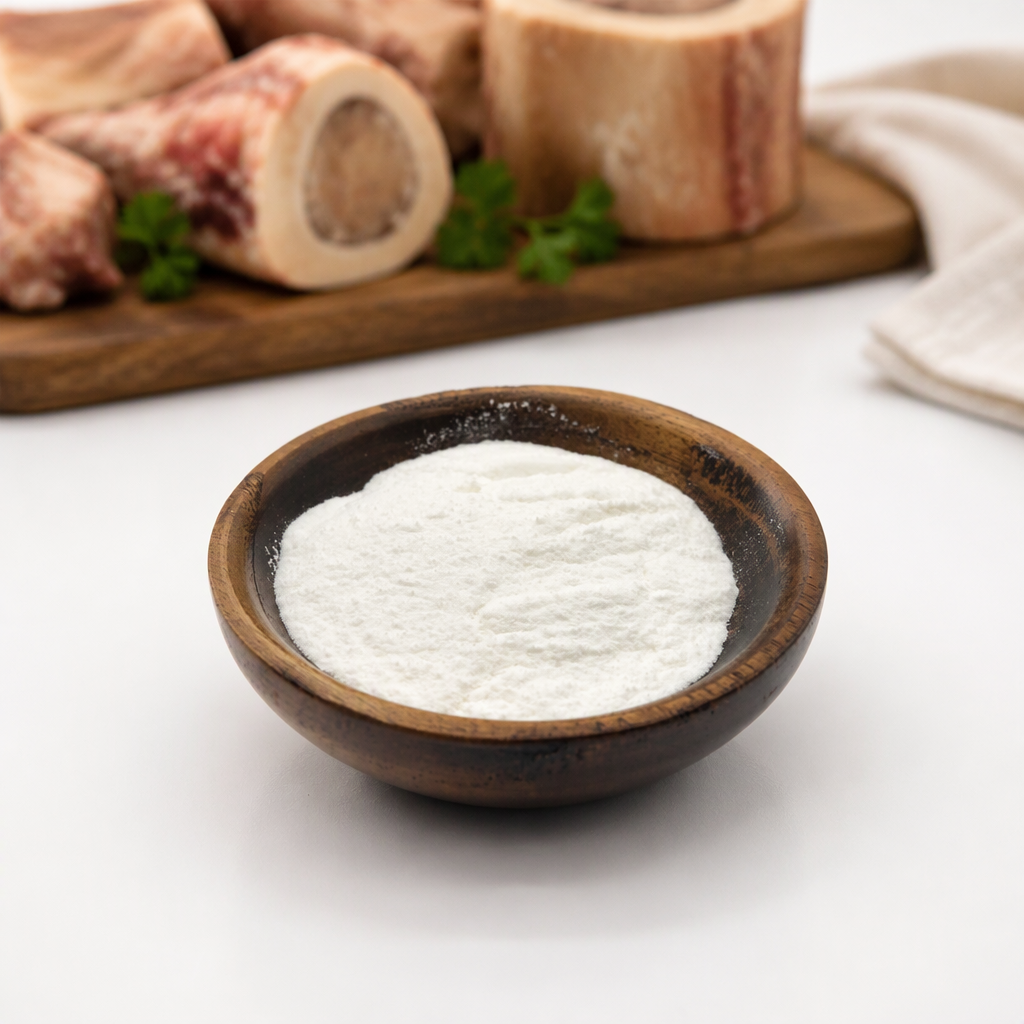
Natural Bovine Bone Marrow Peptide / Yak Bone Collagen Peptide 99%
Send an Inquiry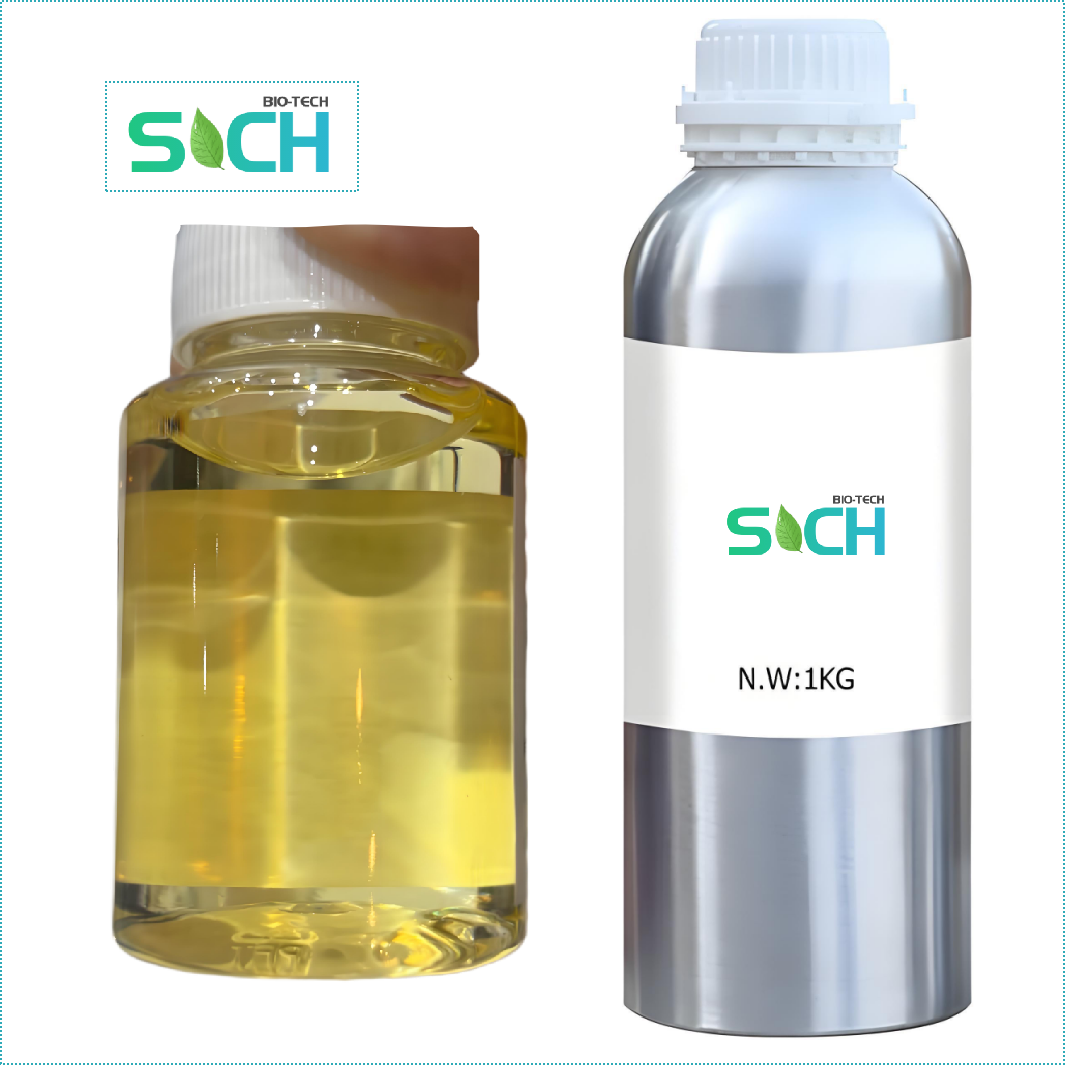
Factory Supply Polysorbate 20 Cosmetic Grade Liquid Emulsifier
Send an Inquiry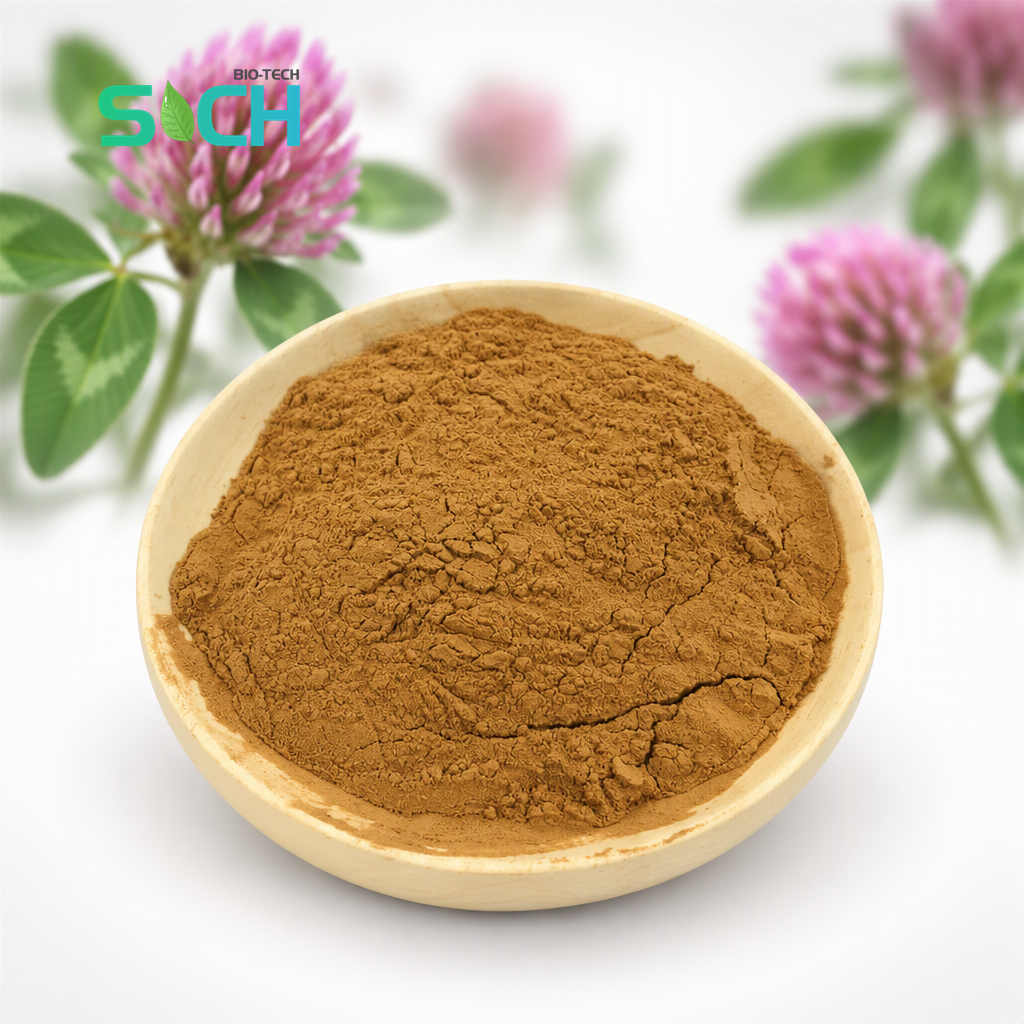
Natural Plant Red Clover Extract Powder 8% 20% 40% Total Isoflavones
Send an Inquiry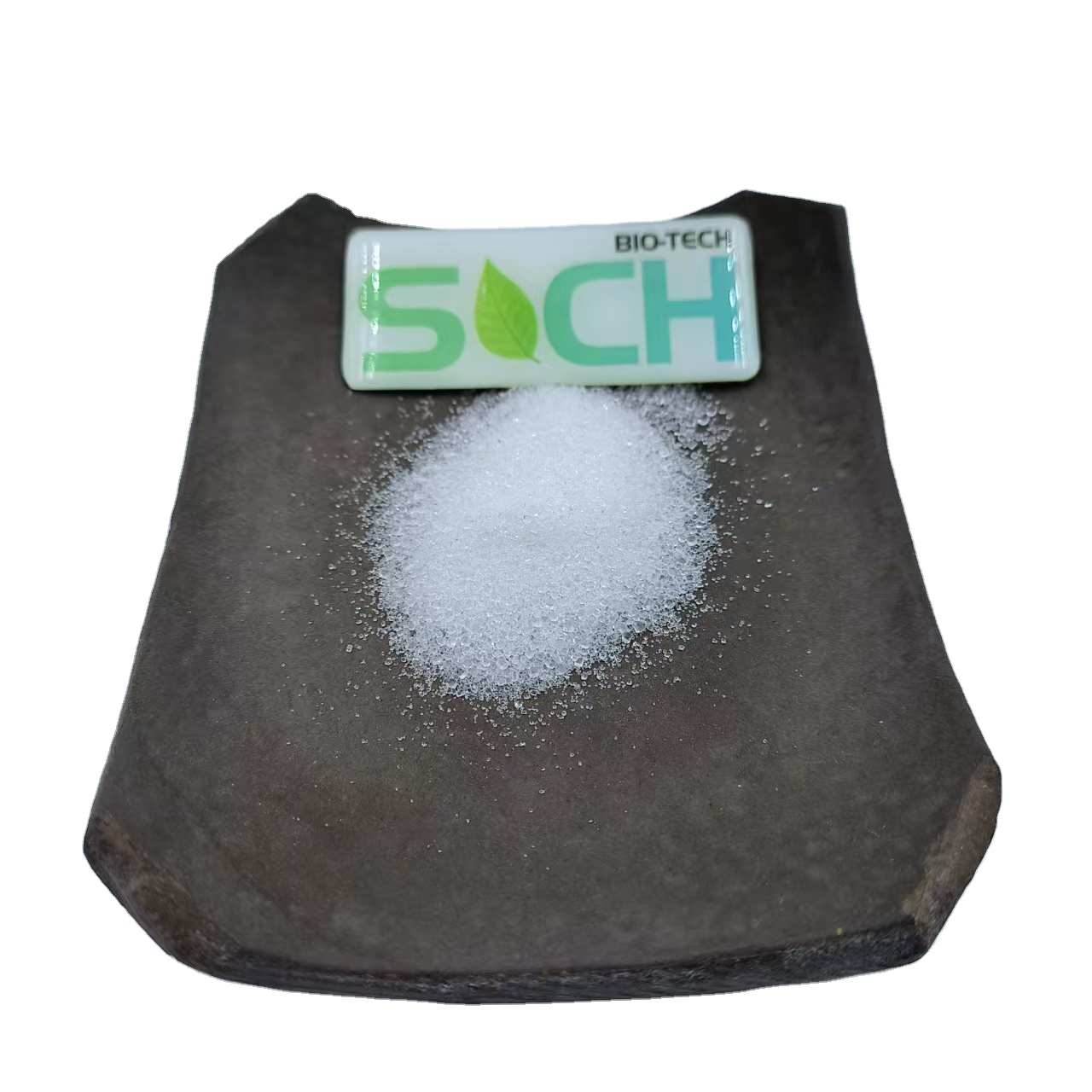
Sodium Cyclamate CP95/NF13 Manufacturer Price Flavoring Agent Powder
Send an Inquiry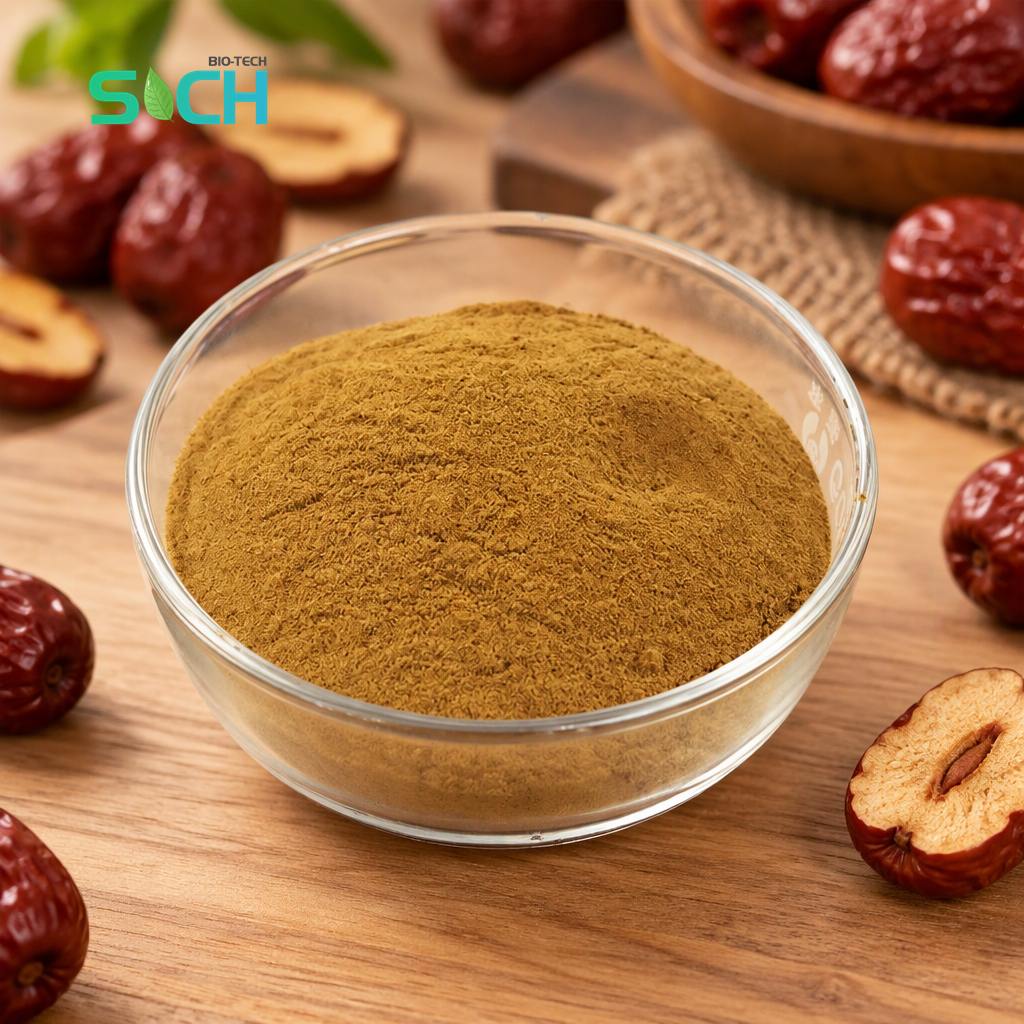
Pure Natural Red Jujube Extract 30% Polysaccharide Food Grade Powder
Send an InquiryLocalized Application Scenarios in the Lao Industrial Ecosystem
The Lao Peoples Democratic Republic presents specific operating conditions influenced by tropical climates, evolving food processing standards, and an expanding consumer healthcare market. Here is how our standardized compounds integrate directly into localized processing lines.
Functional Beverages & Ready-to-Drink (RTD) Formulations
Industrial beverage plants throughout Vientiane and the Savan-Seno Special Economic Zone face significant high-temperature distribution hurdles. Formulating with spray-dried botanicals requires high water dispersibility and heat endurance.
- Sodium Cyclamate (CP95/NF13): Delivers calorie-free sweetness that withstands retort and UHT pasteurization without off-note degradation under Mekong valley ambient storage.
- Yeast Beta Glucan (70%-90%): Enhances modern immune-boosting wellness drinks without clouding issues or rapid precipitation.
- Jujube Polysaccharides: Serves as a standard functional foundation for shelf-stable adaptogenic tea concentrates.
Dermo-Cosmetics for Tropical UV & Humidity Stress
High UV indices and tropical atmospheric conditions across Laos drive sustained consumer demand for skin barrier restoration, anti-photoaging, and gentle hyperpigmentation correction without vehicle breakdown.
- Hydroxypinacolone Retinoate (HPR 99%): Offers anti-aging efficacy directly to cellular retinoid pathways while eliminating the skin flaking, redness, and sun intolerance typical of legacy retinol.
- Acetyl Tetrapeptide-2: Restructures extracellular matrix proteins to combat photo-induced loss of skin firmness.
- Polysorbate 20: Produces lightweight, crystal-clear facial mists and lightweight sun care emulsions that resist phase separation during local humid storage.
Nutraceutical Supplements & Age-Care Formulations
With rising disposable income and medical tourism ties with neighboring Thailand and Vietnam, domestic compounding pharmacies and supplement brands in Laos are developing localized, value-added therapeutic remedies.
- Yak & Bovine Collagen Peptides: Engineered through controlled enzymatic hydrolysis, these low-dalton peptides blend smoothly into dry-mix bone density formulas.
- Red Clover Extract (up to 40% Isoflavones): Delivers precise, HPLC-verified botanical phytoestrogens for natural menopause wellness blends and hormonal balance capsules.
Emerging Botanical Market Trends in Laos (2025–2030)
Laos is transforming from a basic agricultural economy into an interconnected, regional botanical processing corridor. Below are the key macroeconomic and regulatory trends influencing botanical raw material procurement.
China-Laos Railway Corridor Optimization
The operational maturation of the Boten-Vientiane railway system has compressed overland transit timelines from central Chinese manufacturing hubs down to 48-72 hours. This shifts supply chain management in Laos from expensive airfreight or slower sea-land routing via Bangkok/Laem Chabang toward predictable, direct overland freight with reduced supply chain risk.
ASEAN Harmonization & Food Safety Standards
The Lao Food and Drug Department (FDD), operating in alignment with the ASEAN Cosmetic Directive (ACD) and Codex Alimentarius guidelines, is tightening import surveillance on adulterants, microbial limits, and heavy metals. Processors require verified batch Certificates of Analysis (COA) with HPLC traceability over unregulated spot-market trading.
Rise of Domestic Contract Manufacturing (OEM/ODM)
To capture added manufacturing margins within the domestic consumer market, localized pharmaceutical houses and fast-moving consumer goods (FMCG) packers in Laos are transitioning from importing finished foreign consumer brands to localized dry blending, tablet pressing, sachet filling, and topical compounding.
Manufacturing Infrastructure & Rigorous Analytical Validation
Gavra Bio-Tech operates an integrated supply network designed to bridge primary botanical cultivation with industrial purification, ensuring stable quality for industrial enterprises across Southeast Asia.
Primary Cultivation & Raw Material Traceability
Our agricultural operations are built upon 500 dedicated acres of standardized experimental cultivation fields. Sourcing botanicals directly from self-managed origins enables strict control over pesticide residues, aflatoxins, and harvest timings before physical processing begins.
Advanced Industrial Separation & Extraction
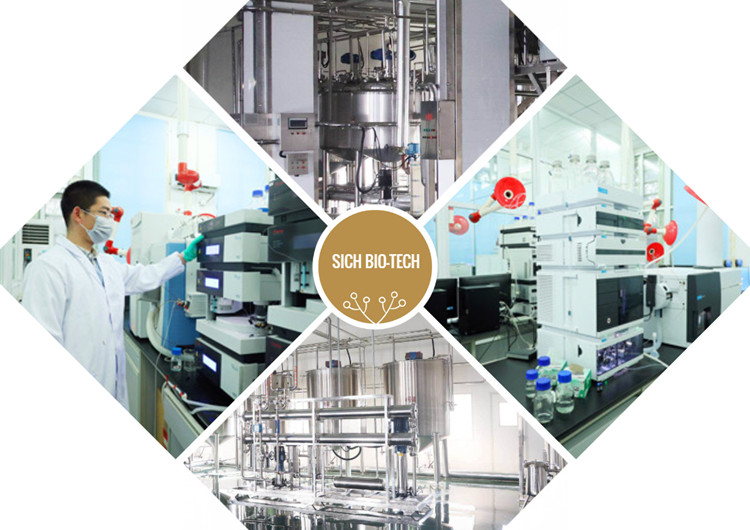
Operating three industrial production lines within an 8,000 square-meter GMP clean-room facility, we implement closed-loop continuous low-temperature countercurrent extraction, molecular distillation, vacuum falling-film concentration, and automated column chromatography.
In-House Analytical Instrumentation Center
Every export lot undergo mandatory analytical release testing. Our QC lab is anchored by Waters LC-MS systems for impurity characterization, Agilent 8453 UV-Vis spectrophotometers for active assay verification, and high-performance thin-layer chromatography (Swiss HPTLC) scanners.
Procurement FAQ for Factory Buyers in Laos
Straightforward answers addressing commercial terms, cold-chain handling, cross-border freight options, and regulatory documentation for imports into Laos.
What logistics channels are used to move botanical powders into Laos?
How do you prevent active compound degradation during hot and humid transit?
What documentation accompanies consignments for Lao FDD customs clearance?
Can we obtain free samples in Laos prior to commercial contracting?
What are the standard Minimum Order Quantities (MOQ)?
Do you offer customized granulation, mesh sizes, or contract OEM finished formats?
Accelerate Your Formulation Pipeline in Laos
Consult with our sales engineering team today to review technical specifications, receive audit documentation, or request verification samples tailored for your facility in Vientiane or surrounding provinces.