High-Purity Bioactive Extracts & Functional Ingredients
Gavra Bio-Tech provides precision-manufactured ingredients produced in our 8,000 m² GMP-compliant facility, verified via chromatographic characterization.

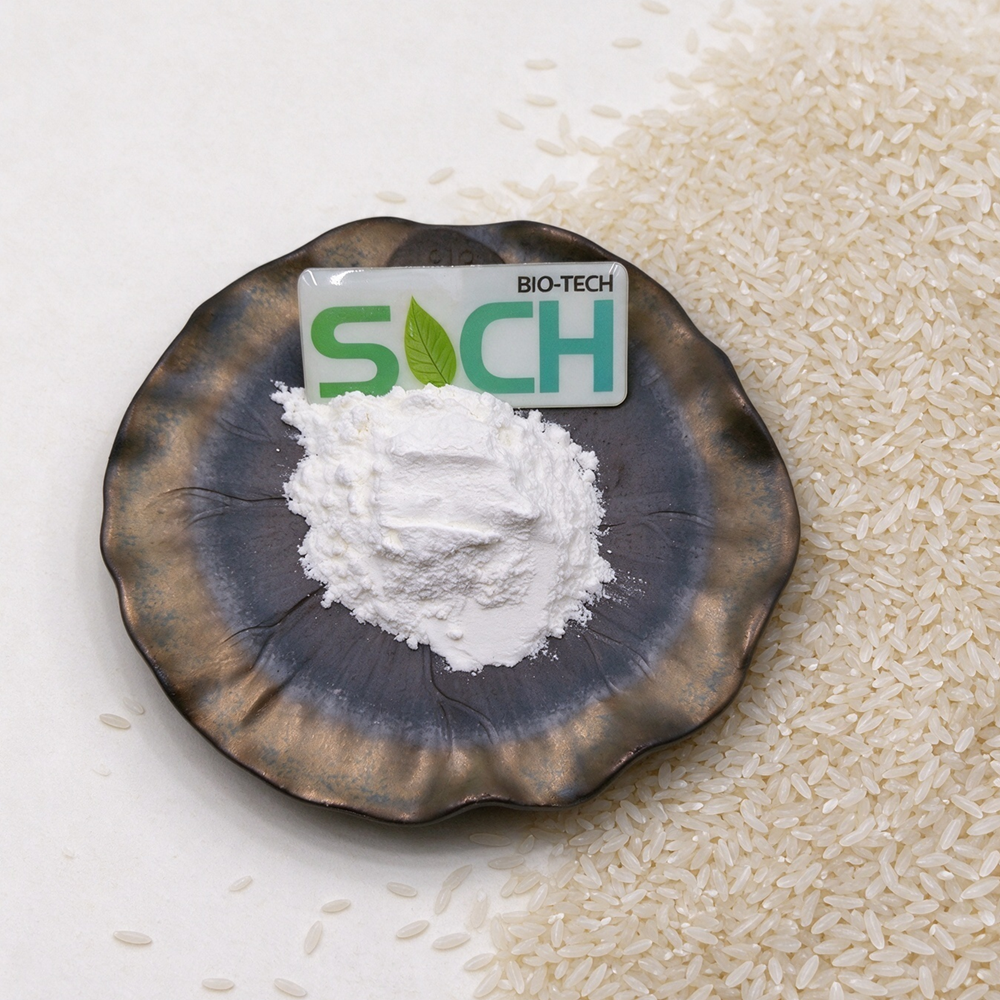
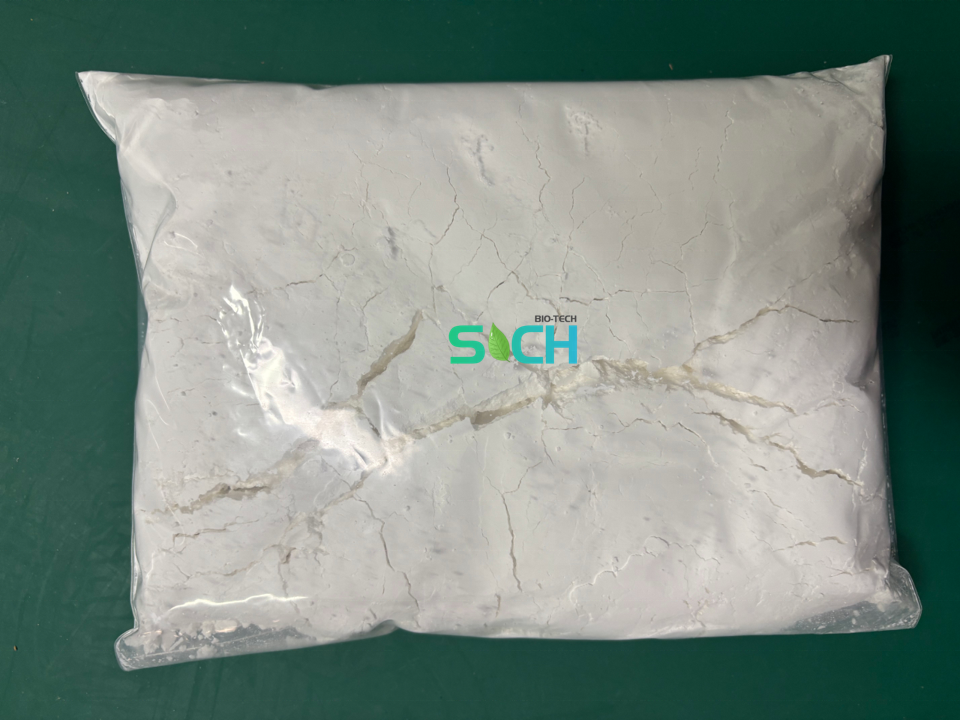
Biochemical Architecture & Physiological Mechanisms of TUDCA
A rigorous examination of Tauroursodeoxycholic Acid (TUDCA) for chemical engineers, clinical formulation directors, and procurement managers in San Miguel.
Tauroursodeoxycholic Acid (TUDCA), chemically designated as 2-[[(3α,5β,7β)-3,7-dihydroxy-24-oxocholan-24-yl]amino]ethanesulfonic acid (CAS Number: 14605-22-2; Molecular Formula: C26H45NO6S; Molecular Weight: 499.70 g/mol), represents the taurine-conjugated hydrophilic derivative of ursodeoxycholic acid (UDCA). Endogenously present in trace concentrations within the human biliary matrix, TUDCA exhibits exceptional bio-surfactant and cytoprotective properties. Structurally distinguished by two equatorial hydroxyl groups positioned at the C-3 and C-7 positions of the cyclopentanoperhydrophenanthrene sterol backbone, the molecule features a markedly superior hydrophilic-lipophilic balance compared to hydrophobic bile acids such as lithocholic acid (LCA) and chenodeoxycholic acid (CDCA).
Chaperone Dynamics & Endoplasmic Reticulum (ER) Stress Mitigation
The primary molecular mechanism defining TUDCA's therapeutic superiority is its action as an endogenous chemical chaperone. Under pathological conditions characterized by cellular ischemia, metabolic overload, or oxidative stress, the endoplasmic reticulum experiences accumulation of misfolded or unfolded peptides—a state known as ER stress. This dysfunction triggers the Unfolded Protein Response (UPR) pathway mediated through three distinct trans-membrane sensor proteins: protein kinase RNA-like ER kinase (PERK), inositol-requiring enzyme 1 (IRE1α), and activating transcription factor 6 (ATF6).
Prolonged activation of the UPR initiates pro-apoptotic signaling cascades, primarily governed by CCAAT/-enhancer-binding protein homologous protein (CHOP) expression and caspase-12 activation. Exogenous intervention with ultra-pure TUDCA enhances the adaptive folding capacity of the ER lumen, stabilizes folding intermediates, and physically blocks the dissociation of binding immunoglobulin protein (BiP/GRP78) from ER sensory transducers. Consequently, TUDCA downregulates downstream apoptotic pathways, mitigates mitochondrial membrane permeabilization (MMP), and inhibits the trans-location of cytochrome c into the cytosolic space, rendering it an indispensable ingredient for cellular rescue formulations.
| Analytical Parameter | Standard Compendial Criteria | Gavra Bio-Tech Verified Batch Spec | Methodology / Instrumentation |
|---|---|---|---|
| Assay Content (HPLC) | 98.0% – 102.0% (Dried Basis) | ≥ 99.4% | HPLC with Refractive Index (Waters LC-MS) |
| Appearance & Color | White or almost white crystalline powder | Conforms (Fine crystalline) | Visual / Organoleptic Inspection |
| Specific Optical Rotation | +40.0° to +44.0° | +42.6° | Optical Polarimeter (c=1, ethanol) |
| Melting Point Range | 172.0°C – 178.0°C (with decomposition) | 174.5°C – 176.2°C | Capillary Phase Transformation Apparatus |
| Free Taurine Residue | ≤ 0.50% | ≤ 0.08% | High-Performance Thin-Layer Chromatography (HPTLC) |
| Heavy Metal Limits (Pb, As, Cd, Hg) | ≤ 10.0 ppm combined | ≤ 2.0 ppm total (ND at 0.1 ppm detection) | Inductively Coupled Plasma Mass Spectrometry (ICP-MS) |
| Loss on Drying (LOD) | ≤ 2.0% | 0.82% | Gravimetric Oven Balance at 105°C |
Strategic Application Scenarios Across San Miguel
Evaluating commercial, pharmaceutical, and livestock application environments specific to the microclimate and industrial topology of San Miguel.
Nutraceutical Compounding & Liver Health
Local formulation laboratories in San Miguel are increasingly integrating bulk TUDCA into synergistic hepatoprotective blends alongside L-Carnitine Tartrate and Piperine. Targeted toward athletic organ-support regimes, these solid oral dosage formats require high bulk-density powder with optimal powder flowability to guarantee mass uniformity during high-speed rotary tableting.
Dermatological & Cosmeceutical Formulations
Given the intense UV index characteristic of San Miguel's regional climate, cosmetic formulators use TUDCA to alleviate cellular inflammation, stabilize barrier functionality, and inhibit UV-induced apoptotic cascades. By co-formulating with cosmetic actives like Ectoine and Niacinamide, contract manufacturers generate premium restorative serums that maintain cellular homeostasis.
Advanced Veterinary Aquaculture & Livestock Feeds
The agricultural sectors flanking San Miguel utilize specialty feed-grade bile acids. In intensive monogastric livestock and aquaculture feeds, TUDCA acts as an emulsifier for dietary lipids, accelerating the absorption of fat-soluble vitamins, reducing non-alcoholic fatty liver conditions in intensive breeding setups, and boosting overall conversion ratios.
San Miguel Procurement & Market Dynamics
Analysis of regulatory adaptation, cold-chain transport efficiency, and shifting procurement patterns impacting B2B purchasers in San Miguel.
Adoption of Compendial Traceability Mandates
Local purchasing agents and contract packagers in San Miguel are abandoning brokers in favor of direct primary synthesis manufacturers. Increased regulatory scrutiny demands documented trace-impurity profiles, complete heavy metal quantification via ICP-MS, and clear pesticide absence certificates aligned with international pharmaceutical compendia.
Transition Toward High-Density Direct-Compression Grades
Modern encapsulation machinery operating within the region requires materials with tight particle size distributions (mesh profiles ranging between 80 mesh and 100 mesh). Buyers are transitioning toward spray-granulated TUDCA powders that overcome the natural hygroscopic challenges of bile salts, mitigating caking and production halts.
Mitigating Trans-Pacific Freight Bottlenecks
Supply chain reliability has shifted from a spot-price mentality to strategic buffer-stock inventory agreements. Enterprise buyers in San Miguel increasingly secure quarterly delivery schedules leveraging multimodal air-express logistics (FedEx / DHL SVIP tiers) with guaranteed transit times under 5 business days.
The Gavra Bio-Tech Manufacturing Advantage
A vertically integrated supply model bridging scientific synthesis, strict quality control, and robust global export capacity.
Triple Analytical Characterization
Our in-house analytical testing center validates every production lot via a Waters LC-MS system, an 8453 UV-Vis spectrophotometer, and a Swiss HPTLC scanner, ensuring full batch-to-batch repeatability and verifiable Certificates of Analysis (COA).
Full-Spectrum Custom OEM Formats
Beyond bulk raw active powders, Gavra Bio-Tech delivers turn-key contract manufacturing services covering custom dosage encapsulation, precision micro-tableting, and high-stability gummy formulations manufactured directly to proprietary specifications.
Global Shipping & Logistics SVIP
Operating as an accredited SVIP account holder with tier-one carriers (FedEx, DHL), we ensure priority customs pre-clearance, temperature-controlled packaging arrays, and dispatch within 3–5 business days for all catalog inventories.
San Miguel Buyer Frequently Asked Questions
Addressing critical technical, regulatory, and supply questions commonly raised by purchasing managers in San Miguel.
What is the standard Minimum Order Quantity (MOQ) for bulk TUDCA powder?
While primary synthesis commodity materials often carry strict multi-ton mandates, Gavra Bio-Tech supports development flexibility by offering a standard 1 kg MOQ on high-purity TUDCA powder. For pilot clinical batches and laboratory assay validation, sample units (50g–100g) are available upon submission of institutional credentials.
How does Gavra Bio-Tech ensure complete absence of heavy metals and micro-contaminants?
Every commercial batch undergoes multi-stage screening. Heavy metals are quantified via Inductively Coupled Plasma Mass Spectrometry (ICP-MS), maintaining lead, cadmium, arsenic, and mercury below total limits of 2 ppm. Microbiological assays verify absence of Salmonella, E. coli, and Staphylococcus aureus, complying with international safety standards.
What documentation accompanies each commercial export consignation?
All consignments destined for San Miguel arrive fully documented with a lot-specific Certificate of Analysis (COA), Safety Data Sheet (SDS) prepared under GHS alignment, Method of Analysis (MOA), Animal Origin-Free / BSE-TSE Free Declarations, Non-GMO Attestation, and Allergen Statements.
What are the accepted international incoterms and settlement frameworks?
We support a broad spectrum of commercial Incoterms including FOB, CFR, CIF, EXW, CIP, and complete door-to-door Delivered Duty Paid (DDP) arrangements tailored to San Miguel buyers. Flexible payment frameworks include Wire Transfer (T/T), Credit Card options, and Western Union in both USD and CNY denominations.
How does TUDCA powder behave in local ambient storage conditions?
Tauroursodeoxycholic acid possesses moderate hygroscopicity. For operations across San Miguel, we package products in double-layered polyethylene food-grade internal liners vacuum-sealed within heavy-duty aluminum barrier foil bags, housed in export-grade fiber drums (25 kg net weight) to prevent ambient moisture uptake.
Can you provide technical consultation on solubilization and formulation pH?
Yes. Our technical engineering division provides direct formulation assistance. TUDCA demonstrates optimal solubility in aqueous systems within a neutral to slightly alkaline pH window (pH 7.2–8.4). In acidic regimes (pH < 5.0), taurine precipitation risks increase, necessitating appropriate micro-encapsulation or buffer balancing.
Ready to Verify Specifications or Request Pilot Samples?
Contact our chemical engineering and export sales specialists directly. Receive batch-specific chromatographic data, compliance certificates, and commercial tiered quotations within 2 hours.