China Best Concentrated Herbal Extract Manufacturers & Exporter

Precision Botanical Separation, High-Potency Phytochemicals & Industrial-Scale cGMP Processing for Global Food, Nutraceutical, and Cosmeceutical Formulators.

500+ Acres Agronomic Field Base
8,000 m² GMP-Standard Clean Rooms
150+ Sets Waters LC-MS & HPTLC Rigs
≤ 2 Hours Technical Audit Response
Direct Factory Sourcing

Precision-Standardized Botanical Extracts & Bio-Compounds

Lab-verified phytochemical profiles, rigorous batch-to-batch assay consistency, and ultra-low residual solvent metrics engineered to meet stringent EP, USP, and FCC compliance.

Factory Verifiable Capabilities

End-to-End Extraction Integrity & cGMP Process Engineering

Combining proprietary raw cultivation acreage with state-of-the-art analytical testing centers to de-risk overseas chemical and botanical procurement.

500-Acre Agronomic Traceability

Unlike secondary brokers, Gavra Bio-Tech anchors production directly to 500 acres of experimental cultivation fields in Henan, China. This ensures primary control over cultivar purity, microclimate monitoring, elimination of prohibited agricultural sprays, and complete batch soil-to-extract chain of custody.

8,000 m² cGMP Continuous Lines

Our industrial footprint houses three specialized production lines integrating continuous low-temperature countercurrent extraction, vacuum thin-film distillation, rectification, and high-performance preparative chromatography columns. Over 150 specialized machinery sets ensure zero thermal degradation of sensitive active fractions.

Waters LC-MS & HPTLC In-House Testing

Incoming shipments undergo strict spectroscopic fingerprinting with an Agilent 8453 UV-Vis, Swiss CAMAG HPTLC, and Waters LC-MS systems. We screen for active compound ratios, elemental heavy metals (Pb, As, Cd, Hg via ICP-MS), residual pesticide multi-screens (400+ compounds), and microbial bioburden.

Procurement Intelligence Whitepaper

Navigating Global Botanical Procurement: Structural Shifts & Analytical Risk Management

The global concentrated herbal extract market has permanently shifted from basic raw plant macerations toward clinically verified, fractionated phytochemical standards. Global regulatory authorities—including the US FDA (21 CFR Part 111), the European Food Safety Authority (EFSA), and international pharmacopeias—are enforcing heightened identity and chemical purity thresholds. For overseas procurement directors, procurement decisions must balance quantitative botanical yields against adulteration risks, supply volatility, and carrier logjams.

1. Chromatography-Standardized vs. General Extraction Ratios: Deconstructing the "10:1" Fallacy

A prevalent challenge within international B2B sourcing is over-reliance on native extraction ratios (e.g., 4:1, 10:1, 20:1). In legacy manufacturing, ratio declarations frequently reflect raw biomass consumption rather than targeted biochemical density. Modern enterprise buyers prioritize validated chromatographic assays (HPLC, LC-MS/MS, GC-FID) over unstandardized biomass yield metrics:

  • Marker-Specific Quantification: True high-tier extracts specify minimum biologically active fractions—such as 30% Polysaccharides in Wild Jujube (Ziziphus jujuba), specific Pachymic Acids in Poria Cocos, or quantified Ellagic Acid content in Guava Leaf.
  • Detection of Spiked Biomass: Ratio extracts without distinct molecular fingerprinting are historically susceptible to adulteration with exogenous chemical markers or high carrier content (maltodextrin dilution). High-Performance Thin-Layer Chromatography (HPTLC) fingerprinting serves as the primary barrier against synthetic botanical spiking.
  • Standardized Excipient Transparency: When drying viscous concentrated native extracts, carriers are strictly declared with moisture absorptive limits regulated under ≤ 5.0% Karl Fischer testing.

2. Future Procurement Trends: Clean-Label Solvents & Green Extraction Regimes

The botanical processing sector is undergoing a rapid evolution away from traditional toxic organic solvents (such as hexane, chloroform, and high-boiling petroleum distillates) toward Class 3 or fully green solvents. Global brands targeting clean-label claims are actively establishing supplier mandates centered around:

  • Supercritical CO₂ Fluid Extraction (SFE-CO₂): Particularly advantageous for heat-labile lipophilic compounds, eliminating thermal oxidation and delivering solvent-residue-free absolutes.
  • Subcritical Water Extraction (SWE): Utilizing pressurized water at dielectric constants tuned to mimic organic solvents, SWE allows selective isolation of phenolic flavonoids without organic vapor footprints.
  • Enzymatic Pre-Digestion: Enzymatic cellular lysis (pectinases and cellulases) prior to hydro-ethanolic extraction systematically enhances yield recoveries while preserving compound stereochemistry.

Rapid 3-5 Day Dispatch

Direct integration with automated Henan centralized warehousing maintains thousands of core inventory metric tons for rapid dispatch via DHL/FedEx SVIP corridors.

100% Identity Verification

Every industrial lot includes a comprehensive Certificate of Analysis (COA) detailing botanical origin, moisture content, loss on drying, ash limits, and pesticide clearances.

OEM Dosage Form Support

Beyond raw concentrated powders, cleanroom encapsulation, soft candy (gummy) formulation, and multi-ingredient tablet compression services are directly available.

3. Commercial Grade Matrix: Physical Specifications & Quality Parameters

The following reference table outlines standard factory testing criteria applied across our premier active ingredient portfolio:

Active Extract / Raw Powder Standard Specification Assay Methodology Heavy Metals (Pb/As/Cd/Hg) Packaging Standard
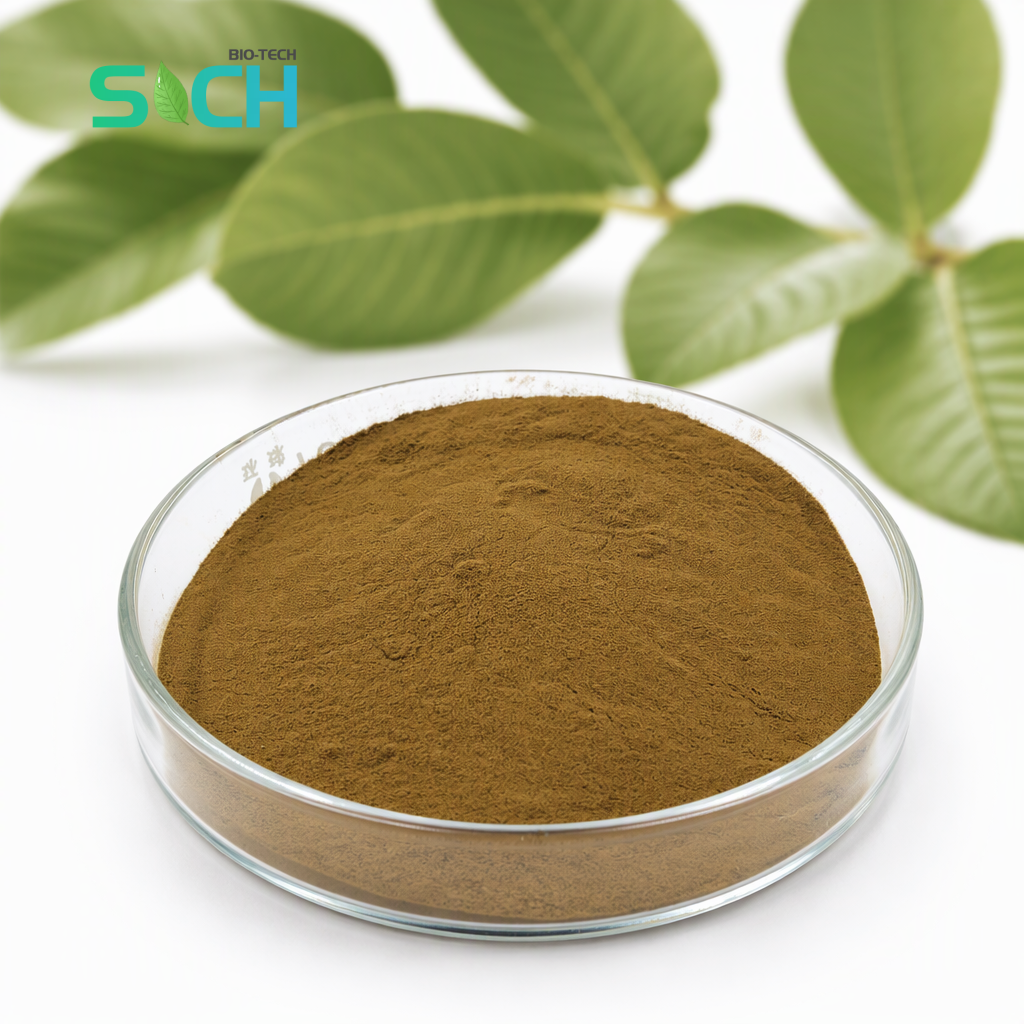
Guava Leaf Extract 10:1 Ratio / Total Flavonoids ≥ 5% UV-Vis / TLC ≤ 10.0 ppm Total 25 kg / Fiber Drum with Dual PE Liner
Sodium Cyclamate CP95, NF13 Standard (98.5-101.0%) Acid-Base Titration ≤ 5.0 ppm Total 25 kg Poly-lined Kraft Paper Bag
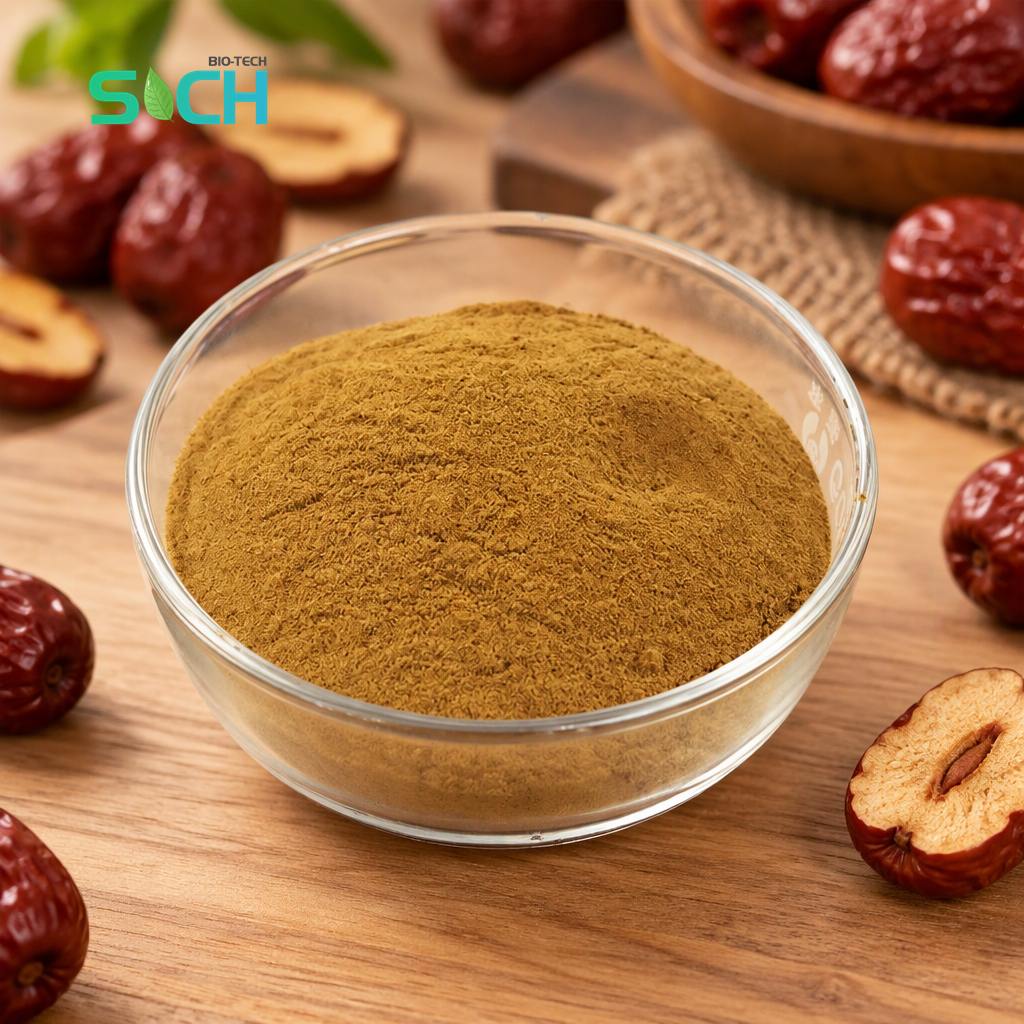
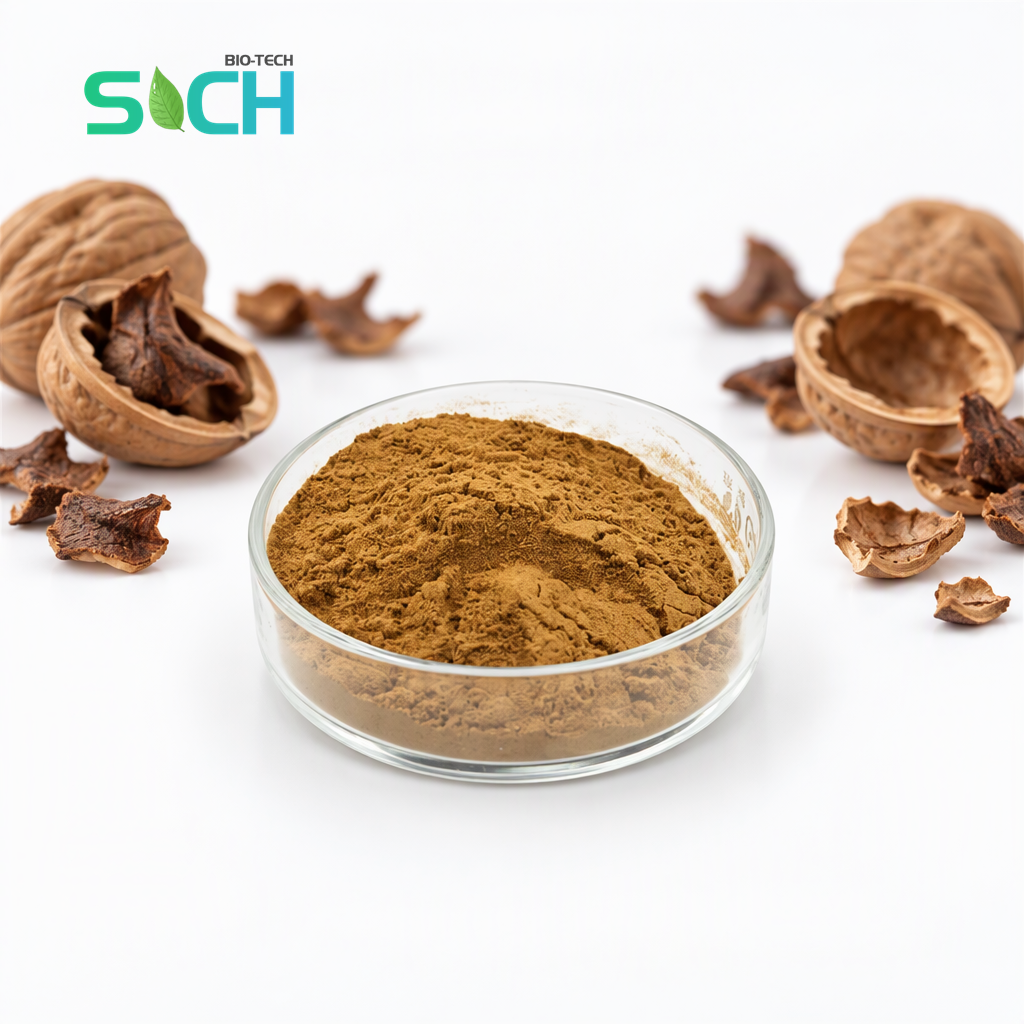
Wild Jujube Extract 30% Polysaccharide Phenol-Sulfuric Acid UV ≤ 10.0 ppm Total 25 kg / Food-Grade Carton Drum
L-Threonine ≥ 98.5% Feed Grade (CAS 72-19-5) HPLC Ninhydrin Reaction ≤ 20.0 ppm Total 25 kg Woven Polypropylene Bag
Tranexamic Acid (TXA) ≥ 99.0% Cosmetic/Pharma Grade HPLC Assay vs Reference Standard ≤ 2.0 ppm (ICP-MS) 1 kg Foil Bag / 25 kg Sealed Drum
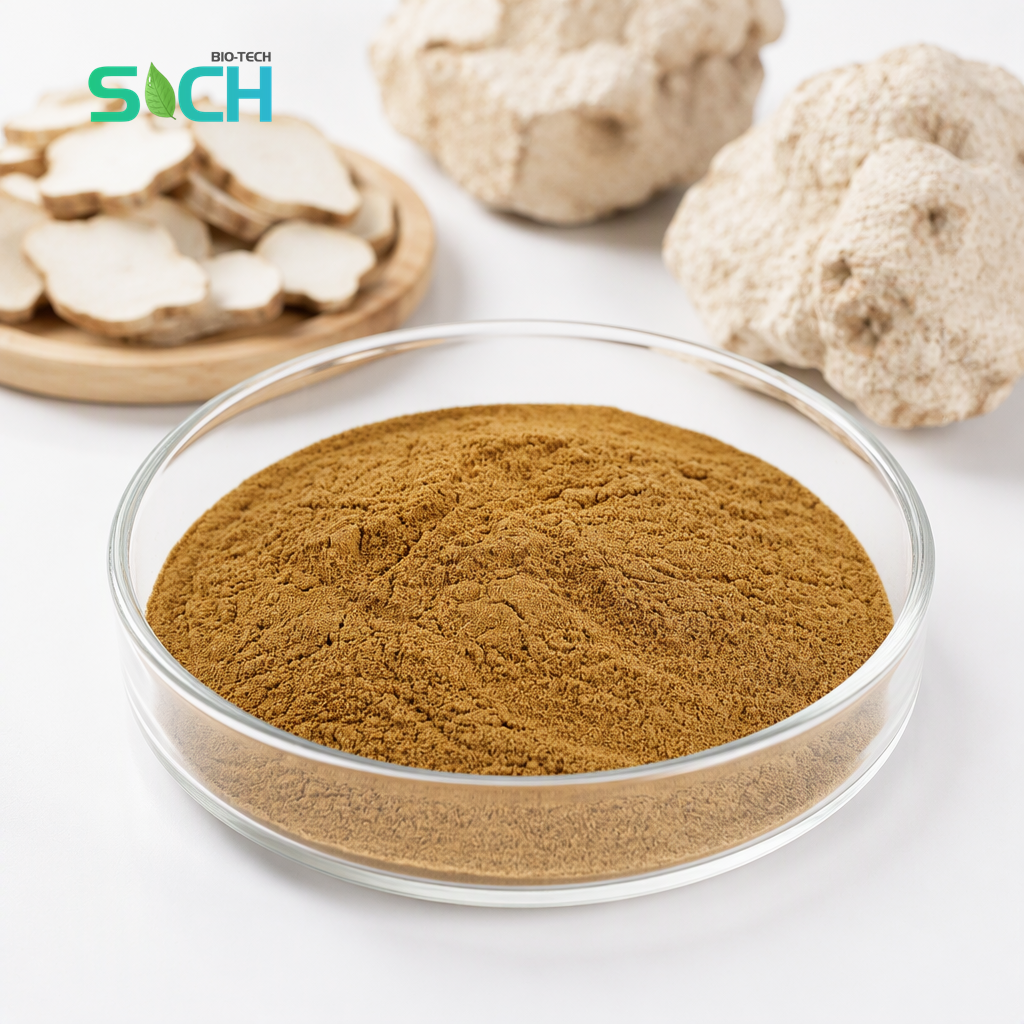
Poria Cocos Extract 10:1 Ratio / Water Soluble HPTLC Botanical Fingerprint ≤ 10.0 ppm Total 25 kg / Fiber Drum with Dual PE Liner
Buyer Guidance

Frequently Asked Procurement Questions

Straight answers regarding minimum orders, analytical documentation, sampling procedures, and global trade terms.

What are your tiered Minimum Order Quantities (MOQs)?

For custom concentrated plant extracts, pure cosmeceutical actives (such as Tranexamic Acid and active peptides), our flexible evaluation MOQ starts at 1 kg (or 1-10 g for specialized peptides). High-volume commodities like Sodium Cyclamate, L-Threonine feed premixes, and spray-dried fruit juice bases standardly commence at 25 kg commercial fiber drums or master bags.

Can we secure free verification samples before contract commitment?

Yes. We routinely supply complimentary 20 g to 50 g evaluation samples to qualified contract formulators, QA laboratories, and corporate procurement departments. Samples are drawn directly from active inventory batches alongside the identical batch Certificate of Analysis (COA) to guarantee that testing results represent bulk deliverables.

How do you prevent contamination, heavy metals, and adulteration?

Our centralized testing center utilizes Waters LC-MS, Swiss CAMAG HPTLC, and ICP-MS systems. Every commercial production batch undergoes mandatory screening against international thresholds for Lead, Arsenic, Cadmium, and Mercury. We test across 400+ pesticide residues and verify zero synthetic chemical marker fortification prior to generating release authorization.

What are the available logistics terms and standard dispatch lead times?

For stock powders and extracts, warehouse dispatch occurs within 3 to 5 business days post-payment. Leveraging FedEx and DHL SVIP priority contracts, we provide dynamic rate optimization for door-to-door express. We support a comprehensive spectrum of Incoterms including FOB, CFR, CIF, EXW, FCA, CPT, CIP, DDP, and DDU for full container or LCL ocean freight.

What payment terms and foreign currency denominations are supported?

Transactions can be processed via Telegraphic Transfer (T/T), Commercial Credit Cards, and Western Union in USD, EUR, or CNY. For ongoing contract clients with verified creditworthiness, custom letter of credit (L/C) or scheduled installment programs are negotiated directly through our finance desk.

Do your manufacturing capabilities extend to OEM finished contract formats?

Yes. Our cleanroom facilities operate certified contract manufacturing suites capable of producing finished OEM private label nutritional supplements. Capabilities encompass custom gelatin or pectin gummy formulations (soft candies), hard-shell two-piece capsules, solid tablet compression, and customized barrier sachet filling tailored to your brand specifications.

Connect Directly with Our Botanical Process Engineers

Submit your desired active marker assay, particle mesh dimensions, regulatory standard, and volume schedule. Our technical formulation engineers respond within 2 hours with pricing structures, full COA libraries, and sample dispatch scheduling.