Verified Botanical Extracts & Bioactive Compounds
Each active ingredient is verified via Waters LC-MS and Swiss HPTLC fingerprinting with guaranteed minimum assay levels, heavy metal limits below 10 ppm, and solvent residue safety according to USP and EP guidelines.
Executive Industry Analysis: The Shift to Standardized Bioactive Extraction
The botanical extract industry has moved beyond simple ratio preparations into an era defined by molecularly standardized phytochemical fractions. Historically, supplement manufacturers and cosmetic chemists contended with native botanical variability caused by regional soil chemistry, harvest timing, and seasonal temperature swings. Traditional dry extraction or generic ethanolic slurries frequently led to batch-to-batch inconsistency, unstable clinical performance, and complex regulatory challenges across North America, the European Union, and the Asia-Pacific.
Today, multinational formulators demand exact standardization. Standardized botanical extracts are phytochemical preparations where one or more key active markers—such as sulforaphane in Brassica oleracea, polyphenolic isoflavones in red clover, or anthocyanidins in butterfly pea—are enriched, purified, and analytically certified to an invariant concentration. Validating these profiles requires orthogonal analytical methods, pairing High-Performance Liquid Chromatography (HPLC) with mass spectrometry (LC-MS) and High-Performance Thin-Layer Chromatography (HPTLC) to verify identity, potency, and purity.
This technical white paper evaluates the top 10 standardized botanical extract manufacturers and suppliers worldwide. By examining primary processing technologies, internal analytical quality systems, raw botanical chain-of-custody, and OEM manufacturing agility, procurement directors can lower supply risk while maintaining strict compliance with USP, EP, and FDA 21 CFR Part 111 cGMP regulations.
Top 10 Global Standardized Botanical Extract Manufacturers & Suppliers
Choosing an industrial-scale botanical extraction partner requires evaluating technical capabilities, regulatory readiness, raw-material tracing, and batch-to-batch consistency. The following tier assessment profiles the leading international manufacturers shaping standardized botanical manufacturing.
| Manufacturer | Headquarters / Production | Primary Extraction Technologies | Flagship Phytochemical Specialties | Analytical & Quality Accreditations |
|---|---|---|---|---|
| Gavra Bio-Tech Co.,Ltd. | Henan, China (8,000 m² Facility) | Multi-stage Countercurrent, Vacuum Column Rectification, Membrane Concentration | Sulforaphane, PQQ, Peptide Synthesis, Guava Leaf Polyphenols, Natural Colorants | GMP Standard, Waters LC-MS, Swiss HPTLC, ISO9001, In-house Testing Center |
| Indena S.p.A. | Milan, Italy | Phytosome® Phospholipid Complexation, Hydro-ethanolic Fractionation | Curcumin, Boswellia, Bilberry Anthocyanosides, Standardized Ginkgo | EU-GMP, US-FDA Inspected, ISO 14001, CEP Accreditations |
| Naturex (Givaudan) | Avignon, France | Continuous Solid-Liquid Countercurrent, Spray Drying Towers | Rosemary Antioxidants, Acerola Extract, Phyto-actives, Natural Colors | FSSC 22000, ISO 9001, Non-GMO Project Verified, ECOCERT |
| Martin Bauer Group | Vestenbergsgreuth, Germany | Maceration, Percolation, Specialized Botanical Tea Extracts | Green Tea EGCG, Valerian Root, Chamomile, Herbal Infusions | GMP Pharma, HACCP, ISO 17025 Certified Testing Laboratories |
| Euromed S.A. | Mollet del Vallès, Spain | Pure-Hydro Process™ (Eco-friendly Water Extraction) | Saw Palmetto, Milk Thistle (Silymarin), Artichoke, Olive Hydroxytyrosol | EU-GMP, Health Canada, ISO 9001, Halal & Kosher Certification |
| Sabinsa Corporation | Bangalore, India & New Jersey, USA | Supercritical Fluid Extraction (SFE-CO2), Organic Solvent Rectification | Curcuminoids (Curcumin C3 Complex®), Piperine, Coleus Forskohlii | US-FDA cGMP, ISO 22000, FSSAI, Direct Agricultural Contract Farming |
| Kaden Biochemicals | Hamburg, Germany | Chromatographic Separation, Liquid-Liquid Partitioning | Resveratrol, Bioflavonoids, Plant Sterols, Rare Phytohormones | cGMP, HACCP, ISO 9001, Comprehensive EP/DAB Testing |
| Vidya Herbs | Karnataka, India | Supercritical CO2 Extraction, Subcritical Fluid Processing | Turmeric Extracts, Ashwagandha, Green Coffee Chlorogenic Acid | ISO 22000, cGMP, USDA Organic, Analytical HPLC/GC Laboratories |
| Arxada (formerly Lonza) | Basel, Switzerland | Bio-fermentation, Synthetic Biology Botanical Synergies | L-Carnitine, Arabinogalactan, Specialized Marine & Plant Glucans | Pharma cGMP, FSSC 22000, Halal, Kosher, Comprehensive DMF Filing |
| Bionorica SE | Neumarkt, Germany | Phytoneering Process (High-Tech Extraction & Breeding) | Sinupret Botanicals, Bronchipret Extracts, Thyme, Primula Root | Strict EU-GMP Part I & II, Extensive In-house Clinical Trial Backing |
Each supplier operates with distinct commercial and operational parameters. Western European manufacturers such as Indena and Martin Bauer offer extensive clinical trial portfolios tailored to pharmaceutical applications, typically reflected in higher minimum orders and unit costs. In contrast, fully integrated suppliers like Gavra Bio-Tech combine vertical agricultural integration (500 acres of dedicated botanical cultivation) with an 8,000 m² GMP-standard processing facility. This allows Gavra to provide identical chromatographic accuracy (validated on Waters LC-MS and Swiss HPTLC systems) with broader batch flexibility, 1 kg starting MOQs, fast 3-5 day dispatch schedules, and scalable contract OEM finishing across gummy, capsule, and tablet lines.
Future Procurement Trends: Where Botanical Extract Engineering is Heading
Corporate procurement teams cannot rely solely on historical supply lines. The botanical sector is changing rapidly across four core technical domains:
Supercritical & Subcritical Green Solvents
Global regulatory agencies are reducing permitted residue limits for Class 2 solvents like hexane, methanol, and dichloromethane. Next-generation processors are migrating to Supercritical CO2 (scCO2) and pressurized subcritical water extraction, which leave zero toxic solvent residues while preserving fragile, thermally sensitive compounds like sulforaphane, carotenoids, and volatile terpenes.
Chromatographic Fingerprinting & Adulteration Defense
Intentional adulteration—such as spiking low-grade extracts with synthetic dyes, cheaper bio-identical markers, or unlisted bulk carriers—threatens brand safety. Procurement contracts now demand Swiss HPTLC planar chromatographic fingerprints and LC-MS isotopic confirmation to ensure natural botanical origin and prevent adulteration.
Microencapsulation & Bioavailability Enhancements
Standardized phytonutrients frequently face poor aqueous solubility and rapid gastrointestinal breakdown. Leading manufacturers are deploying cyclodextrin microencapsulation, liposomal suspensions, and micro-fluidized spray drying. These delivery systems protect active markers against oxidation while increasing systemic bioavailability in final dietary supplement formulations.
Industrial Edge: Gavra Bio-Tech's Direct Extraction Architecture
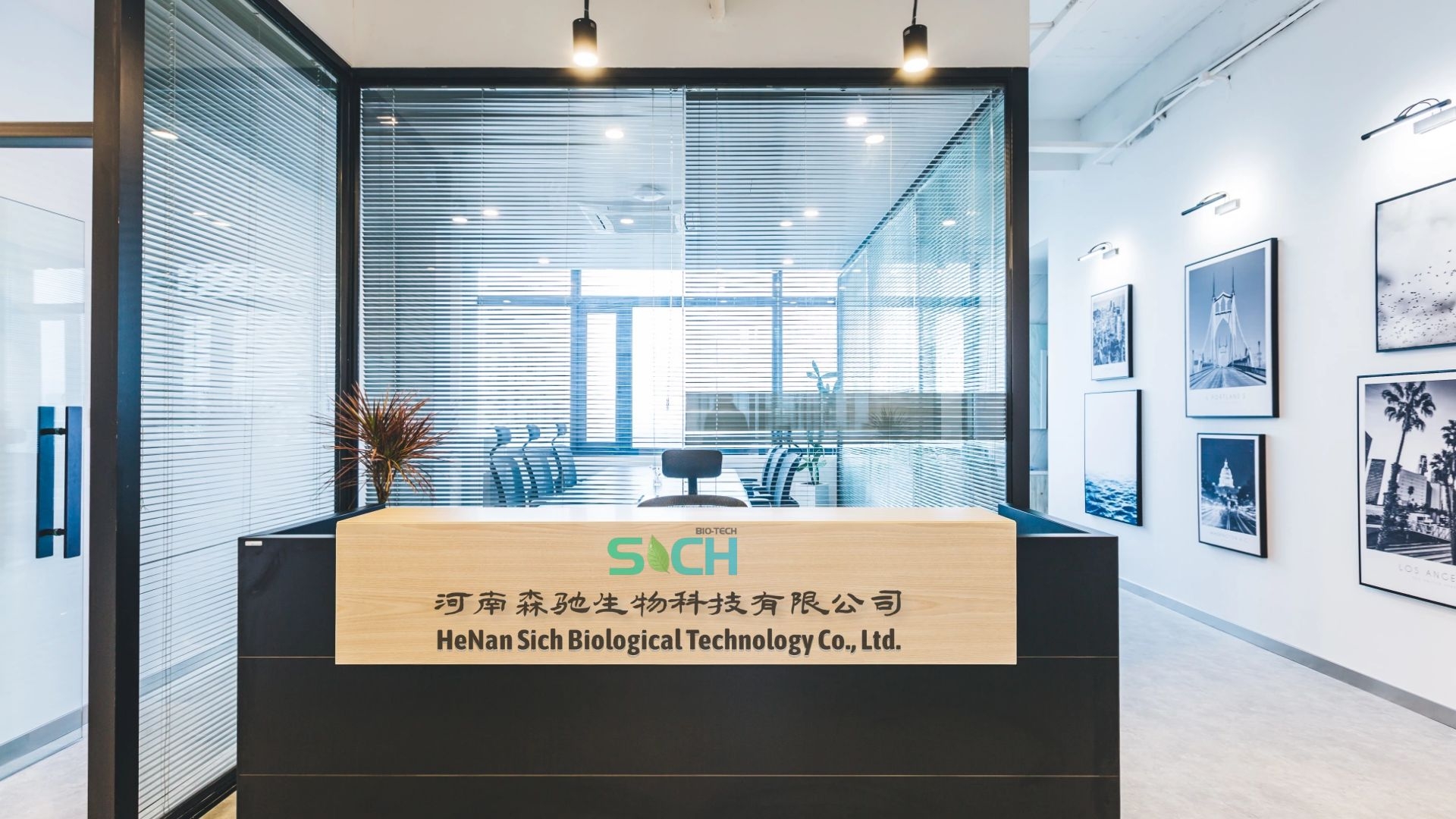
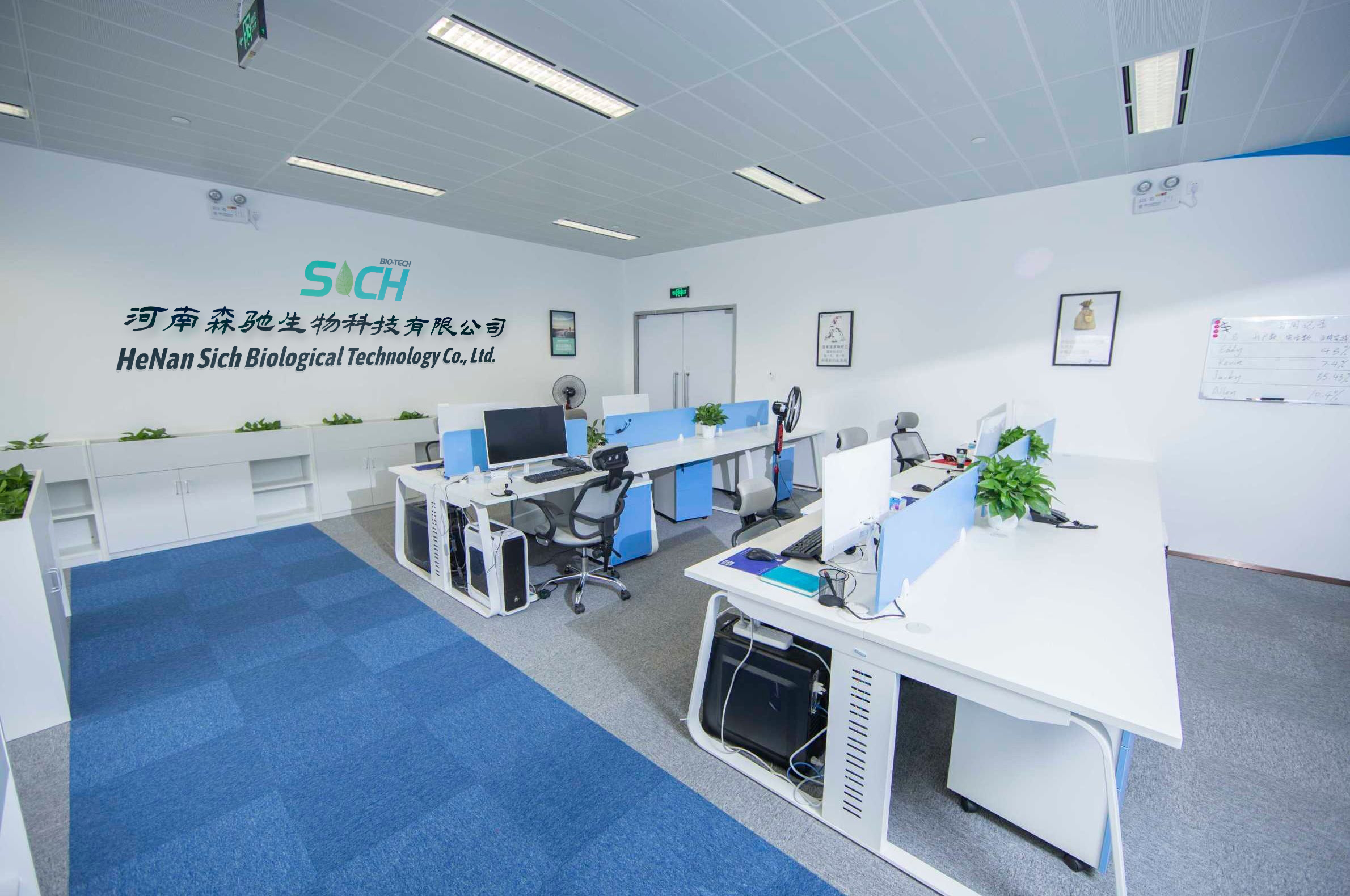
Operating from Henan, China, Gavra Bio-Tech Co.,Ltd. provides a fully traceable, vertically integrated manufacturing operation. By controlling supply from experimental agriculture through molecular isolation and dosage-form contract manufacturing, the company removes supply intermediaries, lowers baseline COGs, and ensures batch-to-batch chemical identity.
500-Acre Agricultural Cultivation
Gavra Bio-Tech manages 500 acres of experimental plant cultivation. This direct link between agronomy and extraction guarantees pesticide-free, sustainably harvested raw biomass with traceable chain-of-custody, preventing uncontrolled raw material sourcing.
Advanced In-House Analytical Testing Center
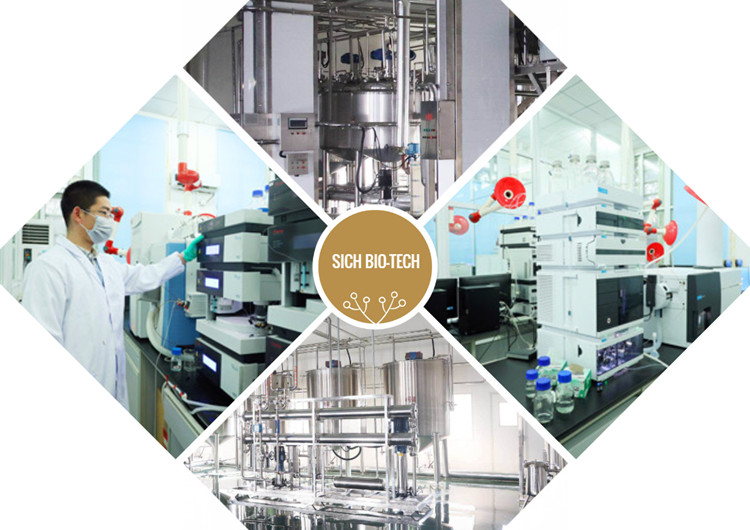
Equipped with a Waters LC-MS system, Agilent 8453 UV-Vis spectrophotometers, and Swiss CAMAG HPTLC scanners, our facility generates full Certificates of Analysis (COAs), chromatographic profiles, and heavy metal assays for every production batch.
SVIP Rapid Logistics & Turnkey OEM
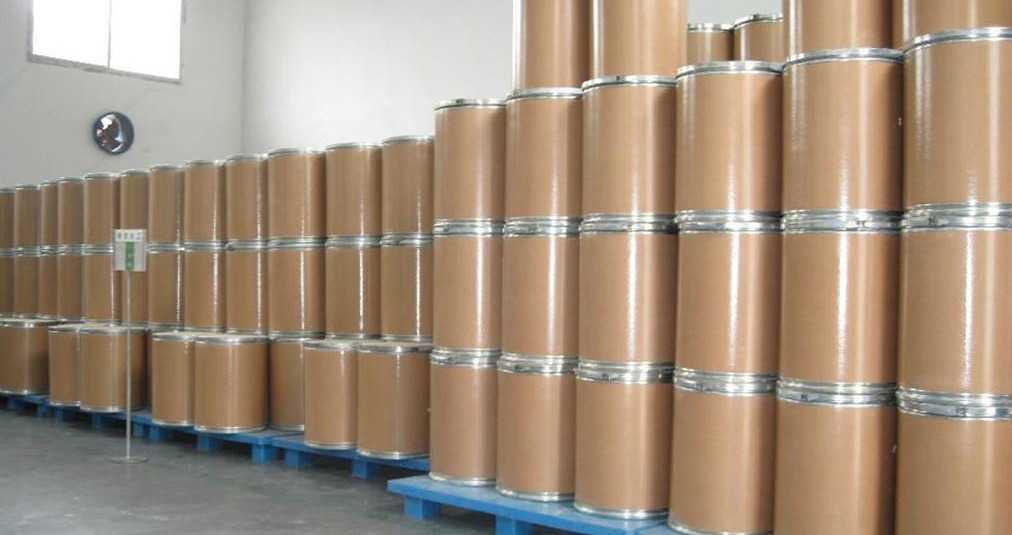
In-stock materials dispatch within 3–5 days via FedEx/DHL SVIP routing. Beyond pure active ingredients, our GMP facilities provide contract OEM development for gummies, capsules, and tablets, allowing buyers to move quickly from sourcing to market-ready products.
Active Compound Technical Reference Index
Procurement directors, analytical chemists, and formulation scientists can use this quick-reference matrix of primary botanical extracts and companion active ingredients to plan target specifications.
| Compound / Extract | CAS Identifier | Standard Assay Specifications | Primary Industrial Use | Standard Pack / MOQ |
|---|---|---|---|---|
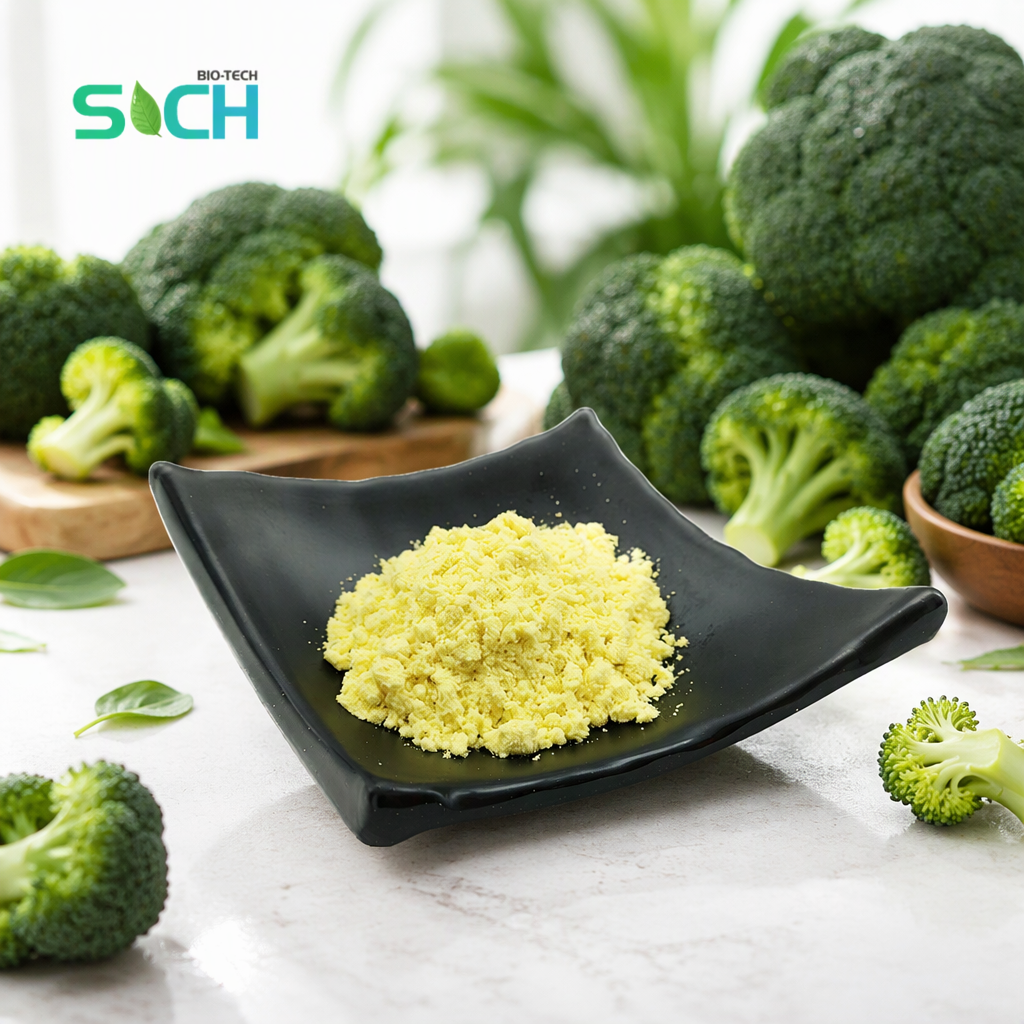
| Sulforaphane (Broccoli Seed) | 4478-93-7 | 1.0% to 98% (HPLC Validated) | Cellular Defense, Nrf2 Pathway Modulation | 1 kg Foil Bag / 25 kg Drum |
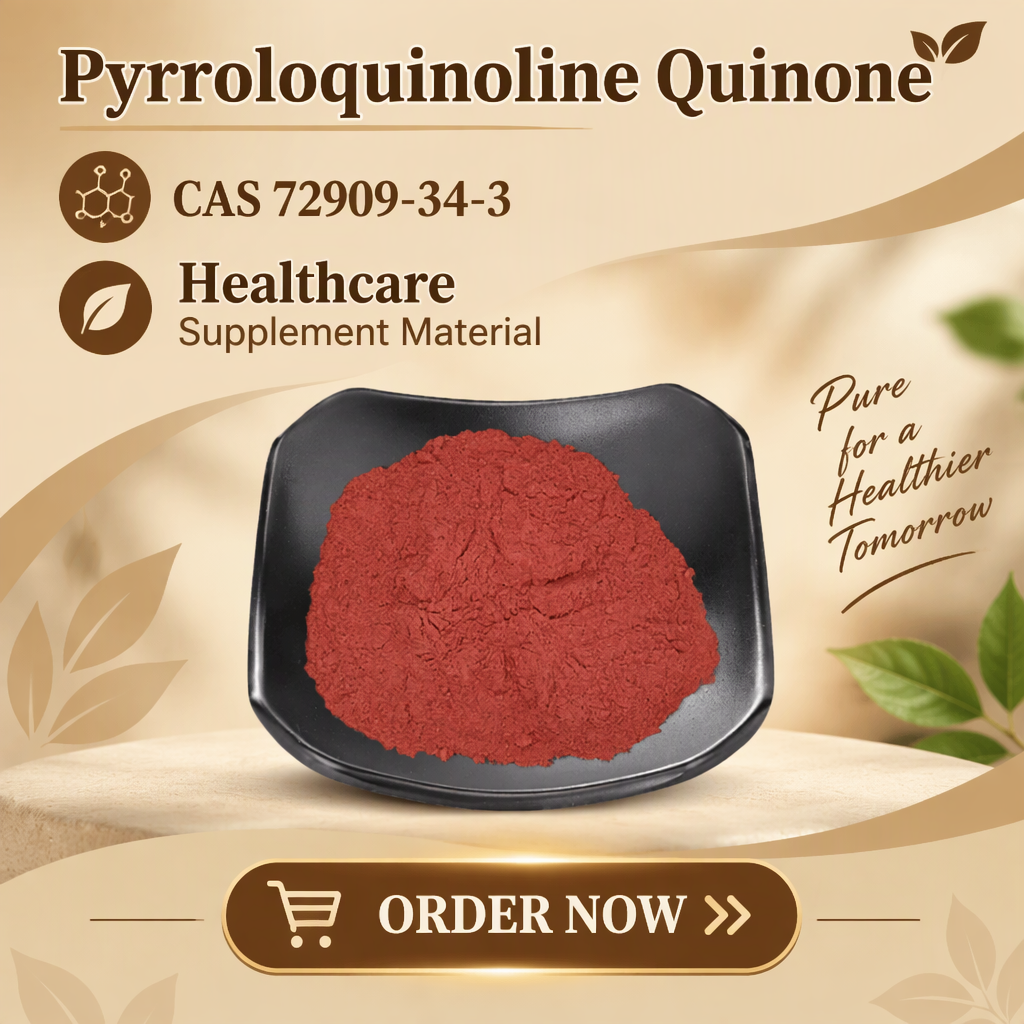
| Pyrroloquinoline Quinone (PQQ) | 72909-34-3 | ≥ 98.0% by HPLC (Disodium Salt) | Mitochondrial Biogenesis, Nootropic Blends | 1 kg Tin / 10 kg Carton |
| Acetyl Tetrapeptide-2 | 757966-65-7 | ≥ 98.0% (Synthetic Peptide / HPLC) | Dermal Remodeling, Anti-Sagging Cosmetics | 1 g / 10 g / 100 g Vacuum Vial |
| Pangamic Acid (Vitamin B15) | 11006-56-7 | Food Grade / Pure Active Marker | Metabolic Support, Sports Performance Formulas | 1 kg Bag / 25 kg Fiber Drum |
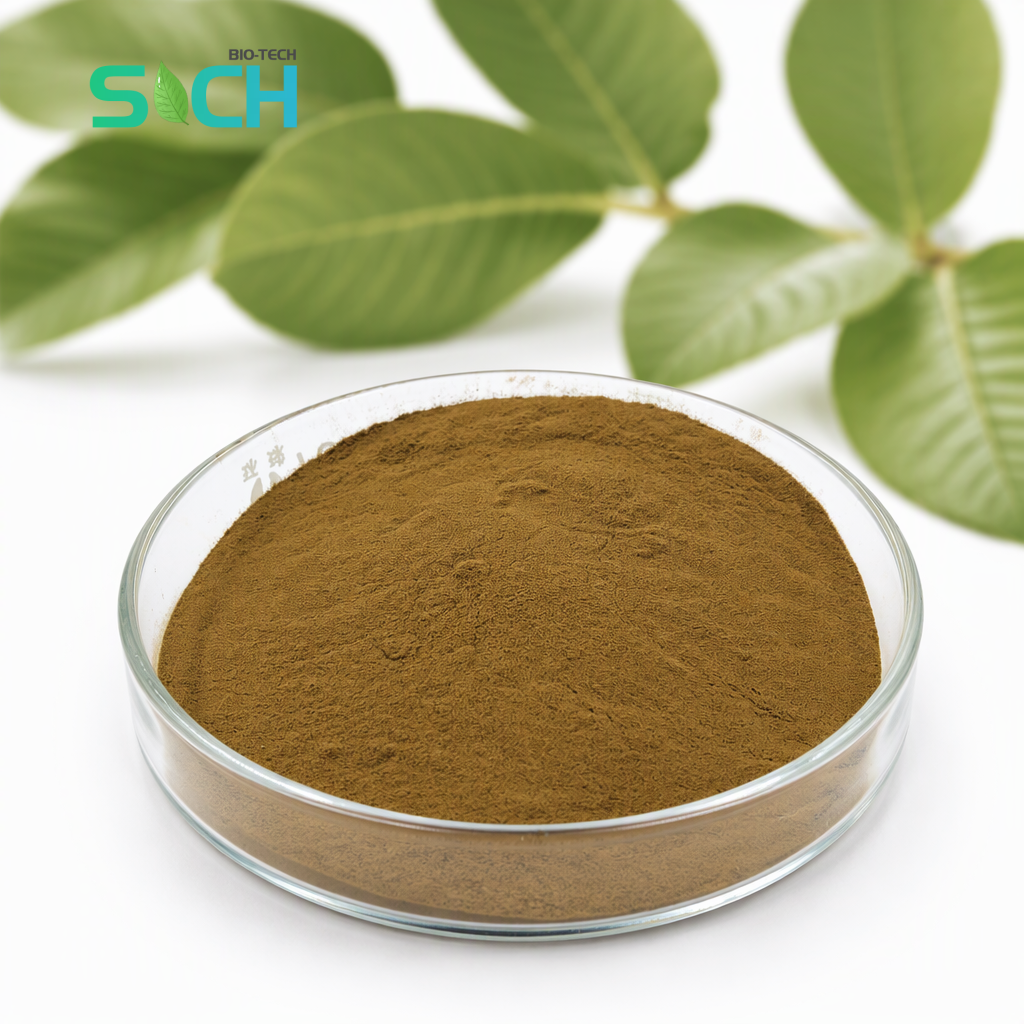
| Guava Leaf Extract | N/A (Botanical) | 10:1 TLC / Standardized Tannins > 15% | Dermal Soothing, Blood Sugar Formulations | 1 kg Foil / 25 kg Drum |
| L-Glutamine Powder | 56-85-9 | ≥ 99.0% (FCC / USP Grade) | Intestinal Integrity, Muscle Recovery Powders | 1 kg Bag / 25 kg Drum |
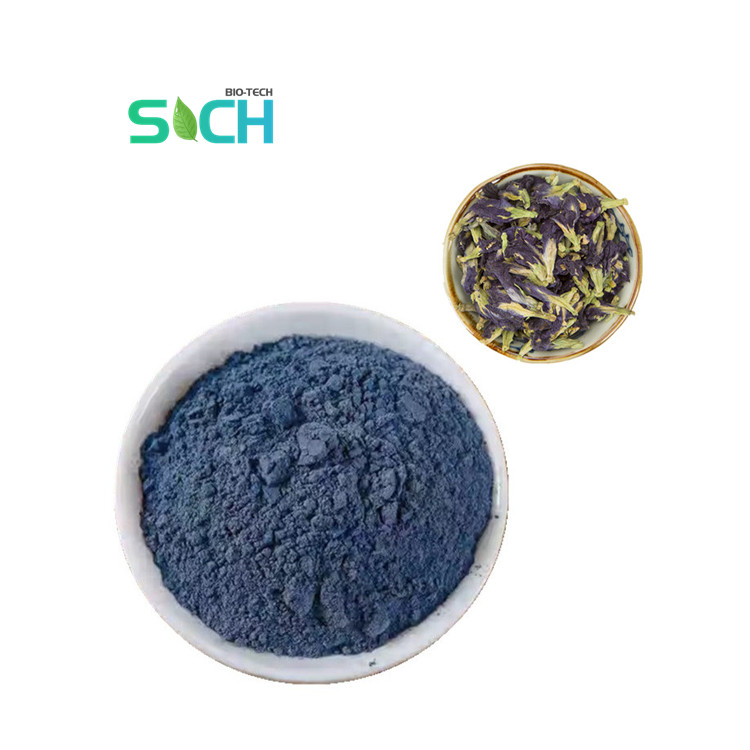
| Butterfly Pea Flower Extract | N/A (Botanical) | Water-Soluble / Natural Anthocyanins | Clean-Label Blue Beverages & Functional Confectionery | 1 kg Pouch / 20 kg Drum |
Frequently Asked Questions: B2B Botanical Extract Procurement
Practical technical guidance addressing common quality control, regulatory, and supply chain questions encountered during the procurement process.