Core Ingredients & Functional Derivatives
Verified Botanical Extract & Active Ingredients Portfolio
Direct supply from our Henan extraction workshop. Guaranteed batch homogeneity, complete chromatographic documentation (HPLC/LC-MS), low solvent residue, and full microbiological safety profiles.
Industrial Anthocyanin Chemistry & Technical Processing Standards
Anthocyanins represent a sophisticated class of water-soluble, polyhydroxy and polymethoxy derivatives of 2-phenylbenzopyrylium (flavylium cation). In modern industrial biotechnology and food matrix architecture, these bioactive flavonoids provide robust radical scavenging capacity and serve as pH-responsive chromophores. For global procurement directors, quality assurance officers, and formulation scientists, sourcing standardized extracts requires strict attention to chemical stability, copigmentation matrices, degradation kinetics, and analytical fingerprinting.
Molecular Stability, Matrix Copigmentation, and Extraction Engineering
The core technical dilemma in handling bulk anthocyanin powders—derived from sources such as Cyanococcus (bilberry), Sambucus nigra (elderberry), Clitoria ternatea (butterfly pea), or Aronia melanocarpa—lies in their thermodynamic sensitivity. The chromophore exists in a dynamic pH equilibrium between the red flavylium cation, blue-violet quinonoidal base, colorless carbinol pseudo-base, and yellowish chalcone forms. At industrial production scales, preserving the native glucoside bonds (e.g., cyanidin-3-glucoside, delphinidin-3-glucoside, peonidin-3-glucoside) requires strictly controlled thermal extraction gradients below 55°C, vacuum concentration, and microencapsulation using polysaccharides such as maltodextrin or gum acacia.
At our Kaifeng facility in Henan, extraction processes avoid harsh synthetic solvents. Utilizing countercurrent aqueous-ethanol extraction combined with polymeric macroporous adsorption resins (such as AB-8 and D101), we consistently isolate pure monomeric anthocyanin fractions while stripping pesticide residues, trace minerals, and free simple sugars. This process mitigates hygroscopic moisture absorption during warehouse storage and product manufacturing.
| Active / Botanical Entity | Predominant Standard Assay | CAS Identifier | Primary Industrial Sector | Stability Target Parameter |
|---|---|---|---|---|
| Anthocyanin Complex (Bilberry / Elderberry) | 15% - 25% UV / HPLC (as C3G) | 13306-05-3 / 84082-34-8 | Nutraceutical & Ophthalmic Drops | pH 2.5 - 4.2 Matrix Shielding |
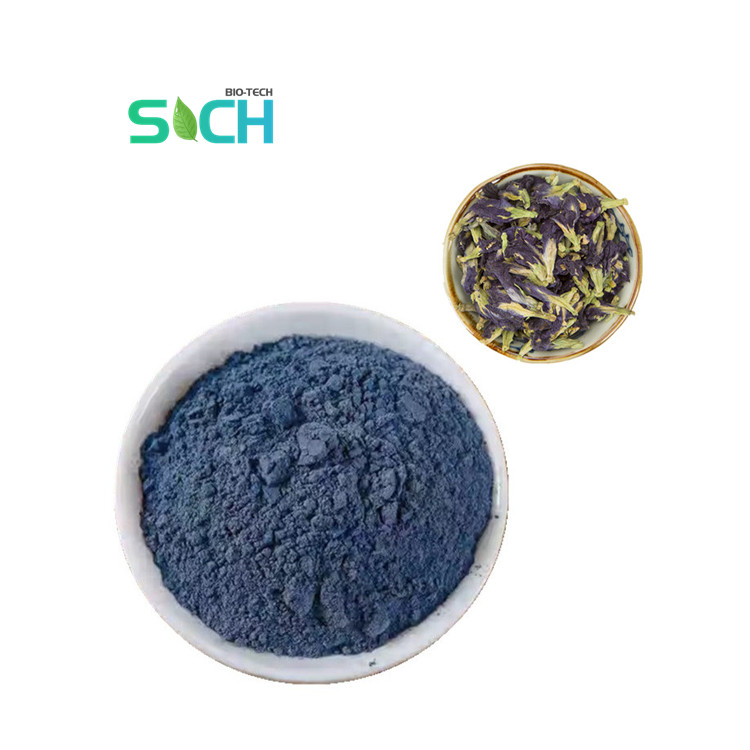
| Butterfly Pea Flower Extract Powder | Total Flavonoid / Color Intensity | Botanical Complex | Clean-Label Beverage & Confectionery | Soluble to 100°C short exposure |
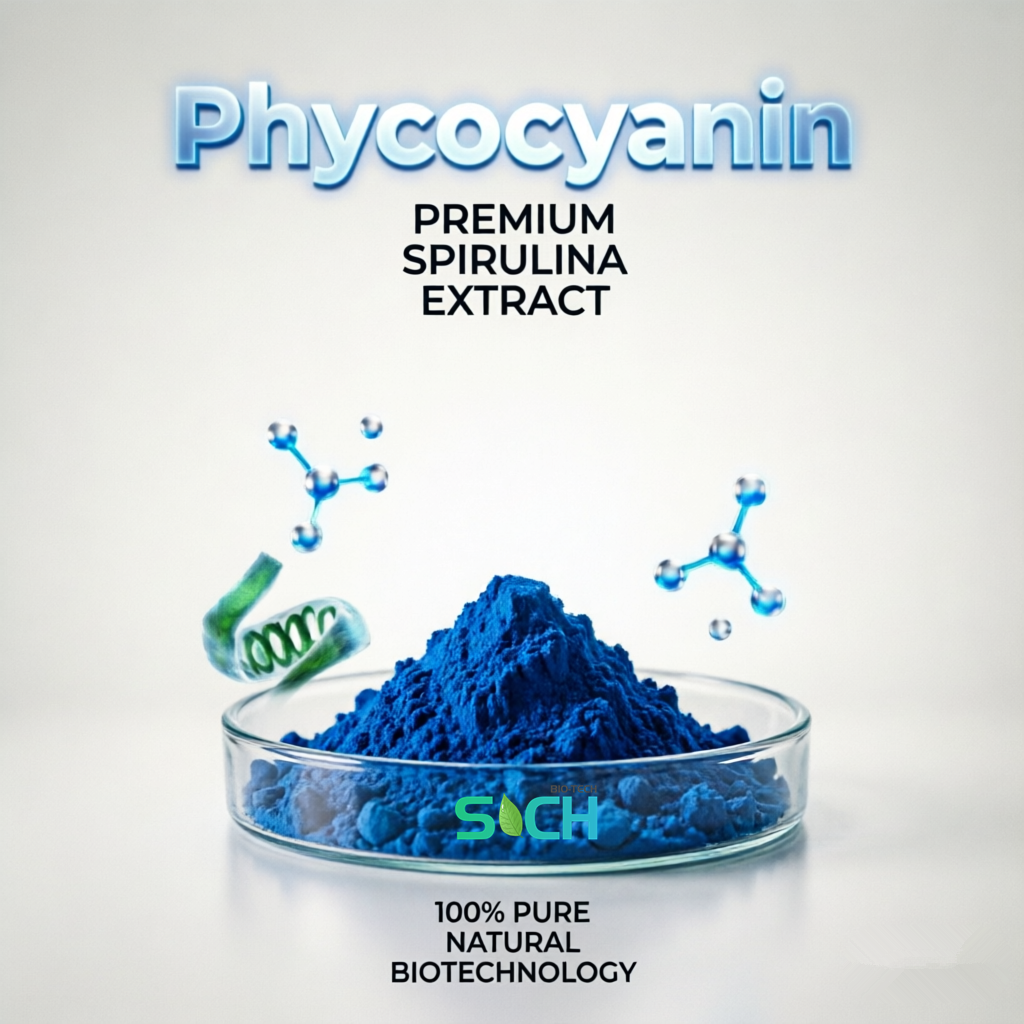
| Spirulina Phycocyanin (E-Series) | Color Value E3 to E40 | 11016-15-2 | Nutraceutical Coating & Dairy | Thermal limit < 60°C |
| Cosmetic Grade Niacinamide | ≥ 99.0% Titration / HPLC | 98-92-0 | Melanogenesis Inhibition Creams | Free Nicotinic Acid < 100 ppm |
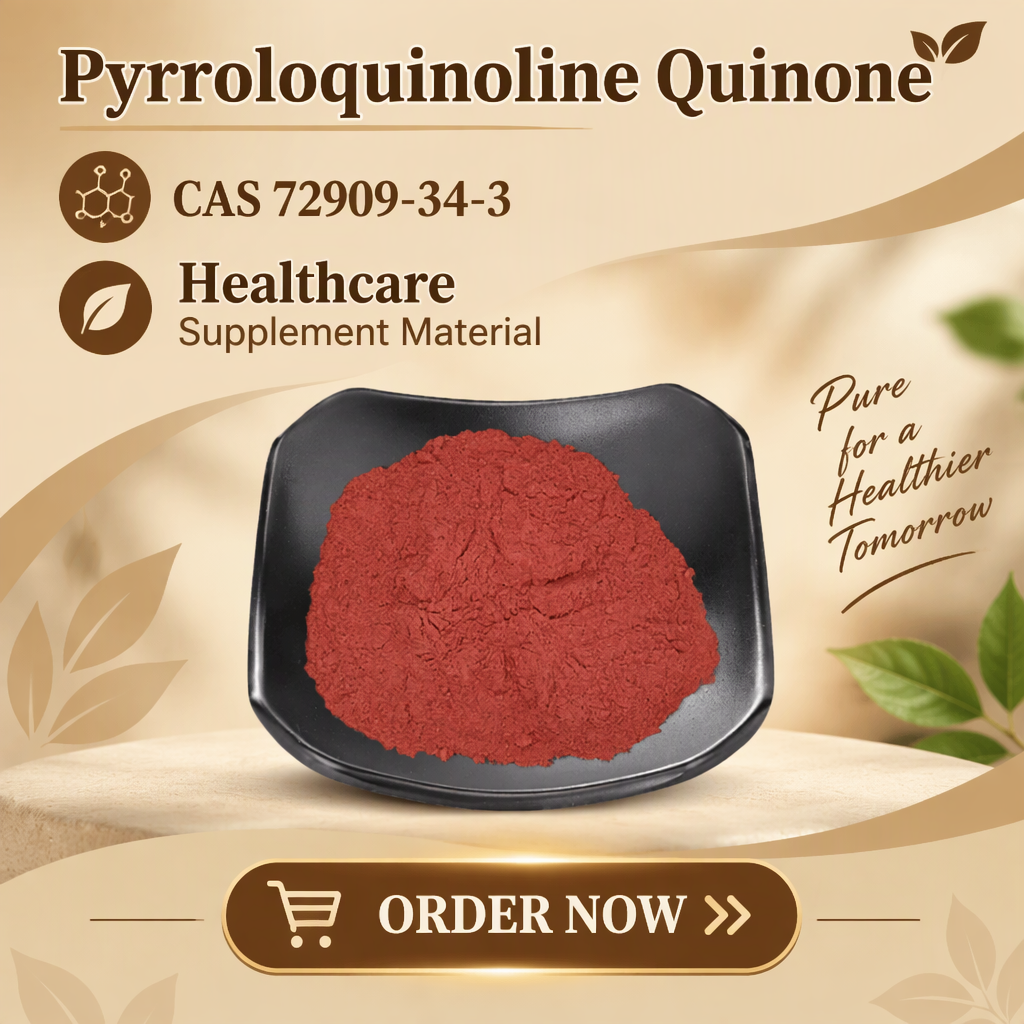
| Pyrroloquinoline Quinone (PQQ) | ≥ 98.0% HPLC | 72909-34-3 | Mitochondrial Cellular Formulations | Desiccated Moisture < 12.0% |
Future Procurement Trends: Clean-Label Transition & HPLC Standardization
Procurement teams across North America and Europe are systematically revising procurement specifications. Where legacy contracts accepted general UV-Vis spectrophotometry measurements (which often inflate anthocyanin readings due to non-specific polyphenol absorbance), contemporary cGMP protocols require reversed-phase HPLC (RP-HPLC) or LC-MS chromatographic fingerprinting. This shift isolates exact aglycones and glycosides, identifying potential adulteration from synthetic dye additions or low-potency agricultural byproducts.
Furthermore, regulatory crackdowns on synthetic colorants—specifically FD&C Red 40 (Allura Red AC) and titanium dioxide (E171) in the European Union and state-level legislation in the United States—have accelerated global demand for natural replacements. High-purity anthocyanin powders, supplemented by phycocyanin and plant polyphenols, are transitioning from niche health supplements to foundational components of global clean-label food, beverage, and personal care supply chains.
Market Intelligence
Key Sourcing Trends Transforming Botanical Extract Supply
Critical shifts in global raw-material markets that purchasing managers, formulation chemists, and brand directors must navigate over the next 3 to 5 fiscal years.
1. Microencapsulation for Thermal Stability
Raw anthocyanin pigments naturally denature under high-temperature pasteurization and neutral-to-alkaline pH environments. Advanced buyers now favor spray-dried formulations pre-stabilized through cyclodextrin complexation or liposomal encapsulation. This technology extends retail shelf-life from 6 months to 24 months in RTD beverages, functional gummies, and topical emulsions.
2. Total Traceability & Heavy Metal Stringency
With USP, EP, and California Proposition 65 standards tightening, institutional buyers evaluate suppliers based on agricultural origin control. Having proprietary cultivation plots prevents pesticide drift and guarantees compliance with heavy metal limits (Lead < 0.5 ppm, Arsenic < 0.5 ppm, Cadmium < 0.2 ppm, Mercury < 0.1 ppm) before batch processing begins.
3. Demand for Ready-to-Formulate Finished Formats
B2B procurement is moving upstream. Enterprise buyers increasingly bypass pure chemical distributors in favor of direct primary extractors who can also deliver turn-key contract OEM manufacturing. Our partner brands leverage this capability to turn lab-verified bulk extracts directly into custom-stamped soft pectin gummies, hard capsules, and compressed functional tablets in single contracts.
Institutional Capabilities
Why Global Brands Partner with Gavra Bio-Tech
End-to-end integration across botanical agriculture, GMP extraction, analytical quality control, and international logistics logistics channels.
8,000 m² GMP Infrastructure
Equipped with 3 complete extraction lines, multi-effect countercurrent evaporators, chromatographic separation columns, and modern cleanroom spray-drying towers designed to prevent cross-contamination.
Rigorous Testing Center
In-house testing facility equipped with Waters LC-MS systems, Agilent HPLC units, 8453 UV-Vis spectrophotometers, and Swiss CAMAG HPTLC scanners. Batch-specific Certificates of Analysis (COA) accompany every shipment.
Agricultural Traceability
Direct supply control supported by 500 acres of experimental agricultural cultivation bases in Henan, ensuring uninterrupted raw biomass supply, seasonal price stability, and absence of adulterant herbs.
Express Logistics & SVIP Routing
Strategic SVIP accounts with FedEx and DHL ensure prioritized booking and clearance. Thousands of warehouse SKUs dispatch within 3 to 5 business days across North America, Southeast Asia, South America, and Europe.
Procurement Assistance
Frequently Asked Questions for Sourcing Directors
Practical procurement information regarding pilot samples, testing criteria, commercial terms, and contract customization.
What is the standard Minimum Order Quantity (MOQ) for extracts and custom pigments?
For standardized botanical extracts (including anthocyanin powders, Poria Cocos, and botanical ratio extracts) and bulk cosmetic raw materials, our standard MOQ starts at 1 kg. Specialized high-potency bio-peptides (such as Acetyl Tetrapeptide-2 or GHK-Cu) start from 1 g to 10 g. Large-scale commodity food ingredients (such as bulk sodium cyclamate or watermelon juice powder) are packed in 25 kg fiber drums with inner PE liners.
How do you handle sample validation and analytical method transfers?
We provide complimentary 20 g to 50 g pilot samples for qualified R&D teams and quality managers. Each sample is drawn from actual commercial bulk lots and shipped with an analytical COA and full HPLC/UV-Vis conditions (mobile phase gradients, column parameters, flow velocity, and wavelength settings). This transparency ensures your incoming QA laboratory can duplicate our release specs without method discrepancies.
What testing protocols ensure the absence of synthetic dye adulteration in anthocyanin lots?
Our analysis testing center cross-validates each batch through Swiss CAMAG HPTLC fingerprinting and Waters LC-MS ion fragmentation. Synthetic colorants (such as Amaranth, Carmoisine, Allura Red, or Brilliant Blue) exhibit distinct retention factors and parent-to-daughter mass-to-charge ratios compared to native anthocyanin glycosides, preventing non-compliant materials from entering customer pipelines.
What international commercial trade terms (Incoterms) and payment gateways do you support?
We operate across all standard Incoterms 2020 definitions, including FOB (Qingdao/Shanghai/Tianjin), CFR, CIF, EXW, FCA, CPT, CIP, DDP, and DDU air freight courier options. Commercial settlement can be executed in USD or CNY via Telegraphic Transfer (T/T), verified Commercial Credit Cards, or Western Union.
Do you accommodate contract OEM manufacturing for packaged formulas?
Yes. In addition to primary extract manufacturing, we provide turnkey OEM/ODM contract production. Our GMP workshop formats include pectin/gelatin soft gummies, two-piece hard gelatin or vegetable HPMC capsules, sublingual tablets, and custom pouch/bottle packaging tailored to your brand's regulatory and shelf-ready requirements.