Polysaccharides / Functional Food
Direct bulk export lines shipped via fast Baltic sea-freight corridors into Klaipėda Seaport and Lithuania’s manufacturing hubs. Standardized active assays backed by comprehensive HPLC and LC-MS certificates.
As the primary ice-free deep-water port on the eastern Baltic Sea, the port city of Klaipėda serves not only as Lithuania’s commercial maritime gateway but also as a pivotal logistics corridor connecting Scandinavia, Central Eastern Europe, and the broader Baltic trade sphere. For industrial formulators, biopharma laboratories, contract development and manufacturing organizations (CDMOs), and food-processing corporations operating within the Klaipėda Free Economic Zone (FEZ) and neighboring regional clusters such as Kaunas and Vilnius, procuring stable, high-potency anthocyanin extract has become an imperative driven by stringent European consumer protection policies and the rapid phase-out of artificial azo-colorants.
Anthocyanins represent a sophisticated class of water-soluble flavonoids characterized by the basic flavylium (2-phenylchromenylium) ion core structure. Derived selectively from standardized dark berry pomaces—including European wild bilberry (Vaccinium myrtillus), blackcurrant (Ribes nigrum), elderberry (Sambucus nigra), and chokeberry (Aronia melanocarpa)—our extracts are optimized specifically to overcome degradation challenges posed by thermal shifts, light oxidation, and enzymatic breakdown during trans-Baltic transit and shelf-life preservation.
The industrial consumption profile for anthocyanin extract powders within Klaipėda, western Lithuania, and adjacent European trade regions spans three highly differentiated manufacturing vertices, each requiring distinct particle size distributions, HPLC assays, and physicochemical characteristics:
Klaipėda and regional Lithuanian CDMOs specialize in vision-care supplements, cognitive micro-tablets, and hard-shell gelatin/HPMC capsules. Standardized 25% to 36% Anthocyanidin extracts supply verified cyanidin-3-glucoside equivalents to support microvascular retinal blood flow and mitigate digital eye strain caused by high computer exposure across Baltic tech professionals.
Lithuania’s historic brewing, cider-making, and mineral-water processing industries are transitioning decisively toward botanical chromophores. Our spray-dried, cold-water-soluble (CWS) anthocyanin powders maintain deep red, purple, and ruby hues across acidic pH regimes (pH 2.8–3.8), guaranteeing no phase sediment in craft beverages, kombuchas, and functional recovery drinks.
Baltic dermocosmetic brands, catering to northern skin exposed to marine humidity, wind chill, and harsh UV reflecting off coastal sands, integrate our high-purity polyphenol extracts into lipid serums and anti-erythema emulsions to downregulate cutaneous oxidative stress and strengthen lipid barrier integrity.
Lithuania's industrial processing sector is tightly linked with EU Regulation (EC) No 1333/2008 on food additives and Regulation (EC) No 1924/2006 regarding nutrition and health claims. In recent years, local Baltic buyers have migrated away from synthetically stabilized food dyes (such as Allura Red AC and Carmoisine) toward natural colouring foods with dual functional antioxidant utility.
Moreover, the proximity to the Port of Klaipėda creates an imperative for agile, multi-modal supply chains. Procurement departments demand bonded warehouse availability, batch-to-batch chromatographic reproducibility, rigorous quantification of polycyclic aromatic hydrocarbons (PAH4), ethylene oxide (ETO) absence verification, and pesticide multi-residue screenings conforming precisely to European Pharmacopoeia (Ph. Eur.) guidelines.
The following analytical matrix summarizes standard export grades routinely dispatched to western Lithuania and Baltic industrial processing facilities:
| Phytochemical Ingredient | Botanical Source | Standard Assay / Active Marker | Analytical Method | Moisture & Mesh | Standard Packaging |
|---|---|---|---|---|---|
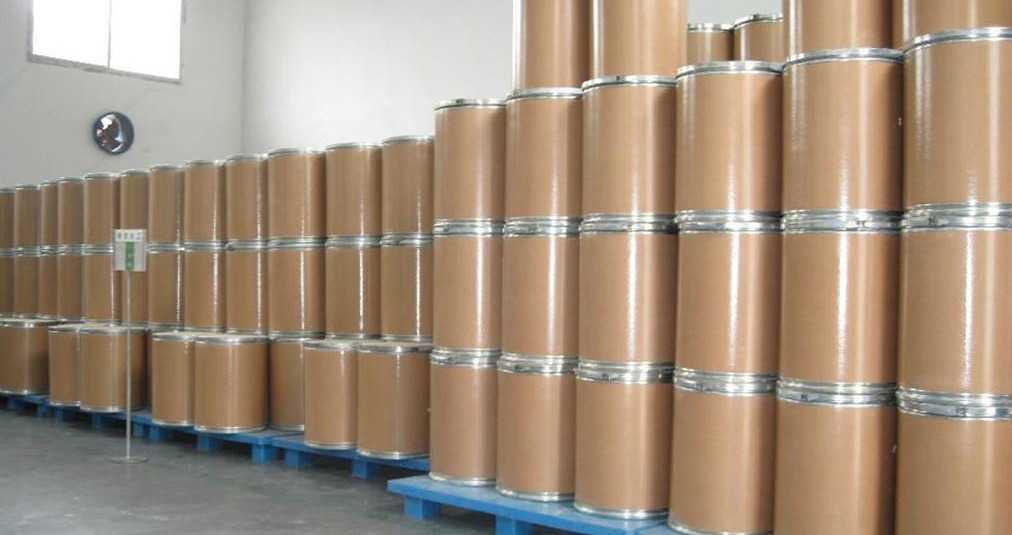
| Bilberry Anthocyanin Extract | Vaccinium myrtillus L. | ≥ 25% / 36% Anthocyanosides | HPLC / UV-Vis (Ph. Eur.) | < 5.0% | 80–100 Mesh | 25 kg / Fiber Drum (Double PE liner) |
| Blackcurrant Anthocyanin Powder | Ribes nigrum L. | ≥ 10%–20% Anthocyanins | HPLC (C3G equivalent) | < 5.0% | 80 Mesh | 25 kg / Fiber Drum |
| Aronia (Chokeberry) Polyphenols | Aronia melanocarpa | 15%–25% Anthocyanins, 40% Polyphenols | UV-Vis / Spectrophotometry | < 5.0% | 80 Mesh | 25 kg / Fiber Drum |
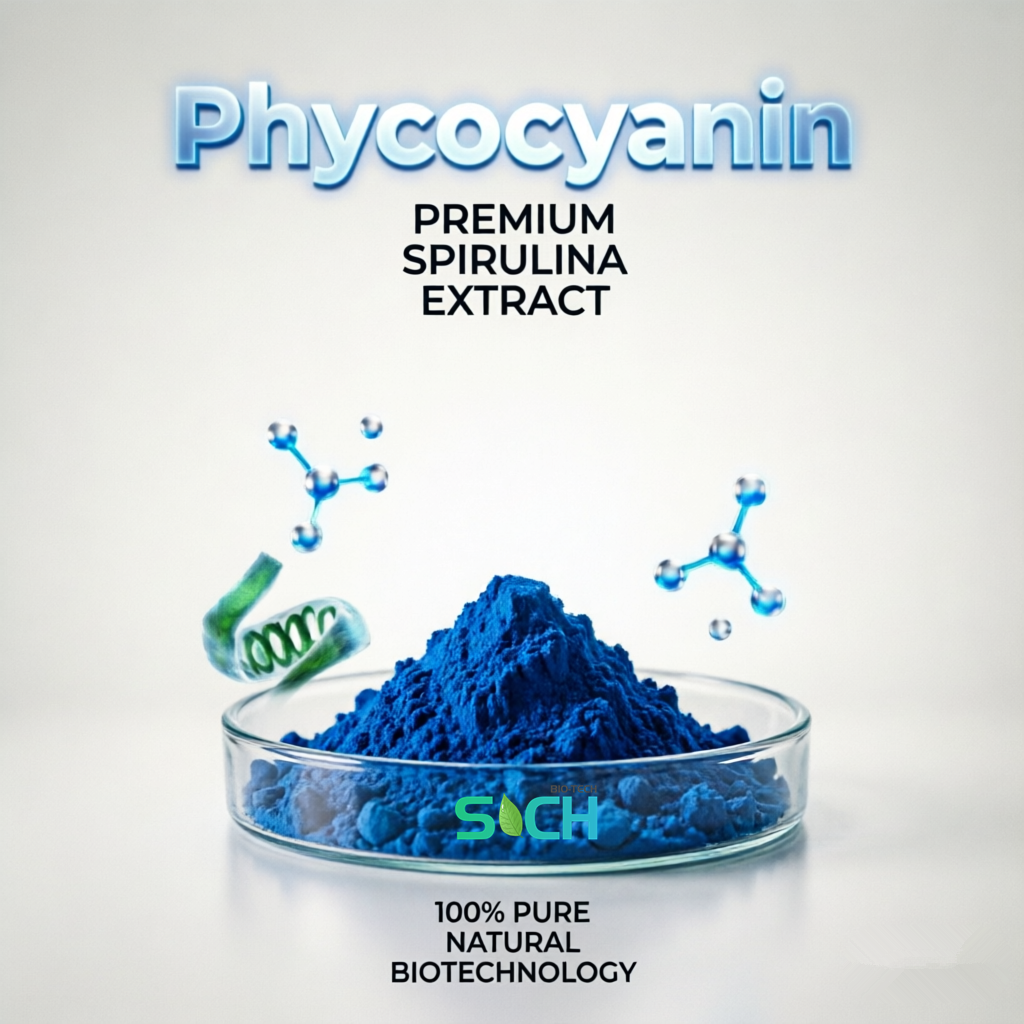
| Spirulina Phycocyanin Extract | Arthrospira platensis | E3, E10, E25, E40 Color Units | Spectrophotometry (620 nm) | < 6.0% | 100% Water Soluble | 10 kg / 25 kg Drum (Vacuum Sealed) |
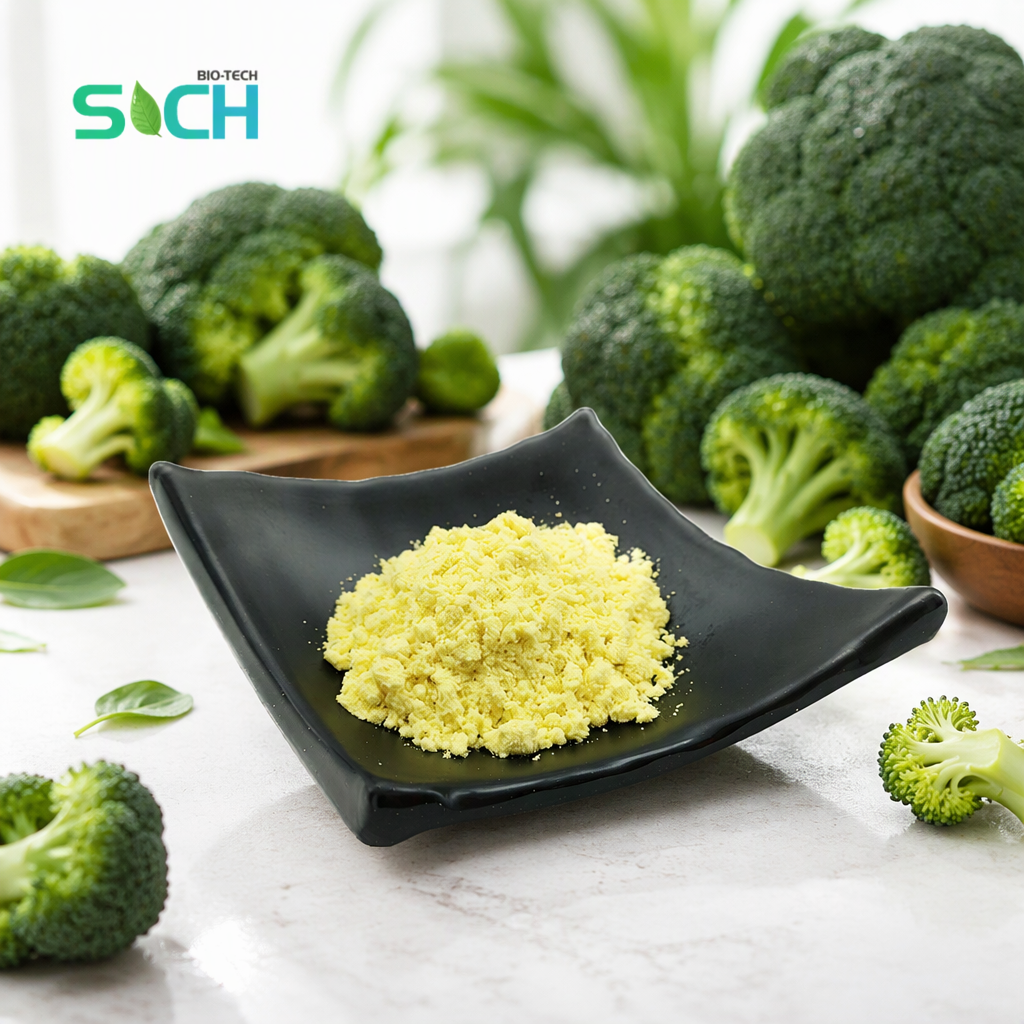
| Broccoli Seed Sulforaphane | Brassica oleracea | 1.0%–10.0% Glucoraphanin / Sulforaphane | HPLC (CAS 4478-93-7) | < 5.0% | 80 Mesh | 1 kg Foil Bag / 25 kg Drum |
Established as an export-driven botanical science pioneer based in Henan, China, Gavra Bio-Tech Co.,Ltd. provides end-to-end supply chain integration from agricultural cultivation to pharmaceutical-grade vacuum spray drying. Our production backbone includes an 8,000 m² GMP-compliant extraction facility, an expansive analytical and quality control center, and 500 acres of self-managed experimental agricultural land.
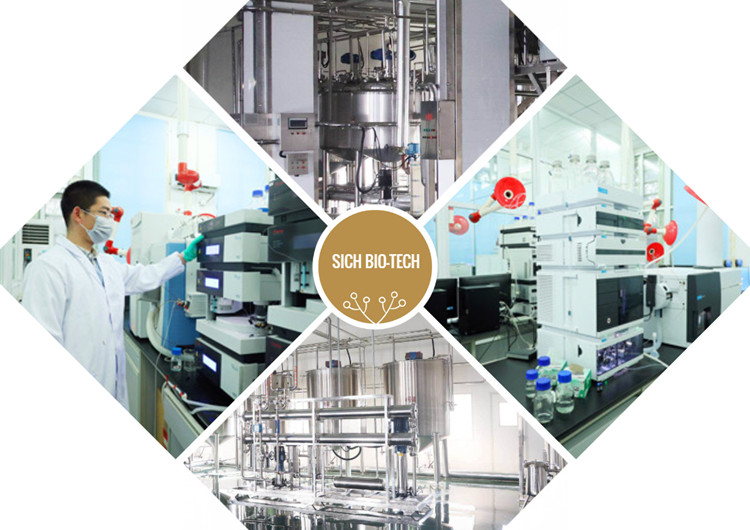
Equipped with more than 150 state-of-the-art processing units, our specialized lines facilitate low-temperature countercurrent extraction, column membrane chromatography, vacuum flash concentration, and enzymatic stabilization. This infrastructure safeguards thermo-sensitive anthocyanins against hydrolytic cleavage and pigment blunting, producing a micro-granulated powder with superior bulk density and rapid, lump-free dissolution.
Incoming raw botanicals and outgoing export batches undergo multidimensional qualitative and quantitative assay confirmation before commercial clearance, drastically reducing testing overhead for Baltic quality assurance teams.
Compound identification, targeted molecular weight validation, and ultra-trace level detection of potential agricultural or environmental impurities.
Differential pH absorbance assay execution conforming to Ph. Eur. monographs for precise quantification of monomeric anthocyanin pigment content.
Botanical authenticity verification, botanical taxon proofing, and detection of foreign dye additives or adulterated plant components.
Practical guidelines covering import documentation, customs clearance at the Port of Klaipėda, testing compliance, and commercial dispatch parameters.
Whether you require spot pricing for 25 kg fiber drums landed at Klaipėda Seaport or require dedicated HPLC analytical specifications for upcoming EU dossier submissions, our sales engineers are available to review your formulation needs immediately.