High-Purity Bioactive Botanical Extracts & Nutrients
Premium raw ingredients meeting strict pharmacopeia specifications, delivered with batch COAs, stable logistics, and direct export documentation to Tokyo, Osaka, and Yokohama.
Technical Whitepaper: Broccoli Seed Sulforaphane Powder (CAS 4478-93-7) & Glucoraphanin
In the contemporary Japanese botanical extracts sector, Sulforaphane (1-isothiocyanato-4-methylsulfinylbutane, CAS 4478-93-7) represents one of the most clinically scrutinized and biochemically validated organosulfur compounds. Found in highest concentration in the seeds and young sprouts of Brassica oleracea L. var. italica, sulforaphane exists naturally in its inert precursor state: the glucosinolate known as Glucoraphanin (CAS 21414-41-5).
For Japanese nutraceutical developers, pharmaceutical researchers, and J-Beauty formulators, sourcing high-assay broccoli seed extracts demands an intricate understanding of the enzymatic hydrolysis pathway. When plant tissues are physically sheared, crushed, or ingested alongside an active endogenous catalyst—the glycoprotein enzyme Myrosinase (β-thioglucoside glucohydrolase, EC 3.2.1.147)—the thioglucoside linkage is enzymatically cleaved. In neutral aqueous conditions, an unstable aglycone intermediate rearranges spontaneously into biologically active Sulforaphane.
The pharmacodynamics of sulforaphane operate primarily through the activation of the Keap1-Nrf2-ARE signaling axis. Under normal physiological conditions, Nuclear factor erythroid 2-related factor 2 (Nrf2) is sequestered in the cytoplasm by Kelch-like ECH-associated protein 1 (Keap1) and marked for ubiquitination. The electrophilic isothiocyanate carbon of sulforaphane reacts covalently with specific cysteine residues on Keap1 (notably Cys151). This conformational modification dissociates Nrf2, facilitating nuclear translocation where it heterodimerizes with small Maf proteins and binds Antioxidant Response Elements (ARE). This cascade drives robust de novo transcription of Phase II xenobiotic detoxifying and cytoprotective enzymes, including Glutathione S-transferase (GST), NAD(P)H:quinone oxidoreductase 1 (NQO1), Heme oxygenase-1 (HO-1), and catalytic γ-glutamylcysteine synthetase (GCLC).
Analytical Grade Specifications for Japanese Industrial Buyers
Gavra Bio-Tech standardizes broccoli seed botanical extracts to meet the Japanese Pharmacopoeia (JP) criteria, Japanese Standards for Food Additives (JSFA), and MHLW residual contaminant standards:
| Active Substance | Standard Assays Available | Physical Appearance | Test Methodology | Standard Moisture & Ash | Lead / Arsenic Limits |
|---|---|---|---|---|---|
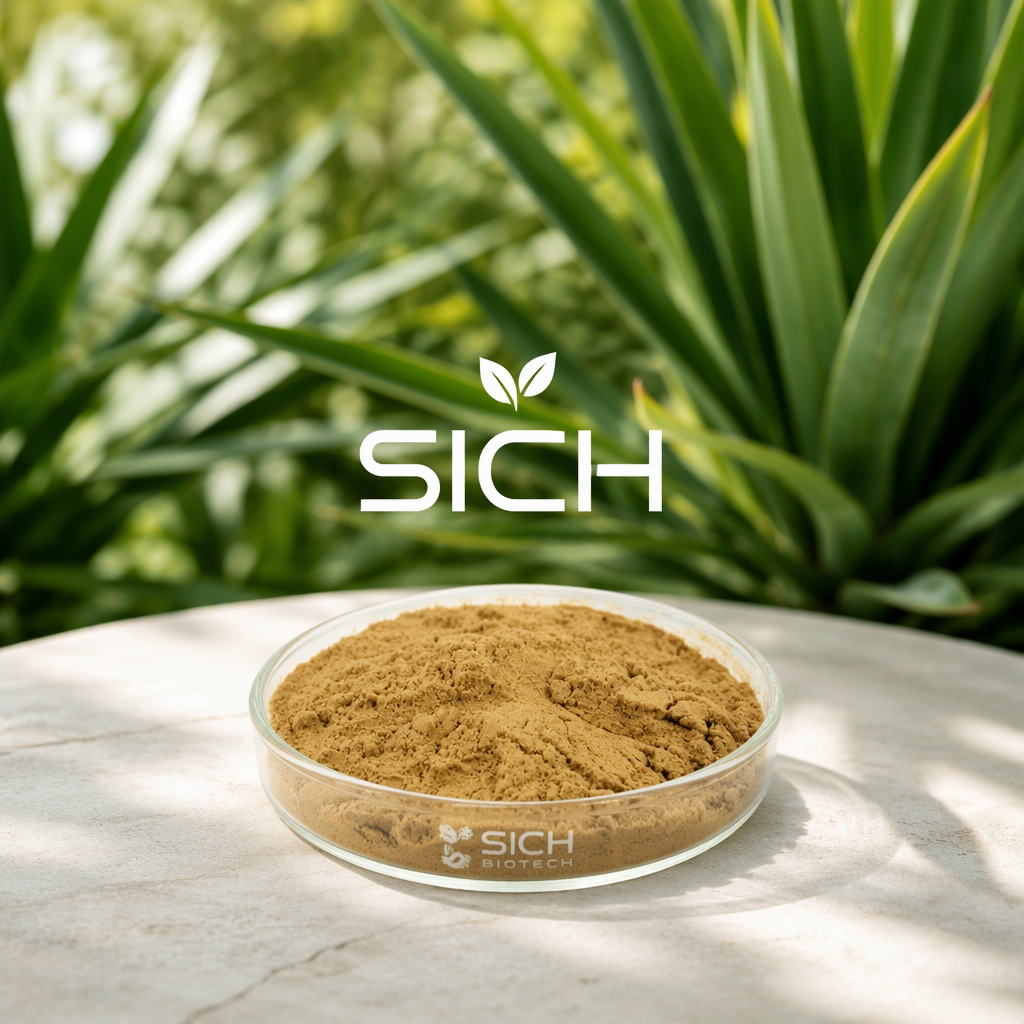
| Sulforaphane (Free / Active) | 0.5%, 1.0%, 2.0%, 10% | Light yellow to beige fine powder | RP-HPLC / LC-MS | Moisture ≤ 5.0% | Ash ≤ 4.0% | Pb ≤ 1.0 ppm | As ≤ 1.0 ppm |
| Glucoraphanin (Precursor) | 5.0%, 10.0%, 13.0%, 20.0% | Off-white to light green-yellow powder | HPLC with DAD Detection | Moisture ≤ 6.0% | Ash ≤ 5.0% | Pb ≤ 0.5 ppm | As ≤ 0.5 ppm |
| Dual Matrix (Glucoraphanin + Myrosinase) | 10% Glucoraphanin + Enzyme Active | Fine tan powder (80-100 Mesh) | Enzymatic Conversion Assay (UV/HPLC) | Moisture ≤ 5.0% | Ash ≤ 4.5% | Pb ≤ 0.5 ppm | As ≤ 0.5 ppm |
| Water-Soluble Beverage Grade | 1.0% Sulforaphane Equivalent | 100% Water soluble, clear solution | HPLC (UV 254 nm) | Moisture ≤ 5.0% | Ash ≤ 3.0% | Pb ≤ 0.5 ppm | As ≤ 0.2 ppm |
* Custom particle sizes (60 to 200 mesh), enteric microencapsulation with modified dextrin, and specialized non-GMO formulations are engineered upon client technical request. Complete heavy metal, microbial, and irradiation test documentation accompanies every lot.
Localized Japanese Application Scenarios
The Japanese functional ingredient landscape is distinctive in its regulatory sophistication and consumer demand for empirically substantiated biological efficacy. Sourcing bulk Broccoli Seed Sulforaphane Powder from Gavra Bio-Tech directly supports several prominent Japanese product paradigms:
Foods with Function Claims (機能性表示食品 - FFC)
In Japan, broccoli seed glucoraphanin is registered as an active functional substance (機能性関与成分) with clinical dossiers proving reduction of elevated liver serum markers (ALT/AST). Japanese brands leverage our high-assay glucoraphanin powders to register FFC health claims supporting liver metabolism, cellular detoxification, and cognitive stamina in aging cohorts.
Kanpai & Liver Recovery Supplements (飲酒ケア・二日酔い対策)
Japan's extensive social dining culture fuels massive demand for liver health formulations sold through national drugstores (Matsumoto Kiyoshi, Welcia) and convenience chains. Sulforaphane potently induces alcohol-metabolizing enzymes (Acetaldehyde Dehydrogenase - ALDH2) and depletes reactive aldehyde species, outperforming traditional turmeric (Curcumin) and clam extracts (Ornithine).
J-Beauty & Nutricosmetic Anti-Photoaging Formulas
Japanese skincare champions the concept of "Skin Minimalism" and cellular resilience from within (内面美容). Sulforaphane stimulates dermal synthesis of Type I and III pro-collagen, mitigates UV-B induced Advanced Glycation End-products (AGEs), and suppresses melanogenesis by inhibiting microphthalmia-associated transcription factor (MITF) cascades.
Furthermore, Japanese agricultural cooperatives and functional beverage manufacturers actively combine water-soluble broccoli sprout extract with powdered green barley leaf, kale, and matcha into premium Aojiru (青汁) stick packs. This synergistic combination provides a potent dose of stable isothiocyanates alongside chlorophyll and dietary fibers without the harsh, sulfurous aftertaste typical of crude brassica preparations.
Market Trends & Structural Demand Shifts in Japan's Preventive Health Sector
Japan currently possesses one of the world's most rapidly expanding super-aged populations (超高齢社会), with over 29% of its citizens aged 65 or older. This demographic trajectory has prompted the Japanese government and Ministry of Health, Labour and Welfare (MHLW) to institute national health-span extension policies (健康寿命延伸). Key trends accelerating the adoption of imported standardized Broccoli Seed Sulforaphane include:
- Shift to Systematic Metabolic Syndrome Screening (特定健診・特定保健指導): Regular corporate health checkups mandate the monitoring of fasting glucose, lipid parameters, and gamma-GTP. Japanese working professionals actively seek natural, non-pharmacological interventions that can lower liver stress markers. Sulforaphane is celebrated across Japanese health media as a natural, scientifically backed hepatoprotective nutrient.
- Clean Label & Botanical Extraction Transparency: Japanese trading houses (Sogo Shosha) and OEM contract fillers (such as Sunsho Pharmaceutical, Toyo Capsule, and API Co., Ltd.) enforce exacting quality audits. Synthetic antioxidants are rapidly being replaced by certified plant-derived isothiocyanates extracted via water-ethanol extraction without petroleum hydrocarbon solvents.
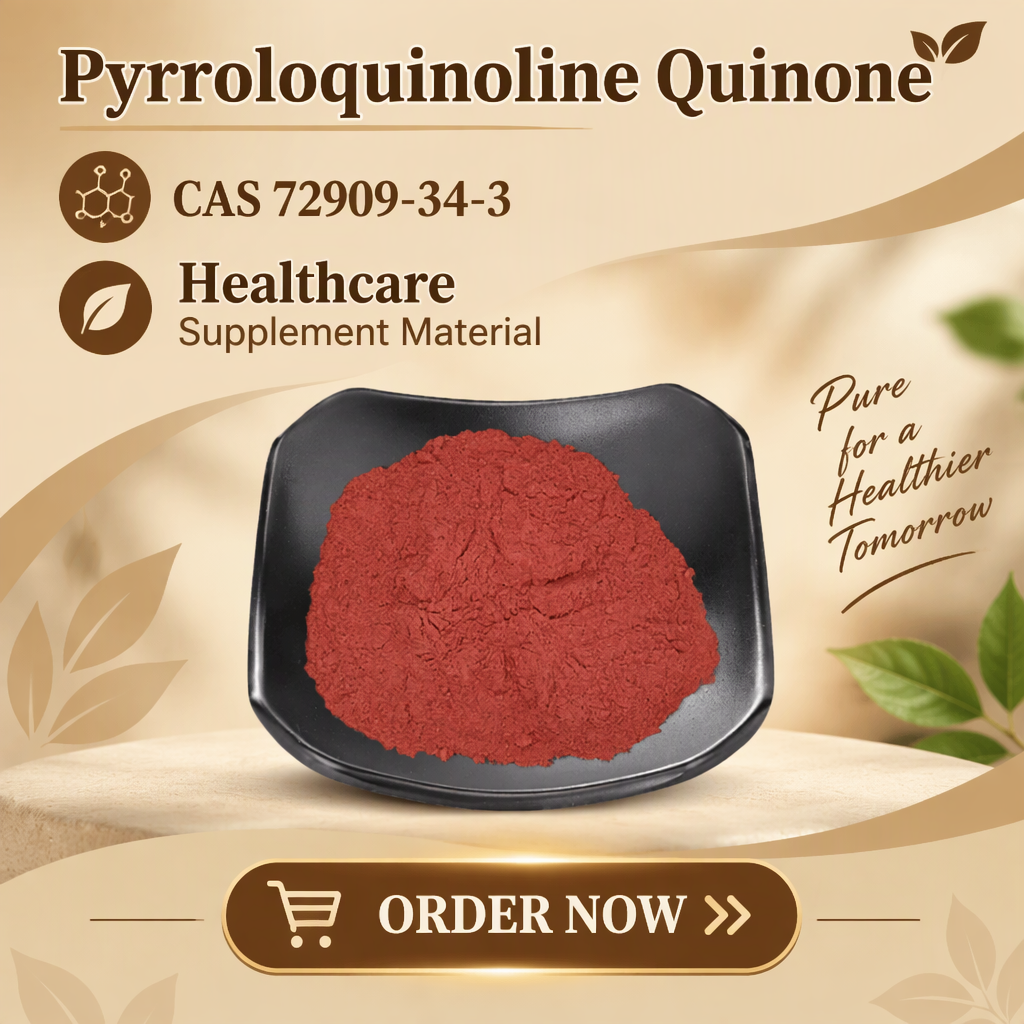
- Synergistic Longevity Formulations: Forward-thinking Tokyo and Osaka formulators are pairing broccoli seed glucoraphanin with NAD+ boosters such as NMN (Nicotinamide Mononucleotide), PQQ (Pyrroloquinoline Quinone), and Ectoine. Sulforaphane acts as the cellular defense "shield" while NMN and PQQ provide the mitochondrial "fuel," forming holistic healthy-aging multi-ingredient complexes.
Gavra Bio-Tech maintains rigorous analytical batch testing to enable swift customs clearance across Tokyo and Kobe customs inspection terminals, assuring Japanese purchasers an uninterrupted supply line.
Enterprise Competitiveness: Why Japanese Importers Source from Gavra Bio-Tech
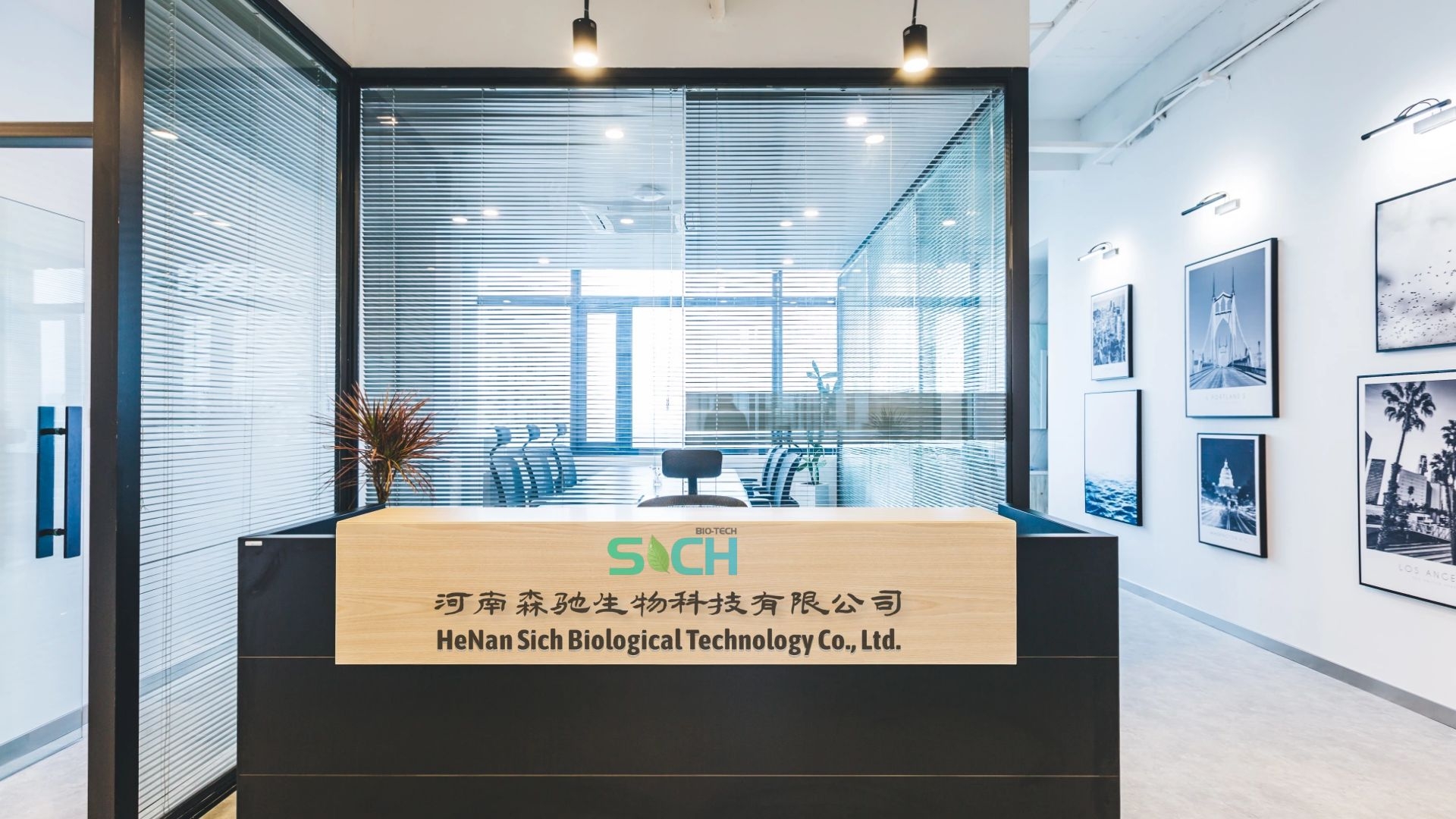
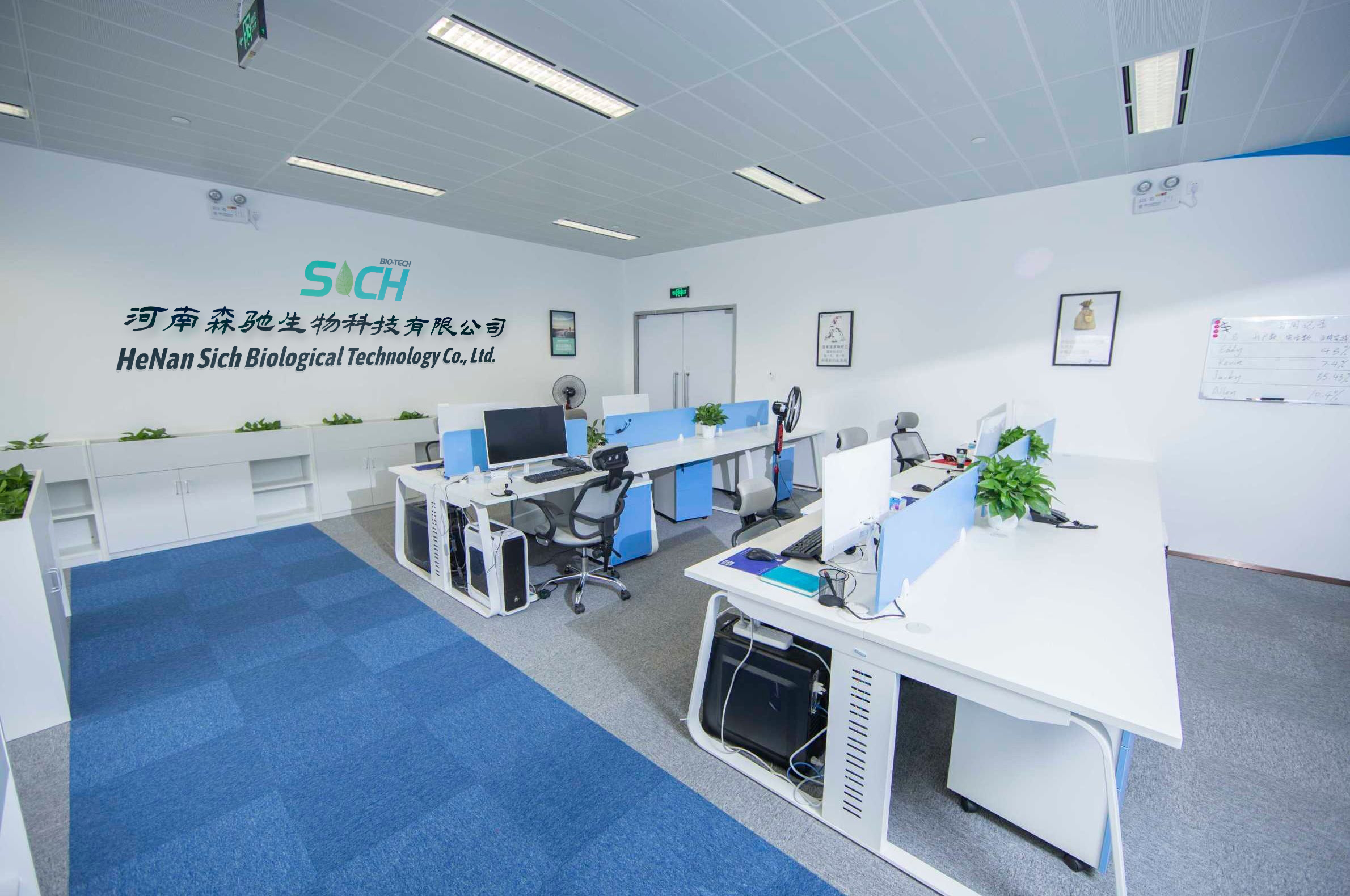
As an export-oriented botanical extraction leader based in Henan, China, Gavra Bio-Tech Co.,Ltd. operates an integrated, traceable supply chain engineered to satisfy Japanese corporate scrutiny. Our end-to-end infrastructure ensures complete accountability from soil to finished extract powder:
500-Acre Traceable Cultivation Field
We cultivate non-GMO Brassica oleracea cultivars in controlled agro-ecological zones with strict soil heavy metal and irrigation monitoring, eliminating batch-to-batch variation in raw glucosinolate content.
8,000 m² Class-D GMP Workshop
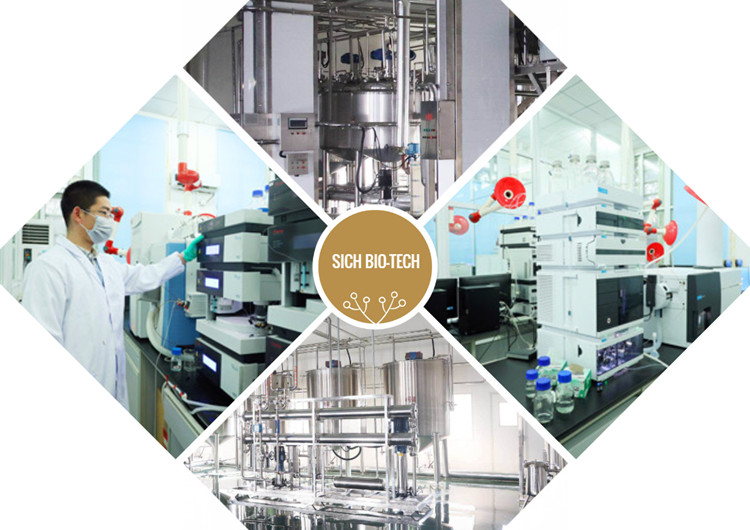
Equipped with three dedicated production lines: countercurrent continuous dynamic extraction, vacuum concentration, chromatographic column purification, and cryogenic spray drying to protect heat-sensitive sulforaphane.
Advanced Analytical Testing Center
Every release is audited on-site utilizing Waters LC-MS (compound mass spectrometry), an Agilent 8453 UV-Vis spectrophotometer, and a Swiss CAMAG HPTLC system to certify chemical identity, active assay, and absence of adulterants.
Japan Delivery via SVIP Express Channels
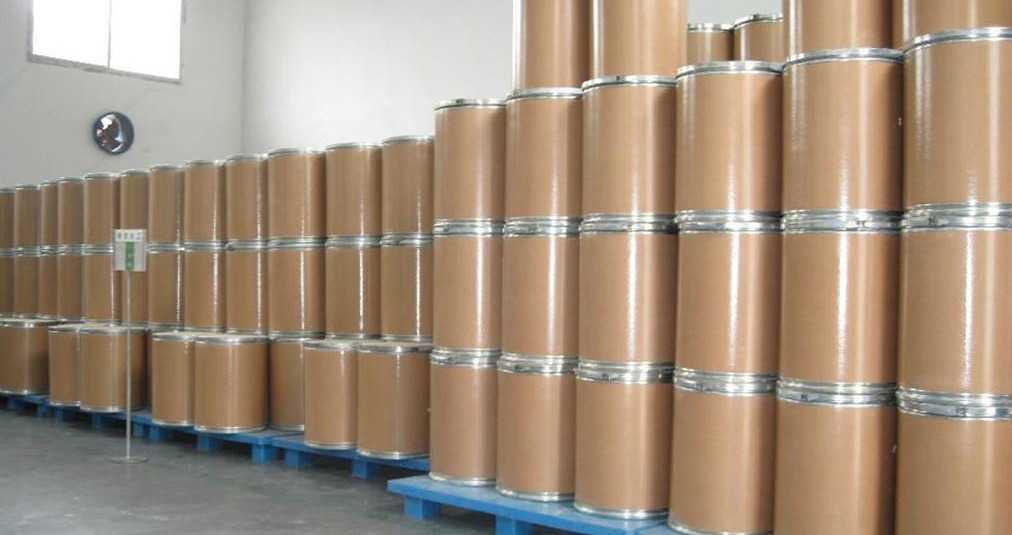
As a premier tier SVIP account holder with FedEx and DHL, in-stock inventory is dispatched in 3–5 working days with air express transit to Haneda or Narita within 48–72 hours, backed by full DDP/CIF trade terms.
Japanese Importer Procurement FAQ
Key questions routinely addressed by our bilingual technical sales engineers when consulting with Japanese procurement directors, QA auditors, and import clearance agents:
1. How does Gavra Bio-Tech comply with Japan's Positive List System for Pesticide Residues?
2. What is the difference between purchasing free sulforaphane versus glucoraphanin for Japanese capsules?
3. Do you provide radiation test certificates for shipments entering Japanese ports?
4. What documentation accompanies our consignment for Japanese import customs clearance?
5. What are the Minimum Order Quantities (MOQ), sample terms, and freight lead times to Japan?
Turnkey OEM/ODM Finished Product Manufacturing for Japanese Brands
Beyond delivering pure, bulk active raw powders, Gavra Bio-Tech provides end-to-end contract formulation and finished packaging services tailored to Japanese marketplace preferences:
Vegetarian HPMC & Acid-Resistant Capsules
High-speed encapsulation (Size 00, 0, and 1) utilizing vegetable HPMC capsules designed to bypass gastric acid, ensuring optimal myrosinase-mediated glucoraphanin conversion within the duodenum.
Pectin & Gelatin Nutracutical Gummies
Low-temperature pectin gummy manufacturing that masks sulfurous aroma with natural yuzu, mikan, or shine muscat flavors, yielding high consumer retention in convenience retail channels.
Direct-Compression Bilayer Tablets
Precision rotary tableting with microcrystalline cellulose and enteric coatings, preventing active degradation while delivering uniform weight, hardness, and friability specifications.
Accelerate Your Japanese Functional Formulation
Connect directly with Gavra Bio-Tech's dedicated botanical export engineering team. Inquire today for batch COAs, chromatograms, technical dossiers, or custom sample reserves for immediate testing.