Core Biological Actives & Functional Excipients
Manufactured under ISO 9001 and cGMP compliant parameters. Complete analytical traceability via HPLC, LC-MS, and third-party laboratory verification for formulations distributed in Malta and the wider European Single Market.
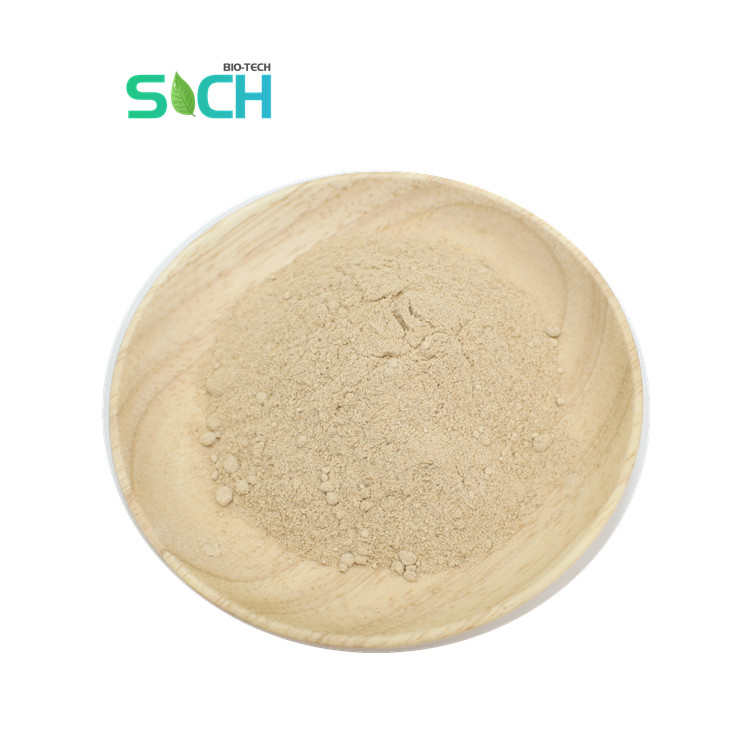
Factory Supply Food Grade Yeast Beta Glucan 70% 80% 90% Yeast Extract Powder
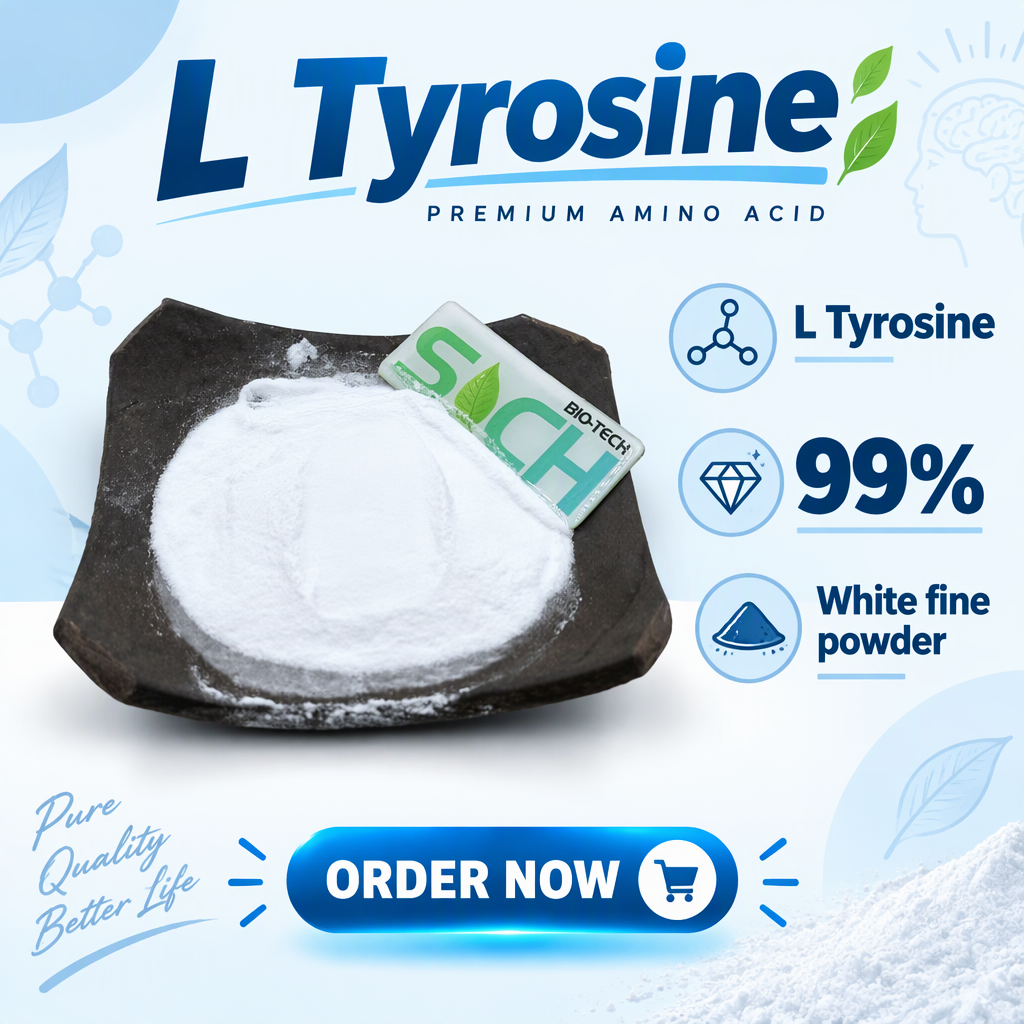
Food Grade L Tyrosine Powder CAS 60-18-4 Pure L-Tyrosine Active
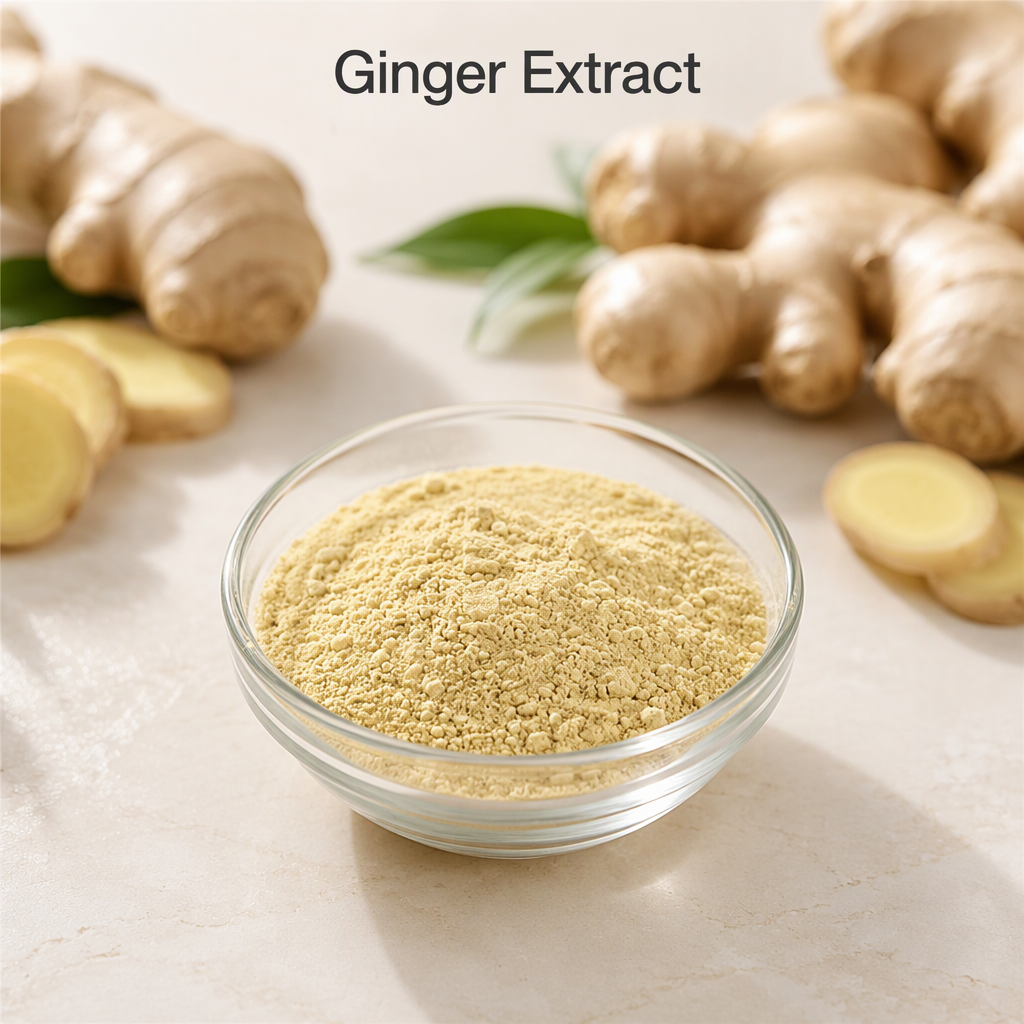
Premium Ginger Extract Powder 1% 5% 10% 20% Gingerols Bulk Supply
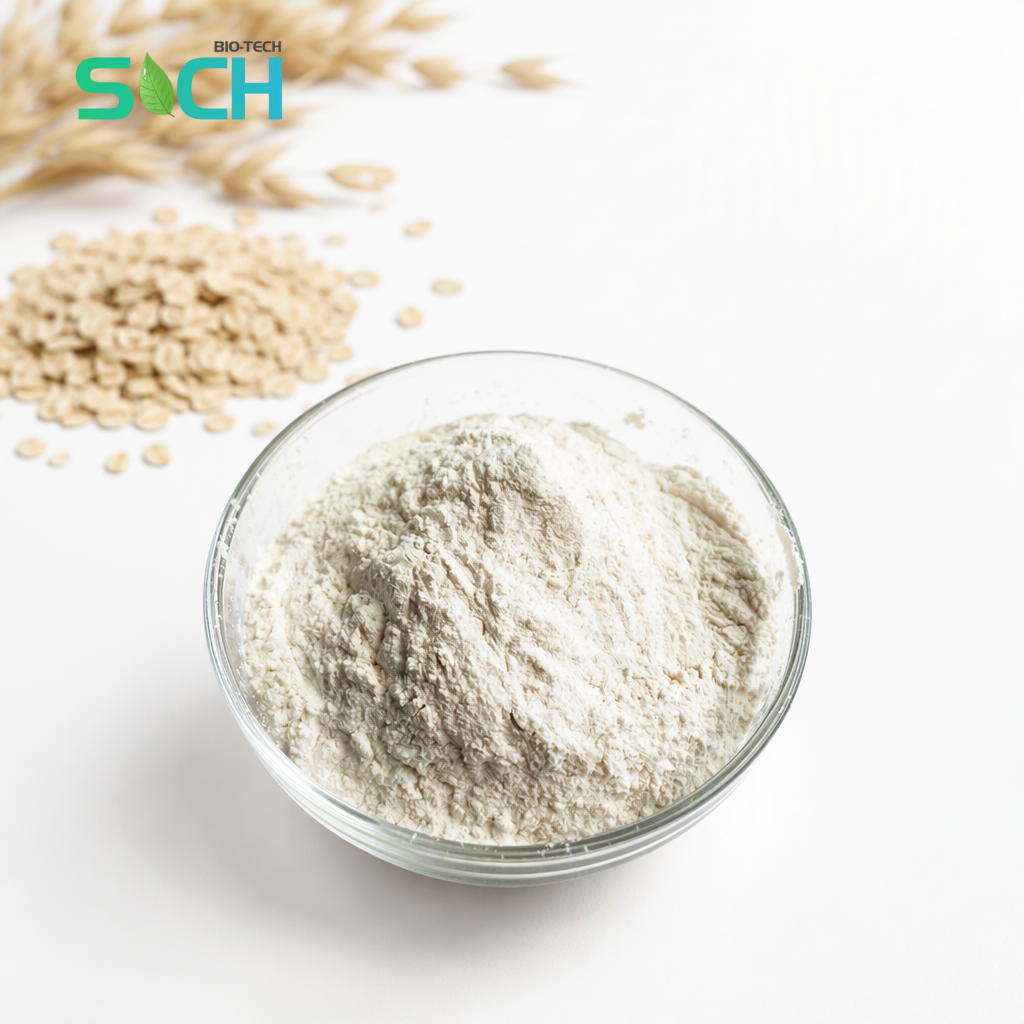
High Quality Oats Beta Glucan Oat Extract 70% 80% 90% Powder
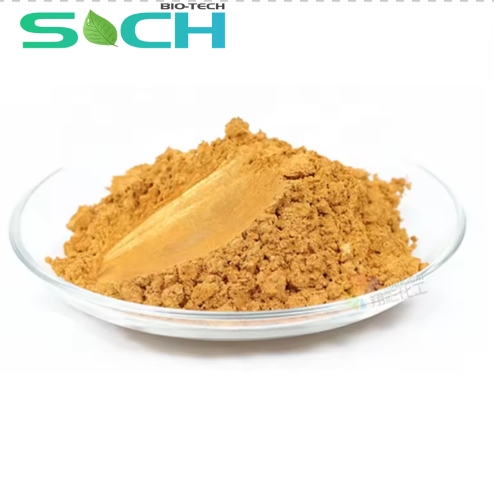
99% Titanium Dioxide Coated Mica Gold Pearlescent Pigment Raw Material
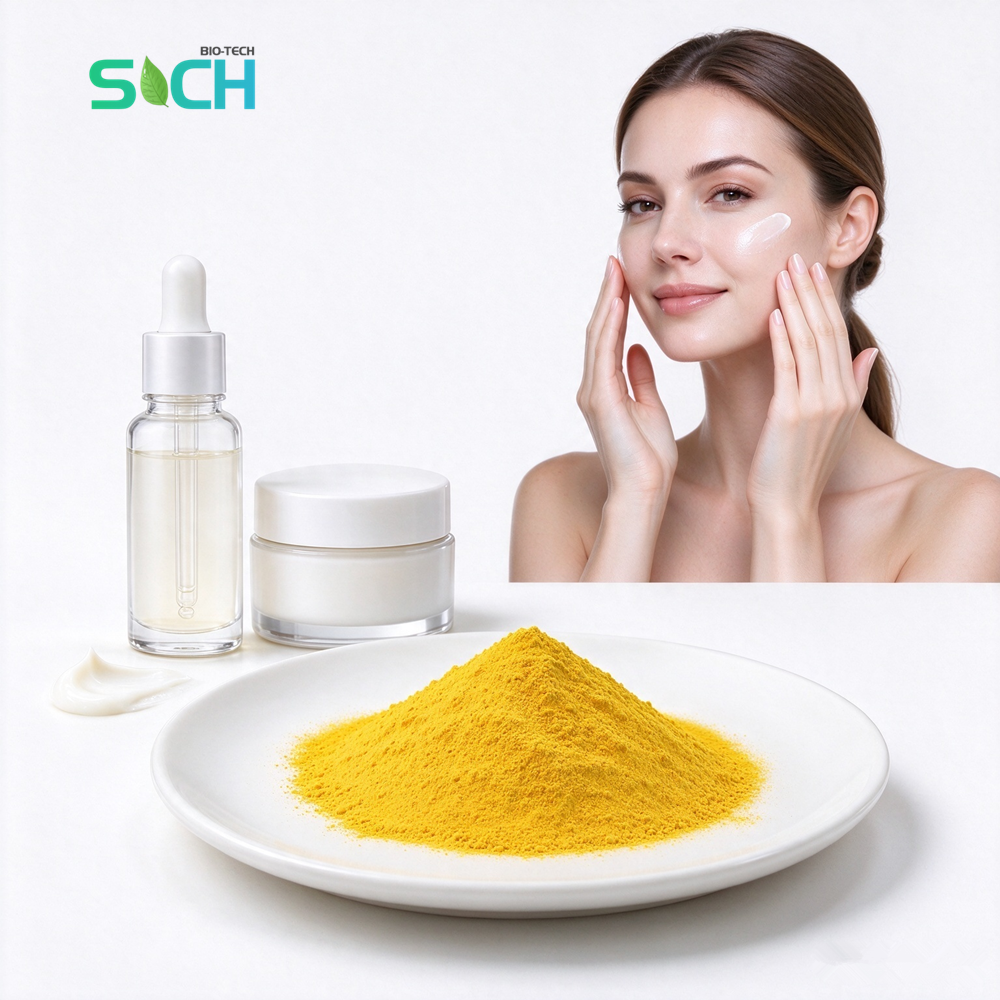
Supply Cosmetic Materials Hydroxypinacolone Retinoate CAS 893412-73-2 99% HPR
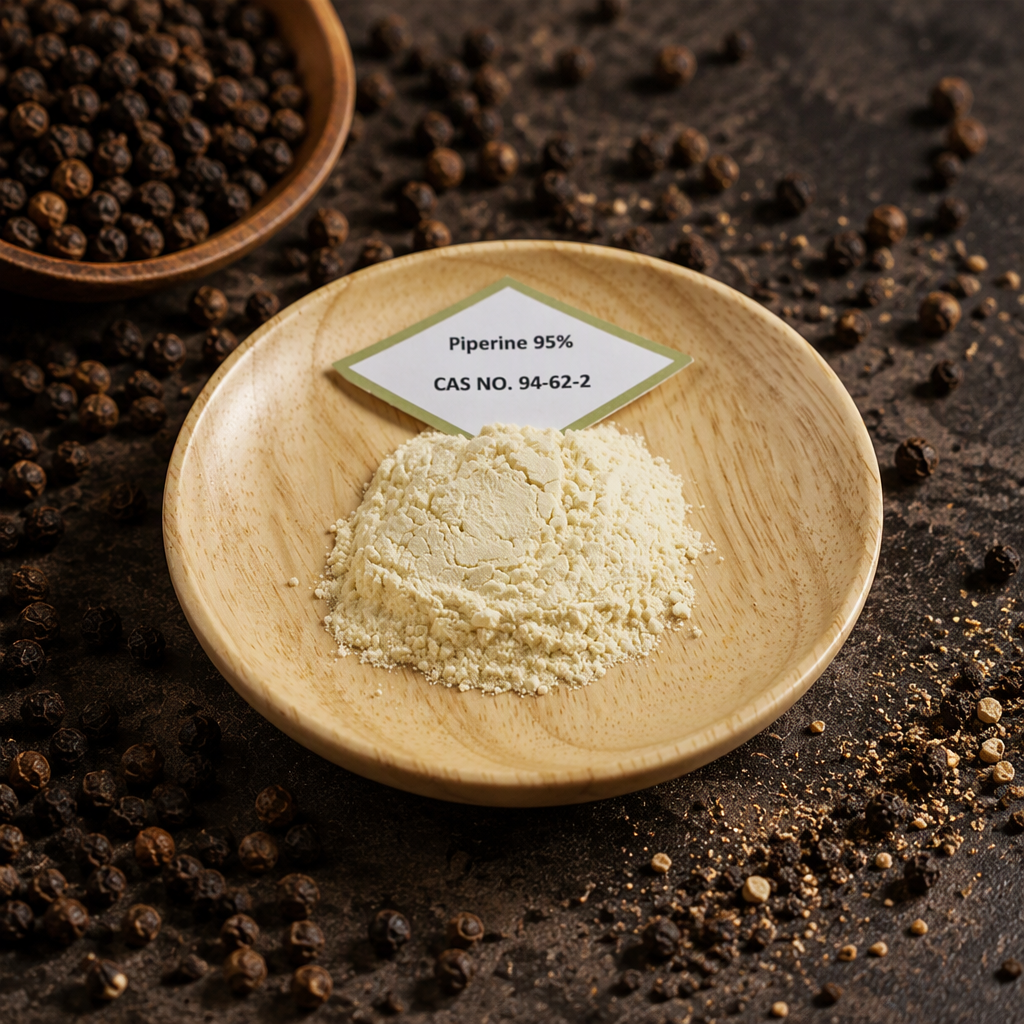
Factory Hot-Selling Black Pepper Extract Powder 95% 98% Piperine
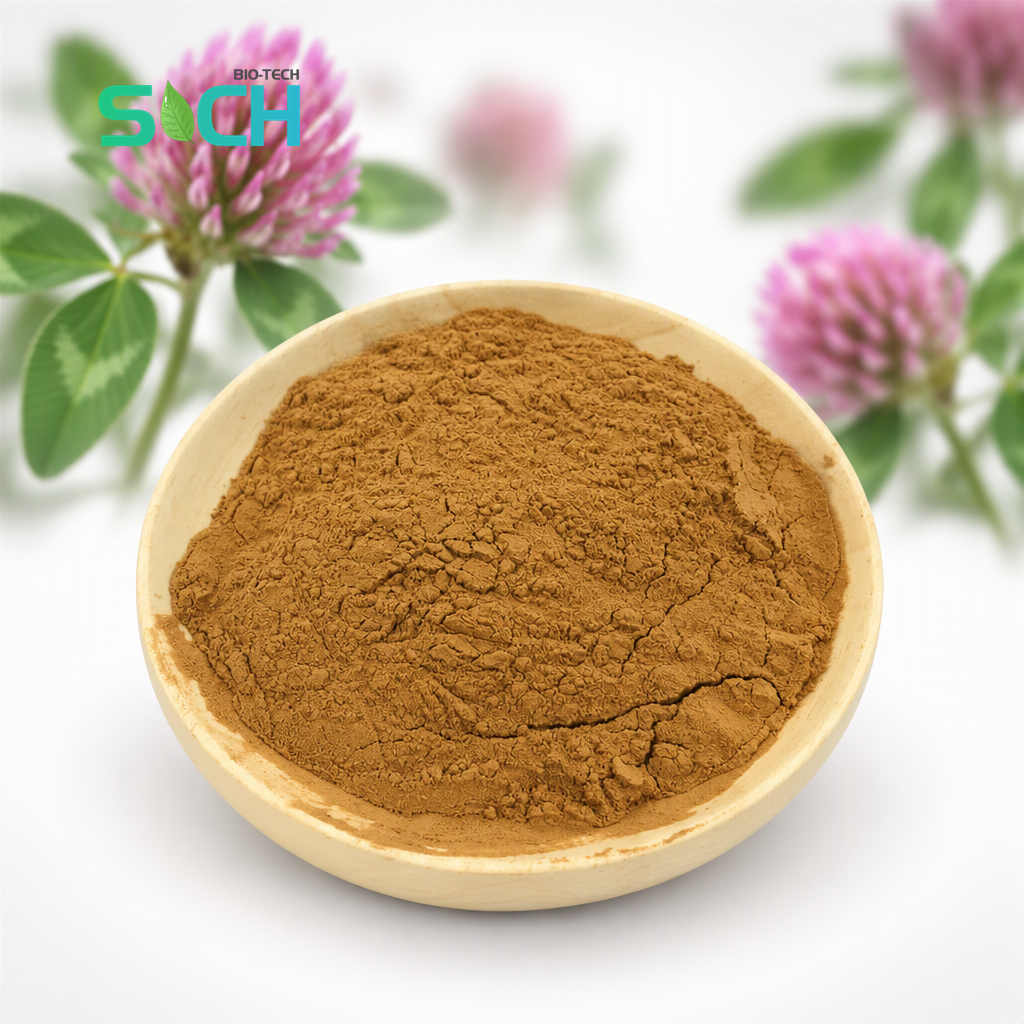
Natural Plant Red Clover Extract Powder 8% 20% 40% Total Isoflavones
Acetyl Octapeptide-3 (SNAP-8): Neuromuscular Modulation & Mechanism of Action
A comprehensive pharmacological evaluation of the octapeptide analog designed to attenuate dynamic rhytids by destabilizing the ternary SNARE complex without cellular paralysis.
1. Structural Biochemistry and Molecular Kinetics of SNAP-8
Acetyl Octapeptide-3, commonly referred to under its laboratory nomenclature SNAP-8 (CAS Registry Number: 868844-74-0), represents the evolutionary zenith of topically administered neuromuscular transmission inhibitors. Structurally, it is an elongated octapeptide derivative engineered from the pioneer hexapeptide Acetyl Hexapeptide-8 (Argireline). Its primary amino acid sequence—Ac-Glu-Glu-Met-Gln-Arg-Arg-Ala-Asp-NH2—exhibits a precisely calculated molecular weight of 1075.16 g/mol, synthesized via Solid Phase Peptide Synthesis (SPPS) using Fmoc-protected amino acid resins.
The biological target of SNAP-8 is the SNARE (Soluble N-ethylmaleimide-sensitive factor Attachment Protein Receptor) macromolecular complex, which governs eukaryotic vesicular exocytosis. Under uninhibited physiological conditions, neurotransmission across the neuromuscular junction necessitates the precise assembly of a stable four-helix bundle comprised of Syntaxin-1A, Synaptosomal-Associated Protein 25 (SNAP-25), and Synaptobrevin (VAMP). This complex facilitates the fusion of synaptic vesicles containing acetylcholine (ACh) with the presynaptic neuronal membrane, culminating in muscular contraction.
SNAP-8 mimics the N-terminal end of SNAP-25, competitively binding to the hydrophobic core of the SNARE ternary complex. Because SNAP-8 possesses two additional amino acid residues (Alanine and Aspartate) relative to hexapeptide architectures, it integrates with higher steric complementarity into the binding domain. Consequently, the newly assembled, modified SNARE complex is rendered structurally incompetent: vesicular membrane fusion cannot complete, and calcium-dependent acetylcholine release is significantly attenuated. By selectively attenuating neuromuscular hyperexcitation without irreversible degradation of SNAP-25 (the lethal mechanism associated with Botulinum neurotoxin Type A and Type C), SNAP-8 reduces the mechanical deformation of dermal layers caused by chronic hyperkinetic facial muscle contraction.
2. Quantitative Bioequivalence & Performance Benchmark
To assist formulation scientists, cosmetic chemists, and regulatory directors across Malta in evaluating biomimetic peptides, the following table presents comparative analytical, safety, and operational parameters between SNAP-8, classical hexapeptides, and pharmaceutical-grade injectables.
| Evaluation Parameter | Acetyl Octapeptide-3 (SNAP-8) | Acetyl Hexapeptide-8 | Injectable Botulinum Toxin A |
|---|---|---|---|
| Primary Sequence / Structure | Ac-Glu-Glu-Met-Gln-Arg-Arg-Ala-Asp-NH2 | Ac-Glu-Glu-Met-Gln-Arg-Arg-NH2 | 150 kDa Clostridial Neurotoxin Protein |
| Molecular Weight | 1075.16 Da | 888.91 Da | ~150,000 Da |
| Mechanism of Action | Competitive N-terminal SNAP-25 mimicry; non-lytic SNARE inhibition | Competitive SNAP-25 binding; non-lytic inhibition | Endopeptidase enzymatic cleavage of SNAP-25 at Gln197-Arg198 |
| In Vitro ACh Release Reduction | Up to 40% attenuation at micromolar ranges | Up to 30% attenuation at comparable doses | Irreversible complete transient blockage (>95%) |
| Depth Reduction of Expression Rhytids | Up to 34.98% decrease in clinical 28-day assays | Up to 17% decrease in clinical 28-day assays | Rapid clinical smoothing; invasive intervention |
| Regulatory Category (EU/Malta) | Cosmetic Ingredient (Regulation EC No 1223/2009) | Cosmetic Ingredient (Regulation EC No 1223/2009) | Prescription-Only Medicine (POM - Healthcare Professional) |
| Dermal Delivery Barrier Compatibility | Formulatable into non-invasive serums, liposomes, nano-emulsions | Water-soluble peptide formulations | Requires transcutaneous needle injection |
| Cellular Cytotoxicity & Immunogenicity | Negligible; non-immunogenic synthetic peptide | Negligible; well-tolerated profile | Risk of neutralizing antibody formation over repeat use |
3. Strategic Applications for the Maltese Dermo-Cosmetic Landscape
The Maltese archipelago—encompassing the central commercial hubs of Valletta, Birkirkara, Sliema, and the Life Sciences Park in San Ġwann—occupies a unique climatic and industrial intersection. Facing acute UV indices (often reaching UV Index 10–11 throughout extended summer cycles), high ambient humidity, and saline Mediterranean marine atmospheres, human skin in Malta undergoes severe solar elastosis and accelerated photodamage. When solar photoaging coincides with involuntary facial squinting triggered by high solar luminosity, dynamic periorbital and glabellar furrows manifest years earlier than in Northern European populations.
Solar Photo-Wrinkle Interception
Chronic squinting under intense Maltese sunlight accelerates Crow’s feet (lateral canthal rhytids). SNAP-8 formulations integrated with broad-spectrum UV filters prevent repetitive mechanical tension on photodegraded dermal matrix fibers.
Post-Aesthetic Clinical Maintenance
Cosmetic dermatology clinics across Sliema and St. Julian’s utilize topical SNAP-8 serums to extend intervals between injectable Botulinum procedures, prolonging therapeutic muscle relaxation safely.
Medical Tourism Cosmeceuticals
Private label luxury dermo-cosmetic brands serving Malta's booming high-net-worth wellness tourists require clinically certified actives backed by HPLC-certified purity guarantees for high-efficacy anti-aging formulations.
Furthermore, contract manufacturers situated within Malta's industrial development zones (e.g., Kordin, Ħal Far) increasingly formulate specialized biomimetic solutions: targeting dynamic forehead furrows, nasolabial folds, and perioral rhytids. Incorporating high-purity SNAP-8 powder allows Maltese brands to create non-invasive alternatives that cater to consumers sensitive to needles or medicalized clinical procedures.
4. Malta Regulatory Landscape & EU Market Alignment
Operating within Malta necessitates complete harmonization with European Union regulations. As an EU member state, cosmetic distribution and importation in Malta are overseen by the Malta Competition and Consumer Affairs Authority (MCCAA) in concert with the Malta Medicines Authority. All topical formulations utilizing Acetyl Octapeptide-3 must strictly conform to EU Regulation (EC) No 1223/2009.
Sourcing SNAP-8 from a verified manufacturer provides Maltese importers and formulators with decisive compliance advantages:
- Full INCI Nomenclature & CosIng Database Verification: Acetyl Octapeptide-3 is recognized as a legitimate skin-conditioning and anti-wrinkle peptide without bans or Annex restriction conflicts under European cosmetics statutes.
- Comprehensive Product Information File (PIF) Support: Every batch delivered to Malta is accompanied by an audit-ready dossier containing the Certificate of Analysis (COA), 1H-NMR spectra, HPLC chromatograms, LC-MS molecular weight verification, heavy metal assays (Pb, As, Hg, Cd < 10 ppm total), residual solvent clearance (ICH Q3C compliant), and microbial challenge reports (aerobic plate count < 100 CFU/g, free from Staphylococcus aureus, Pseudomonas aeruginosa, and Candida albicans).
- CPNP (Cosmetic Product Notification Portal) Readiness: Our analytical dossiers provide qualified Safety Assessors in Malta with the toxicological profile necessary to execute mandatory Cosmetic Product Safety Reports (CPSR) under Annex I of EC 1223/2009.
- Customs Protocol via Freeport & Luqa: Certified documentation, correct HS code classification (2938.90 / 3824.99), and compliant customs declarations ensure seamless clearance through the Customs Department at the Malta Freeport in Marsaxlokk or Malta International Airport Cargo Terminal in Luqa.
5. Formulator’s Guide: Solubility, Stability & Transdermal Delivery
Peptide therapeutics and cosmeceuticals require disciplined physical chemistry to prevent degradation, deamidation, or premature peptide cleavage. For R&D chemists in Malta preparing formulations for warm Mediterranean ambient conditions, following these strict parameters is recommended:
| Physicochemical Parameter | Optimal Formulation Range | Technical Risk Mitigation Notes |
|---|---|---|
| Recommended Inclusion Rate | 0.005% - 0.05% (Pure Powder) or 3% - 10% (0.5g/L Solution) | Dose-dependent response plateaus above 10% standard solution concentration. |
| Formulation pH Window | pH 5.0 to 7.0 | Hydrolysis of amide bonds occurs rapidly below pH 4.0 or above pH 8.0. |
| Thermal Phase Incorporation | Add below 40°C during the cooling phase | Prolonged thermal exposure (>50°C) causes thermal degradation and chain denaturing. |
| Solubility Profile | Completely soluble in water, 1,3-propanediol, and butylene glycol | Insoluble in non-polar hydrocarbon oils, silicones, and ester fats. |
| Chelating Agent Necessity | 0.05% - 0.1% Disodium or Tetrasodium EDTA | Essential to sequester trace transition metal ions (Fe²⁺, Cu²⁺) that catalyze oxidation of Methionine (Met3). |
| Carrier System Recommendation | Liposomal encapsulation, Ethosomes, or Microemulsions | Given molecular weight (1075 Da), lipid vesicles enhance trans-stratum corneum penetration to the target neuromuscular junctions. |
In dynamic sunscreens designed for the Maltese market, SNAP-8 pairs synergistically with antioxidant actives such as Hydroxypinacolone Retinoate (HPR), Vitamin C derivatives (3-O-Ethyl Ascorbic Acid), and Yeast/Oat Beta-Glucans to create total solar anti-aging barrier shields.
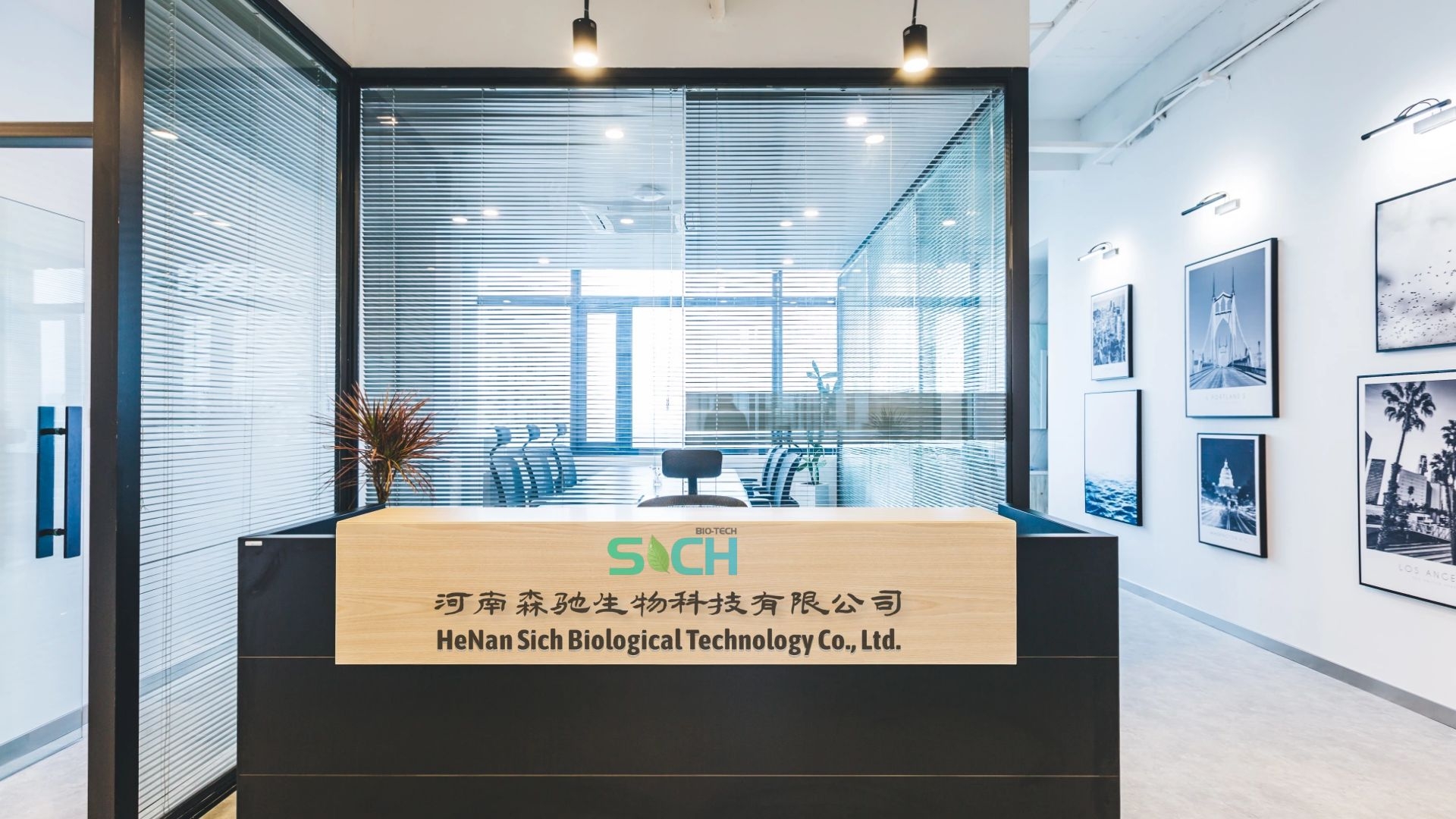
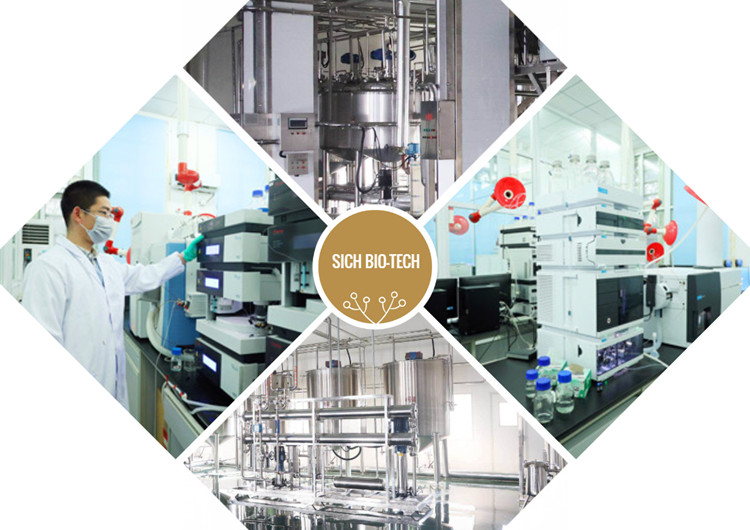
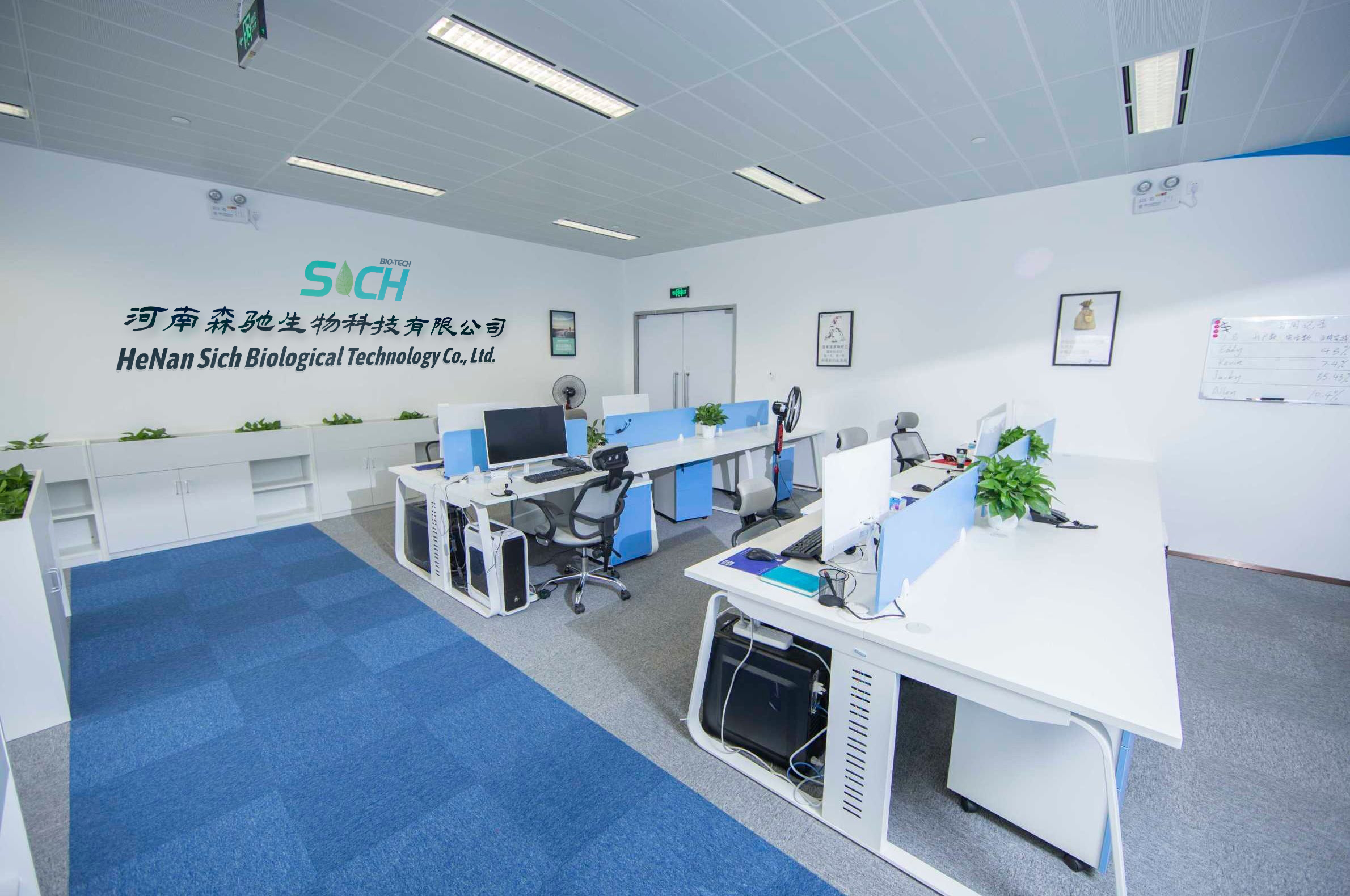
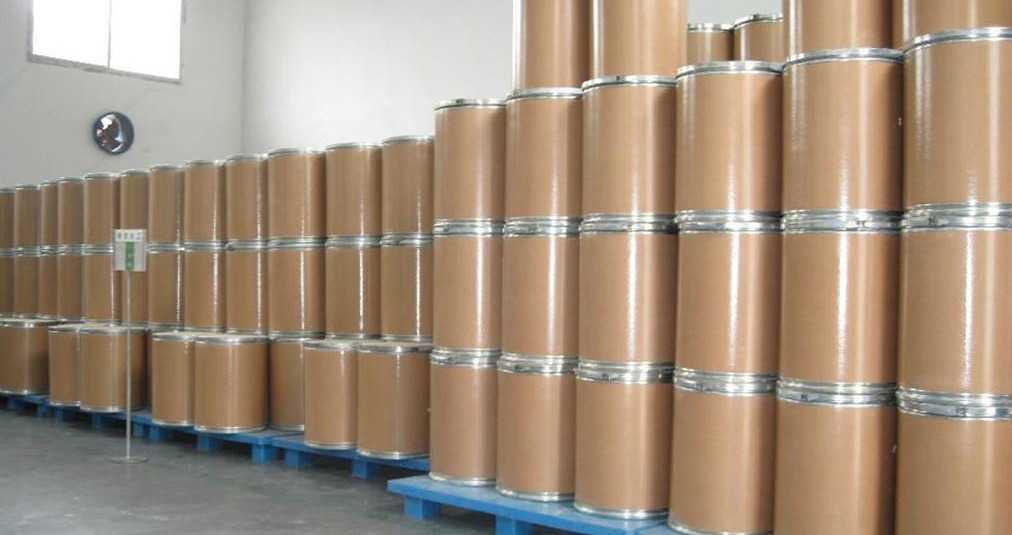
Gavra Bio-Tech: Advanced Production & Analytical Testing Infrastructure
Headquartered in Henan, China, Gavra Bio-Tech delivers an integrated manufacturing continuum from raw chemical synthesis and biological extraction to analytical validation and cold-chain freight dispatch.
Analytical Instruments Audited for European Quality Gateways
To ensure total conformity with European cosmetic safety thresholds, our on-site analysis and testing center executes strict multi-stage batch validations prior to any freight movement. Every lot of Acetyl Octapeptide-3 undergoes:
Waters LC-MS Chromatography
Liquid Chromatography-Mass Spectrometry definitively confirms exact monoisotopic mass (1075.16 Da), uncovering trace peptide fragments or incomplete peptide sequences.
High-Performance Liquid Chromatography
Analytical Reverse-Phase HPLC (C18 column with acetonitrile/water/TFA gradient) guarantees chromatographic purity exceeding ≥98.0%, documenting all impurity peaks.
Swiss HPTLC & UV-Vis Systems
Swiss CAMAG High-Performance Thin-Layer Chromatography and Agilent 8453 UV-Vis spectrophotometers confirm batch-to-batch chemical authenticity and consistency.
Frequently Asked Questions for Maltese Importers & Formulators
Direct answers addressing import tariffs, regulatory documentation, cold-chain safety, minimum order quantities, and freight schedules to Malta.
What is the minimum order quantity (MOQ) for Acetyl Octapeptide-3 to Malta?
- Pilot Formulation & Clinical Trial Batches: Starting from 1 gram to 10 grams of pure lyophilized powder.
- Standard Production Lots: 100 grams, 500 grams, and 1 kilogram hermetically sealed containers.
- Liquid Solution Concentrations: 0.5 g/L (500 ppm) SNAP-8 aqueous solution in 1 kg, 5 kg, and 25 kg jerrycans.
How is the peptide protected against Mediterranean heat during transit to Malta?
Does your factory supply documentation required for Maltese and EU regulatory approval?
- Lot-specific Certificate of Analysis (COA) detailing HPLC purity and mass spectrometry identity.
- Material Safety Data Sheet (MSDS / SDS) compliant with EU REACH Regulation (EC) No 1907/2006.
- BSE/TSE-Free Statement, Non-Animal Testing Declaration, and GMO-Free Attestation.
- Residual solvent statement (ICH Q3C) and microbial limit test documentation for CPSR integration.
What are the logistics transit times and delivery terms (Incoterms) for Malta?
Can you manufacture finished OEM formulations containing SNAP-8 for Maltese brands?
Ready to Secure CE-Certified Acetyl Octapeptide-3 for Malta?
Partner directly with an audited cGMP manufacturer. Receive full technical COA chromatograms, formulation safety guidelines, and competitive B2B factory pricing delivered straight to your operations in Malta.