Amino Acid
High Purity Food Grade L-Glutamine Powder CAS 56-85-9 99% Sports Nutrition L Glutamine
Laboratory-assayed, food- and feed-grade functional bio-compounds formulated to enhance bioavailability, animal intestinal health, and comprehensive metabolic nutrition.
L-Threonine is an indispensable, essential amino acid that cannot be synthesized endogenously by mono-gastric animals or commercial poultry. In animal nutrition science, L-Threonine ranks consistently as the second-limiting amino acid in swine nutrition (following L-Lysine) and the third-limiting amino acid in poultry formulations (subsequent to Methionine and Lysine). Formulating modern commercial livestock rations strictly according to the Ideal Protein Concept requires precision supplementation of feed grade L-Threonine powder to prevent metabolic degradation of other essential amino acids.
Operating as a primary bio-catalytic precursor, L-Threonine plays an indispensable physiological role in the maintenance of intestinal mucosal integrity. Approximately 40% to 50% of dietary L-Threonine is sequestered directly by the splanchnic tissues for the synthesis of mucin proteins within the intestinal epithelial barrier. In the intense agricultural clusters surrounding Kraków, Tarnów, and Nowy Sącz, where high-density swine and broiler production are susceptible to enteropathogenic challenges, ensuring adequate threonine availability directly attenuates mucosal inflammation, optimizes villus architecture, and protects the gut from endogenous digestive enzymes.
| Analytical Parameter | Guaranteed Specification | Testing Methodology | Operational Function in Feed Rations |
|---|---|---|---|
| Assay Purity (Dry Basis) | ≥ 98.5% L-Threonine | Ion-Exchange Chromatography (HPLC) | Guarantees exact balancing of the ideal amino acid dietary profile. |
| Specific Optical Rotation [α]D20 | -26.0° to -29.0° | Optical Polarimetry | Confirms stereospecific biological isomerism (100% active L-enantiomer). |
| Loss on Drying (Moisture) | ≤ 1.0% | Gravimetric Drying (105°C, 3 hrs) | Inhibits caking and microbial spoilage during silo or warehouse storage. |
| Residue on Ignition (Sulfated Ash) | ≤ 0.5% | Thermogravimetric Muffle Furnace (600°C) | Monitors mineral refinement and elimination of processing residues. |
| Heavy Metals (as Pb) | ≤ 10 mg/kg | ICP-MS (Inductively Coupled Plasma) | Complies strictly with Directive 2002/32/EC on undesirable substances. |
| Arsenic (As) | ≤ 2.0 mg/kg | Hydride Generation Atomic Absorption | Ensures feed security and limits toxic bioaccumulation in food chains. |
Precision feeding applications tailored to address geographical, climatic, and commercial farming demands in the Kraków agricultural periphery and the wider Vistula basin.
By implementing synthetic L-Threonine alongside crystalline L-Lysine, compounders in Kraków can substitute expensive imported soybean meal with local wheat, barley, and triticale grains, slashing nitrogen discharge and feed overheads.
Threonine is essential for rapid feather development, immune globulin formation, and lean meat yield in broilers. Balanced threonine levels significantly decrease litter moisture, minimizing the prevalence of foot-pad dermatitis.
Our specialized micro-crystal milling ensures frictionless suspension in liquid feeds without sedimentation, providing young weaners in nursery facilities with instant barrier protection against post-weaning diarrhea.
The feed processing industry in Poland is undergoing a profound structural transition dictated by three convergent market forces:
1. Strict Implementation of the EU Green Deal & Nitrogen Emission Ceilings: Polish environmental oversight under the National Nitrate Action Program demands tangible reductions in ammonia emissions and agricultural runoff into the Baltic Sea catchment area. Feeding excessive crude protein results in massive fecal and urinary nitrogen excretion. Formulators serving the agricultural perimeters around Kraków utilize feed grade L-Threonine to lower dietary crude protein by 2 to 3 percentage points. Every 1% decline in crude protein reduces total nitrogen excretion by roughly 8% to 10%, shielding commercial livestock installations from environmental non-compliance fines.
2. Supply Chain Near-Shoring and Volatility Hedging: Geopolitical shifts and fluctuating ocean container freight rates have prompted purchasing directors in Lesser Poland (Małopolskie) and Subcarpathia (Podkarpackie) to secure robust, direct relationships with multi-certified bio-fermentation manufacturers. Commercial mills rely on pre-positioned warehousing facilities, transparent batch release documentation, and multi-modal transport lines reaching inland logistics terminals near Kraków-Nowa Huta and Sławków Euroterminal.
3. Non-GMO and Sustainable Protein Substitution: With escalating demand for non-GMO poultry and dairy products targeting Central and Western European retail chains, feed manufacturers are systematically reducing non-European GMO soy reliance. Balancing native European grain matrices—notably Polish winter wheat, rye, and rapeseed meal—necessitates supplemental crystalline L-Threonine to restore dietary amino acid equilibrium and maintain optimal growth metrics.
Operating a modernized, GMP-standard industrial ecosystem. From advanced biological fermentation to comprehensive chromatography assay validation.
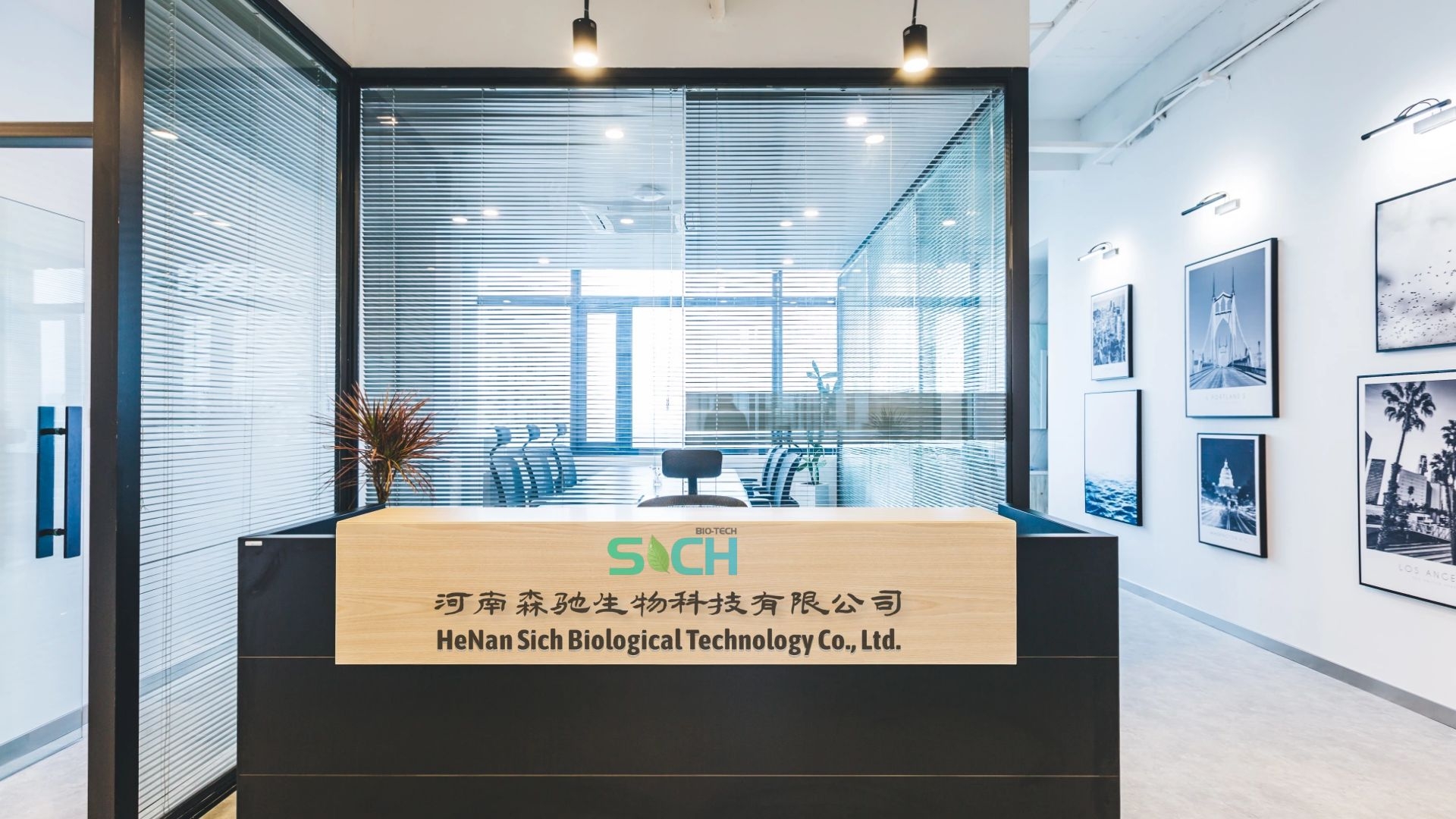
State-of-the-art continuous biological fermentation infrastructure powered by precision Corynebacterium glutamicum strains for optimum amino acid conversion efficiency.
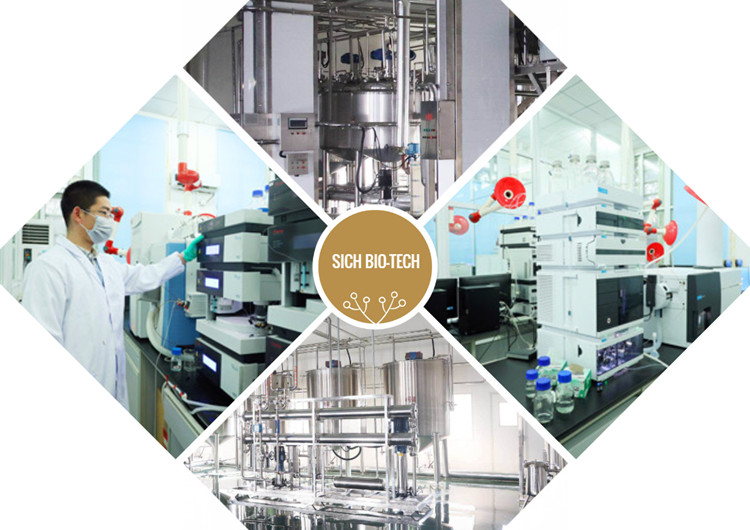
Equipped with Waters LC-MS systems, Agilent HPLC chromatography, 8453 UV-Vis spectrophotometers, and Swiss HPTLC instrumentation for comprehensive batch purity verification.
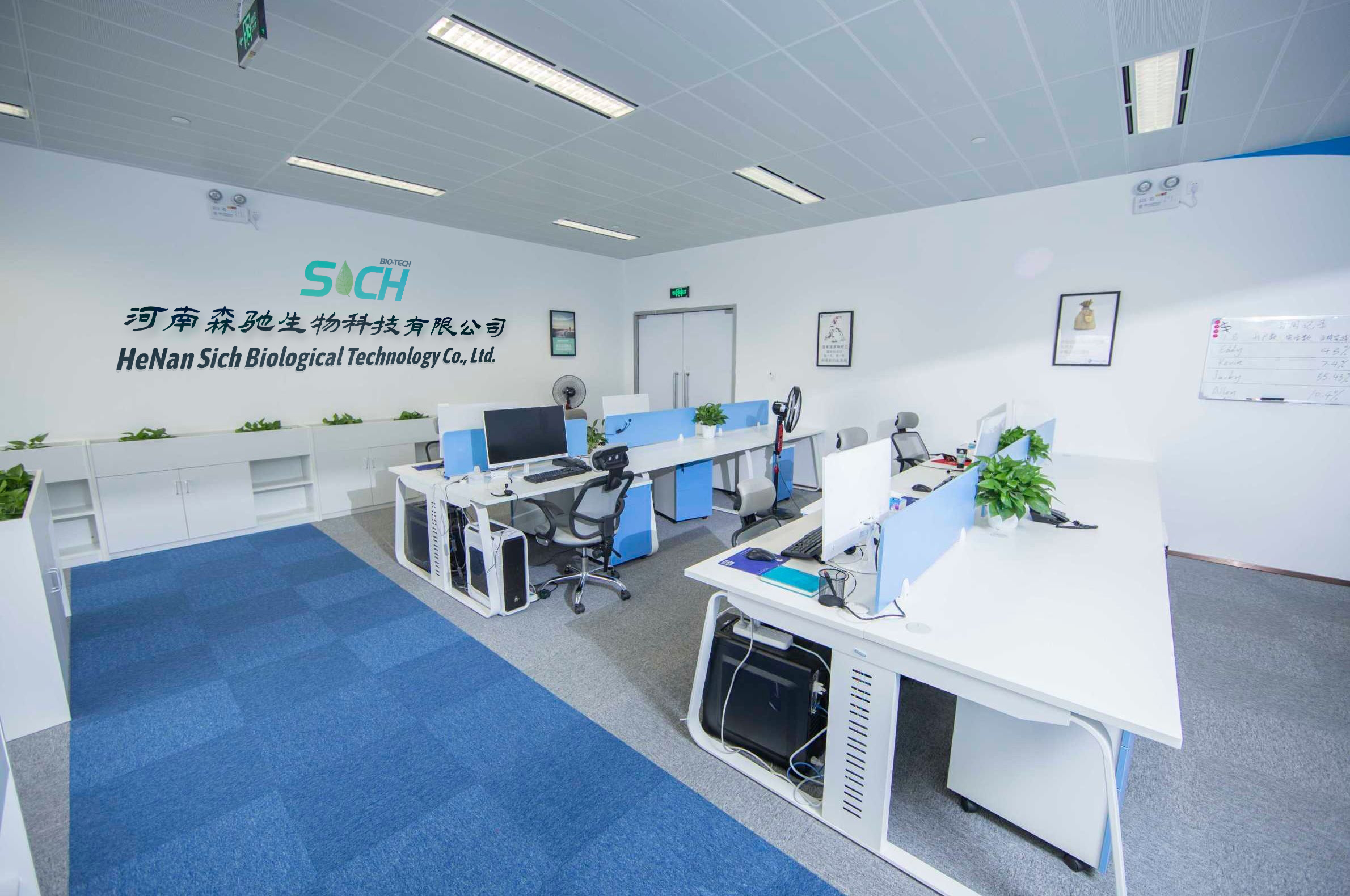
Controlled cleanroom manufacturing environment boasting over 150 dedicated sets of extraction, crystallization, evaporative drying, and vacuum packaging equipment.
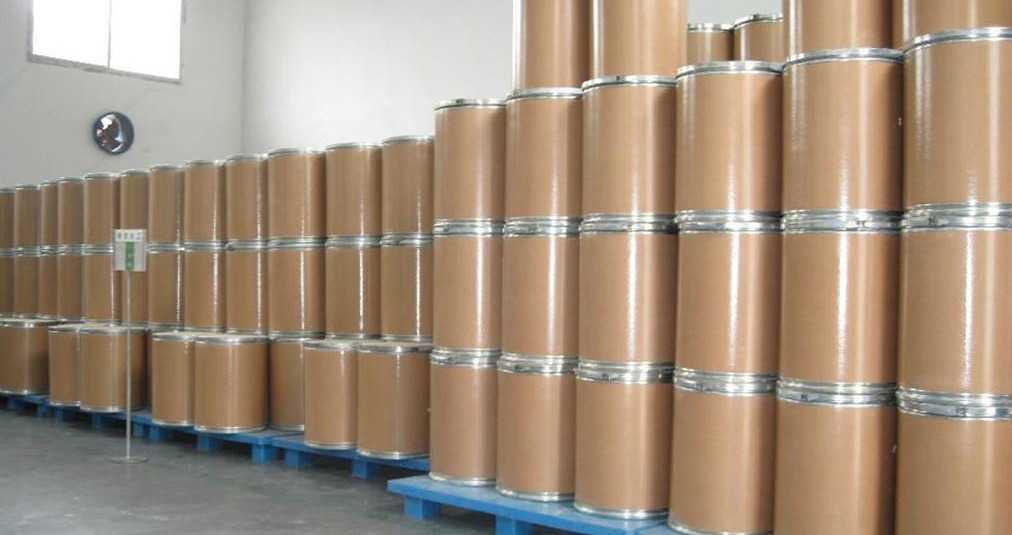
Strict climate-controlled dry palletized storage holding thousands of metric tons in continuous reserve, supported by FedEx/DHL SVIP carrier agreements and reliable maritime container fleets.
Direct answers addressing technical parameters, customs regulations, delivery terms, and quality protocols for Polish importers.
Request an immediate specification dossier, valid batch COAs, regulatory registration paperwork, and custom container volume pricing for your animal feed formulation facility.