 HPLC 99%
Verified Sourcing Inventory
High-Purity Bio-Active & Carotenoid Raw Materials
Lab-tested cosmetic and nutraceutical actives ready for international batch dispatch, validated by Waters LC-MS and UV-Vis spectrophotometry.
HPLC 99%
 CAS 1197-18-8
 Protein 90%
 Purity 99%
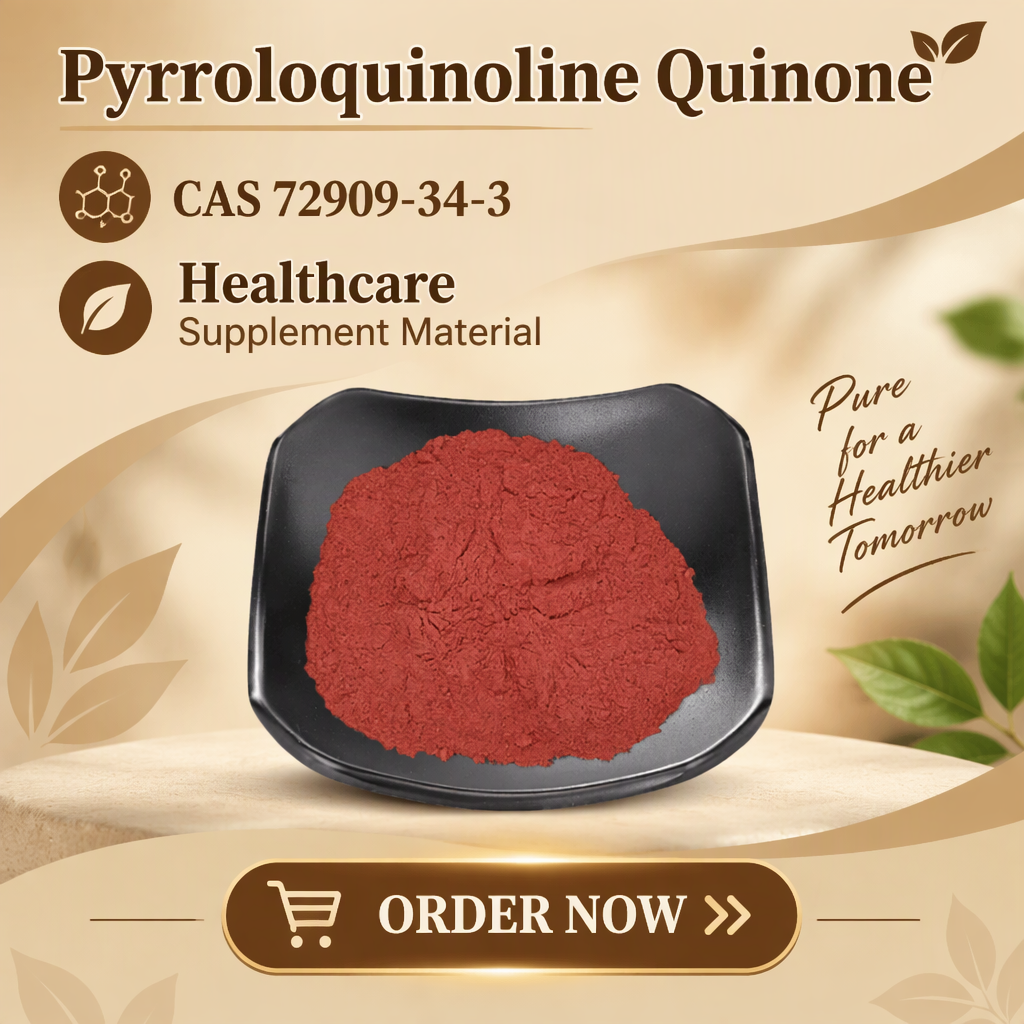 CAS 72909-34-3
 Cosmetic Grade
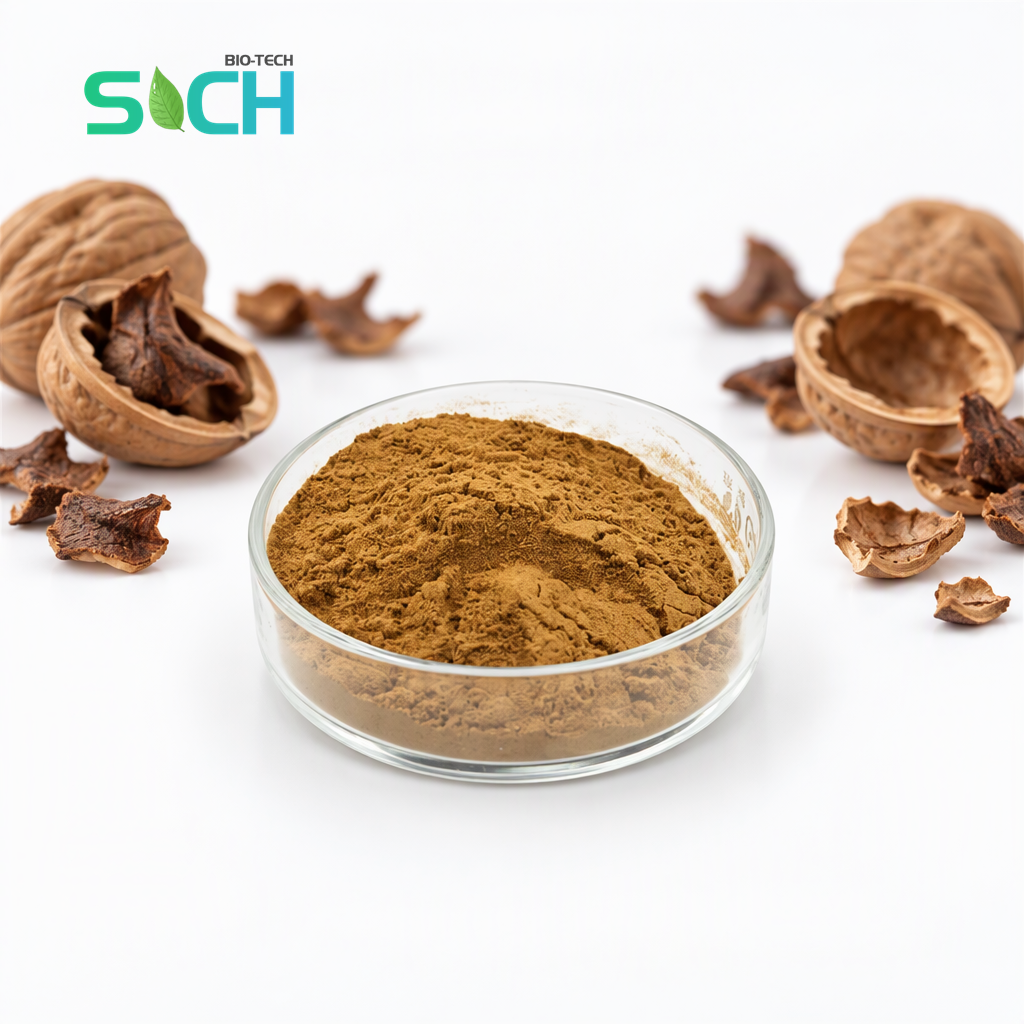 10:1 / 20:1
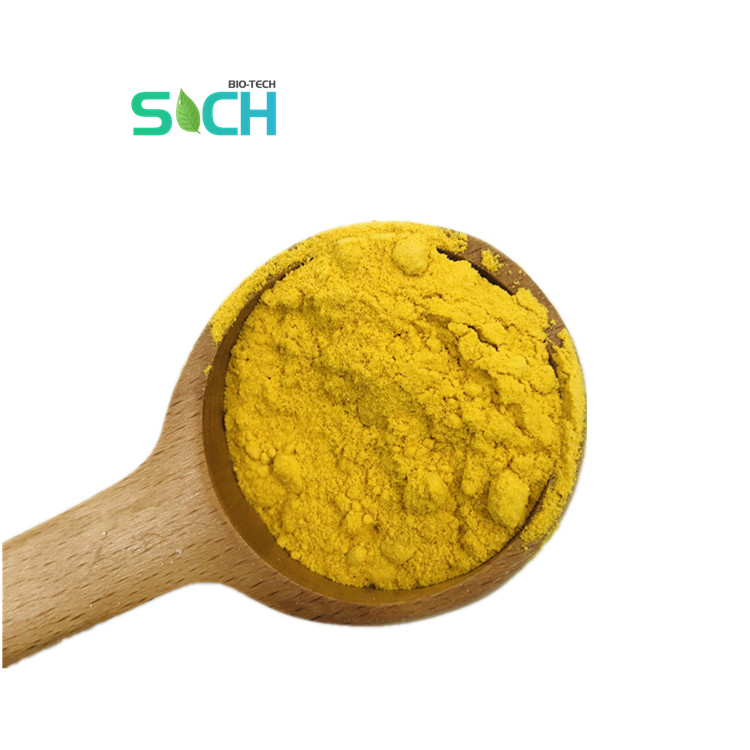 USP / EP 99%
500
Acres Cultivation Fields
8,000 m²
GMP-Standard Workshop
150+
Sets Precision Equipment
≤ 2 hrs
Technical Response Turnaround
Market Overview
Executive White Paper: Carotenoid Extraction Landscapes & Global Supply Chain
An in-depth industrial report on natural vs. synthetic tetraterpenoids, extraction efficiencies, and strategic criteria for qualifying international exporters.
Precision Supercritical CO₂
Modern extraction operations are heavily transitioning toward supercritical carbon dioxide fluid extraction (SFE-CO₂). Eliminating residual petroleum ether and chlorinated solvents, this yields clean-label carotenoid resins that satisfy stringent European Food Safety Authority (EFSA) and FDA standards.
Microencapsulation Systems
Free carotenoids are highly susceptible to photodegradation and oxidative cleaving. Tier-1 exporters utilize beadlet formulation, nanoemulsions, and cold-water-dispersible (CWD) spray drying to stabilize polyene chromophores across extended supply chain journeys.
Batch-Level Chromatography
Analytical rigor separates elite botanical processors from commodity re-sellers. Reliable manufacturers deploy high-performance liquid chromatography (HPLC) paired with photodiode array (PDA) detectors to precisely differentiate cis and trans stereoisomers.
Future Sourcing Paradigms: 2025–2030 Trends
The global carotenoids market—encompassing beta-carotene, astaxanthin, lutein, zeaxanthin, lycopene, and canthaxanthin—is expanding beyond standard nutritional supplementation into cosmeceuticals and functional beverage matrixes. Procuring managers are adapting to several critical market transitions:
- Fermentation & Microalgae Dominance: Traditional open-pond Dunaliella salina and Haematococcus pluvialis cultivation are being augmented by closed photobioreactors and precision fermentation using modified oleaginous yeasts.
- Solvent-Free Regulatory mandates: Tightening EU and North American limits on residual hydrocarbons (hexane, ethanol, acetone) make supercritical CO₂ and enzymatic digestion prerequisites for pharmaceutical contracts.
- Demand for Multi-Carotenoid Complexes: Clinical research favors synergistic formulations (e.g., lutein + zeaxanthin + meso-zeaxanthin in specific 10:2:1 or 5:1 ratios) over isolated compounds for targeted visual and dermal photo-protection.
Technical Quality Audit: What Discerning Importers Review
Evaluating an international carotenoid extract manufacturer requires auditing specialized quality indicators beyond the standard Certificate of Analysis (COA):
- Stereoisomer Distribution: Ensuring natural all-trans isomers vs. degraded or synthetic cis forms that compromise biological bioavailability.
- Oxidation Stability Metrics: Evaluating peroxide value (POV), p-anisidine value, and accelerated rancidity profiles under varying thermal and relative humidity benchmarks.
- Excipient Traceability: Scrutinizing the wall materials used in beadlet manufacturing—such as modified starches, gelatin, sodium ascorbate, and tocopherols—for non-GMO compliance and allergen declarations.
Analytical Reference
Technical Specification & Application Parameters
Benchmark specifications for core carotenoids and high-performance botanical actives.
| Compound / Extract | Primary Source | Standard Commercial Grades | Assay Method | Core Application |
|---|---|---|---|---|
| Natural Astaxanthin | Haematococcus pluvialis | 1.5% - 5% Powder / 10% Oleoresin | HPLC / UV-Vis | Anti-aging serums, cellular antioxidant capsules |
| Lutein / Zeaxanthin | Tagetes erecta (Marigold) | 5% - 20% CWD Powder, 80% Crystals | HPLC | Macular health supplements, blue light defense |
| Natural Beta-Carotene | Dunaliella salina / Fermentation | 1% - 10% CWD, 20% Oil Suspension | UV-Vis / HPLC | Food colorant, provitamin A immunity tonics |
| Natural Lycopene | Lycopersicum esculentum | 5% - 10% Beadlets, 98% Synthetic/Natural | HPLC | Cardiovascular health, prostate support formulations |
| Ectoine Raw Powder | Halophilic bacteria | 99% Pure Crystalline Powder | HPLC | Dermal membrane stabilization, barrier protection |
| Tranexamic Acid (TXA) | Organic Synthesis | 99.0% - 101.0% Pure Powder | BP / USP / EP | Medical grade whitening and hyperpigmentation control |
Manufacturing Infrastructure
Why Partner with Gavra Bio-Tech Co.,Ltd.
Combining primary agricultural assets with pharmaceutical-grade downstream processing in Henan, China.
500-Acre Agronomical Fields
Full botanical traceability begins at the root. With over 500 acres of experimental cultivation fields, our botanical raw stocks maintain documented batch lineage, free of unauthorized pesticide residuals, non-approved fertilizers, and heavy metal accumulation.
Waters LC-MS & HPTLC Center
Our centralized testing lab houses Waters Liquid Chromatography-Mass Spectrometry (LC-MS) platforms, 8453 UV-Vis spectrophotometers, and Swiss HPTLC scanners. Every certificate issued is backed by real, auditable retention graphs and analytical chromatograms.
Rapid Global Freight (3-5 Days)
As SVIP tiered account holders with FedEx and DHL, in-stock ingredients are dispatched within 3-5 business days. Flexible export trade terms cover FOB, CIF, CFR, FCA, CIP, DDP, and DDU with comprehensive customs handling documents.
Procurement Guidance
Frequently Asked Questions for Import Buyers
Operational, regulatory, and quality assurance clarifications for supply chain managers.
Q1: What are your standard Minimum Order Quantities (MOQs)?
Most plant extracts, cosmetic raw materials, and specialized food additives carry an accessible MOQ starting at 1 kg. Highly active cosmetic peptides (such as GHK-Cu, SNAP-8) start from 1 g to 10 g. Industrial bulk commodities such as sodium cyclamate, kojic acid, and pure fruit powders start at 25 kg fiber drums.
Q2: How do you prevent oxidation in carotenoid and lipid shipments?
Lipophilic powders and active carotenoids are sealed in double-layered pharmaceutical polyethylene inner liners, purged with inert nitrogen, and vacuum-sealed inside heat-reflective aluminum foil bags. Cold-chain shipping and thermal insulated packaging are deployed for temperature-sensitive compounds.
Q3: Can we obtain free pre-shipment samples for internal verification?
Yes. Free qualification samples (typically 10g to 50g) are available for active laboratory testing, formulation trial runs, and bench-scale stability checks. Customers simply provide their courier account number or cover domestic/express handling fees.
Q4: What analytical validation is provided with each commercial batch?
Every shipment is accompanied by a batch-specific Certificate of Analysis (COA) containing exact assay percentages, heavy metal limits (Pb, As, Cd, Hg via ICP-MS), residual solvent evaluations, microbial counts (USP/EP standards), and loss on drying values.
Q5: What are the accepted international payment arrangements?
We facilitate standard international trade settlement structures, including wire transfers (T/T), irrevocable Letter of Credit (L/C) at sight for enterprise accounts, Western Union, and corporate Credit Cards in both USD and CNY denominations.
Q6: Do you offer contract manufacturing (OEM) for finished supplements?
Yes. In addition to pure active ingredients, our GMP-standard facility delivers full OEM contract services including custom softgel encapsulation, hard capsule filling, functional gummy manufacturing, and tableting with private label secondary packaging.
Initiate Your Ingredient Sourcing Specification
Connect with our technical sales engineers to review purity parameters, request analytical certificates, or schedule custom sample dispatch. Our team maintains a 99.09% response rate with average turnaround times under 2 hours.