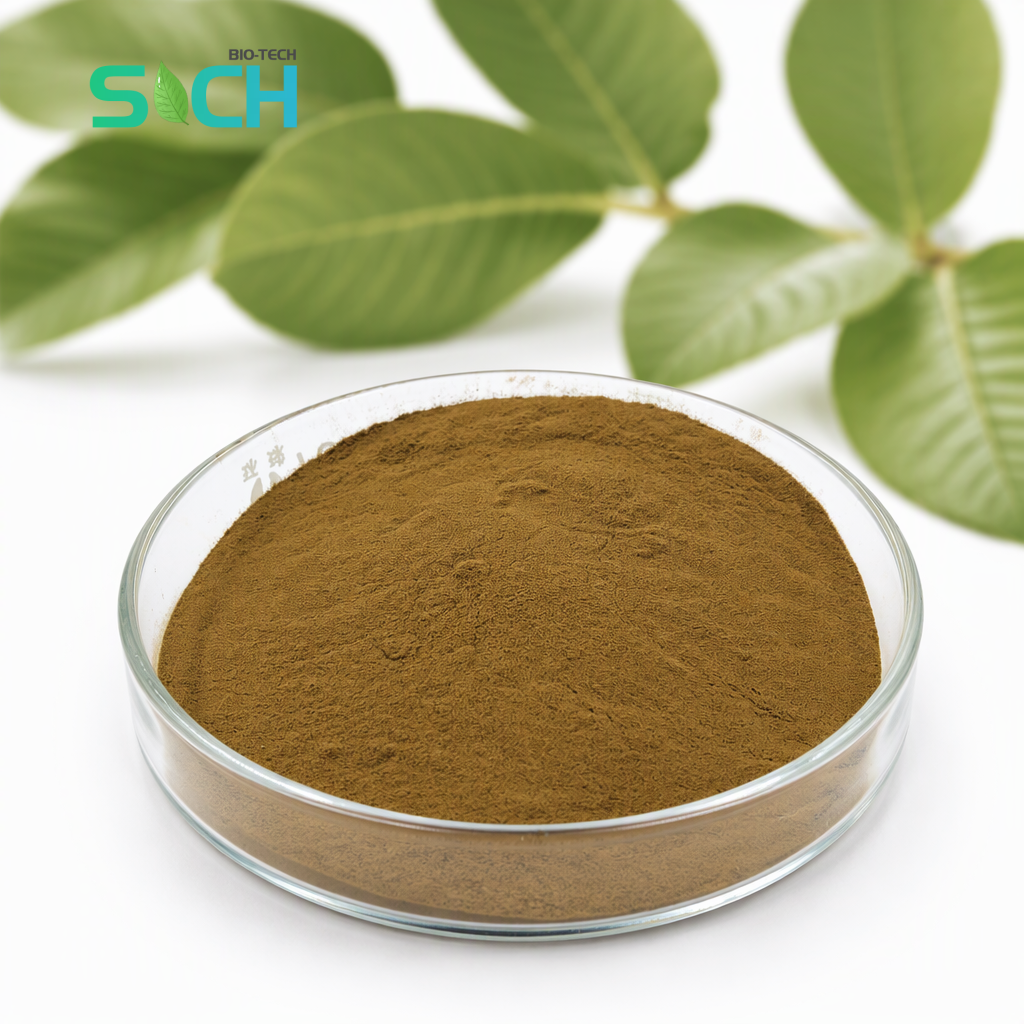
High Quality Herbal Supplement Support Skin Health 10:1 Guava Leaf Extract Powder
- Assay: Polyphenols ≥15%
- Appearance: Fine Brown Powder
- Mesh Size: 80-100 Mesh
Direct manufacturer-grade powdered actives tested with HPLC, LC-MS, and Swiss HPTLC fingerprinting for high biological batch consistency and regulatory export readiness.
The global botanical extracts and herbal powder marketplace has transitioned from a volume-driven commodity exchange into a strictly regulated, science-first arena. Today's multinational procurement executives, whether managing dietary supplement portfolios, medical cosmetic lines, or functional food brands, face unprecedented scrutiny from health authorities including the US FDA (21 CFR Part 111/117), the European Food Safety Authority (EFSA), and the Therapeutic Goods Administration (TGA). Identifying a tier-one herbal powder manufacturer requires examining beyond commercial price quotations to evaluate verifiable analytical infrastructure, agronomic traceability, and consistent batch kinetics.
A true manufacturing powerhouse maintains sovereign control over multiple thermodynamic extraction technologies. Rather than relying on uniform atmospheric hot-water boiling, an engineered facility utilizes multi-stage countercurrent extraction, vacuum low-temperature concentration, macroporous resin column chromatography, and subcritical extraction systems. These methodologies ensure that heat-sensitive secondary metabolites—such as the biochanin A and formononetin found in Trifolium pratense (Red Clover), or fragile piperine alkaloids—maintain their native stereochemical structures without thermal degradation or polymerization.
Contracting third-party analytical laboratories introduces logistical latency, sample degradation risks, and opaque testing protocols. Top-tier producers maintain dedicated analytical research complexes equipped with Waters Liquid Chromatography-Mass Spectrometry (LC-MS), Agilent High-Performance Liquid Chromatography (HPLC) coupled with Diode Array Detectors (DAD), 8453 UV-Visible Spectrophotometers, and Swiss CAMAG High-Performance Thin-Layer Chromatography (HPTLC) systems. This instrumentation empowers the factory to run real-time botanical identity fingerprinting, solvent residue profiling down to parts-per-billion (ppb) thresholds, and heavy metal screening via Inductively Coupled Plasma Mass Spectrometry (ICP-MS).
Unmatched resolution for molecular weight validation, trace pesticide identification (>500 compound libraries), and synthetic adulterant screening.
High-precision optical profiling that constructs immutable botanical fingerprints comparing species against authenticated herbarium reference standards.
Standardized measurement of gross polyphenol and polysaccharide contents along with physical powder mechanics (mesh size, bulk tap density, flowability).
Strategic raw material procurement is shifting fundamentally. Sourcing directors can no longer rely on sporadic spot-market purchasing due to escalating geopolitical disruptions, weather volatility affecting agricultural harvest yields, and stringent carbon boundary regulations (CBAM). Modern supply managers are institutionalizing long-term vendor qualification protocols rooted in the following technical developments:
Phase-out of chlorinated organic solvents (DCM, chloroform). Total adoption of USP Class 3 solvents (pharmaceutical ethanol, water) and green pressurized hydro-ethanolic systems.
Herbal powders are increasingly required to offer high bulk density and micro-fluidized spray drying, ensuring high aqueous solubility and protection against gastric degradation.
Direct backward integration into agricultural cultivation. Owning regional experimental fields ensures zero heavy metal absorption from untreated industrial soils.
Furthermore, the convergence of pharmaceutical purity requirements and food manufacturing has propelled non-thermal sterilization. Traditional high-heat processing compromises delicate active markers such as flavonoids, anthocyanins, and triterpenoid saponins. State-of-the-art processors rely on low-temperature irradiation or ethylene-oxide-free steam sterilization technologies validated to lower total plate counts below 1,000 CFU/g without creating toxic 2-chloroethanol by-products.
Processing standard agricultural harvests into hyper-purified herbal active powders requires sophisticated chemical engineering principles. The differences between generic regional processing workshops and elite manufacturers center on three core technical disciplines:
Standard grinding mechanisms generate intense shear-induced frictional heat, often elevating local temperatures above 70°C. This thermal surge degrades thermolabile compounds such as glucosinolates in broccoli extracts, polyphenols in guava leaves, and delicate peptide bonds. Tier-one factories utilize closed-circuit cryogenic jet-milling operating at sub-zero temperatures with inert nitrogen blanket gas. This produces ultra-fine powders ranging from 100 to 300 mesh (D90 < 45 μm) while preserving intact active molecules and enhancing gastrointestinal uptake rates by up to 340%.
Batch resin columns often yield uneven active distributions and wasteful solvent consumption. Advanced facilities employ Simulated Moving Bed (SMB) chromatography and continuous countercurrent adsorption. By dynamically balancing solvent flow against adsorbent stationary phases, processors achieve purity levels exceeding 98% for compounds like piperine, cycloastragenol, and PQQ with near-zero batch-to-batch chromatographic divergence.
| Ingredient & Source | Reference CAS | Standardized Marker | Analytical Technique | Regulatory Standard |
|---|---|---|---|---|
| Guava Leaf Extract (Psidium guajava) | N/A | 10:1 Ratio / ≥15% Polyphenols | UV-Vis / TLC | Dietary Supplement / Clean Label |
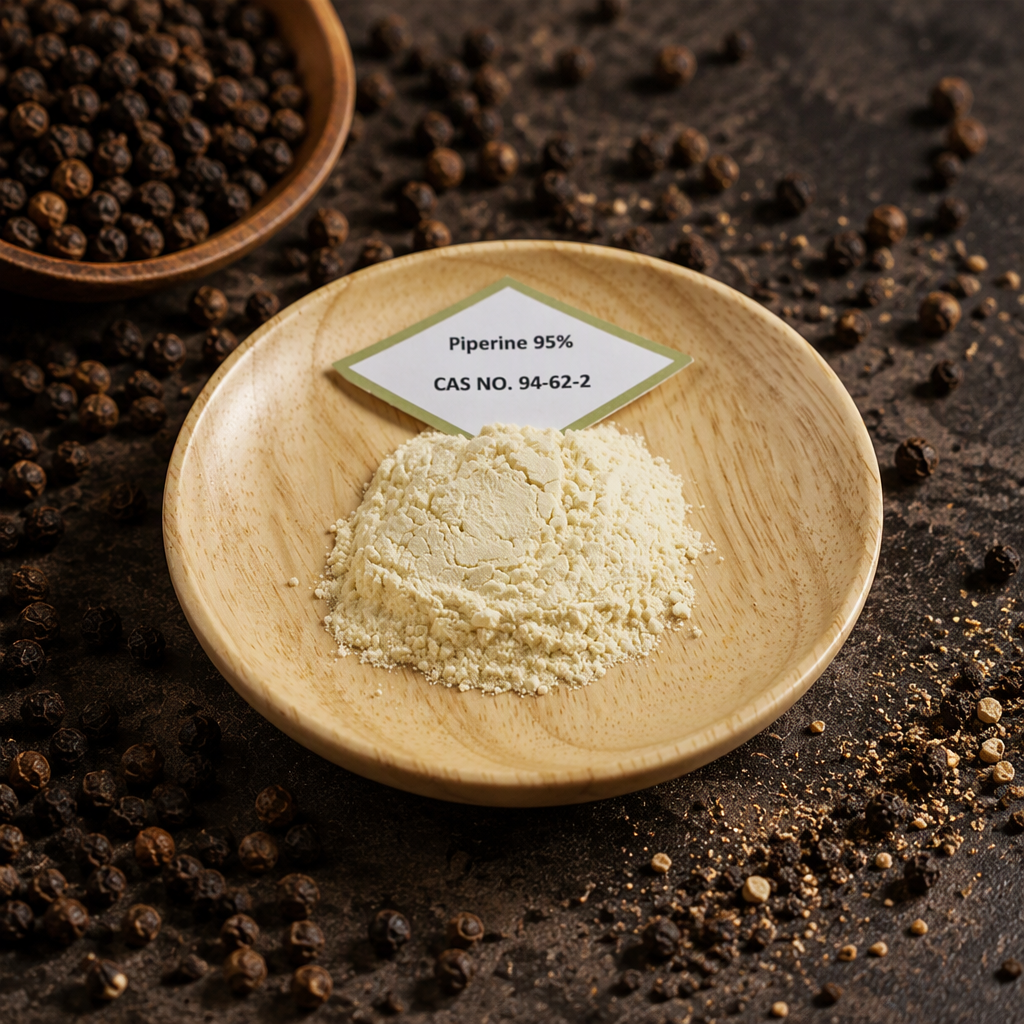
| Black Pepper Extract (Piper nigrum) | 94-62-2 | 95.0% – 98.0% Piperine | HPLC (USP Monograph) | USP / EP / Food Grade |
| Yeast Beta Glucan (S. cerevisiae) | 9012-72-0 | 70%, 80%, 90% Beta-Glucan | Enzymatic / Megazyme Assay | GRAS / EFSA Novel Food |
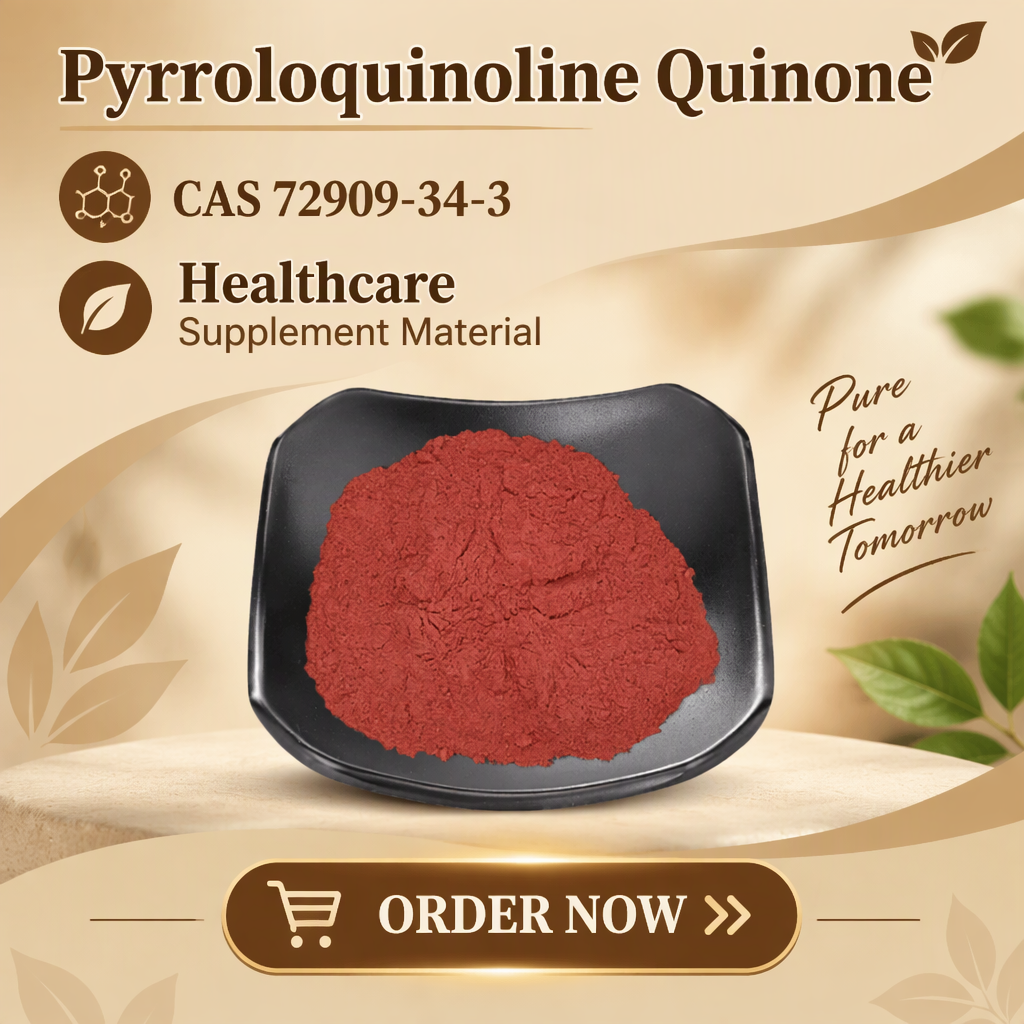
| Pyrroloquinoline Quinone (PQQ) | 72909-34-3 | ≥99.0% Disodium PQQ | HPLC / LC-MS | Dietary Ingredient / Novel Food |
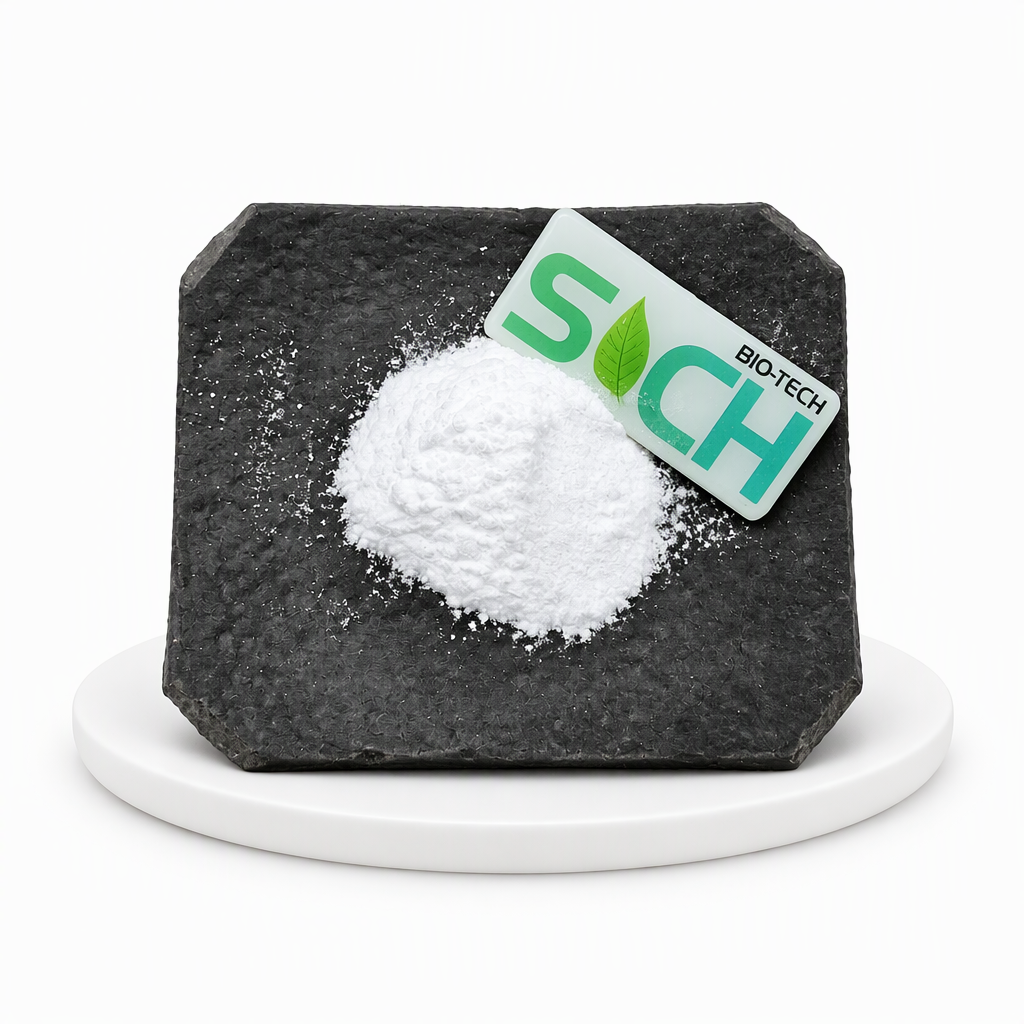
| Tranexamic Acid (Synthetic/Active) | 1197-18-8 | 99.0% – 101.0% TXA White Powder | Titration / HPLC | Cosmetic INCI / BP / USP |
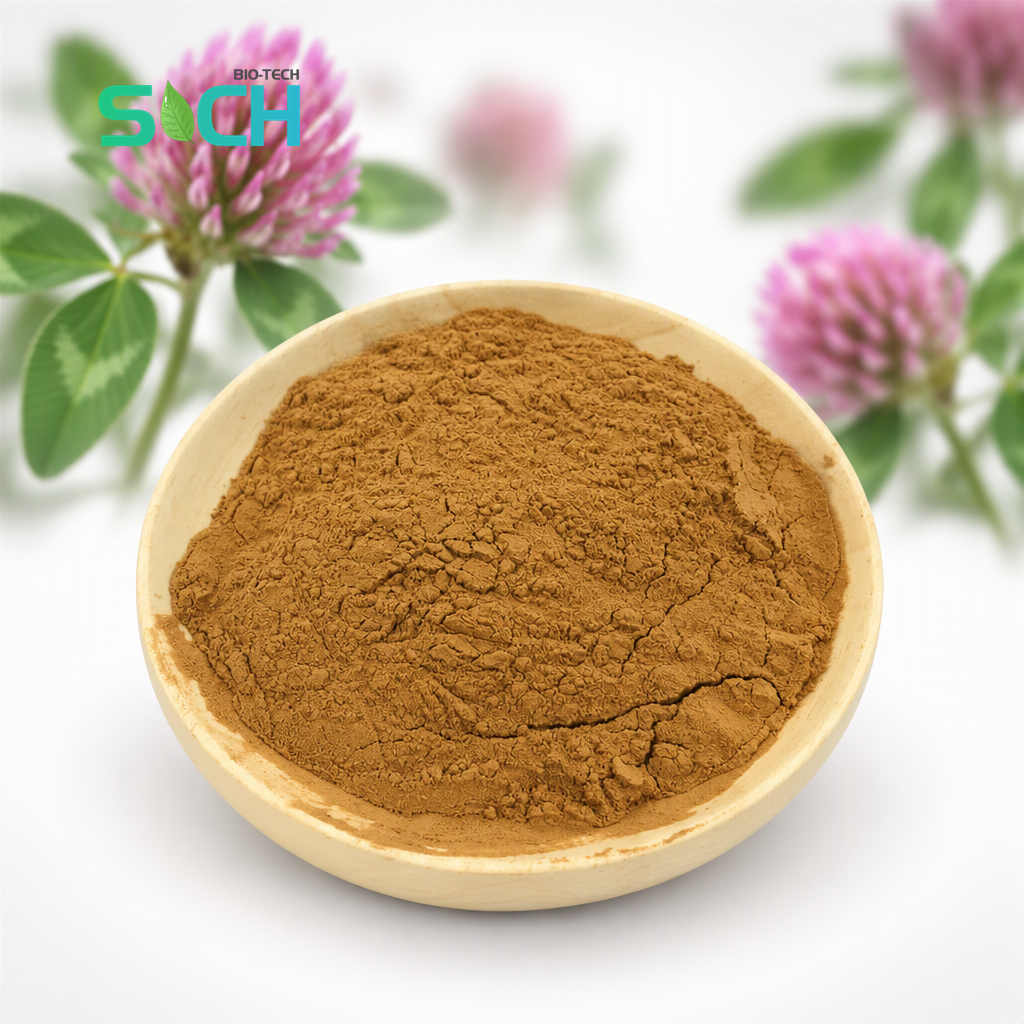
| Red Clover Extract (Trifolium pratense) | N/A | 8% / 20% / 40% Isoflavones | HPLC Analysis | Standardized Botanical Extract |
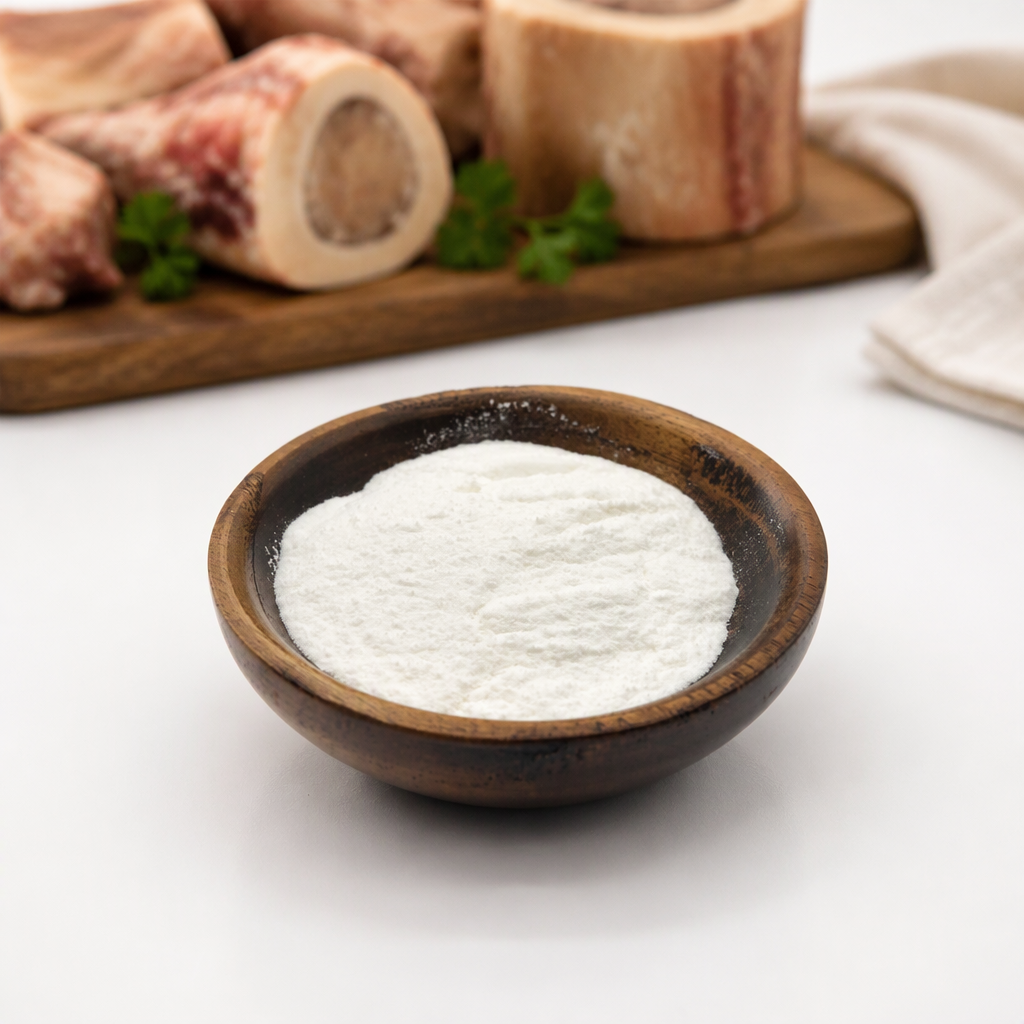
| Bovine Bone Marrow Peptide | 9007-34-5 | 99% Oligopeptides (<1000 Da) | Size-Exclusion HPLC (SEC) | Food / Nutra Collagen Grade |
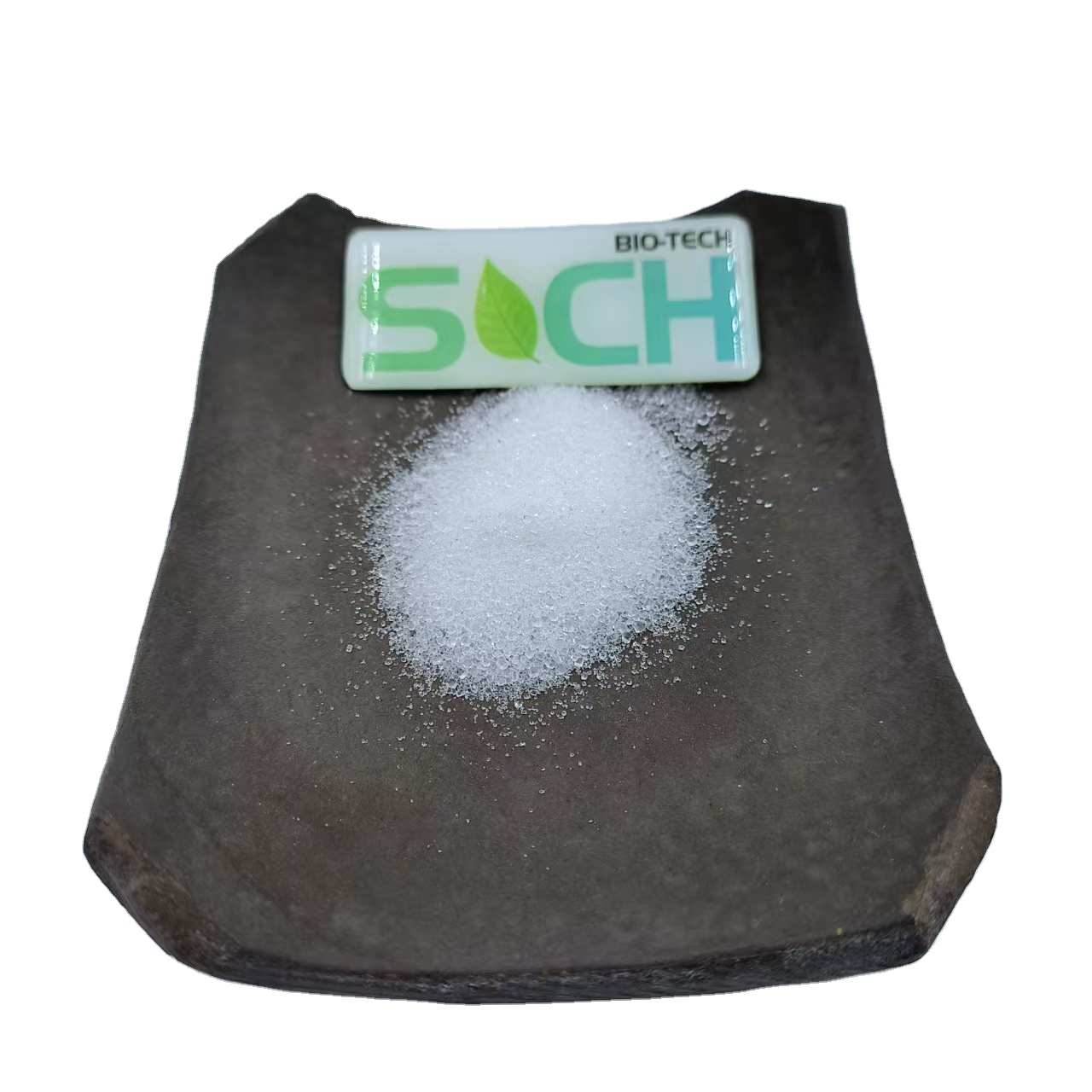
| Sodium Cyclamate (Specialty Flavor) | 139-05-9 | CP95 / NF13 Compliant | Chemical Titration | FCC / Joint FAO/WHO JECFA |
*All analytical protocols can be validated against authenticated reference standards; full batch Certificate of Analysis (COA), 500+ multi-residue pesticide screen reports, and heavy metal ICP-MS logs are supplied per production batch.
Operating out of Henan, China, Gavra Bio-Tech Co.,Ltd. stands at the intersection of modern pharmaceutical biotechnology and responsible botanical extraction. Rather than acting as a non-technical trading intermediary, the organization has structured an end-to-end industrial ecosystem encompassing agricultural cultivation, advanced physical extraction, and comprehensive molecular analysis.
Full agronomic governance over 500 acres of experimental cultivation fields. By managing the seed-to-harvest lifecycle, the enterprise guarantees species purity, optimal harvest timing for active compound density, and zero environmental pesticide drift.
Equipped with 150+ specialized processing units across three dedicated production lines: large-volume extraction, multi-stage column rectification, and high-resolution preparative chromatography, ensuring seamless scalability from pilot batches to metric tons.
Holding direct FedEx and DHL SVIP status guarantees prioritized freight routing and reduced transit times. Over 1,000 standard catalog SKUs are maintained in climate-controlled warehousing, enabling standard order dispatch within 3 to 5 business days.
Direct, transparent answers addressing common technical, regulatory, and commercial inquiries encountered by international quality assurance and procurement teams.
For standard botanical extracts, cosmetic actives, and nutritional raw materials, the MOQ is 1 kg to facilitate formulation trials. High-purity peptides start from 1 g to 10 g. Bulk commodities such as food-grade sodium cyclamate or spray-dried fruit bases require 25 kg fiber drums.
Incoming botanicals undergo rigorous multi-step testing: macroscopic authentication, botanical fingerprinting using Swiss CAMAG HPTLC, and quantitative active assay testing via HPLC/LC-MS. We cross-reference against international pharmacopeia monographs (USP, Ph. Eur.) to confirm the absence of synthetic spiking or unlisted adulterants.
Yes. Batch-specific Certificates of Analysis (COA), Technical Data Sheets (TDS), Safety Data Sheets (MSDS/SDS compliant with GHS), Allergen Declarations, Non-GMO Statements, and Flow Charts can be supplied immediately upon product inquiry.
We strictly comply with USP <467> and ICH Q3C guidelines. Extraction solvents are restricted primarily to Class 3 systems (ethanol, water). Residues of ethanol are verified below 5,000 ppm (typically controlled under 1,000 ppm via low-temperature vacuum recovery), while Class 1 solvents are completely excluded.
Heavy metals (Pb, As, Cd, Hg) are quantified via ICP-MS to guarantee compliance with stringent European standards (<3.0 ppm Pb, <1.0 ppm Cd). Microbiological limits meet dietary criteria: Total Plate Count ≤1,000 CFU/g, Yeast & Mold ≤100 CFU/g, with negative testing for Salmonella, E. coli, and Staphylococcus aureus.
Yes, complimentary evaluation samples (typically 20 g to 100 g depending on the raw material cost) are available for verified formulation, solubility, and assay verification. Sourcing teams only cover direct air courier expenses, which are credited against subsequent bulk orders.
In-stock powders are dispatched within 3 to 5 business days following payment confirmation. Custom chemical syntheses, specialized mesh milling, or custom extract specifications generally require a 2 to 3 week production campaign based on raw material schedules.
We support a broad range of delivery terms: EXW, FOB, CFR, CIF, CIP, CPT, DDU, and DDP (Delivered Duty Paid, handling customs clearing and tariffs). Accepted payment vehicles include Wire Transfer (T/T), confirmed Letter of Credit (L/C), Credit Card, and Western Union in USD, EUR, or CNY.
Yes. Beyond supplying pure powder raw materials, our Henan production facility accommodates full OEM/ODM contracts covering specialized capsule filling, high-speed tablet compression, and functional gummy confectionery formulations with customized packaging.
Standard packaging utilizes double food-grade polyethylene interior liners hermetically heat-sealed inside moisture-proof aluminum foil barrier bags, packed within reinforced 25 kg fiber drums. Desiccants and oxygen scavengers are included for hygroscopic compounds to preserve full 24 to 36 month retest stability.
Request comprehensive batch chromatographic profiles, technical dossiers (TDS/COA/MSDS), current bulk production schedules, and volume-tiered quotations for your production cycle.