Analytical Specification Catalog
Portfolio Selection for Industrial Blending & Formulations
Laboratory-verified bulk bio-actives, plant isolates, and functional powders supplied under full GMP compliance.
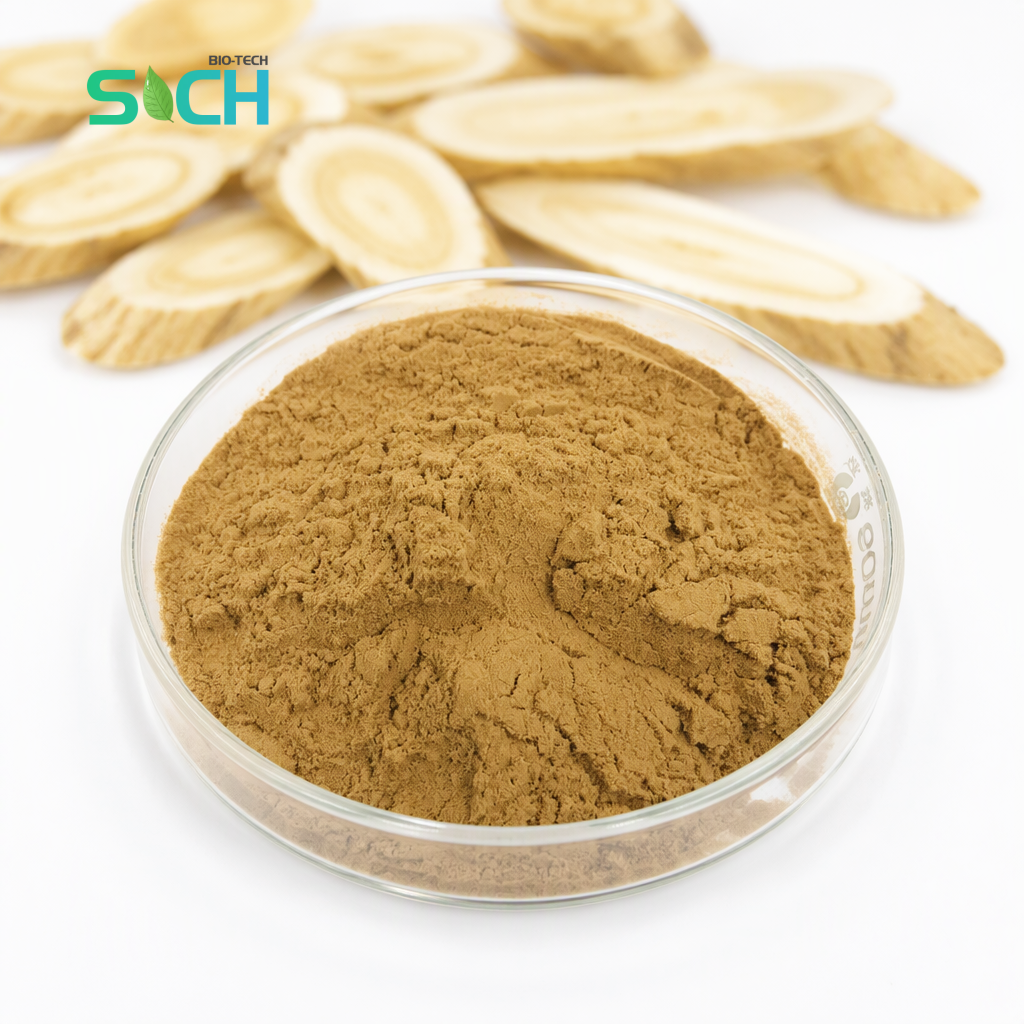
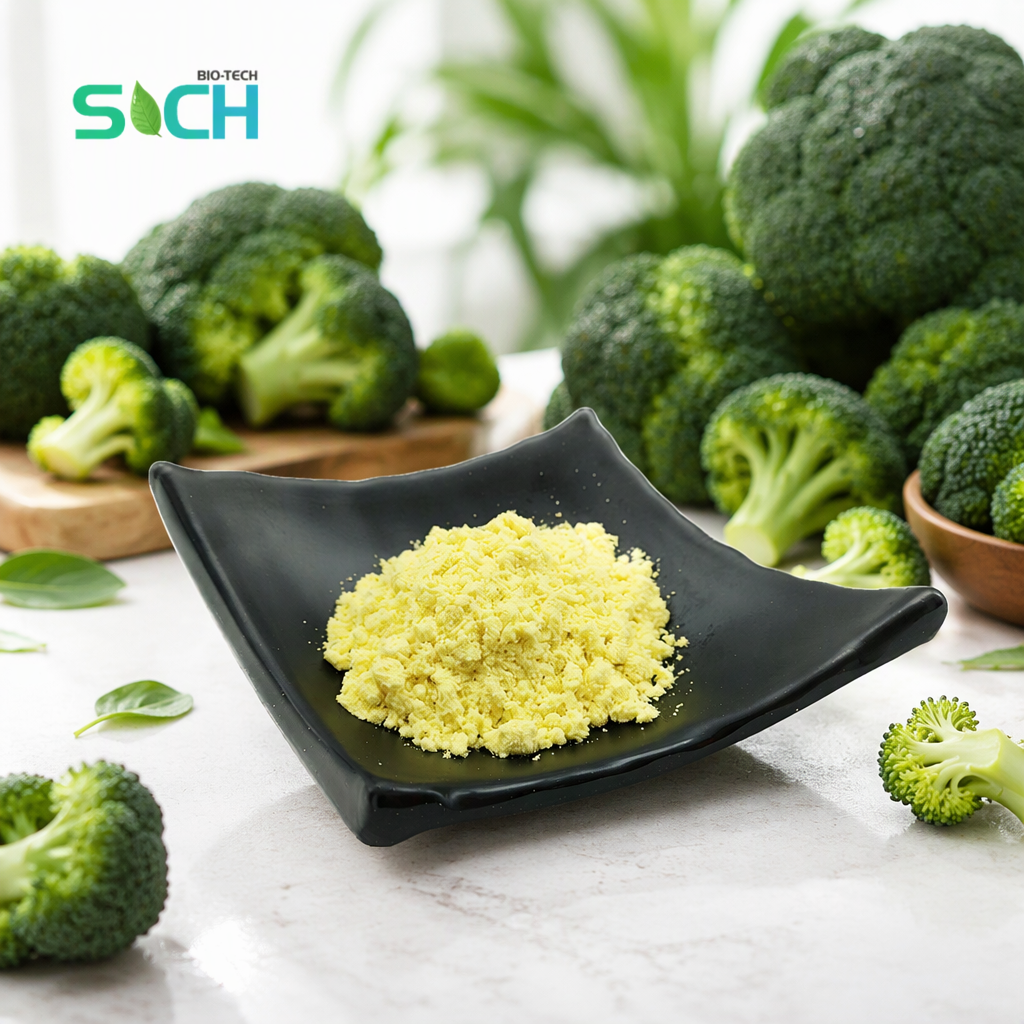
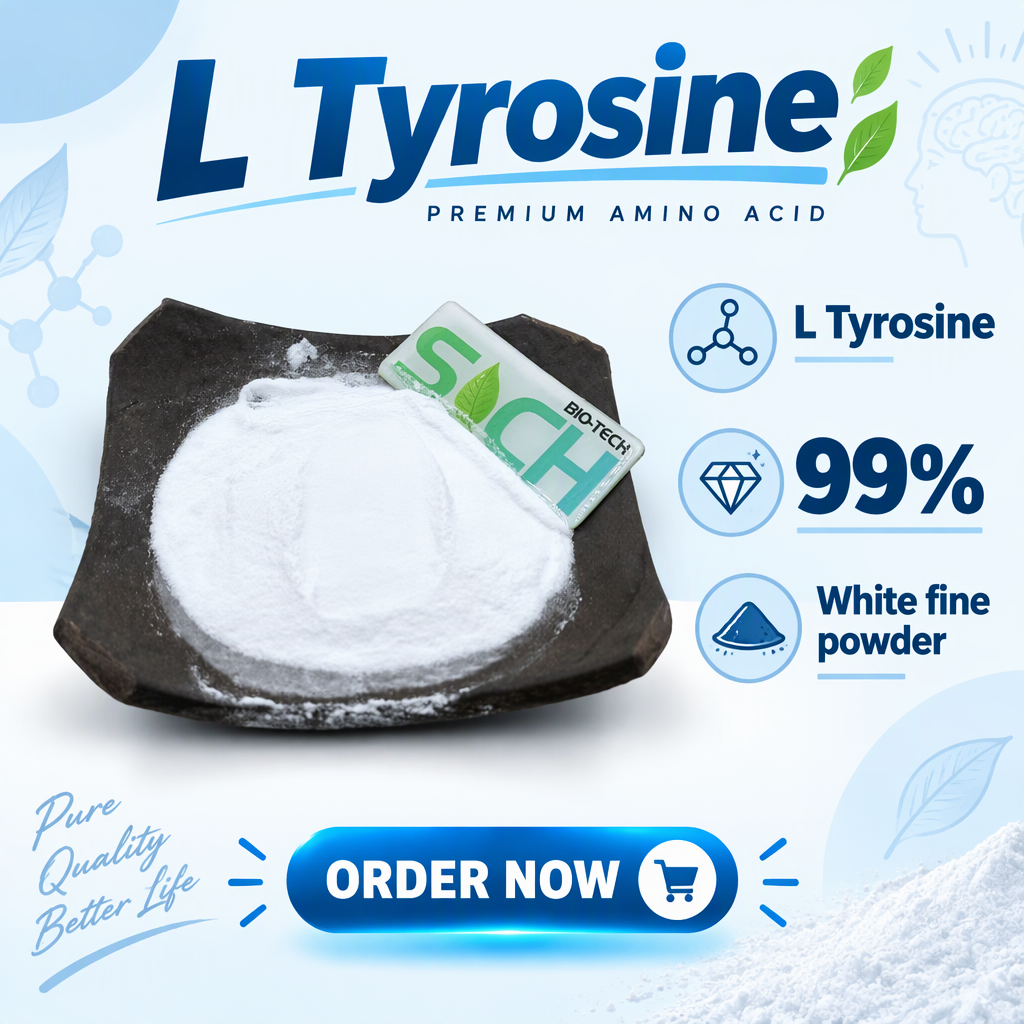
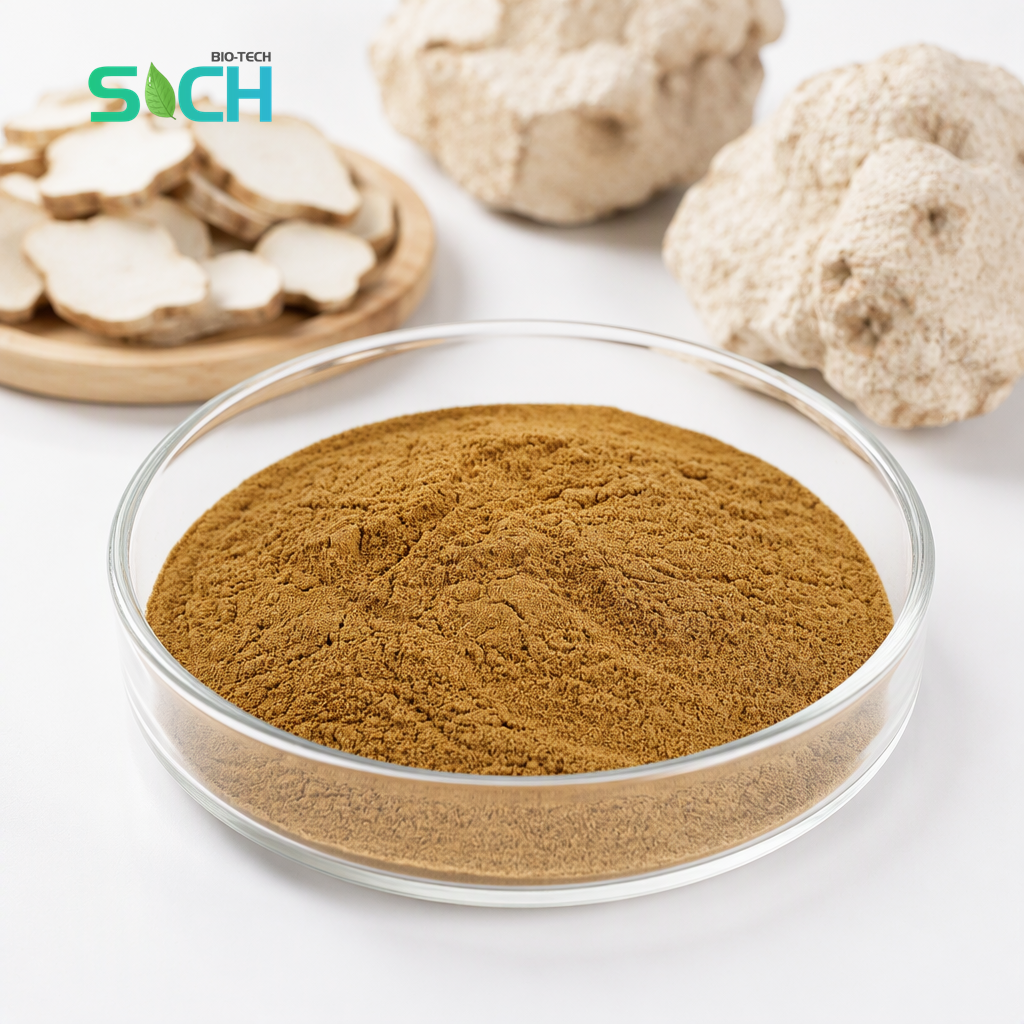
8,000 m²
GMP Extraction Facility
500 Acres
Dedicated Agro-Botanical Fields
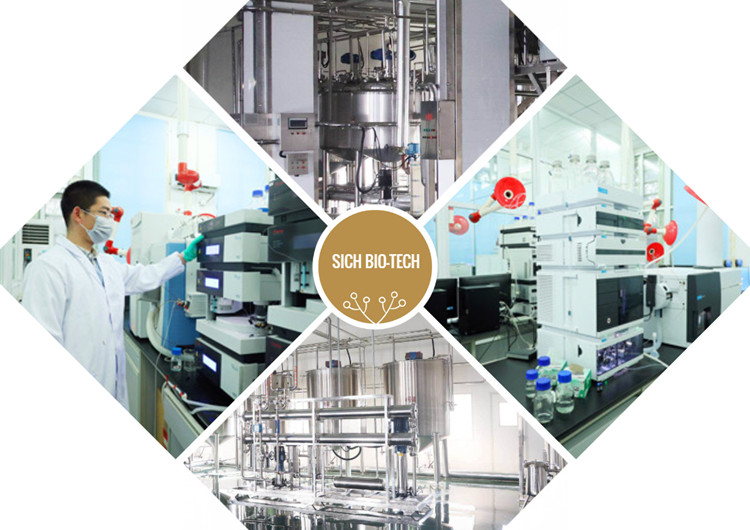
150+ Sets
Precision LC-MS & QC Tools
≤ 2 Hours
Technical Engineer Response
Comprehensive Technical Report: Apple Cider Vinegar Powder (ACVP) Engineering for the Dortmund & Rhine-Ruhr Industrial Ecosystem
The manufacturing and international distribution of dehydrated acetous fermentation solids, commercially designated as Apple Cider Vinegar Powder (ACVP), has transitioned from conventional agricultural commodity trading to an exacting science of targeted bio-actives retention and mechanical stability. As enterprise procurement directors, contract development and manufacturing organizations (CDMOs), and food technologists across Dortmund and the larger North Rhine-Westphalia (NRW) metropole adapt their formulas to meet stringent European Union benchmarks, understanding the underlying bio-chemical parameters of dry vinegar carriers becomes paramount.
Bio-Chemical Extraction, Mother Culture Preservation, and Dehydration Kinetics
Natural liquid apple cider vinegar is the product of a two-stage fermentation process: initial anaerobic glycolytic conversion of raw malic apple sugars (*Malus domestica*) into ethanol by selected strains of *Saccharomyces cerevisiae*, followed by aerobic oxidation initiated by *Acetobacter aceti*. During this biochemical transformation, alcohol is oxidized into ethanoic acid (acetic acid, CH&sub3;COOH) alongside significant yields of secondary metabolites, including natural organic acids (malic, lactic, and citric acids), phenolic compounds (chlorogenic acid, catechin, epicatechin), and volatile aromatic esters.
Converting this volatile liquid matrix into a free-flowing, chemically stable powder with predictable reconstitution characteristics requires specialized thermal engineering. Standard spray drying can easily evaporate volatile acetic molecules along with ambient water vapor. Gavra Bio-Tech overcomes this technical constraint through precision spray chilling and low-temperature cyclonic drying systems, supported by customized micro-encapsulation wall materials:
1. Carrier Selection Matrix: Because acetic acid possesses extreme hygroscopic tendencies and a low glass transition temperature (Tg), it requires precise protective matrices. Depending on European customer specifications, we utilize high-solubility organic maltodextrin (DE 10-15), native apple pectin, acacia gum, or non-GMO resistant starches. These matrices encapsulate volatile volatiles within a protective carbohydrate shell, keeping hygroscopicity low and free-flow properties high.
2. Standardized Titratable Acidity: While crude commodity powders fluctuate significantly across seasons, our standardized output guarantees consistent 5% to 12% total titratable acetic acid by HPLC, alongside traceable mother solids containing deactivated, intact bacterial cell walls that provide digestive prebiotic functional benefits without compromising package stability.
3. Particle Morphology and Flowability: Utilizing automated fluid-bed granulation lines, our ACVP yields homogeneous spherical agglomerates with standardized mesh ratings (80–120 mesh). This prevents the phase separation, caking, and pneumatic pipeline clogging commonly encountered in industrial high-throughput tablet presses and automated powder blending hoppers.
Dortmund & Regional Industrial Application Scenarios
Strategically located at the convergence of traditional Westphalian industrial manufacturing and cutting-edge biotechnology hubs, Dortmund has developed into a focal node for dietary supplement encapsulation, advanced bakery engineering, and natural preservative synthesis. The localized adoption of Gavra Bio-Tech's Apple Cider Vinegar Powder centers around three primary industrial sectors:
Nutraceutical Encapsulation & Pectin Gummies
Local contract manufacturers throughout Dortmund, Bochum, and Unna face increasing demand for acidic nutraceuticals devoid of corrosive liquid characteristics. Liquid vinegar rapidly degrades gelatin matrices and causes dental erosion. Gavra's 5% standardized ACVP acts as a non-hygroscopic solid core, seamlessly integrating into vegetarian pectin pectin-gummy molds, hard two-piece HPMC capsules, and effervescent tablets without destabilizing structural elasticity or inducing bubbling during commercial high-speed bottling.
Clean-Label Artisanal & Industrial Bakery Fermentation
Westphalian traditional rye breads, pumpernickel, and par-baked dough distribution lines across the Ruhr Valley rely heavily on controlled acidification to regulate yeast activity and optimize crumb texture. Standard chemical additives like calcium propionate face consumer pushback. Gavra's dried apple cider vinegar serves as a multi-functional clean-label bio-preservative, suppressing *Bacillus subtilis* (rope spores) while imparting a mild, rounded tartness that balances sourdough flavor profiles.
Dry Seasoning Blends, Marinades, and Sauces
The region's industrial snack food and meat processing suppliers require dry acidulants that resist caking under high moisture fluctuations. Unlike volatile liquid solutions or highly corrosive synthetic crystalline acids, ACVP delivers uniform, spray-adhering seasoning top-notes with low volatile dissipation. This makes it an ideal pickling and dusting agent for snack pellets, dry cured meat rubs, and shelf-stable instant emulsion dressing premixes.
Regional Regulatory Landscape & Supply Chain Trends in North Rhine-Westphalia
Procurement workflows within Germany are governed by stringent regulatory expectations. European Union Regulation (EC) No 396/2005 (pesticide residues), Regulation (EC) No 1881/2006 (heavy metal contaminants), and strict microbiological tolerances require ingredient suppliers to offer continuous chemical verifications.
In Dortmund, industrial manufacturers are moving away from multi-tiered domestic distribution brokerages toward direct primary manufacturer agreements. Intermediary trading brokers often fail to supply lot-specific chromatographic documentation or clear farm-to-dryer audit trails. Gavra Bio-Tech bridges this gap by directly managing 500 acres of experimental cultivation fields, ensuring our raw botanical feedstock is protected against illegal organophosphate sprays, polycyclic aromatic hydrocarbons (PAHs), and synthetic acetic spiked formulations.
Furthermore, shifting market trends indicate a move toward carrier transparency. High-end natural formulations in Germany actively replace traditional corn-derived carrier starches with organic tapioca or native apple fiber bases. Our R&D center works directly alongside partner laboratories to produce custom-carrier runs that ensure compliance with clean-label EU non-GMO standards.
Technical Specification Benchmark: Commercial ACVP Grades
| Analytical Parameter | Food Grade Blend (ACV-F05) | High-Potency Nutraceutical (ACV-N10) | Testing Methodology |
|---|---|---|---|
| Titratable Acetic Acid | ≥ 5.0% - 6.5% | ≥ 10.0% - 12.5% | Acid-Base Titration / HPLC |
| Appearance & State | Fine off-white to light tan powder | Homogeneous light beige powder | Visual / Photometric Evaluation |
| Carrier System | Non-GMO Maltodextrin (DE 10-12) | Organic Acacia Gum / Apple Pectin | Formulation Specification |
| Particle Size (Mesh) | 95% through 80 Mesh | 98% through 100 Mesh | Mechanical Sieve Analysis |
| Moisture Content (Loss on Drying) | ≤ 5.0% | ≤ 4.0% | Halogen Moisture Analyzer (USP <731>) |
| Heavy Metals (Pb, As, Cd, Hg) | ≤ 10.0 ppm combined | ≤ 5.0 ppm combined (Pb ≤ 1ppm) | ICP-MS (Inductively Coupled Plasma) |
| Microbiological Profile | TPC < 1,000 CFU/g, Yeast/Mold < 100 | TPC < 500 CFU/g, Salmonella Negative | USP/Ph. Eur. Compendial Methods |
Direct Factory Infrastructure
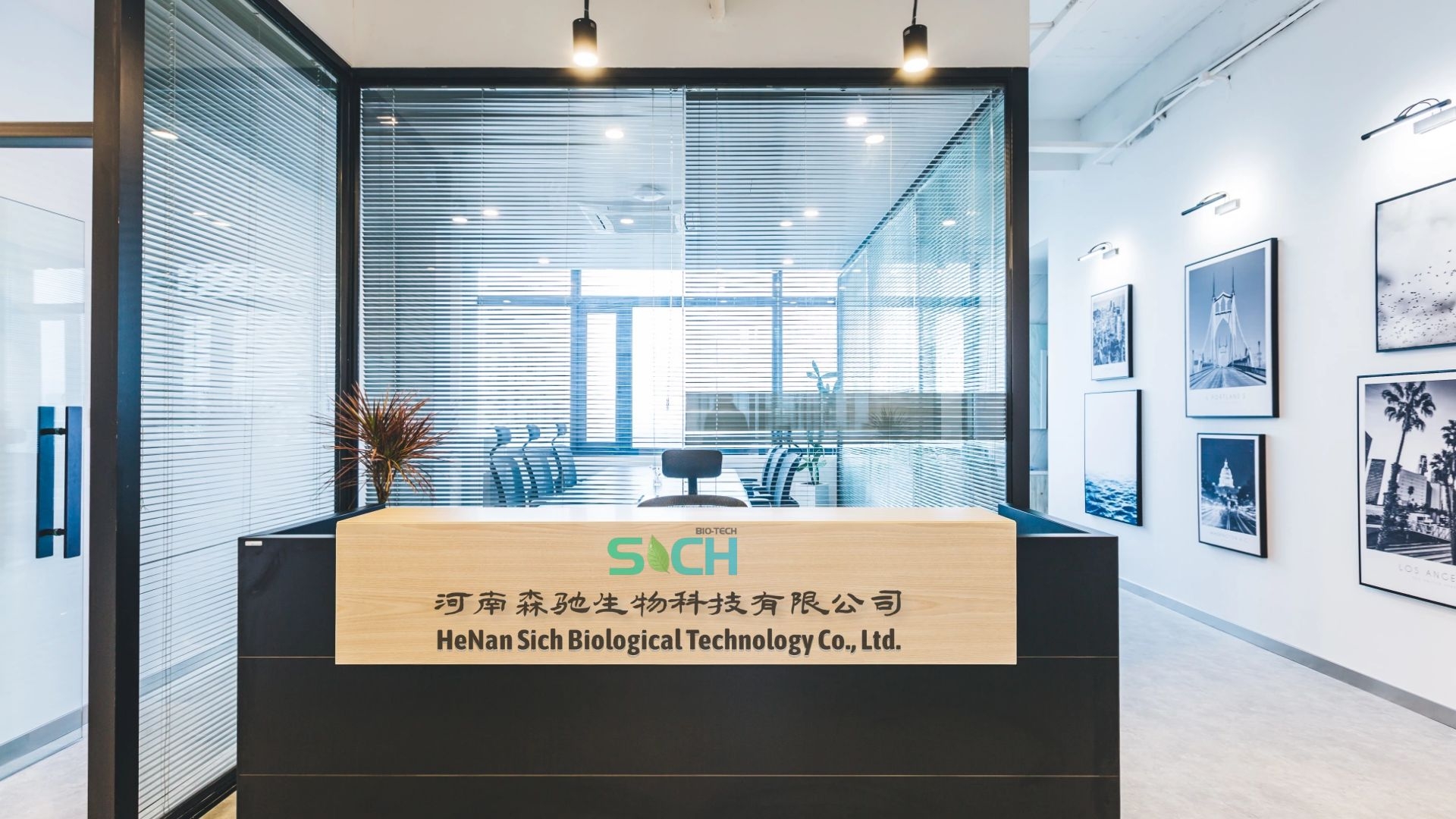
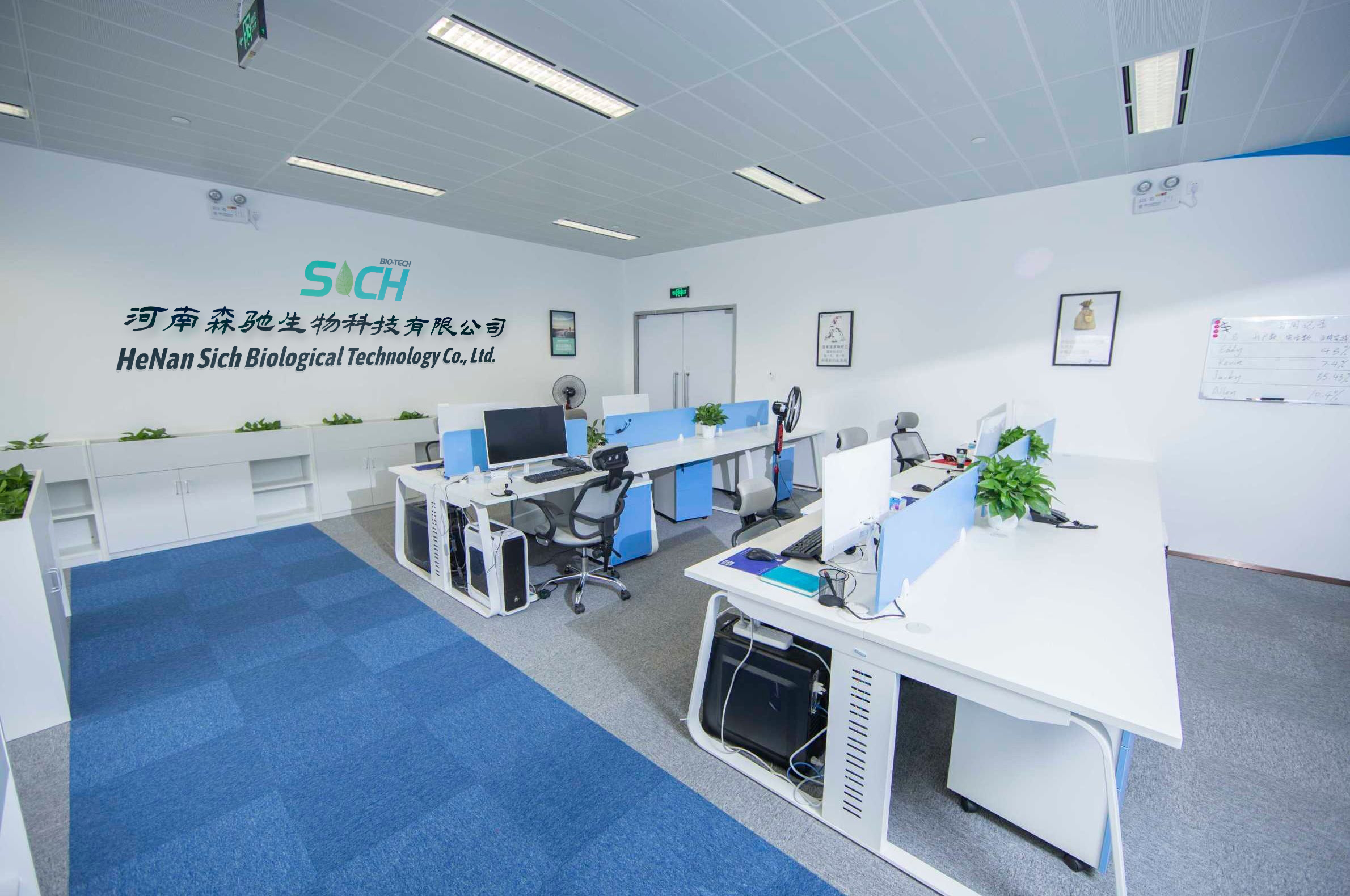
Gavra Bio-Tech Core Competencies & Verification Assets
Operating from Henan, China, our advanced laboratory network guarantees total analytical transparency from field to factory gate.
Triple-Line Industrial Flexibility
Our manufacturing installation houses three independent production lines optimized for high-pressure extraction, continuous falling-film evaporation, vacuum distillation, and low-temperature cyclone drying. This infrastructure enables consistent batch execution for standard catalogue items alongside fully tailored customer specifications.
End-to-End European Quality Assurance
Every shipment dispatched to European industrial ports carries a comprehensive Certificate of Analysis (COA) documenting heavy metal limits (via ICP-MS), residual solvent screens, and microbiological screening. Pre-shipment batch samples are archived for two years to ensure complete regulatory traceability throughout your production cycle.
Streamlined Global Freight Routing
As an established SVIP commercial account holder with premier air express providers (FedEx, DHL) and maritime freight consolidators, Gavra Bio-Tech provides optimized multimodal logistics. We support EXW, FOB, CIF, and full door-to-door Delivered Duty Paid (DDP) logistics directly to warehouses in Dortmund, the Ruhr industrial basin, and across broader Germany.
Direct Answers
Frequently Asked Questions: Procurement for Dortmund Buyers
Technical and logistical insights for quality managers and corporate sourcing teams.
What carriers are utilized to keep Apple Cider Vinegar Powder free-flowing during transport?
Because free acetic acid is naturally hygroscopic, our standard food and beverage grade uses non-GMO maltodextrin (DE 10-15) as an encapsulation matrix. For clean-label or organic brands in Germany, we offer custom carrier profiles utilizing organic native apple pectin, acacia gum, or organic tapioca starches. All matrices are verified for rapid cold-water dispersion without clumping or sediment formation.
How does Gavra Bio-Tech guarantee compliance with EU contaminant and pesticide regulations?
Our raw botanicals originate from dedicated, monitored cultivation grounds where chemical fertilizers and unapproved agrochemicals are strictly prohibited. Every production run undergoes multi-residue pesticide screens covering over 400 compounds via LC-MS/MS, alongside heavy metal testing via ICP-MS to guarantee compliance with EU Regulation (EC) 396/2005 and Regulation (EC) 1881/2006. Full analytical documentation is provided with every shipment.
What are the minimum order quantities (MOQs) and trial sample policies for formulation testing?
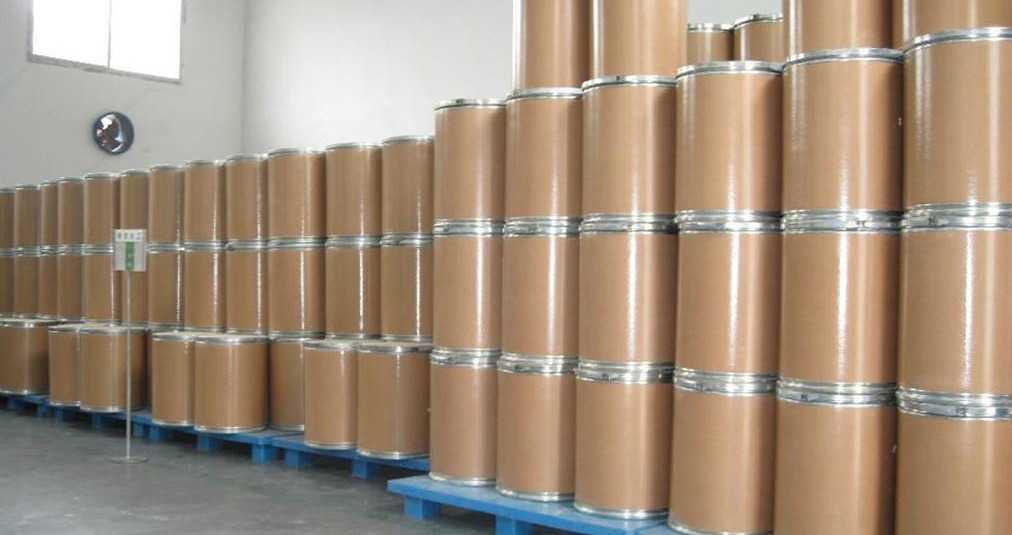
Standard ACVP catalogue lines start at an MOQ of 1 kg to facilitate pilot trials, benchtop development, and laboratory batch validations. We maintain a complimentary sample evaluation policy: qualified industrial R&D labs in Dortmund and North Rhine-Westphalia can request up to 100g of verified batch material for bench formulation, dissolvability testing, and HPLC cross-validation. Bulk production orders are routinely packaged in 25 kg multi-layer fiber drums with heat-sealed food-grade polyethylene inner liners.
What is the standard delivery timeline for imports arriving at Dortmund production facilities?
In-stock ingredients are packed and dispatched within 3-5 business days following commercial confirmation. For express sample shipments and urgent pilot batches, transit via our DHL/FedEx SVIP channels takes approximately 4-7 business days to North Rhine-Westphalia. For commercial container loads, ocean freight routed via the Port of Rotterdam or Port of Hamburg, followed by inland rail or truck transport to Dortmund depots, typically averages 28 to 35 calendar days under standard CIF, CIP, or DDP terms.
Can Gavra Bio-Tech provide contract manufacturing (OEM) finished dosage forms?
Yes. Beyond supplying raw bulk active powders, we support full private-label Contract Manufacturing Organization (CMO) capabilities. We produce customized ACV pectin soft-gummies, two-piece hard gelatin or HPMC capsules, effervescent tablets, and packaged functional dry-syrup drink mixes according to your exact formulation, packaging artwork, and dosage requirements.
Request Technical Data Sheets, Lot COAs, or Evaluation Samples
Partner with a direct primary botanical extraction facility. Connect directly with our analytical chemical engineers to review specification sheets, match carrier profiles, or arrange freight quotations to Dortmund.
Send an Inquiry