Standardized Herbal Actives & Functional Ingredients
Laboratory-verified extracts, cosmeceutical precursors, and pure biochemical compounds aligned with HPRA, EFSA, and EU Pharmacopoeia purity standards.
Strategic Raw Material Procurement for the Cork Biopharma & Wellness Cluster
Cork has long stood as the beating heart of the Republic of Ireland's life sciences and biopharmaceutical sectors. Anchored by major multinational facilities across Ringaskiddy, Little Island, and Carrigtwohill, the County Cork biocorridor demands unprecedented transparency, purity, and analytical precision in chemical and botanical sourcing. As consumer preferences across Europe steer definitively toward natural health products, preventative medicine, and clean-label functional formulations, pharmaceutical formulators and nutraceutical contract manufacturing organizations (CMOs) throughout Cork face a dual challenge: maintaining strict European Pharmacopoeia (Ph. Eur.) compliance while securing uninterrupted, scalable botanical raw material supply chains.
Localized Application Scenarios across Cork & Munster
The applications for standardized botanical extracts, cellular cofactors, and micronutrients in the Cork region span multiple specialized sectors:
Nutraceutical Solid Dose Formulation
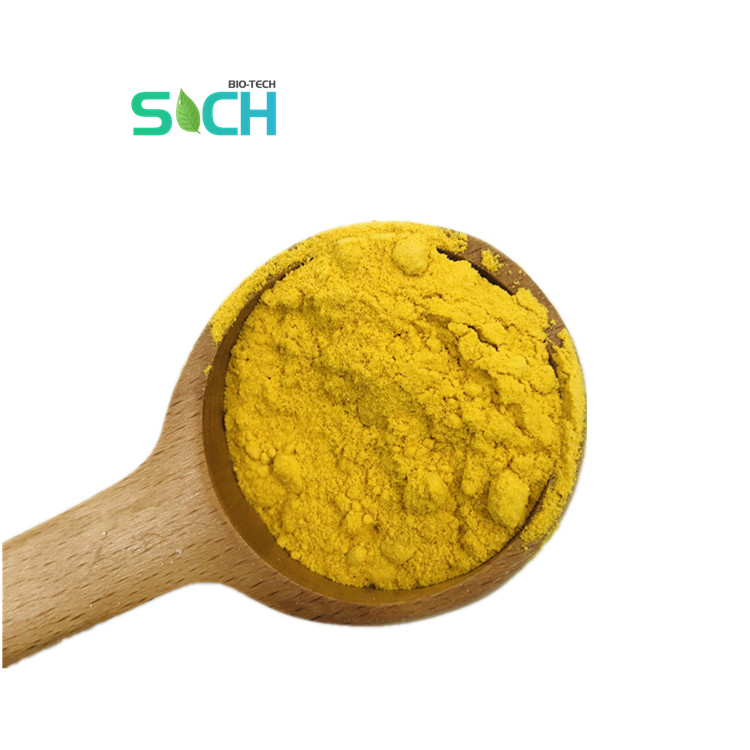
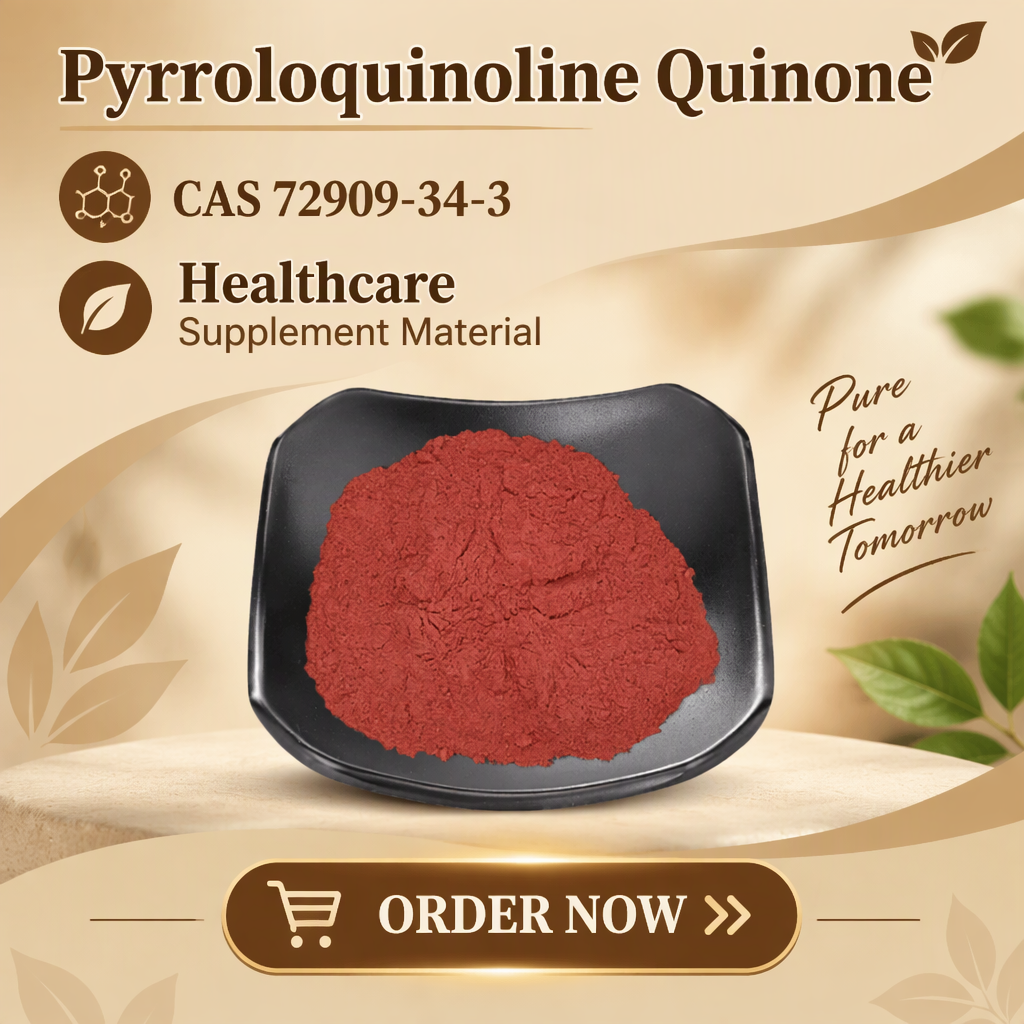
Cork contract packagers and encapsulation plants leverage high-density actives like Folic Acid (CAS 59-30-3) and Pyrroloquinoline Quinone (PQQ CAS 72909-34-3) for neuroprotective complexes and advanced prenatal multivitamin formulations.
Cosmeceuticals & Dermal Delivery
Specialty personal care laboratories located in Cork's technology parks utilize pharmaceutical-grade Tranexamic Acid (CAS 1197-18-8) and high-purity peptides to create melanogenesis-inhibiting topical emulsions with enhanced epidermal permeability.
Functional Beverages & Clean Colorants
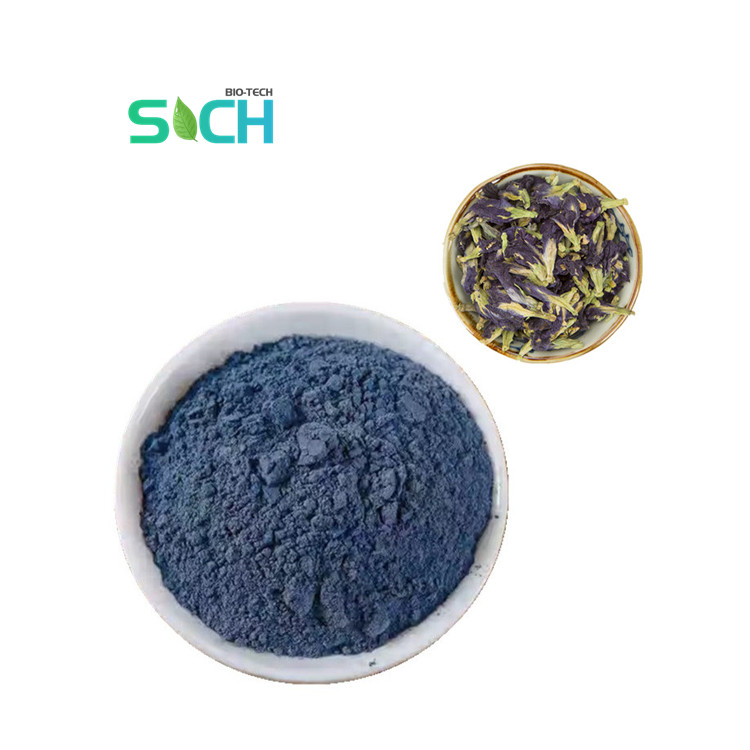
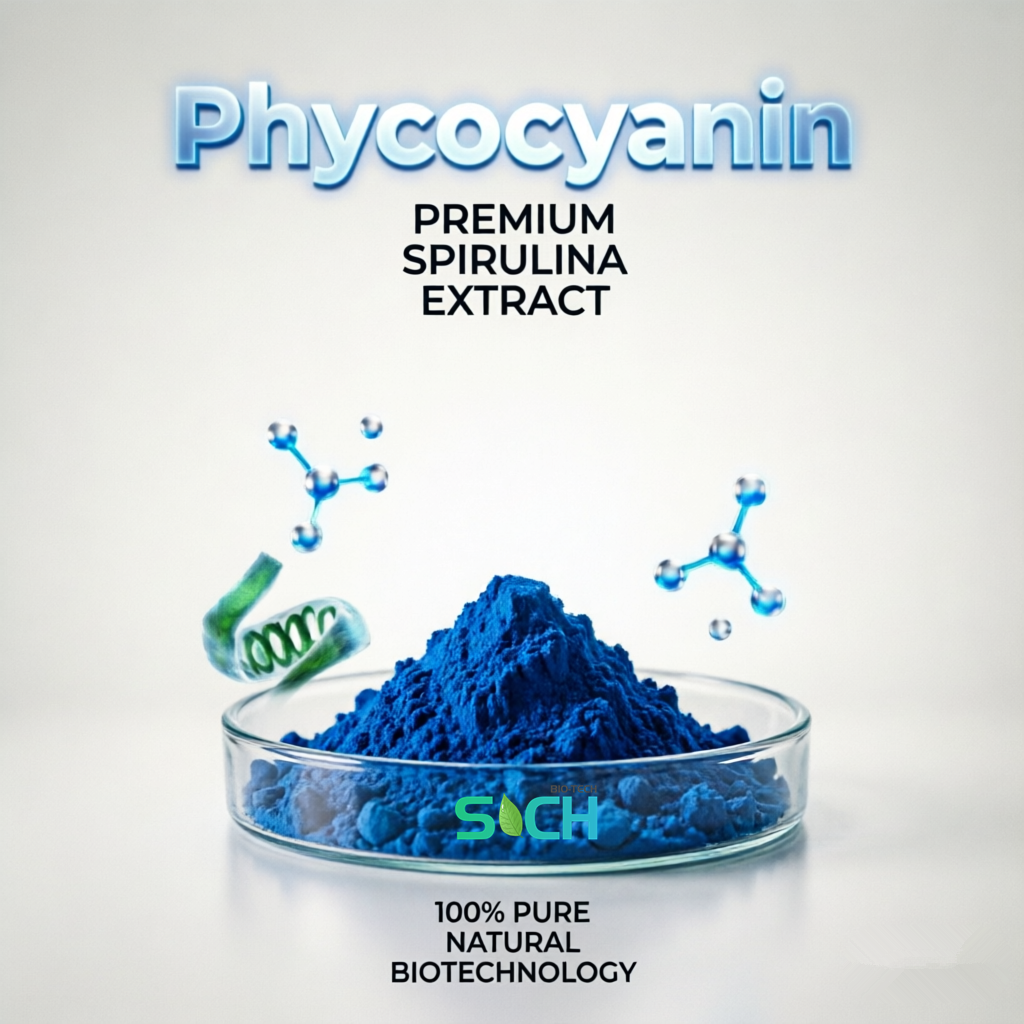
Munster's vibrant craft brewing, non-alcoholic elixir, and ready-to-drink (RTD) beverage manufacturers demand water-soluble pigmenting botanicals such as Spirulina Phycocyanin (E-values E3 to E40) and spray-dried Butterfly Pea Flower Powder to replace artificial azo dyes.
Emerging Industry Trends in Ireland's Botanical Ecosystem
Three dominant macroeconomic and scientific trends are reshaping how Irish procurement teams evaluate overseas chemical and plant extract suppliers:
1. Analytical Fingerprinting over Basic Assays: Traditional UV-Vis spectrophotometry is no longer sufficient for regulatory peace of mind. Procurement departments in Cork increasingly mandate orthogonal analytical methodologies, requiring coupled High-Performance Liquid Chromatography–Mass Spectrometry (LC-MS) alongside High-Performance Thin-Layer Chromatography (HPTLC) scans to establish botanical genuineness and detect deliberate economic adulteration.
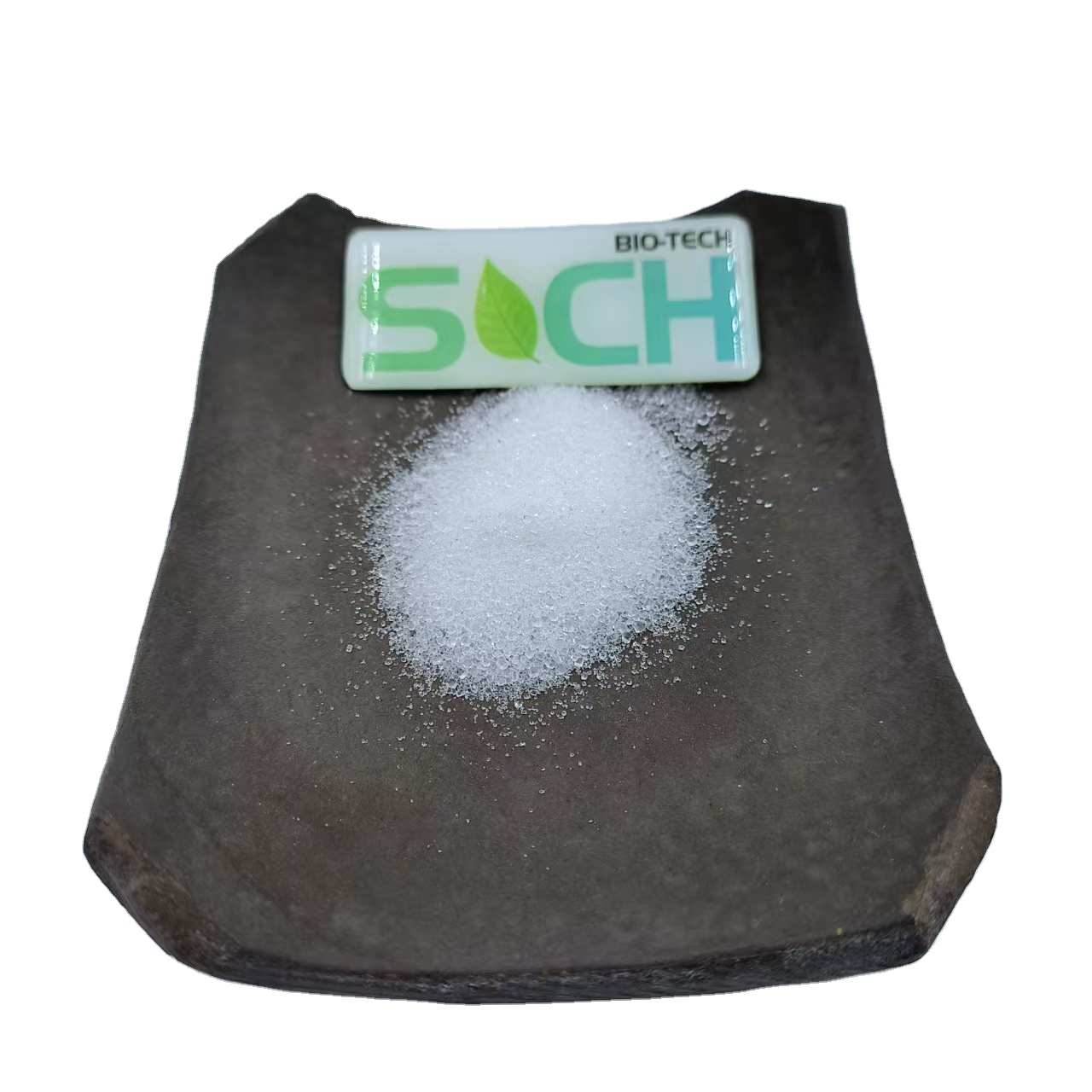
2. Clean-Label Functional Sweetening Systems: Reformulation initiatives across food and beverage processors in the south of Ireland are transitioning toward calibrated sweetening systems. Products like Sodium Cyclamate (CP95 / NF13) are deployed alongside botanical masking extracts to balance osmotic pressures and reduce calorific loads without bitter off-notes.
3. Mitochondrial and Longevity Biomarkers: Sirtuin pathway activators, cellular energy optimizers, and cofactors such as PQQ and methylated B vitamins are seeing explosive compounding growth across clinical supplement channels in Ireland, outperforming standard herbal ratios in technical differentiation.
Gavra Bio-Tech: Validated Quality Infrastructure
Gavra Bio-Tech Co.,Ltd. bridges Chinese manufacturing excellence and rigorous European analytical demands. Supporting multinational manufacturers, intermediate processors, and regional compounders, our operation integrates raw botanical cultivation with modern cGMP extraction methodologies.
Operating an analytical validation hub equipped with Waters LC-MS systems, Agilent 8453 UV-Vis spectrophotometers, and CAMAG Swiss HPTLC scanners, every batch destined for the Cork harbor or Dublin airport hub is supplied with complete Certificate of Analysis (COA) records, heavy metal testing (Pb, As, Cd, Hg via ICP-MS), residual solvent profiles, and microbiologic counts conforming to European pharmacopeial monograph requirements.
LC-MS Compound Confirmation
Absolute identity and impurity profiling matching structural databases down to picogram thresholds.
Clean Extraction Streams
Supercritical CO2, ethanol, and aqueous extractions that bypass hazardous chlorinated solvents entirely.
Air & Ocean Logistics
Direct DDP/DDU air consolidation via DHL/FedEx SVIP channels with smooth clearance through Irish Customs.
Full Technical Dossiers
BSE/TSE statements, Non-GMO affidavits, allergen screens, and safety data sheets delivered upfront.
Frequently Asked Questions: Cork & Irish Market Importation
Direct answers addressing the regulatory, logistical, and technical queries of quality managers and supply chain directors across Ireland.
How do you ensure herbal raw materials comply with HPRA and EU contaminants regulations?
Every lot exported to Irish destinations is tested against Regulation (EC) No 1881/2006 for maximum levels of contaminants, including heavy metals (Lead ≤ 3.0 mg/kg, Cadmium ≤ 1.0 mg/kg, Mercury ≤ 0.1 mg/kg) via ICP-MS. Furthermore, our products undergo complete polycyclic aromatic hydrocarbon (PAH4) analysis, aflatoxin screening (B1, B2, G1, G2), and pesticide multi-residue panels covering over 400 compounds via GC-MS/MS and LC-MS/MS, fully aligned with Ph. Eur. 2.8.13.
What are the standard delivery timelines and Incoterms for shipments to County Cork?
For urgent R&D trials or immediate production blending, air cargo dispatched via our FedEx and DHL SVIP corporate accounts typically lands at Cork Airport (ORK) or Shannon Airport (SNN) within 3 to 5 business days post-payment. For commercial pallet shipments, ocean freight to the Port of Cork (Ringaskiddy) or Dublin Port requires 28 to 35 transit days. We operate routinely under DDP, CIP, CIF, and FOB terms, providing full customs clearance paperwork (SAD, commercial invoice, packing list, certificate of origin).
Can Cork manufacturers request batch pre-shipment samples (PSS) for internal validation?
Yes. We encourage rigorous qualification before placing bulk commercial purchase orders. Free pre-shipment evaluation samples (typically 50 g to 100 g for botanical powders, or 1 g to 5 g for high-cost peptides and PQQ) are dispatched with complete batch-specific Certificates of Analysis. This allows incoming quality control teams in Little Island or Ringaskiddy to verify FTIR identity and assay correlations within their own laboratory systems.
What is your Minimum Order Quantity (MOQ) policy for small-batch pharmaceutical testing?
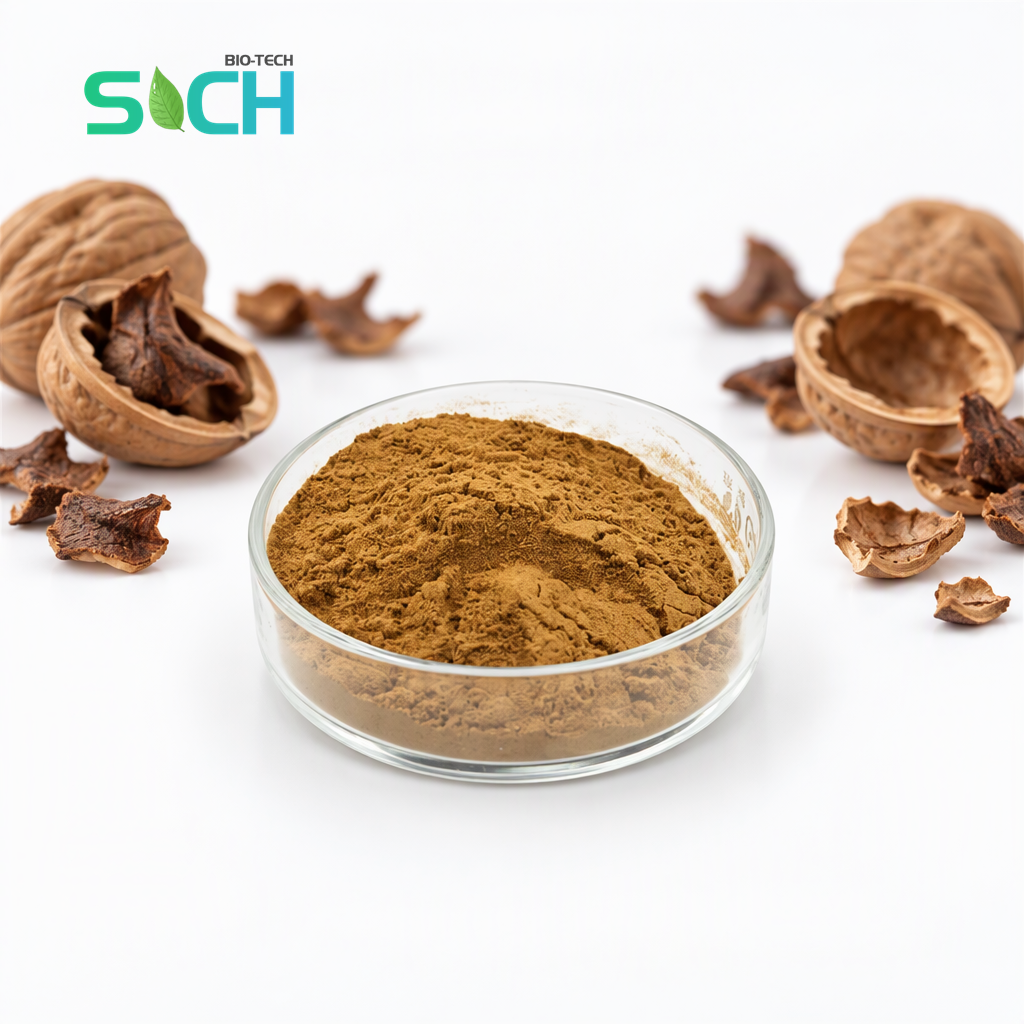
To support formulation flexibility and pilot pilot-scale runs for Irish biotechs and university spin-outs, our minimum order quantities start at just 1 kg for most standardized botanical extracts (including Walnut Hull, Jujube, and Red Clover), 10 g for blue copper peptides (GHK-Cu), and 1 kg for specialized actives like Tranexamic Acid and PQQ. High-volume bulking agents, such as Sodium Cyclamate and instant fruit powders, have standard packaging units of 25 kg drums.
Are your production facilities verified by third-party auditors?
Yes. Gavra Bio-Tech’s 8,000 m² workshop adheres to rigorous Good Manufacturing Practice (GMP) conditions. Our facilities, cleanrooms, and warehouse sites have undergone on-site verification by international inspection bodies. Audit packs, site master files (SMF), process flowcharts, and water filtration system validations are accessible under CDA/NDA for quality assurance audits.